
Deburring & Finishing Vacuum Solutions
Every edge you clean up becomes dust somewhere else.
Deburring, edge-breaking and surface finishing remove what machining leaves behind — and every burr and edge removed becomes fine metal dust, often the finest and most reactive fraction in the shop. From hand benches to vibratory tumblers to finishing machines, recovery captures it at the source before it settles across the floor.
Explosion-Safe Design
Grounded recovery for reactive fines
HEPA Filtration
Exposure-limit dusts retained
Built to Last
Rugged. Reliable. PrestiVac.
Maximum Uptime
Continuous-duty performance
Overview
Finishing is where machining's leftovers become airborne. Manual deburring, vibratory and rotary tumbling, and abrasive finishing all shave fine metal from part edges and surfaces — and that fine fraction is frequently the most reactive one a shop produces. For aluminum, titanium and other reactive metals, deburring fines carry the full combustible-metal rules; for stainless and coated alloys, they carry exposure limits. Capture belongs at the bench and the finishing machine, and the finest, most sensitive dust is exactly what a grounded, rated recovery system is built to hold.
Fine Metal Fines
The finest, most sensitive fraction
Reactive-Metal Dust
Combustible aluminum & titanium
Finishing-Media Dust
Tumbling and vibratory residue
Bench & Machine Capture
Manual and automated stations
Challenges in deburring & finishing
- Deburring produces the finest, most ignition-sensitive metal fraction in the shop
- Aluminum, titanium and reactive-metal fines are combustible
- Vibratory and rotary tumbling generate their own media dust
- Dust comes from both manual benches and automated finishing machines
- Mixed-metal shops risk cross-contamination between reactive powders
- Stainless and coated-alloy fines carry occupational exposure limits
Why vacuum recovery?
- Captures the finest fraction at the bench and the machine
- Grounded, rated equipment for combustible reactive-metal fines
- HEPA retention for dusts governed by exposure limits
- Dedicated recovery keeps reactive powders from mixing where it matters
- Clean parts and surfaces protect finish quality, not just safety
- Supports combustible-dust and exposure-limit compliance
Solution benefits
Better Safety
The most reactive fines in the shop are captured, not left to accumulate.
Higher Productivity
Finishing stations stay clean and parts move without a resettle cycle.
Cost Savings
Reclaimed finishing media and cleaner parts cut waste and rework.
Cleaner Workplace
HEPA-retained exhaust keeps fine metal dust out of the air.
Recommended vacuums
View all vacuums →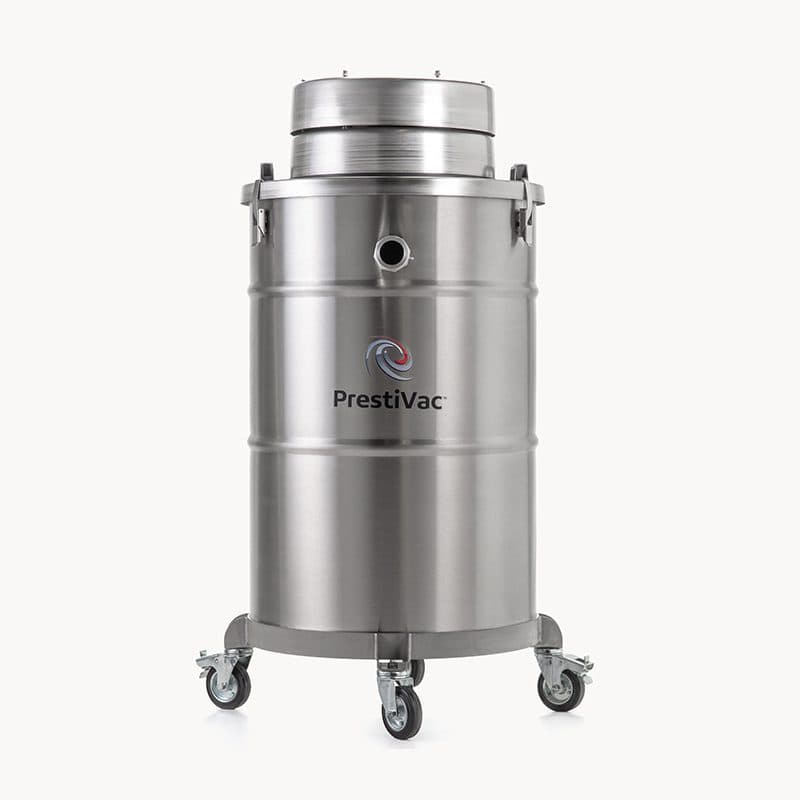
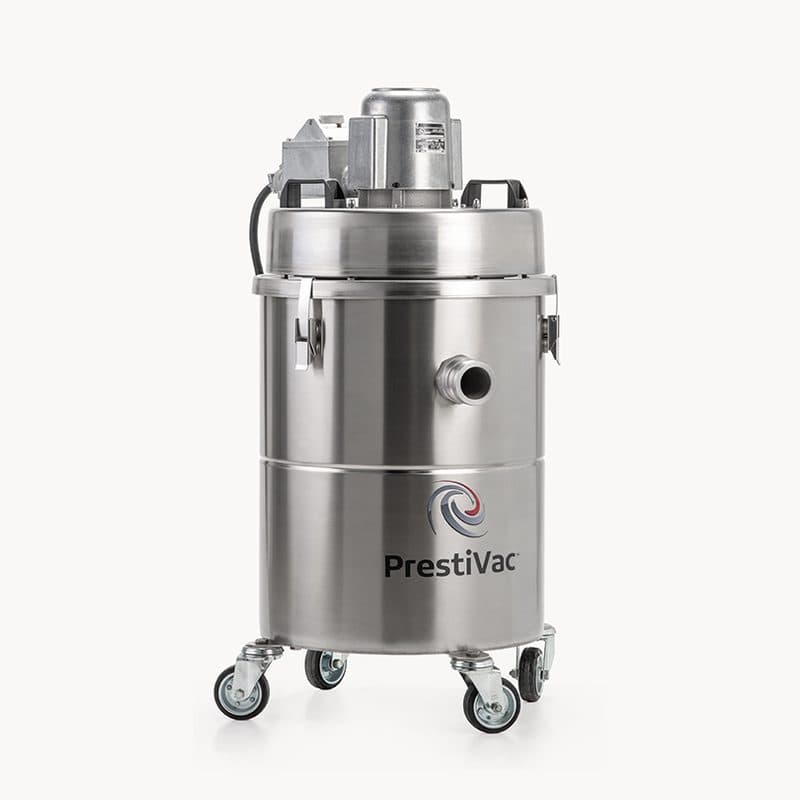
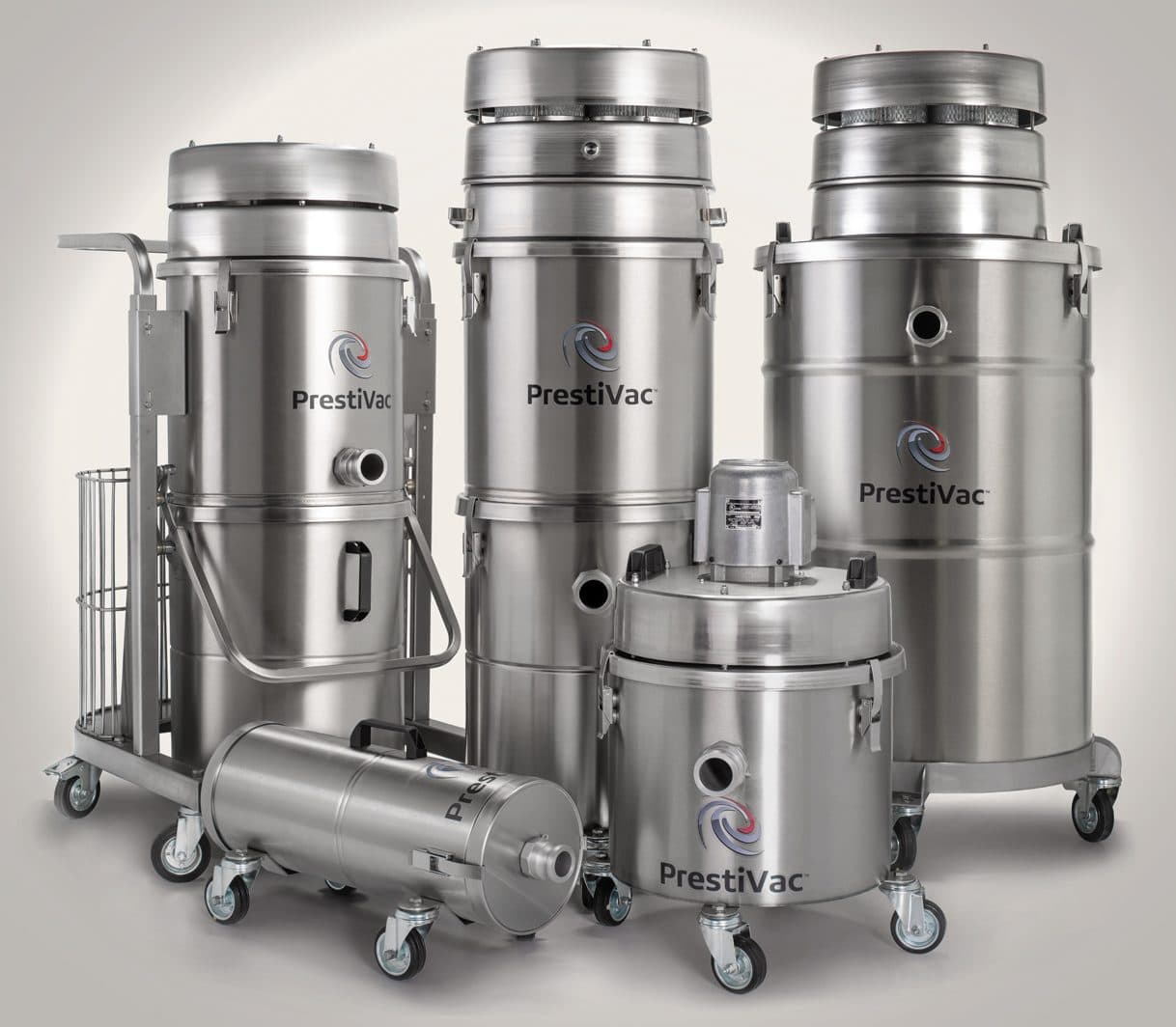
Typical system setup
- 01
Finishing station
Hand deburring, tumbling or machine finishing at the source
- 02
Grounded tool kit
Crevice nozzles and brushes for benches and machine housings
- 03
Static-dissipative hose
Bonded, conductive path end to end
- 04
Rated vacuum unit
Explosion-proof or HEPA industrial, matched to the metal
- 05
Sealed collection & disposal
Reactive and exposure-limit fines contained
Mixed-metal shops specify for the most demanding fine in the mix — the metalworking deep dive walks through it.
Deburring & Finishing FAQ
Are deburring fines really combustible?
For reactive metals, yes — and often more so than the machining chips they come from, because deburring produces a finer fraction. Aluminum, titanium and magnesium fines are combustible; steel is generally less severe. Your material and Dust Hazard Analysis govern, and grounded, rated recovery is the safe default for reactive-metal shops.
What about tumbling and vibratory finishing media?
Vibratory and rotary tumbling generate their own dust from the media as well as the parts — a mixed fine dust captured with HEPA retention. Where the parts are reactive metals, that media dust is bound up with combustible metal fines and handled to the same standard.
We run several metals — does cross-contamination matter?
It can, on two fronts. Mixing reactive-metal powders can raise reactivity concerns, and cross-contaminating one alloy's dust into another is a quality problem for the parts. Shops sensitive to either keep dedicated recovery per material rather than a shared unit.
Manual benches or finishing machines — which needs recovery?
Both. Hand deburring sheds fines right in the operator's breathing zone, while automated finishing machines concentrate dust at the equipment. Capture is specified for each — at the bench and at the machine — so neither source is left to settle across the shop.
Talk to the manufacturer
Get the right explosion proof vacuum for your application.
Tell us what you need to vacuum and where. Our technical team will recommend the PrestiVac model best suited to your material, your classification and how hard you will work it — and because we build every unit ourselves, we can modify it to fit.
- Legally certified explosion proof
- Solid stainless steel construction
- Industry-best 3-year warranty
- Designed & manufactured in the USA
- 200+ vacuum versions