
Grounded hoses, tools and filters
Accessories
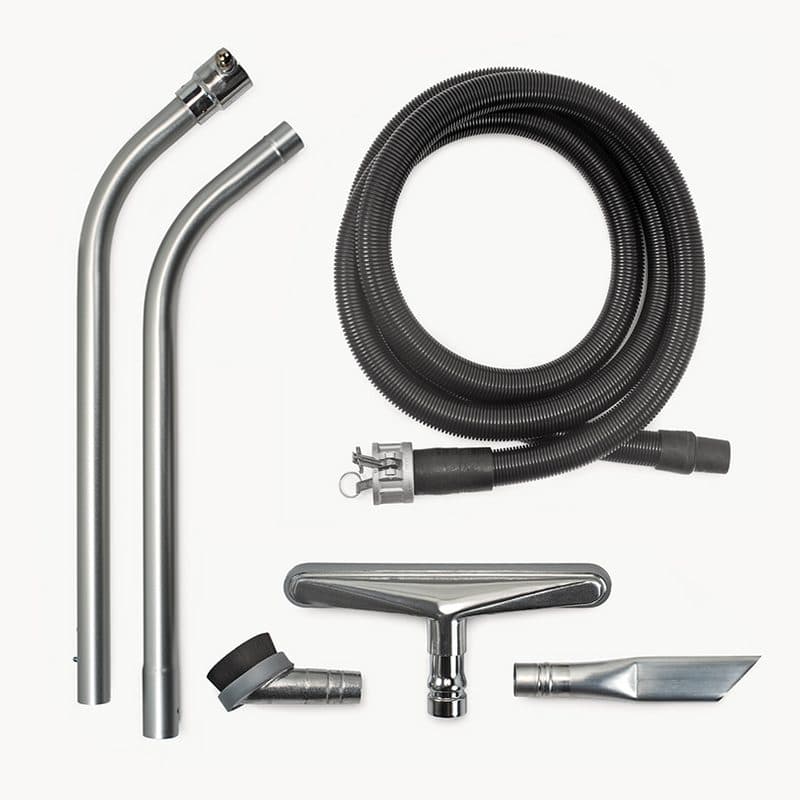
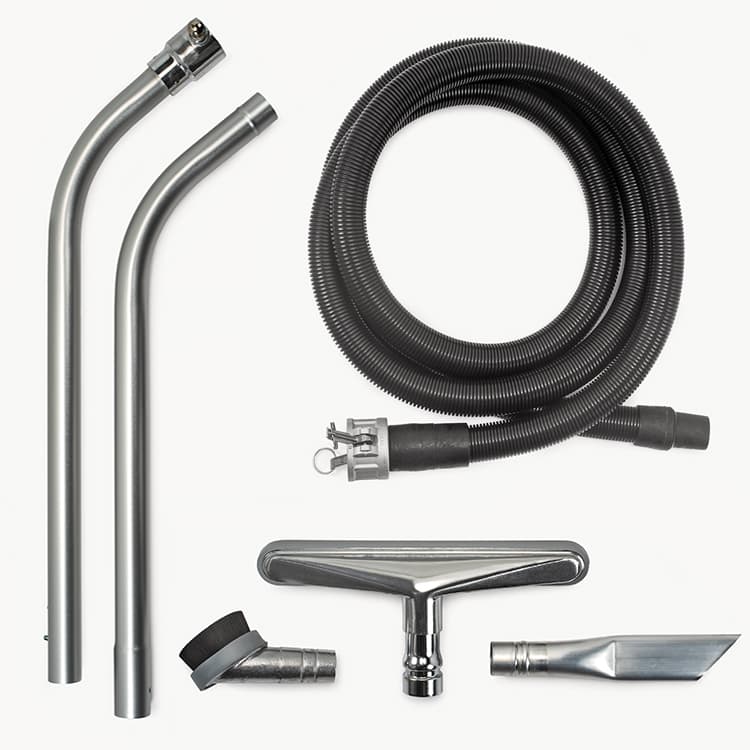
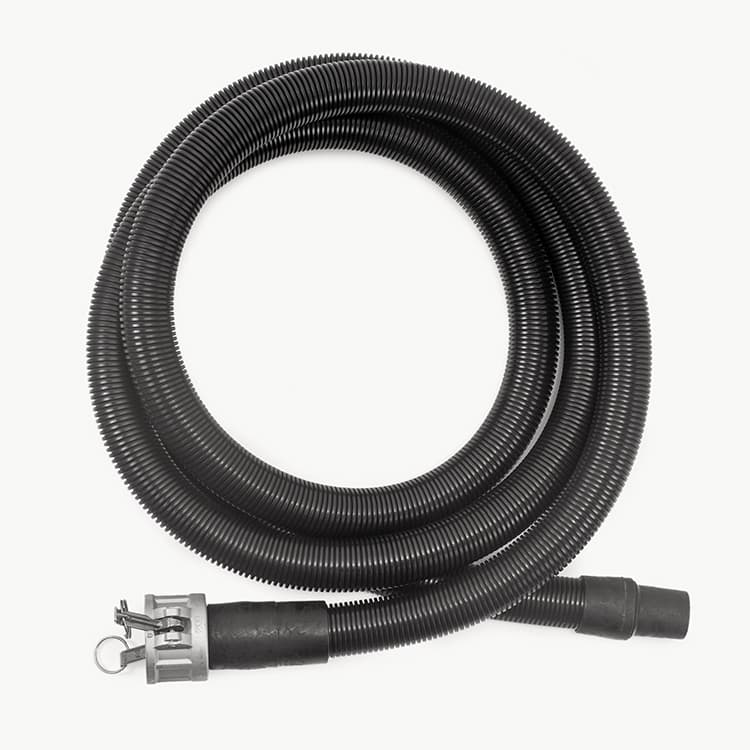
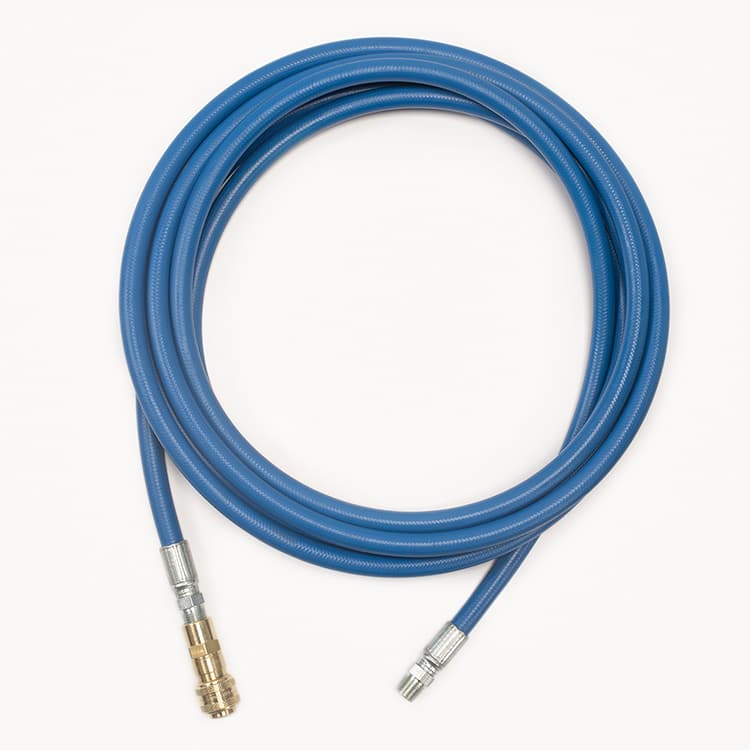
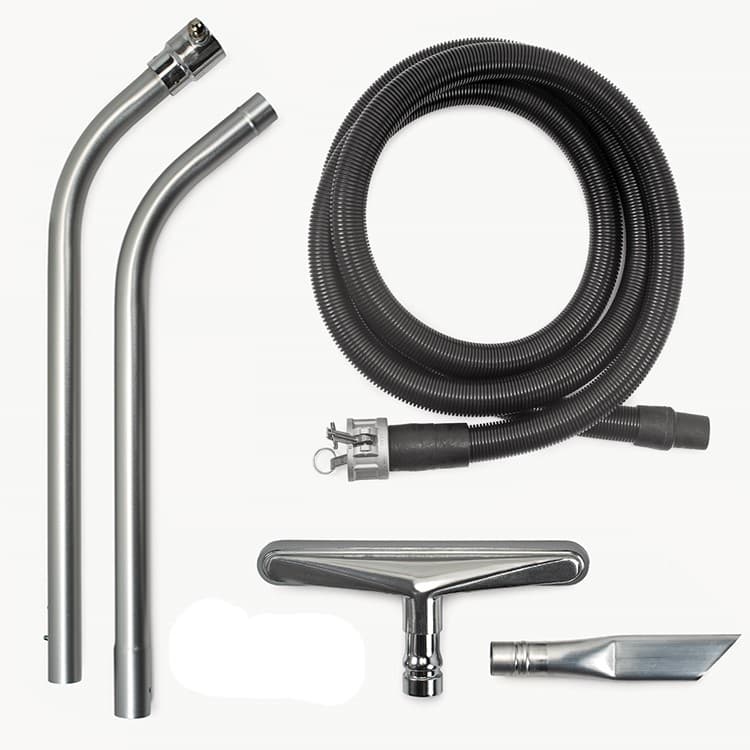
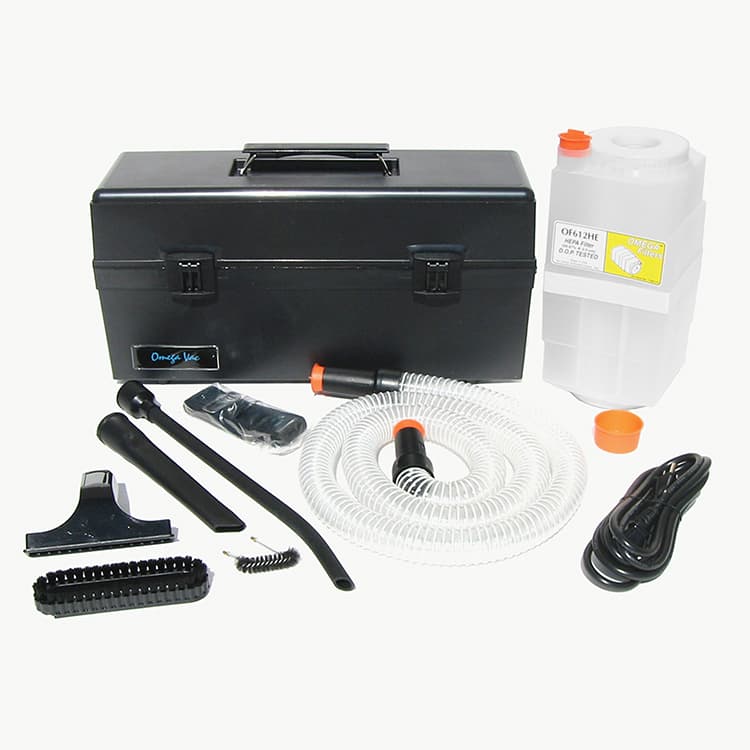
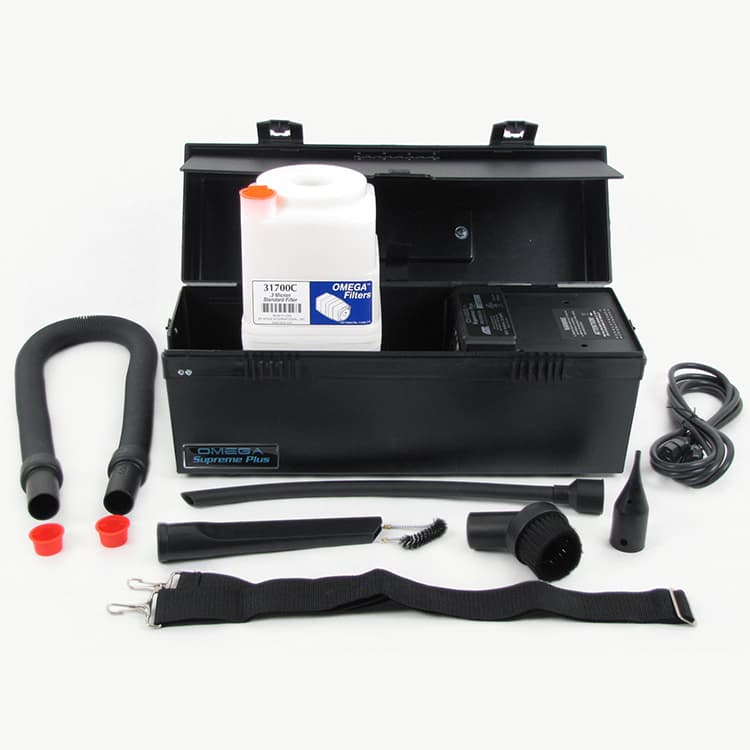
Static-dissipative hoses, stainless wands, brushes, crevice tools and replacement filtration — the parts that keep a recovery system performing to its specification.
What defines this line
- Anti-static hose assemblies
- Stainless and non-sparking tools
- Replacement HEPA and cartridge filters
- Application-matched nozzles
Certification & documentation
Units in this line are built on the same explosion-proof construction principles — conductive, grounded and bonded throughout. Certification coverage varies by line and configuration: our EX1 HEPA line is UL 1203 Certified under UL 1203 certification. Ask us for the certification documents that apply to the configuration you are specifying.
Area classification is determined by your own engineering assessment. We match equipment to the classification you provide — see how Classes, Divisions and Groups work.
Models in this line
7 models — specifications in the datasheet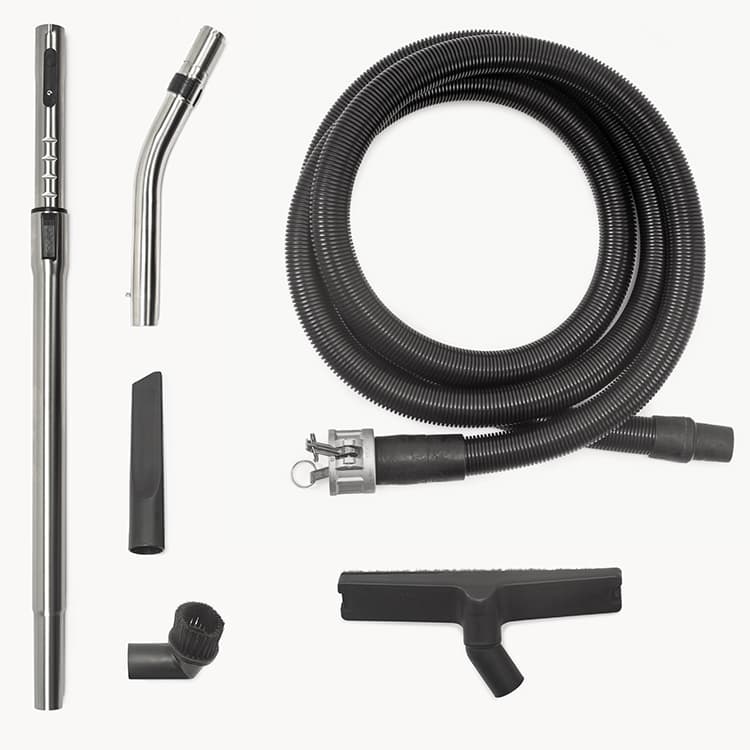
How to choose within this line
- 01
Anti-static where the dust is combustible
The accessory chain is part of the grounded, bonded path. Anti-static hoses and conductive tools are not optional extras in a classified area.
- 02
Match diameter to the material
Hose and wand diameter affect whether heavy or stringy material actually conveys instead of blocking.
- 03
Use genuine replacement parts
Filters and hoses are part of the tested configuration. Substitutions can change how the system performs and what its documentation covers.
- 04
Ask about compatibility
Kits are matched to specific units. Confirm the fit against your model rather than assuming a standard size.
Where this line is used
- All industries
Not listed? Browse the full industry directory or start from your material. New to dust hazards? Start with how dust explosions work or vacuum vs dust collector.
Frequently asked questions
- How must a certified vacuum be grounded?
- Grounded and bonded in accordance with the National Electrical Code, Article 250. Static-dissipating hose and filters are part of the required configuration. The practical point is that the path has to be continuous from the tool through the hose to the container — a grounded machine with a non-conductive hose attached leaves the charge generated in the hose with nowhere to go, and the machine will keep working normally without anyone noticing.
- How often should we vacuum a dust area?
- That comes out of your Dust Hazard Analysis rather than a general rule, because it depends on generation rate, the surfaces involved and the material. What a good programme looks like is specific: a map of which surfaces actually accumulate — including high steel, ledges, duct tops and equipment housings — an interval assigned to each, a defined method, and a record that the pass happened. Cleaning on appearance is the pattern to move away from, because the accumulations that matter most are usually the ones nobody can see from the floor.
- Why can't we use compressed air to blow down dust?
- Because it deliberately creates the condition a dust programme exists to prevent. A dust deflagration needs the dust dispersed into a cloud, and blowdown does exactly that — often in an area that already has confinement and ignition sources. It also relocates material rather than removing it, so the same dust settles somewhere else in the building, frequently somewhere less accessible. Vacuum recovery with retained filtration takes the material out instead.
- What is immersion separation, and when is it needed?
- It is an approach where recovered material is drawn into a liquid medium rather than collected dry, so reactive fines stay wetted instead of accumulating in a container where heat can build. It comes up with reactive metal dusts — aluminium, magnesium, titanium and zirconium in particular — where dry accumulation of fines is the failure mode you most want to design out. Whether it is appropriate is a material-specific decision, not a default, and it should follow from your assessment of the dust rather than from a product preference.
- Can one vacuum handle both liquids and dry dust?
- Only if it's designed for it. Wet & dry systems are configured for coolant, wash-down water and slurry as readily as dry material — and where the dry fraction is combustible, the unit needs explosion-proof wet recovery configuration. Putting liquids into a dry-only vacuum ruins filtration and can create hazards of its own.
Other product lines
- Explosion Proof VacuumsGrounded, bonded recovery for combustible dust
- HEPA Vacuums99.99% filtration for fine and hazardous dust
- Pneumatic VacuumsAir-operated — no electrical components
- Industrial VacuumsContinuous-duty recovery for demanding plants
- ESD Static Free Vacuum CleanersStatic dissipating throughout
- Cleanroom Vacuum CleanersJudged by what leaves the exhaust
- Pharmaceutical Vacuum CleanersContainment and sanitation together
- Wet & Dry SystemsLiquids, sludge and dust on one platform
- Central Vacuum SystemsFacility-wide housekeeping from fixed drops
- Custom Engineered SystemsDesigned around your exact application
Selecting equipment for this application
Written for engineers specifying recovery equipment. Each guide covers how the decision is actually made rather than which product to buy.
Buying guide
Hoses, tools & accessories
Hose diameter changes performance more than most specifications assume — and on a certified unit the accessories are part of the listing rather than a separate purchase.
ReadEngineering
Grounding & bonding
Static is generated by vacuuming itself. Why the requirement is a continuous conductive path from tool to container, and why a grounded machine alone does not achieve it.
ReadBuying guide
Selecting HEPA filtration
Grade is the part of a filtration specification that matters least. Filter area, sealing, staging and change-out method decide what performance you actually get in service.
ReadOperation
Maintenance & troubleshooting
Loss of suction has a short list of causes and they are diagnosable in order. Plus why maintenance is what keeps a certified unit certified rather than a separate concern.
ReadGet a Quote
Tell us your material, your classification and how hard you will work it. Our technical team will recommend the PrestiVac model best suited to the job.
Get a QuoteTalk to the manufacturer
Get the right explosion proof vacuum for your application.
Tell us what you need to vacuum and where. Our technical team will recommend the PrestiVac model best suited to your material, your classification and how hard you will work it — and because we build every unit ourselves, we can modify it to fit.
- Legally certified explosion proof
- Solid stainless steel construction
- Industry-best 3-year warranty
- Designed & manufactured in the USA
- 200+ vacuum versions