AutomotiveAluminum dust
Reducing aluminum dust hazards in an automotive
- Challenge
- Sanding and machining lines generated fine aluminum dust — a reactive metal governed by NFPA 484 — that accumulated on beams, equipment and floors between shifts.
- Solution
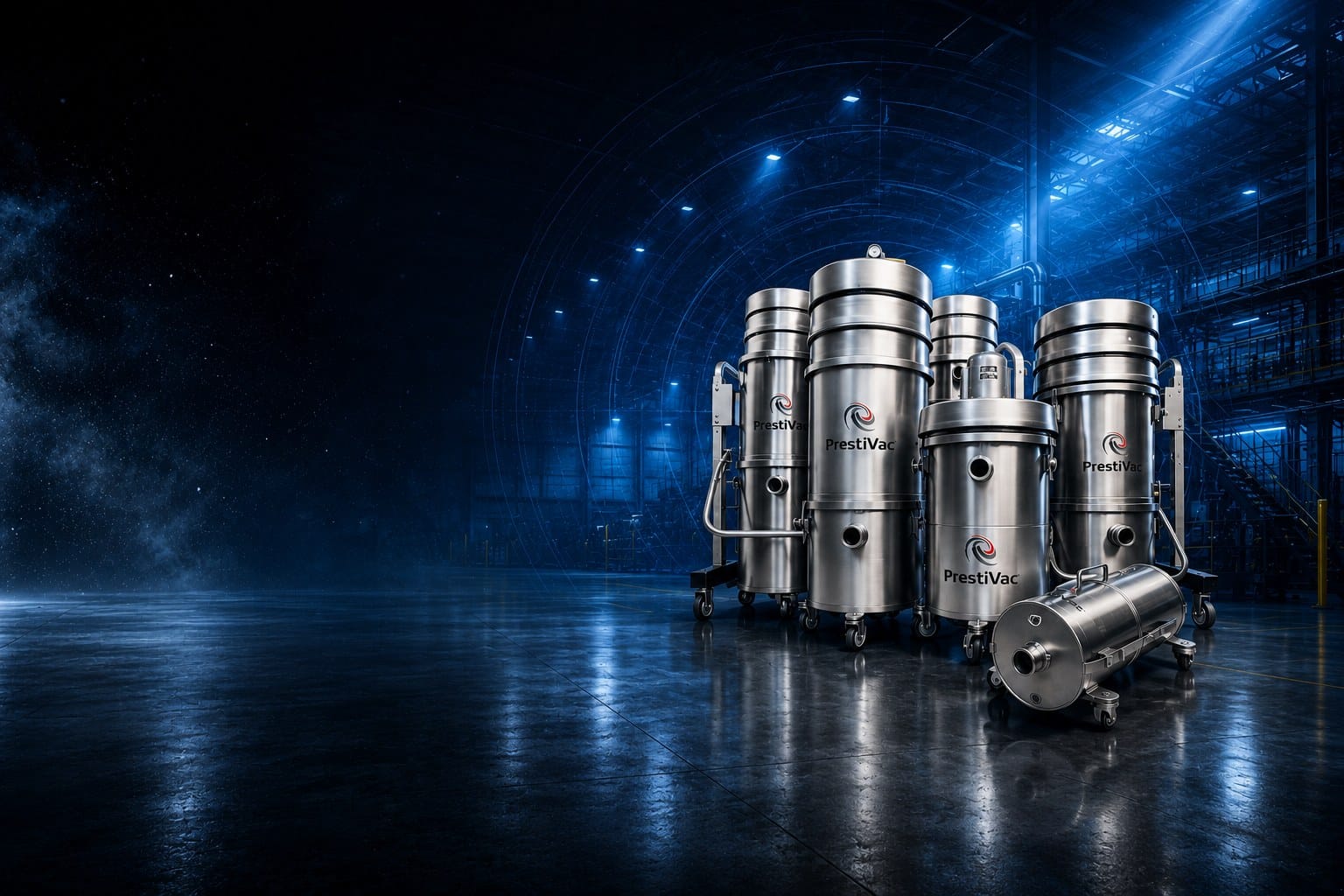
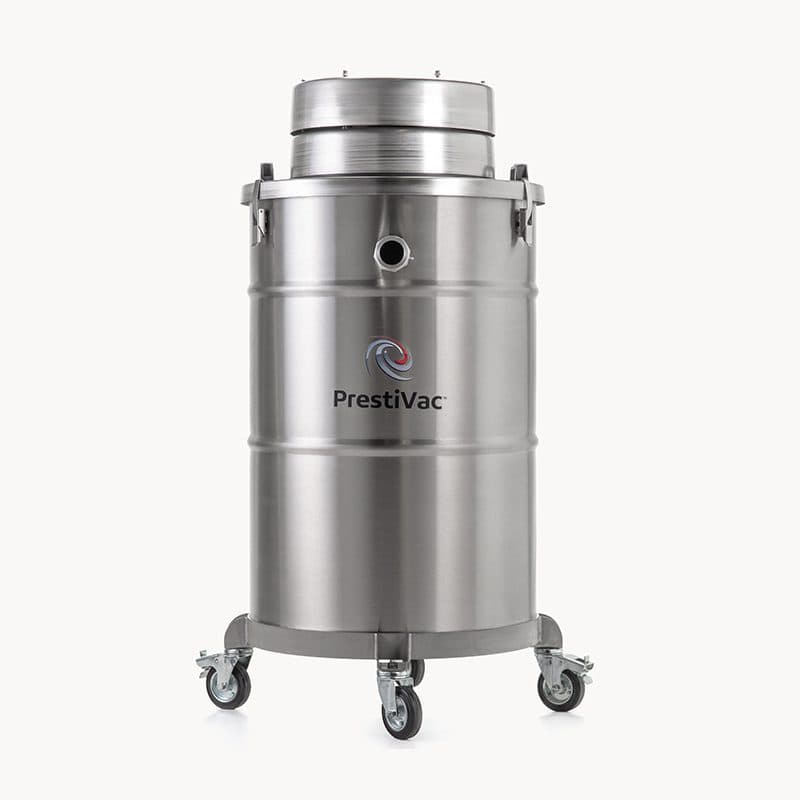
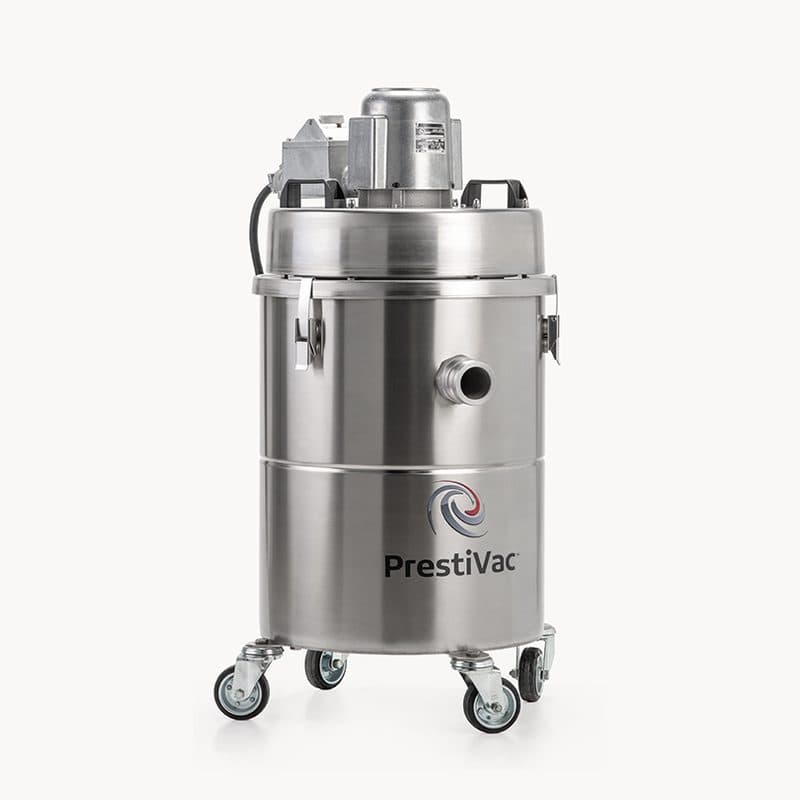
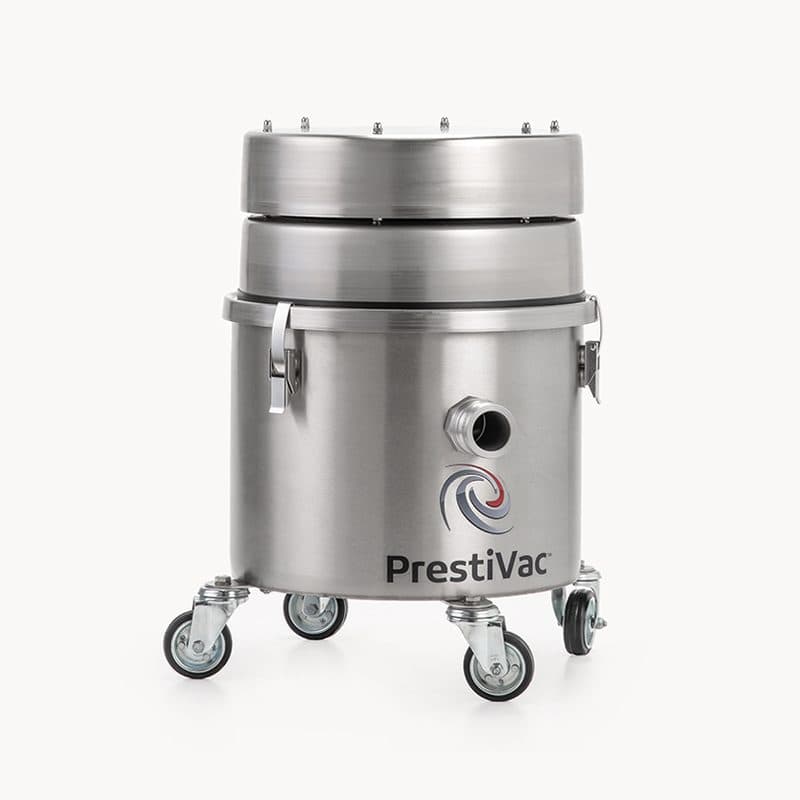
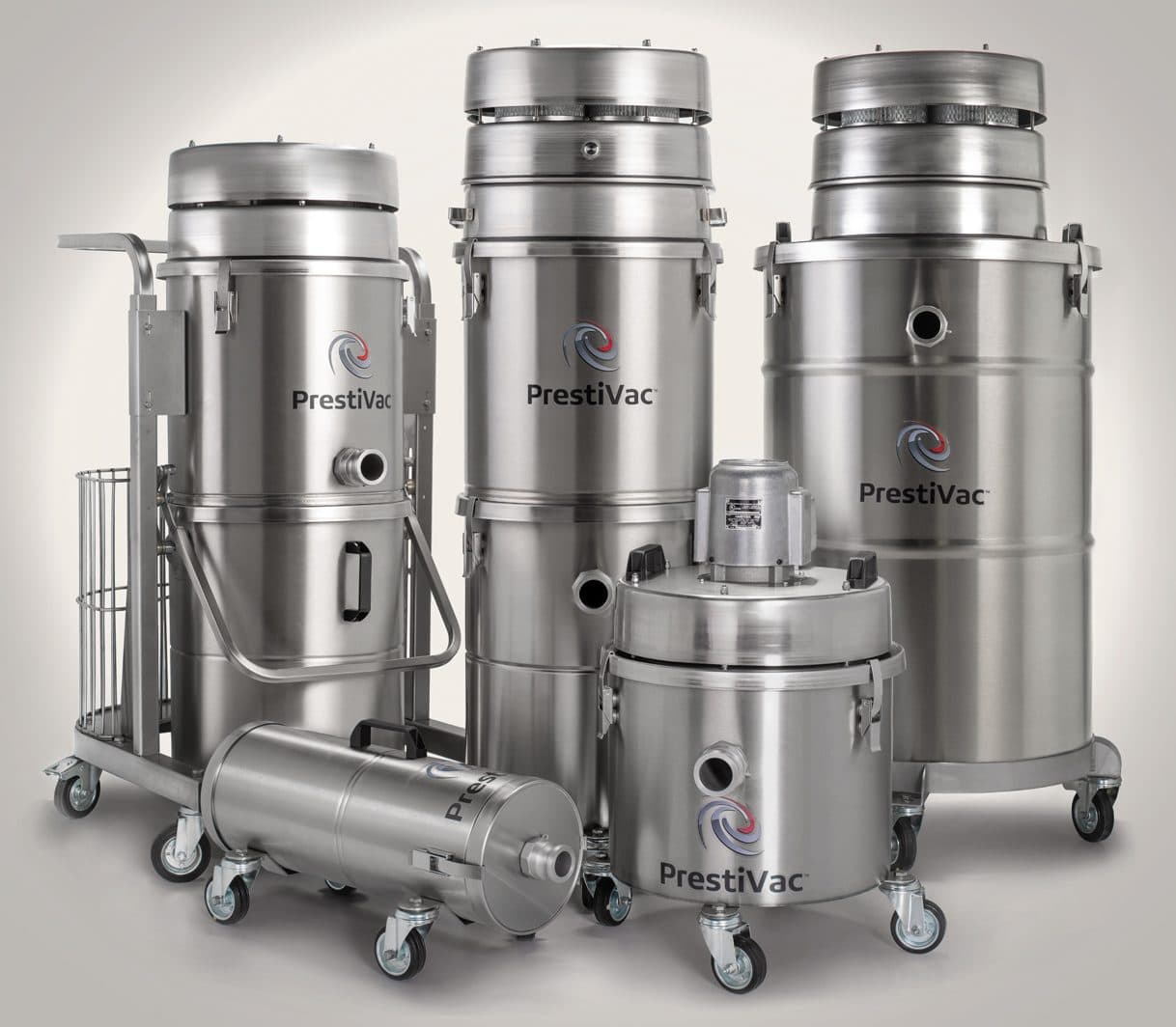
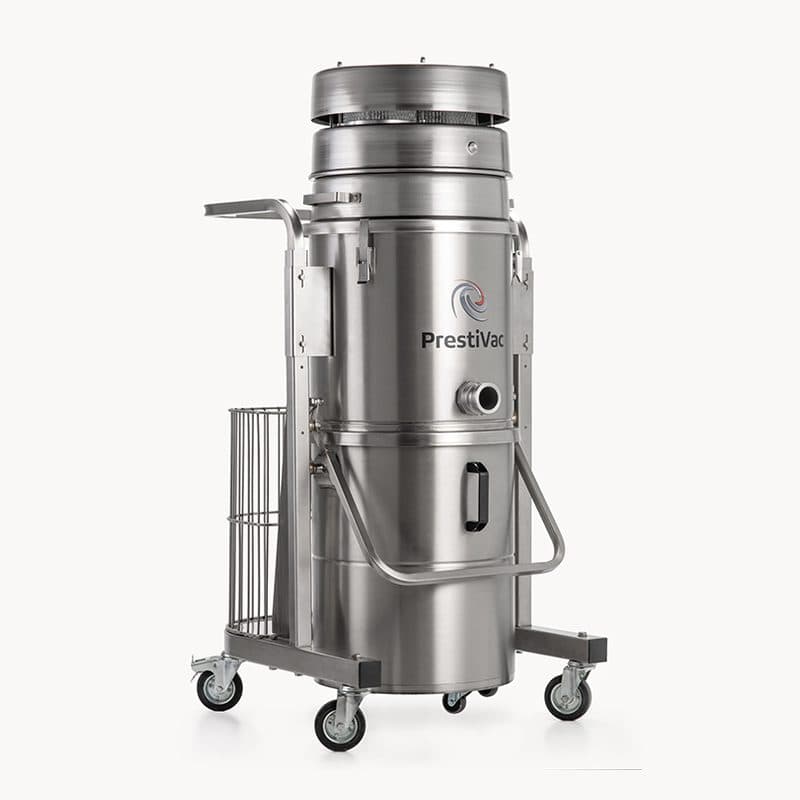
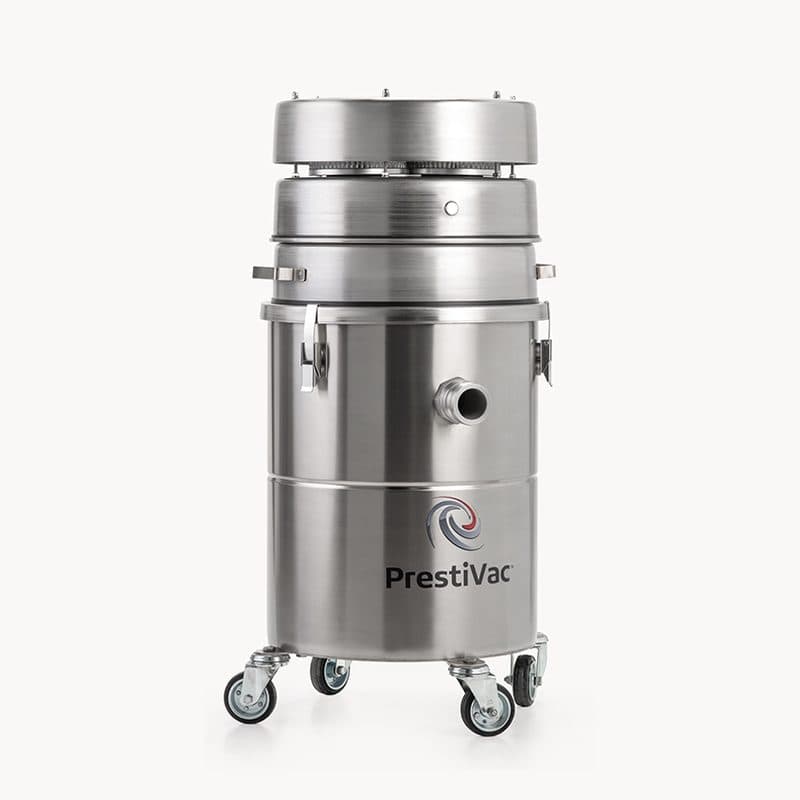
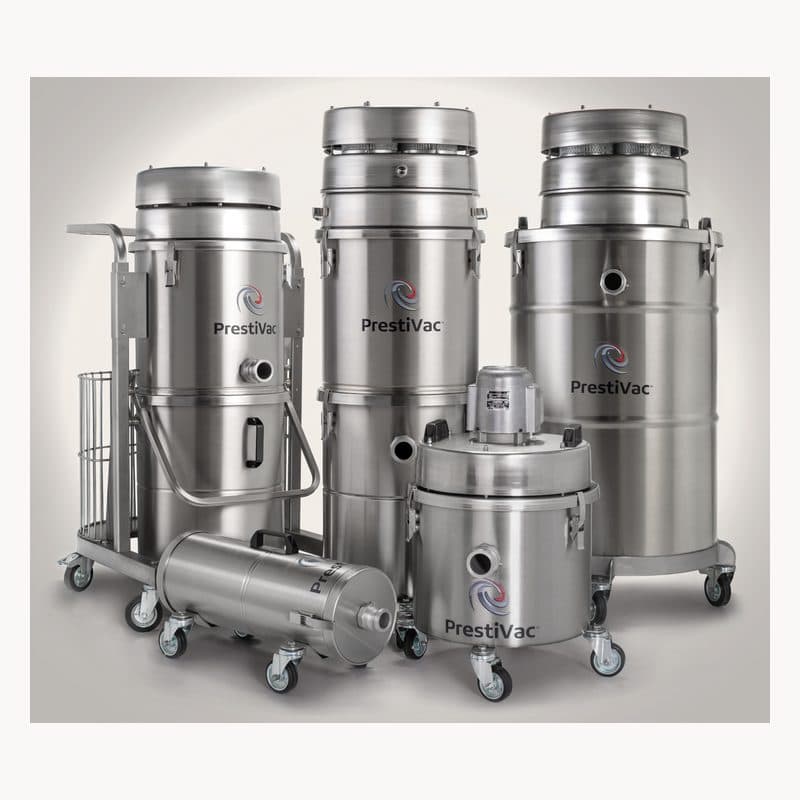
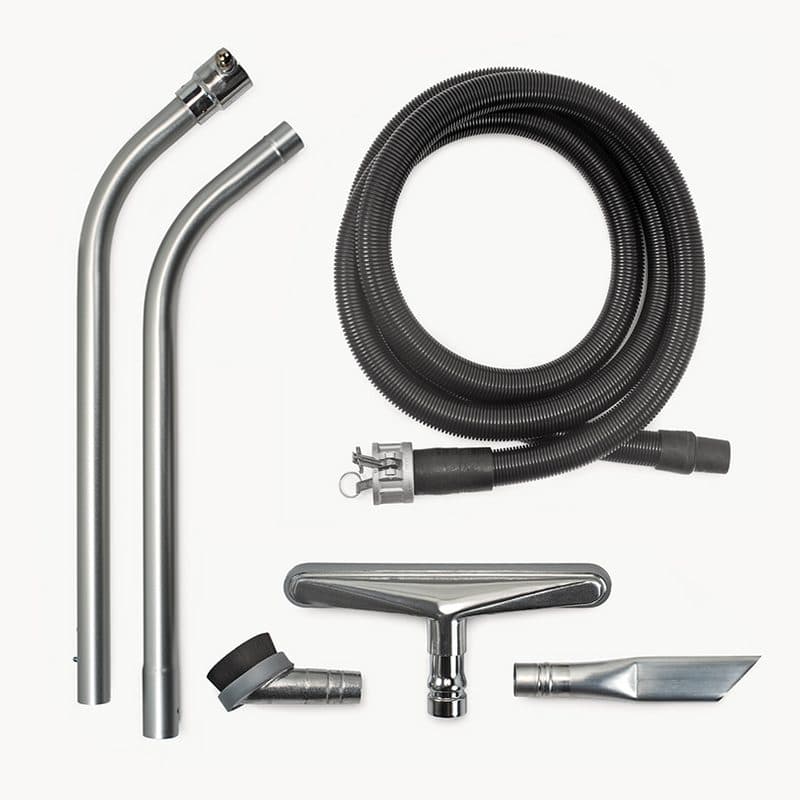
- Grounded, air-operated explosion-proof vacuums with immersion separation were specified for line-side housekeeping, isolating collected fines in a liquid bath the moment they enter the system.
- Ignition-source-free recovery path from hose tip to collection
- Housekeeping aligned with the plant's NFPA 484 obligations
- Scheduled cleaning absorbed into shift routines instead of shutdowns
Explosion Proof VacuumsPneumatic VacuumsCustom Engineered Systems
Read the full case study