
Magnesium Dust Vacuum Solutions
Built for the most ignition-sensitive of the common structural metals — where even the collected material keeps making demands: wetting controls ignition, hydrogen evolution demands venting, and nothing about magnesium tolerates improvisation.
Explosion-Safe Design
Engineered to NFPA 484 / 660 practice
Vented Wet Collection
Ignition controlled; hydrogen managed
Static Control
Grounded & bonded construction
Built for Industry
Die casting to finish machining
Overview
Magnesium sits at the sharp end of the combustible-metals family. It is among the most ignitable of the common structural metals — machining magnesium dry carries a documented chip-fire risk, and its fine fractions ignite with very little energy. Burning magnesium is a Class D fire in the fullest sense: water reacts with it, and it can sustain combustion even in carbon dioxide, which removes two reflexive responses from the table and makes prevention the entire strategy.
Collection adds a wrinkle unique among the metals in this library: wetting is how ignition is controlled — wet-type collection is the established practice for magnesium fines under NFPA 484 — but wet magnesium evolves hydrogen. The engineered answer holds both facts at once: fines are wetted on entry to prevent a dry, ignitable accumulation, and everything downstream is vented, promptly handled and never sealed airtight. Dedicated, grounded, air-operated equipment closes the ignition side of the specification.
Material type
Combustible, highly reactive metal dust
Fire class
Class D — water and even CO2 can intensify or sustain burning magnesium
Wet-handling caution
Wet magnesium fines evolve hydrogen — vented containers, never airtight
Governing standards
NFPA 484, consolidated into NFPA 660
Industries & applications
Explosion & fire risks
- Among the most ignitable structural metals — fine fractions ignite with very little energy, and dry machining carries documented chip-fire risk
- Class D fire behavior: water reacts with burning magnesium, and combustion can be sustained even in CO2
- Wet magnesium fines and swarf evolve hydrogen — sealed, unvented storage turns collected material into a new hazard
- Settled fines on equipment and structure fuel secondary explosions — the mechanism the housekeeping standards target
- Mixing magnesium fines with iron oxides can create thermite-sensitive mixtures — dedicated collection avoids it
Engineered recovery
- Air-operated explosion-proof vacuums — no electrical components anywhere on the unit
- Wet collection with hydrogen venting: fines wetted on entry, containers vented and promptly handled
- Grounded, bonded conductive path from nozzle to chassis, verified — not assumed
- Anti-static hoses with non-sparking stainless tools at the pickup point
- Magnesium-dedicated equipment — no shared units across metal families
Recommended products
View all products →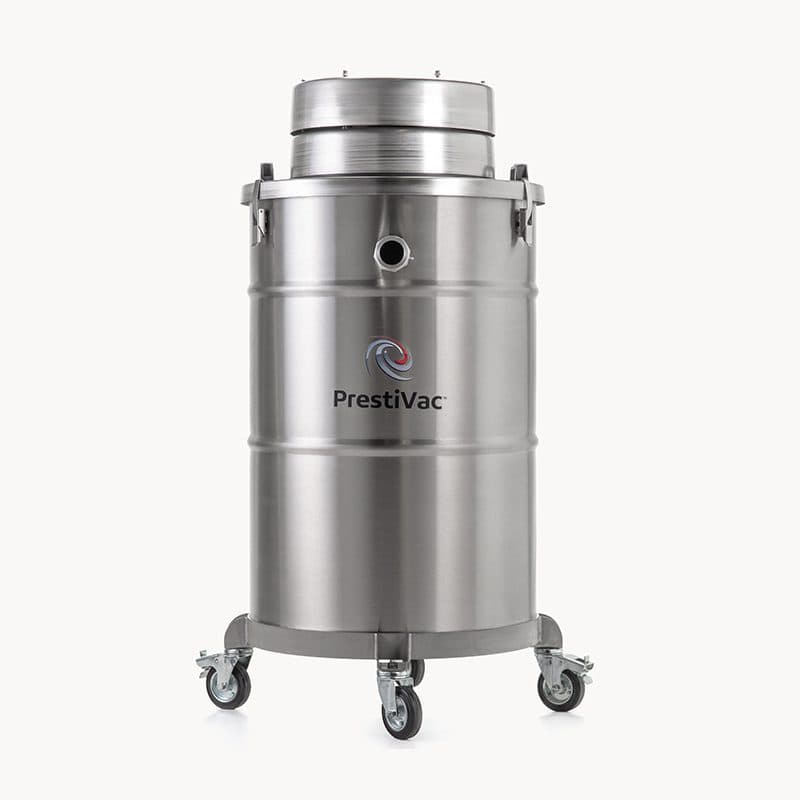
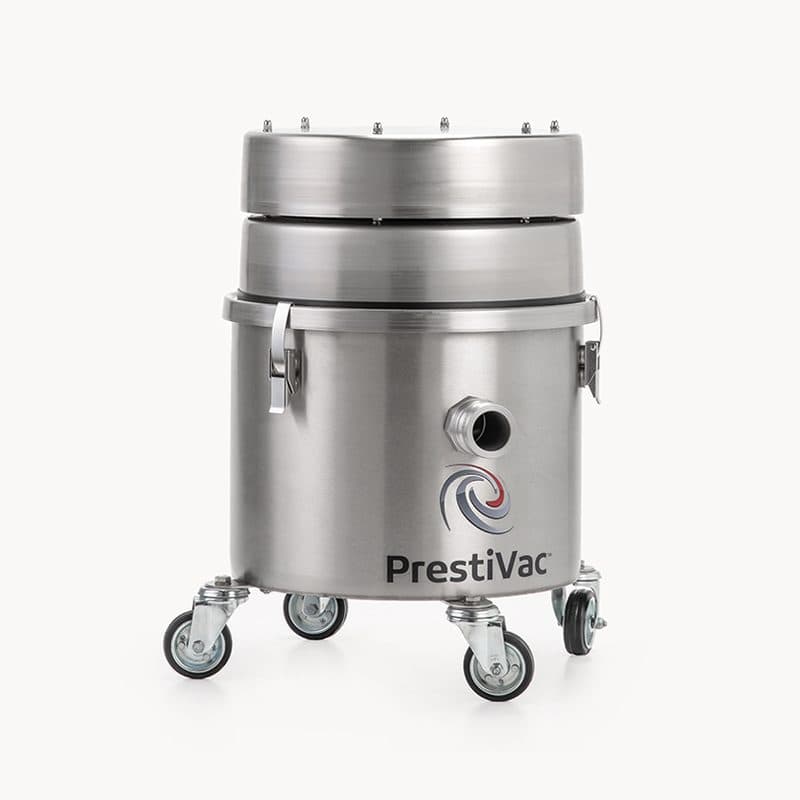
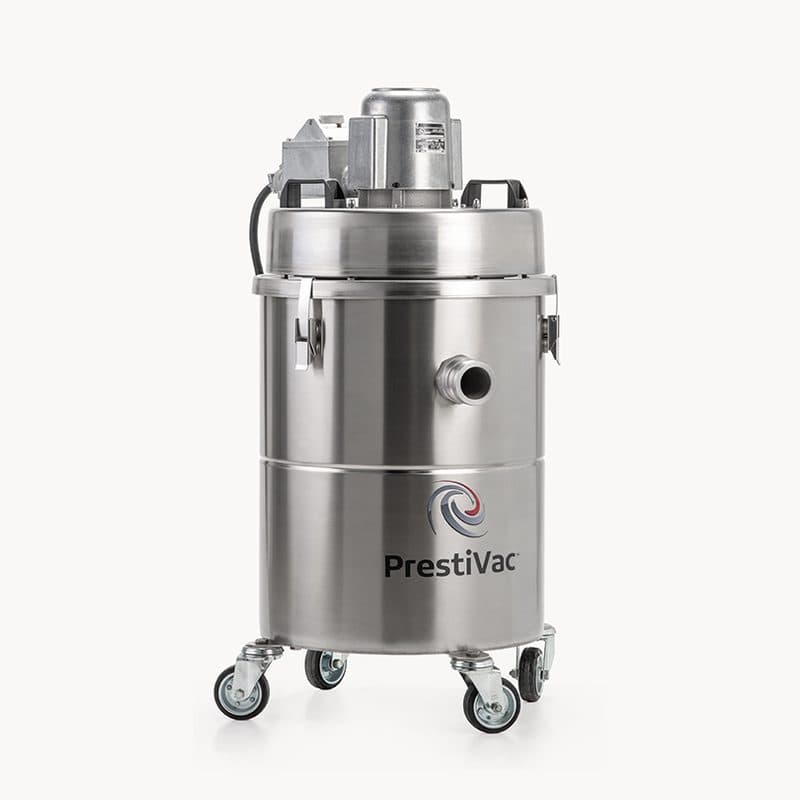
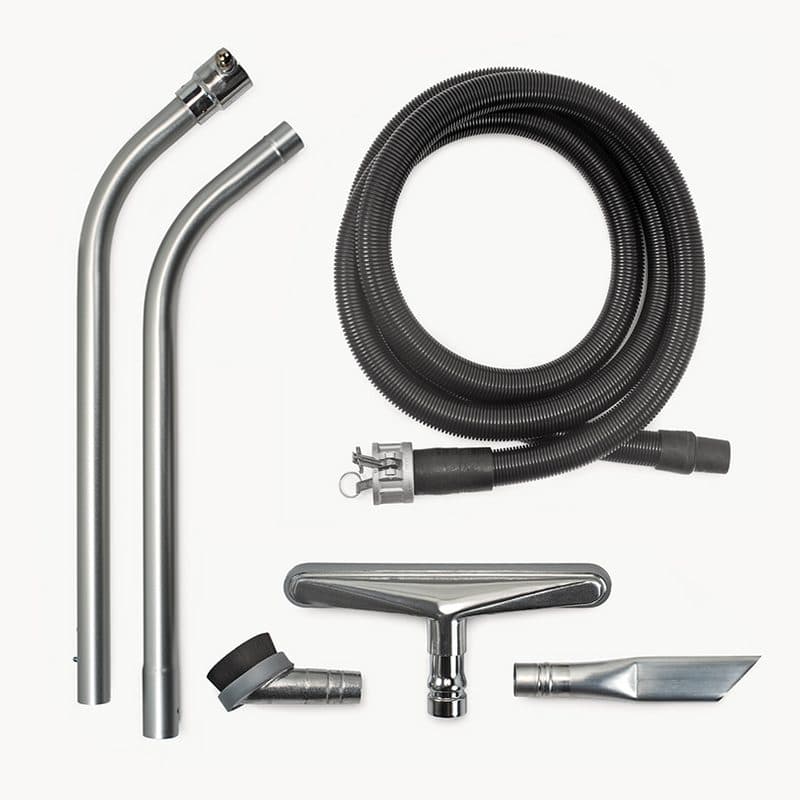
Typical system configuration
- 01
Collection tool
Grounded wand or nozzle at the source
- 02
Anti-static hose
Conductive path, bonded end to end
- 03
Air-operated EX unit
Zero electrical components near the material
- 04
Vented wet separation
Fines wetted on entry; hydrogen vented, never trapped
- 05
Vented transfer container
Prompt, wetted handling to disposition — never airtight
Best practices
- Verify grounding and bonding before every use — continuity, not assumption
- Never sweep, blow down or dry-brush magnesium fines: vacuum capture only
- Vent everything wet: containers, separators and sludge handling — hydrogen must never accumulate
- Handle collected sludge promptly on a defined schedule; no standing wet accumulations
- Keep Class D agents where magnesium is worked — and design the program so they're never needed
Representative case study
Controlling Magnesium Fines in an Automotive
How a representative die casting and machining operation handles the most ignition-sensitive of the structural metals — where wetting controls ignition, hydrogen evolution demands venting, and nothing tolerates improvisation.
Read full case studyMagnesium Dust FAQ
Is magnesium flammable?
Yes — notably so. Magnesium is among the most readily ignitable structural metals, and its fines and powder burn at extreme temperature once lit. Water is actively dangerous on burning magnesium because it liberates hydrogen. Prevention is the whole strategy: no accumulation, no ignition sources, Class D methods, and recovery equipment that cannot spark.
Is magnesium dust more dangerous than aluminum dust?
It is generally more ignition-sensitive — magnesium is among the most ignitable structural metals, with documented chip-fire risk even in machining. Both are severe combustible metal dusts under NFPA 484/660; magnesium simply leaves less margin for improvisation.
Why can't water or CO2 be used on burning magnesium?
Burning magnesium reacts with water and can sustain combustion even in carbon dioxide — both can intensify a Class D metal fire. That's why the engineering posture is prevention: no dry accumulation, no ignition source, wetted collection with the hydrogen consequence managed by venting.
If wetting magnesium makes hydrogen, why is wet collection the practice?
Because the alternative — dry, ignitable fines inside a collection vessel — is worse, and the hydrogen consequence is manageable by design: wet-type collection under NFPA 484 practice pairs wetting-on-entry with vented containers and prompt sludge handling. The rule is simple: wet magnesium is never sealed airtight.
What about magnesium machining chips and swarf?
Magnesium is the metal where coarser fractions still demand respect — chip fires during dry machining are a documented hazard, and wet swarf evolves hydrogen in storage. Vented, dedicated handling applies to the swarf stream as much as the fines.
Talk to the manufacturer
Get the right explosion proof vacuum for your application.
Tell us what you need to vacuum and where. Our technical team will recommend the PrestiVac model best suited to your material, your classification and how hard you will work it — and because we build every unit ourselves, we can modify it to fit.
- Legally certified explosion proof
- Solid stainless steel construction
- Industry-best 3-year warranty
- Designed & manufactured in the USA
- 200+ vacuum versions