
Lithium Dust Vacuum Solutions
The water-reactive combustible metal at the heart of the battery boom — lithium metal reacts violently with water, and even with the moisture in ordinary air, releasing hydrogen and heat. It burns intensely, water makes a lithium metal fire worse rather than better, and fine lithium can be pyrophoric. Recovery is dry, grounded and sealed, in the low-humidity conditions battery manufacturing already runs.
Reactive Metal
Burns intensely; Class D, never water
Water Is Dangerous
Reacts with water and air moisture
HEPA & Sealed
Fine reactive fines contained
Built for Batteries
Anodes, cathodes & dry rooms
Overview
Lithium sits at the most reactive end of the combustible-metal family, and its defining property is hostility to water. Lithium metal reacts with liquid water and even with the humidity in ordinary air, generating flammable hydrogen and heat; in fine form it can be pyrophoric, igniting on air contact. A lithium metal fire is a Class D metal fire, where water and ordinary extinguishers accelerate rather than suppress it. This is why lithium metal battery work is done in dry rooms — low-humidity environments that keep the metal from reacting with atmospheric moisture — and why the recovery approach is dry, grounded and sealed from end to end, never wet.
It is worth separating lithium metal from lithium compounds. Lithium metal and lithium-metal anodes are the highly reactive form described above. The lithium-bearing cathode powders that dominate battery manufacturing — the mixed oxides used in common cell chemistries — are far less reactive than the metal, but they are fine, valuable and handled carefully as combustible or exposure-relevant powders in their own right, and battery recycling streams can contain reactive lithium along with everything else. Across all of it the discipline is consistent: dry, grounded, HEPA-retained and sealed recovery, dedicated to the material, with water kept away from anything containing lithium metal.
The reactivity
Lithium metal reacts violently with water — and with air moisture — releasing flammable hydrogen and heat
Combustibility
A reactive combustible metal; fine lithium can be pyrophoric and burns intensely
Fire class
A Class D metal fire — water and standard extinguishers make it worse, not better
Handling condition
Kept dry and often handled in low-humidity dry rooms; collected material sealed
Industries & applications
Hazards & handling risks
- Applying water to lithium metal — it reacts violently, releasing hydrogen and heat
- Air moisture alone reacting with reactive lithium — hence dry-room handling
- Fine lithium behaving pyrophorically, igniting on contact with air
- Treating a lithium fire as an ordinary fire — it is Class D and water makes it worse
- Battery-recycling streams carrying reactive lithium mixed with other materials
Engineered recovery
- Dry recovery only — never water, and never a wet method, on anything with lithium metal
- Handling in the low-humidity dry-room conditions battery work already provides
- Grounded, bonded, rated recovery matched to the reactive metal
- HEPA-retained, sealed collection; dedicated to the material
- Class D fire provisions in place; standard extinguishers kept away
Recommended products
View all products →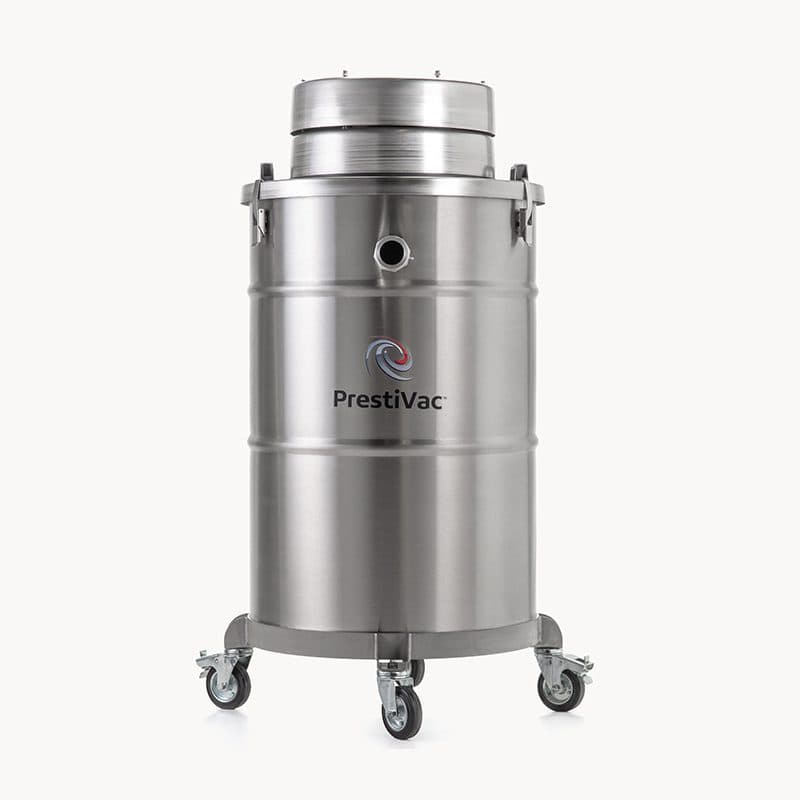
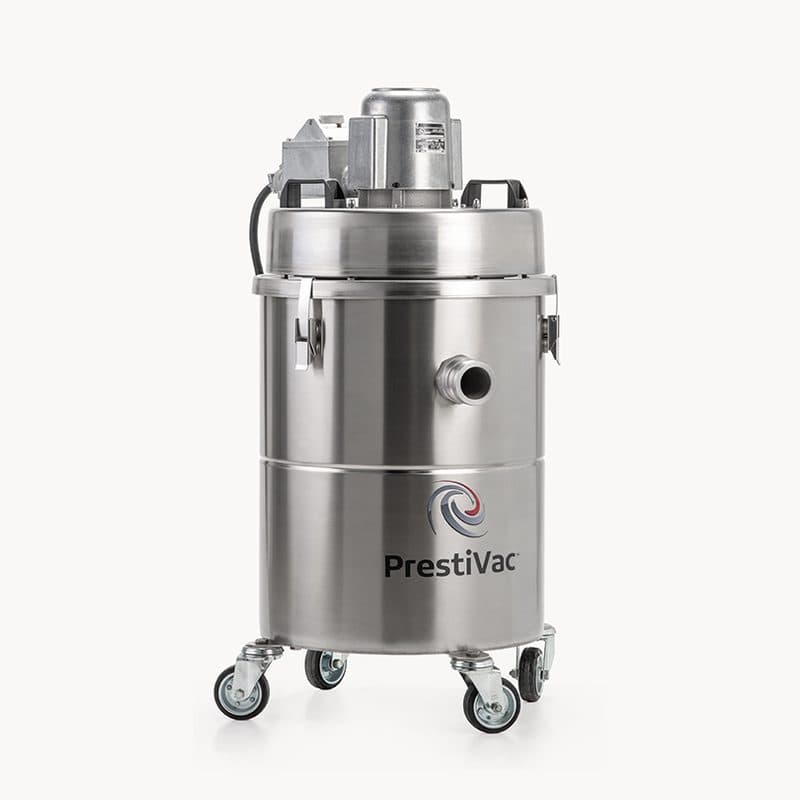
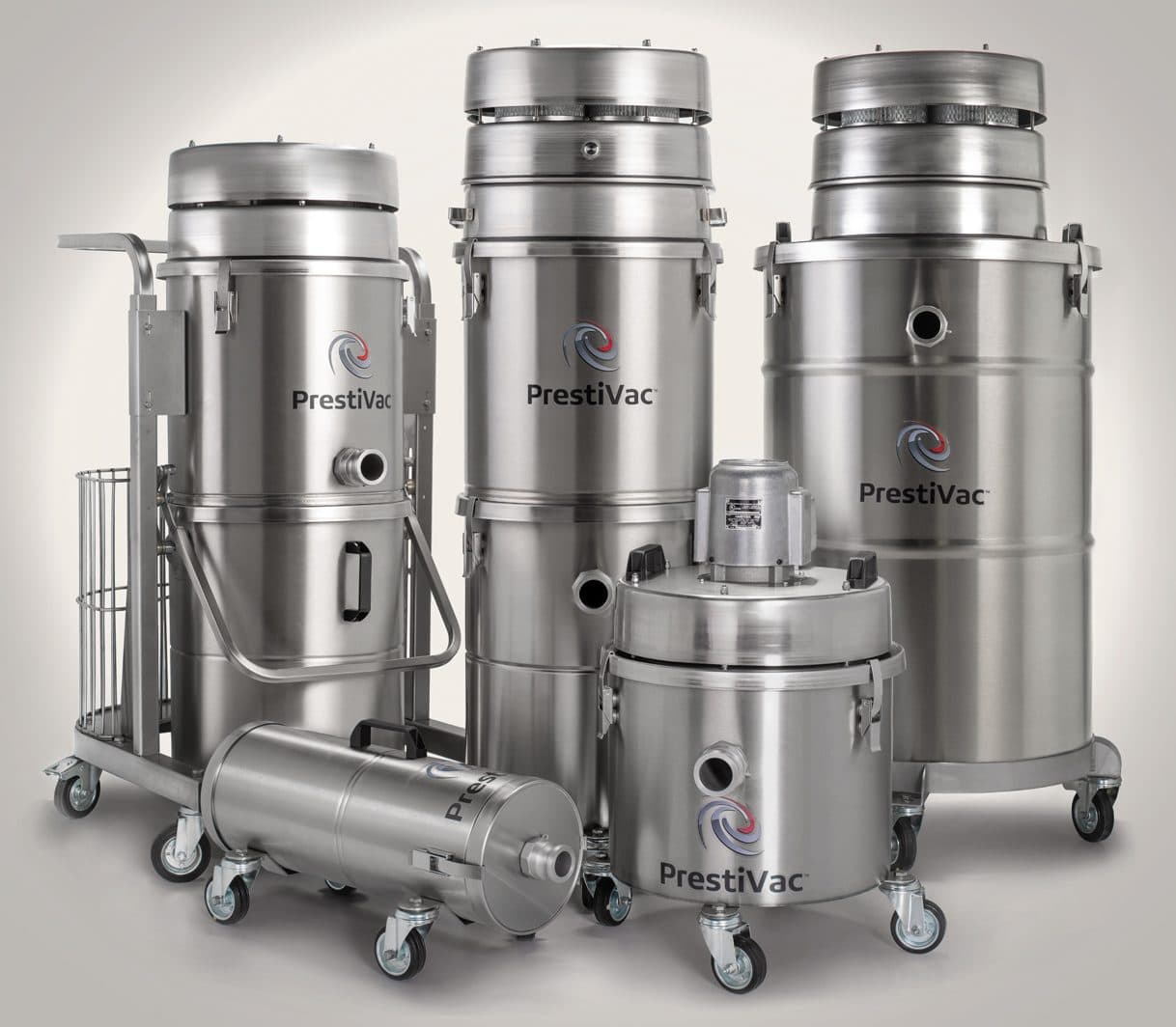
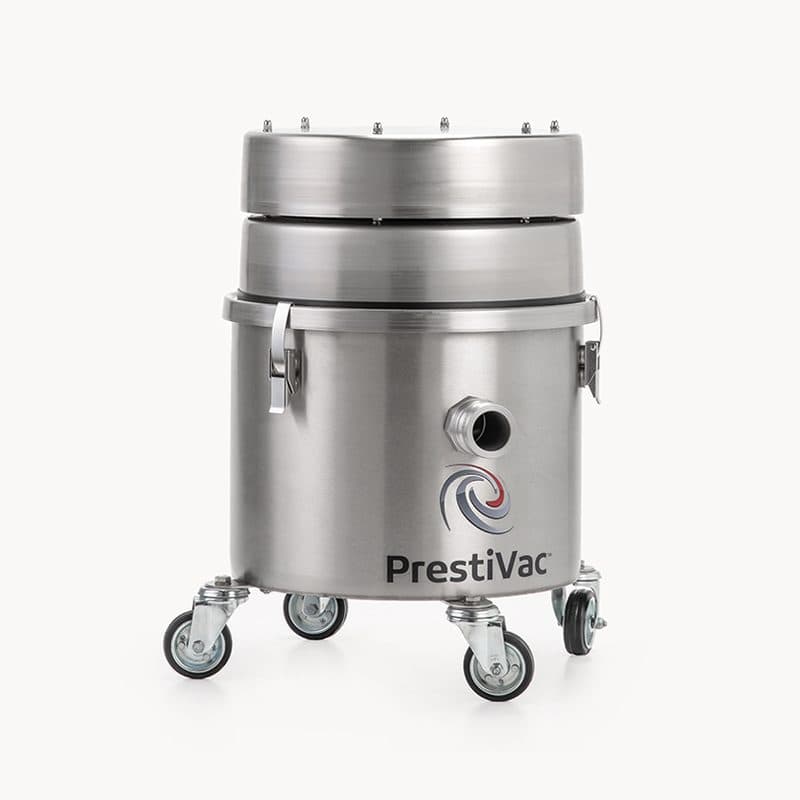
Typical system configuration
- 01
Collection tool
Floor and crevice tools for lithium fines, anode material and powder
- 02
Static-dissipative hose
Bonded, conductive path end to end
- 03
Recovery unit matched to the metal
Rated for the reactive combustible metal; dry operation
- 04
Sealed, dry collection
Contained and moisture-excluded — no water anywhere in the path
- 05
Class D provisions
Metal-fire measures in place; water and standard extinguishers away
Best practices
- Never apply water — or any wet method — to lithium metal or lithium-metal fines
- Keep collected lithium dry and sealed; exclude moisture from the whole path
- Handle in dry-room conditions where the process provides them
- Ground and bond everything — treat lithium as the reactive combustible metal it is
- Separate lithium metal (highly reactive) from cathode powders in your handling plan
Lithium Dust FAQ
Why is water so dangerous with lithium?
Lithium metal reacts with water — and even with the moisture in air — to release flammable hydrogen and heat, and a lithium metal fire is a Class D fire that water accelerates rather than suppresses. So recovery is strictly dry, wet methods are off the table for anything containing lithium metal, and reactive lithium is handled in low-humidity dry rooms.
Is lithium dust pyrophoric?
Fine lithium metal can be, meaning it can ignite on contact with air. That, plus its reaction with atmospheric moisture, is why lithium metal work is done in controlled dry-room conditions and why recovery is grounded, dry and sealed, treating lithium as one of the more hazardous reactive metals.
Are battery cathode powders the same hazard as lithium metal?
No. Lithium metal and lithium-metal anodes are the highly water-reactive form. The lithium-bearing cathode powders used in most cell chemistries are much less reactive, though still fine, valuable and handled carefully as combustible or exposure-relevant powders. Your handling plan should distinguish the two, since the metal demands the strictest dry, Class D discipline.
What about battery recycling?
Recycling streams can contain reactive lithium mixed with everything else in a spent cell, which is part of what makes battery recycling hazardous. It is handled dry, grounded, HEPA-retained and sealed, with the recycling deep dive covering the broader uncharacterized-stream problem that surrounds it.
Talk to the manufacturer
Get the right explosion proof vacuum for your application.
Tell us what you need to vacuum and where. Our technical team will recommend the PrestiVac model best suited to your material, your classification and how hard you will work it — and because we build every unit ourselves, we can modify it to fit.
- Legally certified explosion proof
- Solid stainless steel construction
- Industry-best 3-year warranty
- Designed & manufactured in the USA
- 200+ vacuum versions