
Vacuum solutions engineered for chemical processing
Chemical dusts rarely carry one hazard at a time — the same powder can be combustible, toxic and reactive, and it's often handled where solvent vapors share the air. The SDS and the Dust Hazard Analysis decide together, and the recovery equipment has to satisfy the area classification before it satisfies anything else.
Explosion-Safe Design
Engineered to NFPA 660 practice
HEPA Filtration
Exposure control as much as fire control
Static Control
Grounded & bonded recovery
Built for Process Areas
Classified zones to warehouses
Explosion-Proof
Manufacturing specialists
1000+
Vacuums sold worldwide
USA
Designed & manufactured
Direct
Buy from the manufacturer
NFPA 660
ATEX / IECEx principles
Chemical Processing production process explorer
Every stage. Every challenge. The right vacuum solution.
Powder moves through a chemical plant in charges, transfers and packing runs — every open handling point below generates dust, and the enclosed ones add solvent vapor to the picture.
Stage 01 — Raw material receiving
Bag dumps, drum transfers and super-sack handling liberate powder at intake — capture at source with sealed disposal starts the program.
Key challenges
Three hazard axes in one powder
Combustible, toxic, reactive
The same intermediate can deflagrate, poison and react with water — the SDS and the DHA are read together before a recovery method is chosen.
Classified areas
Zone-rated spaces set the equipment specification — recovery units must match the area classification, with air-operated options removing the electrical question entirely.
Hybrid mixtures
Dust suspended in solvent vapor ignites more easily than either alone — housekeeping in solvent areas carries the process area's full discipline.
Milling makes it worse on purpose
Micronizing exists to make particles smaller — the finest, most ignition-sensitive fraction on site is the product itself.
Exposure limits bind first
For potent compounds the occupational exposure limit governs before combustibility does — HEPA retention and sealed handling serve both.
Wash-down isn't universal
Water-reactive materials rule out the hose — dry vacuum recovery per the SDS is the method that works for the whole catalog.
Dust & materials knowledge center
Understand the dusts. Match the recovery.
Combustibility and severity are material- and particle-size-specific — testing and your Dust Hazard Analysis govern. Full directory: chemical dusts.
Applications in chemical processing
- Chemical manufacturing
- Powder mixing
- Pigment production
- Resin production
- Plastic compounding
- Solvent recovery
- Catalyst production
- Fertilizer production
- Polymer production
- View all
Built for performance. Built for compliance.
View all products →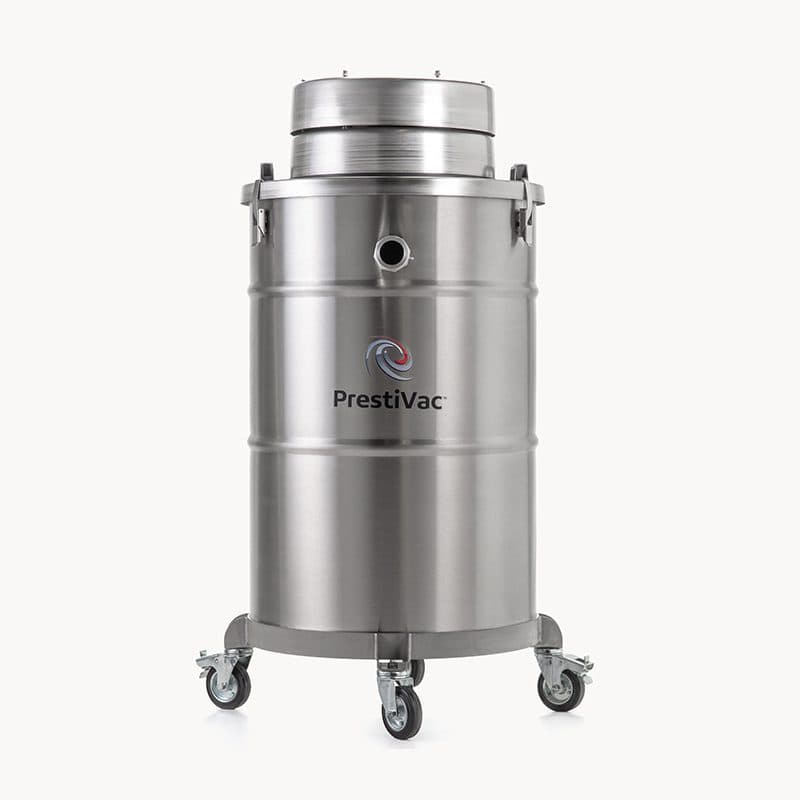
Explosion Proof Vacuums
Grounded, bonded recovery for combustible dust
Learn more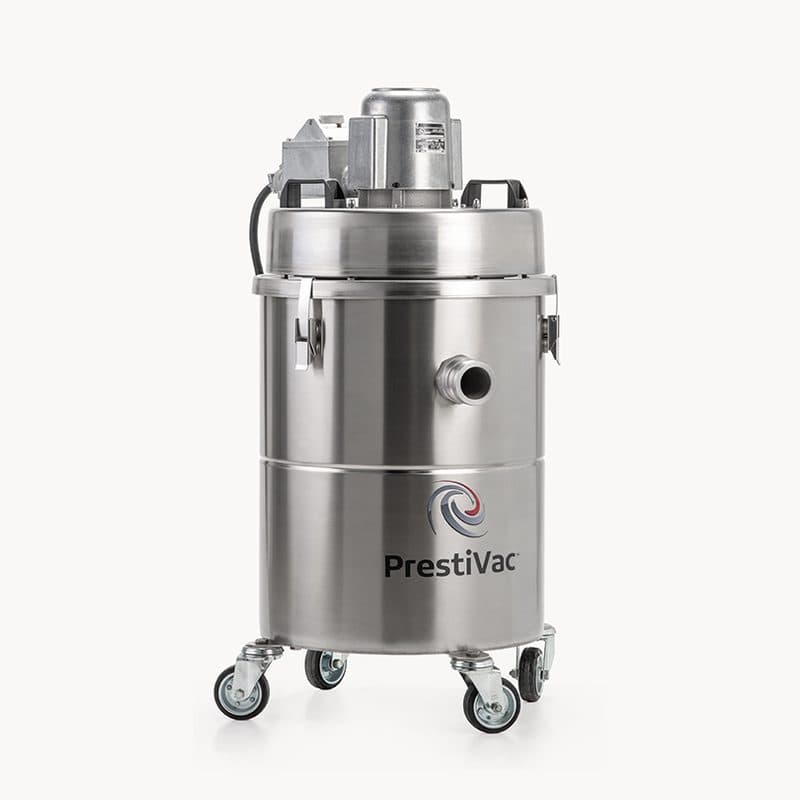
HEPA Vacuums
99.99% filtration for fine and hazardous dust
Learn more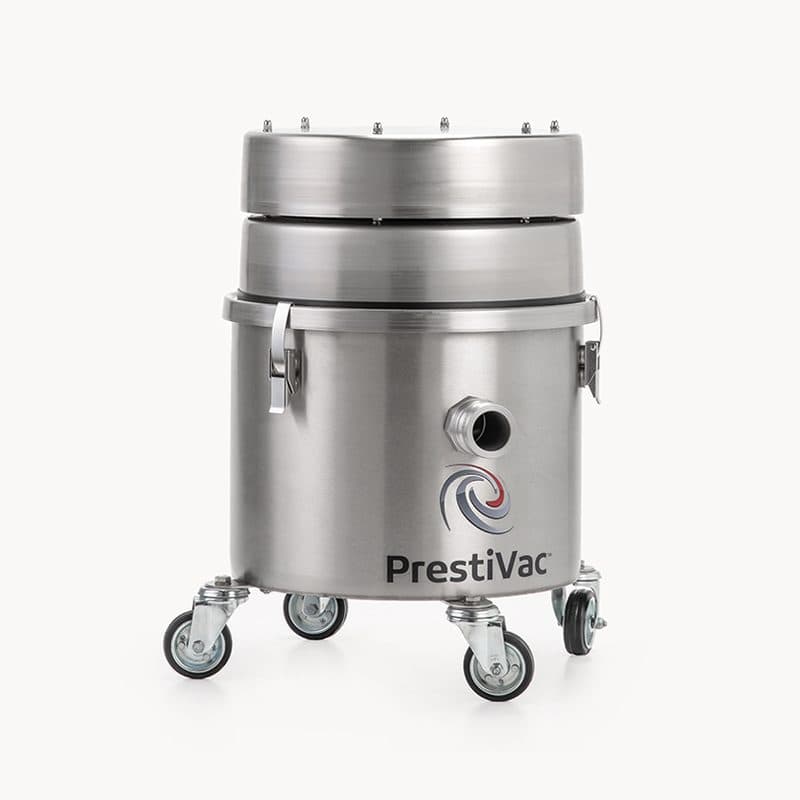
Pneumatic Vacuums
Air-operated — no electrical components
Learn more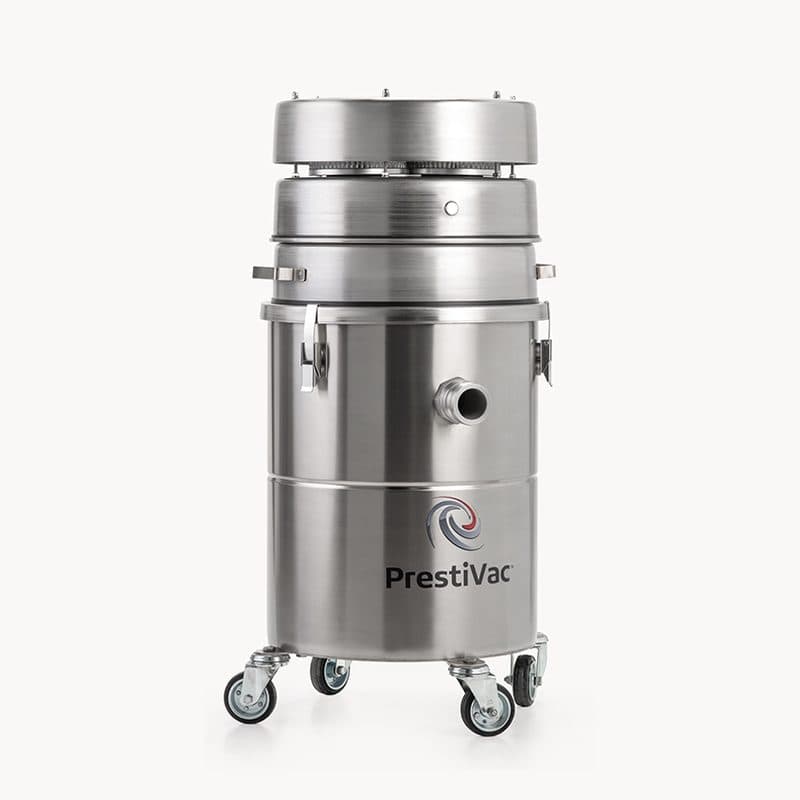
Central Vacuum Systems
Facility-wide housekeeping from fixed drops
Learn more
Representative case study
Controlling Sulfur Dust in a Specialty Chemical
How a representative chemical compounder runs housekeeping around the most ignition-sensitive common industrial dust — grounding verified before anything else moves, air-operated recovery with zero electrical components, and a disposal path that respects what burning sulfur becomes.
Read the full case studyTalk to the manufacturer
Get the right explosion proof vacuum for your application.
Tell us what you need to vacuum and where. Our technical team will recommend the PrestiVac model best suited to your material, your classification and how hard you will work it — and because we build every unit ourselves, we can modify it to fit.
- Legally certified explosion proof
- Solid stainless steel construction
- Industry-best 3-year warranty
- Designed & manufactured in the USA
- 200+ vacuum versions