
Vacuum solutions engineered for metalworking & machining
A machine shop's hazard profile changes with its order book — aluminum this week, titanium the next, cast iron in between. Chips, fines and coolant arrive together at every spindle, and the recovery program has to be specified for the most demanding material that ever crosses the floor.
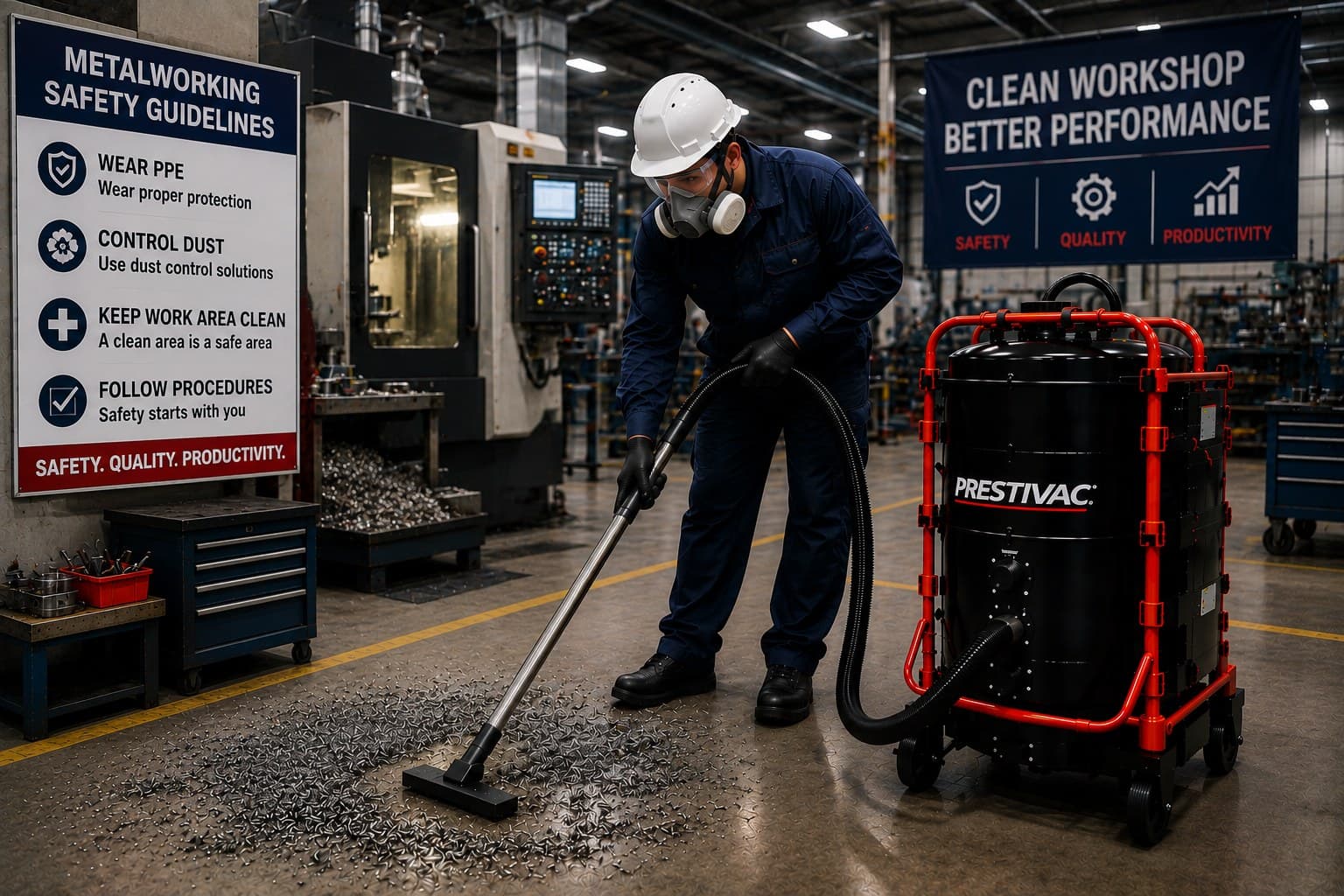
Explosion-Safe Design
Engineered to NFPA 660 practice
Wet/Dry Recovery
Chips, fines and coolant in one pass
Static Control
Grounded & bonded recovery
Built for the Shop Floor
Job shop to production cell
Explosion-Proof
Manufacturing specialists
1000+
Vacuums sold worldwide
USA
Designed & manufactured
Direct
Buy from the manufacturer
NFPA 660
ATEX / IECEx principles
Metalworking & Machining production process explorer
Every stage. Every challenge. The right vacuum solution.
Every process on the floor makes its own mix of chips, fines and liquid — the stages below trace where each fraction is generated and what recovery it demands.
Stage 01 — Sawing & cutoff
Coarse chips and cutting fluid at the front of every job — routine recovery keeps the first operation from seeding the whole floor.
Key challenges
Specified for the worst material on the floor
The order book sets the hazard
Job shops don't control what alloy arrives next — recovery specified for reactive metals covers the week cast iron gives way to magnesium.
Reactive alloys in the mix
Aluminum, magnesium and titanium fines each carry their own rules — material-dedicated containers and wetted handling when they're on the schedule.
Coolant everywhere
Chips arrive wet — wet/dry recovery separates reclaimable coolant from solids at the machine instead of losing both to the floor.
Grinding makes the finest dust
The most ignition-sensitive fraction on site is generated inches from a shower of sparks — capture at source is the control.
The compressed-air habit
Blowing down machines turns settled fines into clouds — vacuum recovery is the method that doesn't create the hazard it's cleaning.
Hidden accumulation
Machine tops, ways covers, ledges and rafters collect fines out of sight — the DHA measures what the daily sweep never touches.
Dust & materials knowledge center
Understand the dusts. Match the recovery.
Combustibility and severity are material- and particle-size-specific — testing and your Dust Hazard Analysis govern. Full directory: metal dusts.
Applications in metalworking
- CNC machining
- CNC milling
- CNC turning
- CNC grinding
- Metal cutting
- Laser cutting
- Plasma cutting
- Waterjet cutting
- Deburring
- View all
Built for performance. Built for compliance.
View all products →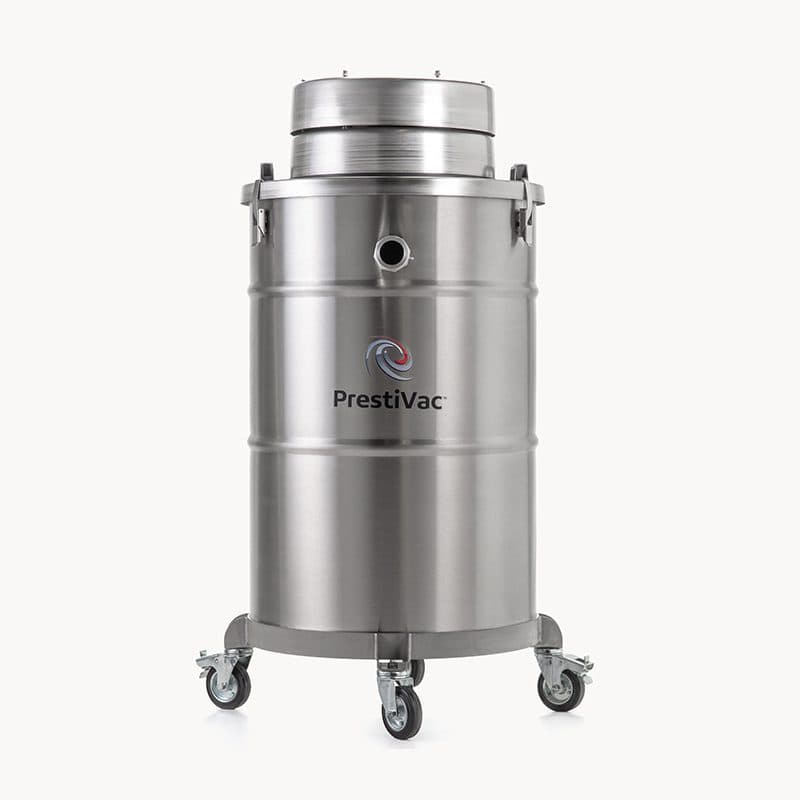
Explosion Proof Vacuums
Grounded, bonded recovery for combustible dust
Learn more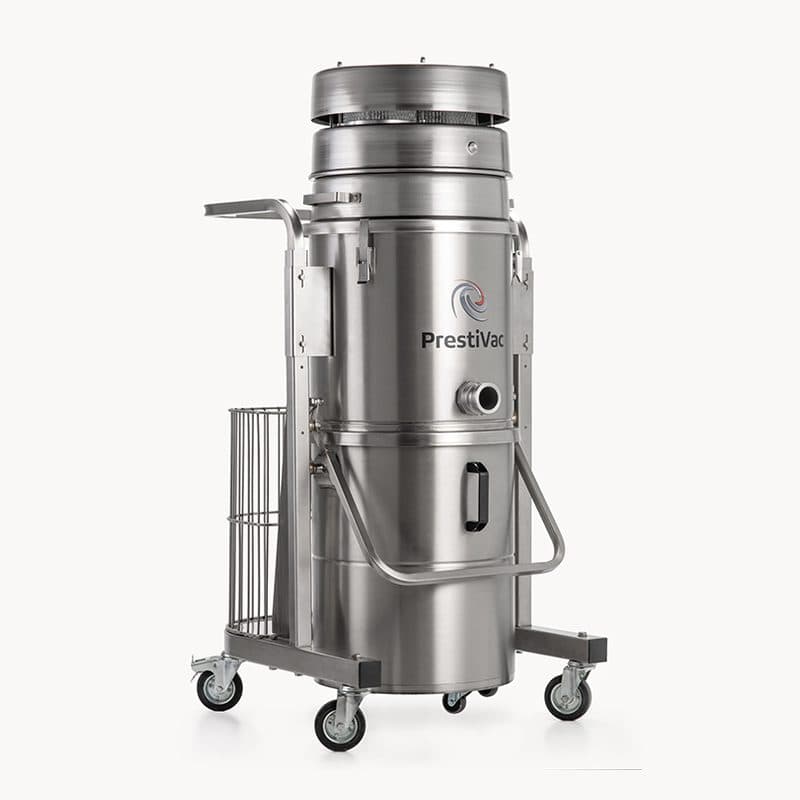
Wet & Dry Systems
Liquids, sludge and dust on one platform
Learn more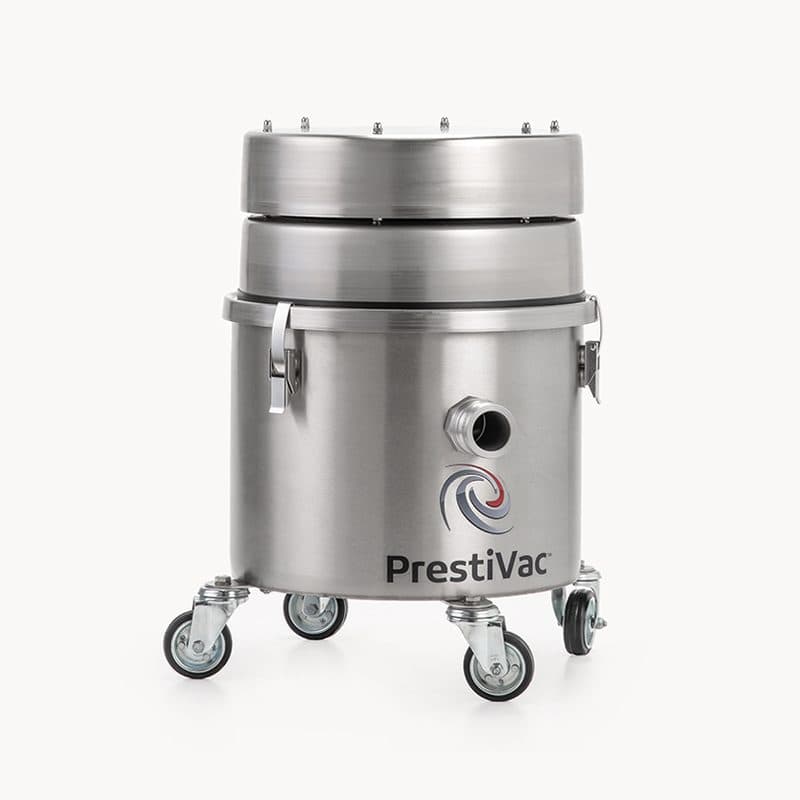
Pneumatic Vacuums
Air-operated — no electrical components
Learn more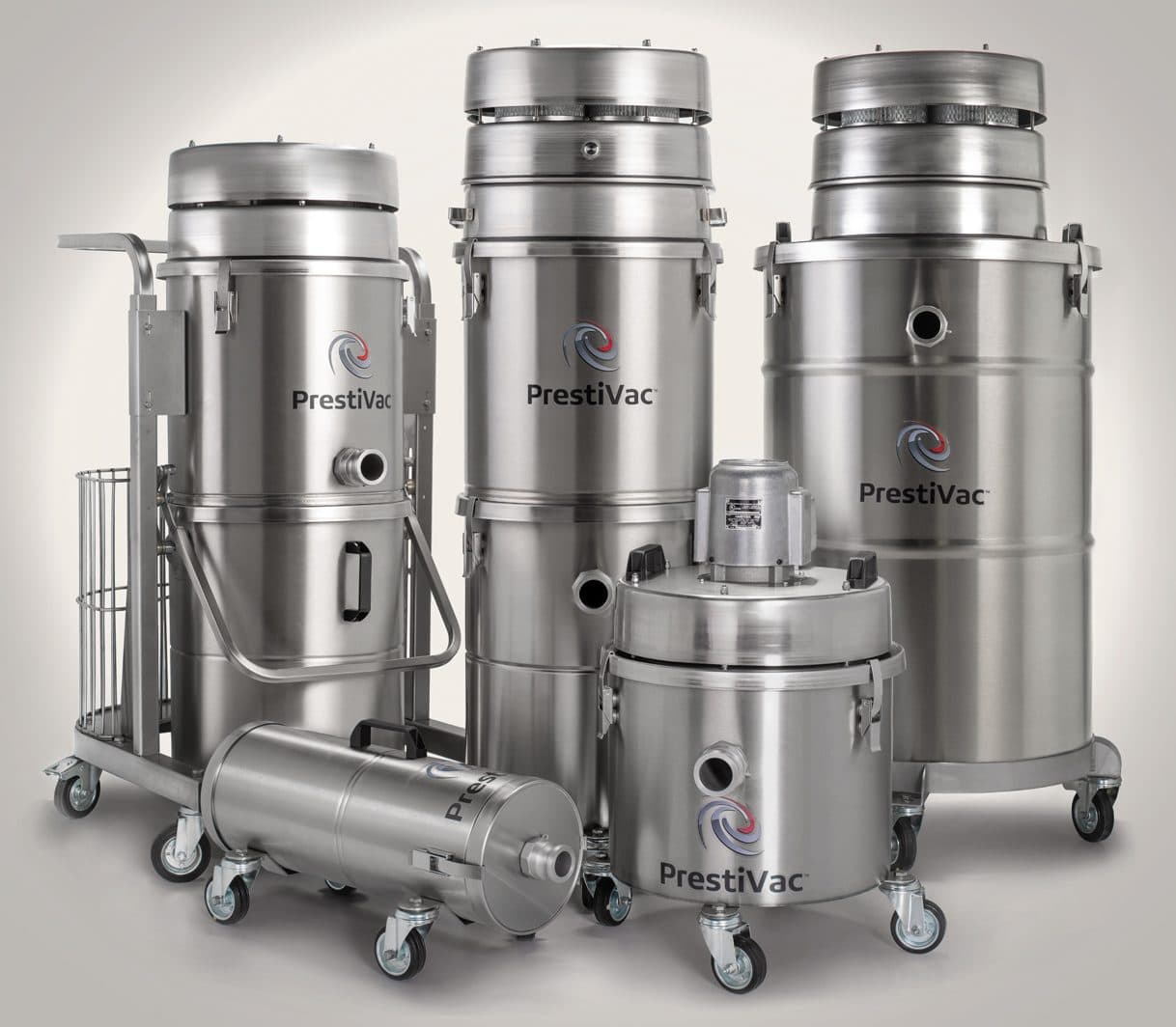
Industrial Vacuums
Continuous-duty recovery for demanding plants
Learn more
Representative case study
Reducing Aluminum Dust Hazards in an Automotive
How a representative North American automotive manufacturer brought combustible aluminum fines under control with grounded, air-operated explosion-proof vacuum recovery and immersion separation.
Read the full case studyTalk to the manufacturer
Get the right explosion proof vacuum for your application.
Tell us what you need to vacuum and where. Our technical team will recommend the PrestiVac model best suited to your material, your classification and how hard you will work it — and because we build every unit ourselves, we can modify it to fit.
- Legally certified explosion proof
- Solid stainless steel construction
- Industry-best 3-year warranty
- Designed & manufactured in the USA
- 200+ vacuum versions