
Grounded, bonded recovery for combustible dust
Explosion Proof Vacuums
Built for facilities where the dust itself is the hazard. Conductive stainless construction, grounded and bonded from hose tip to casters.
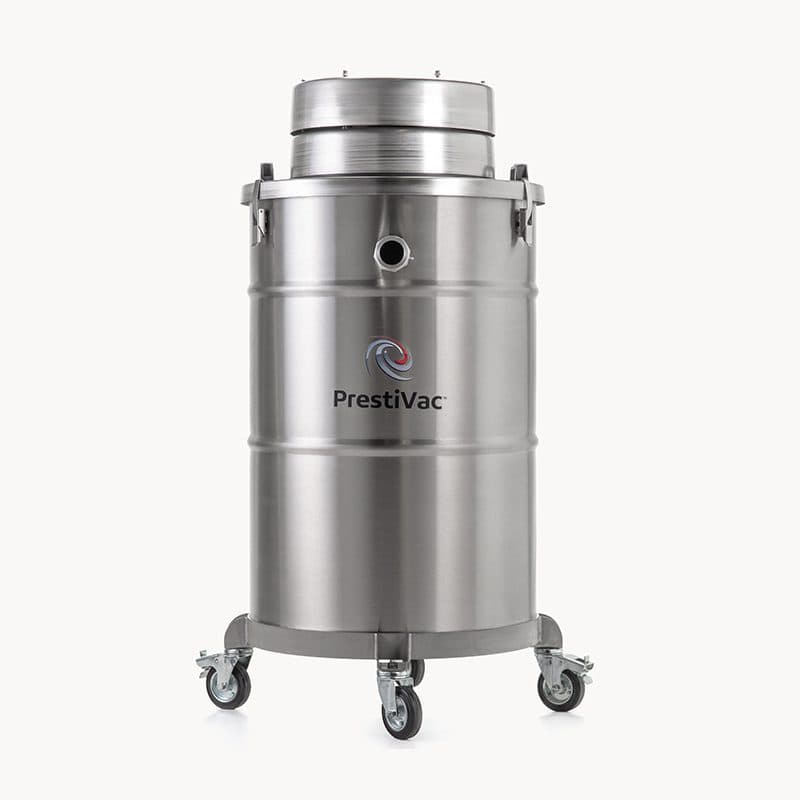
What defines this line
- Grounded & bonded conductive path throughout
- Anti-static hoses and accessories
- Immersion separation options for reactive metals
- Configurations for classified areas
Certification & documentation
Certified models are covered by CSA Certificate 70122393, assessed against UL 1203 (5th Edition). Scope differs by line: the EX1 HEPA line carries Class I, Gp. D; Class II, Gps. E, F and G; Temp. Code T3C. The EV EX HEPA line carries Class II, Div. 2, Gps. F and G only. Each model page states which scope applies to that unit.
Area classification is determined by your own engineering assessment. We match equipment to the classification you provide — see how Classes, Divisions and Groups work.
Models in this line
23 models — specifications in the datasheet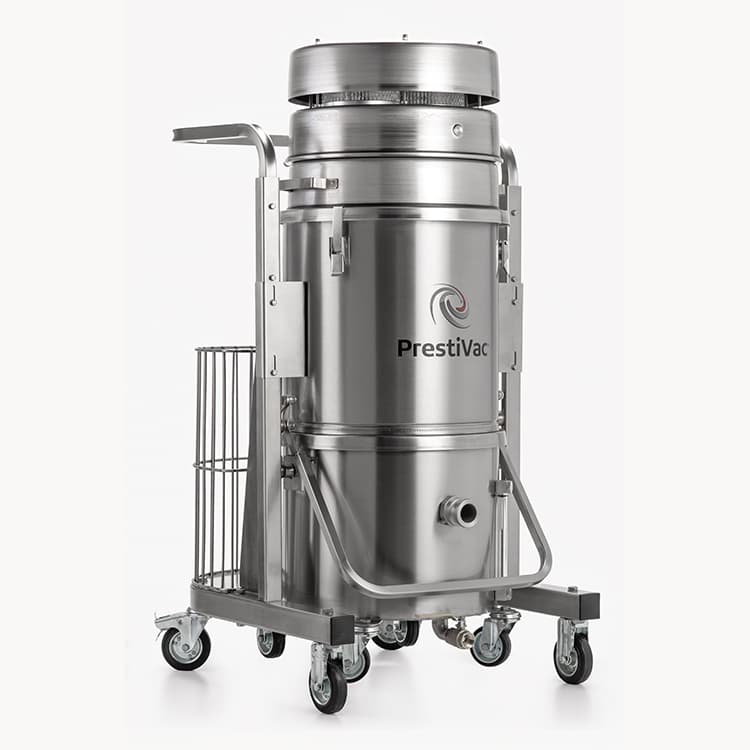 EVX-5 EX RCT IS HEPA
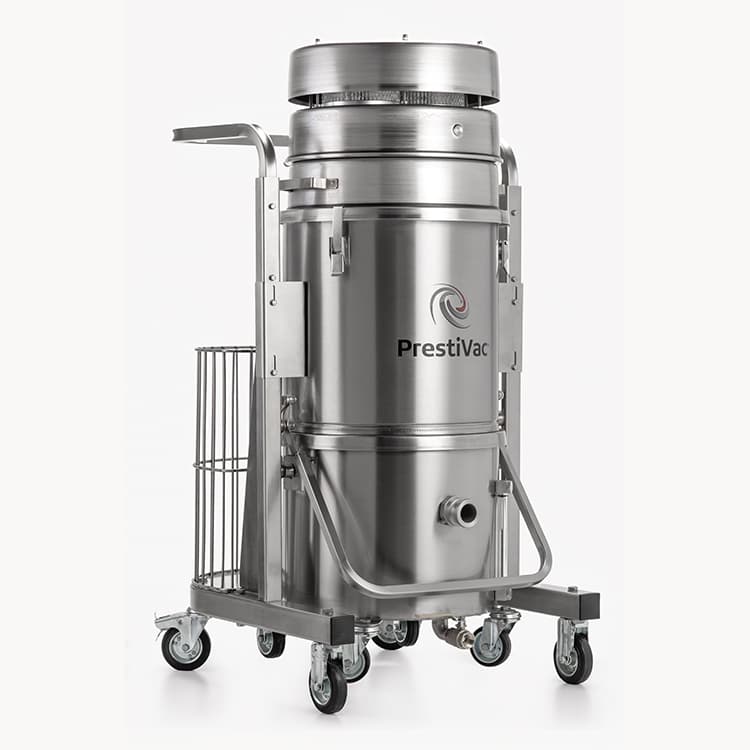 EVX-5 EX HEPA
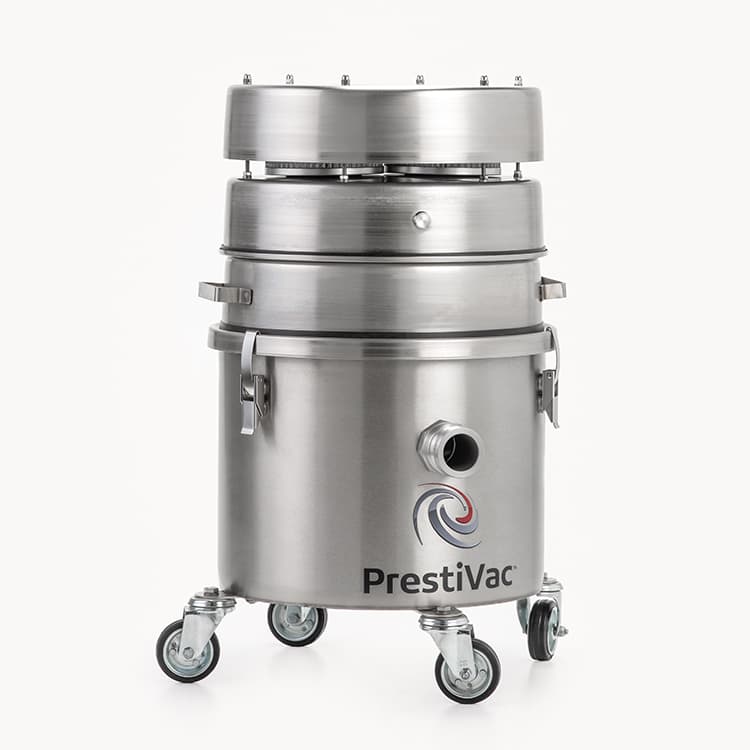 EVX-5-10 EX HEPA
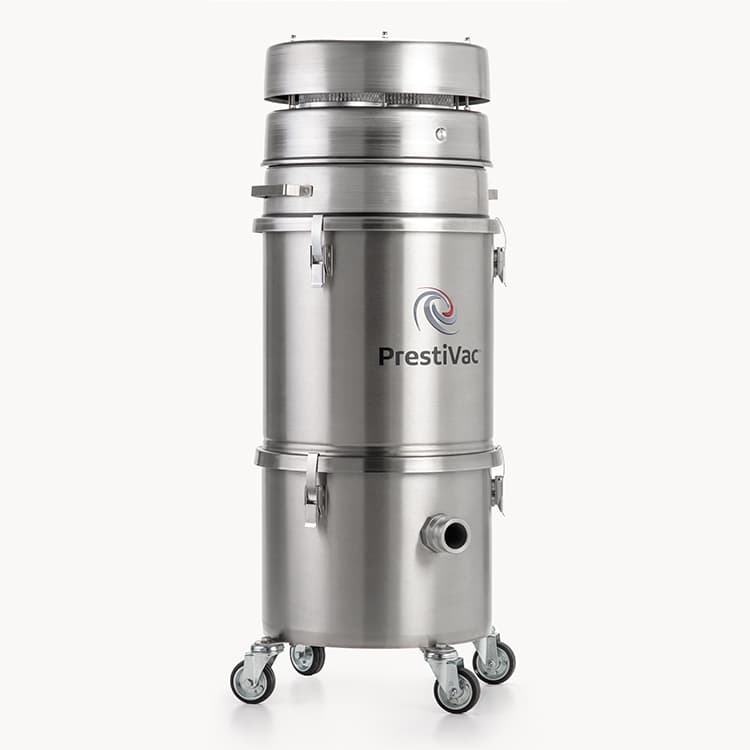 EVX-5-10 EX MR HEPA
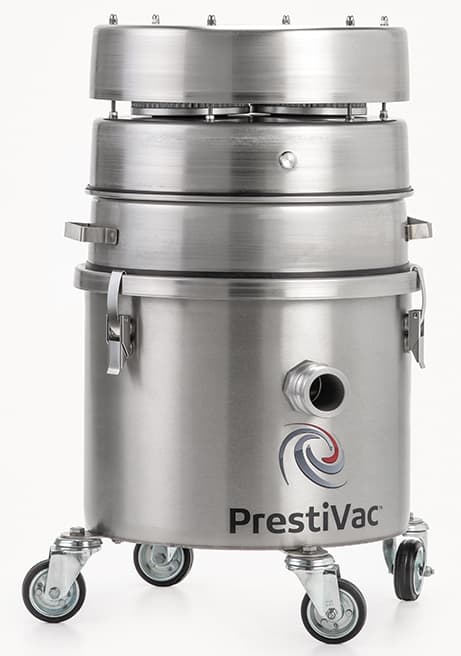 EVX-10 EX HEPA
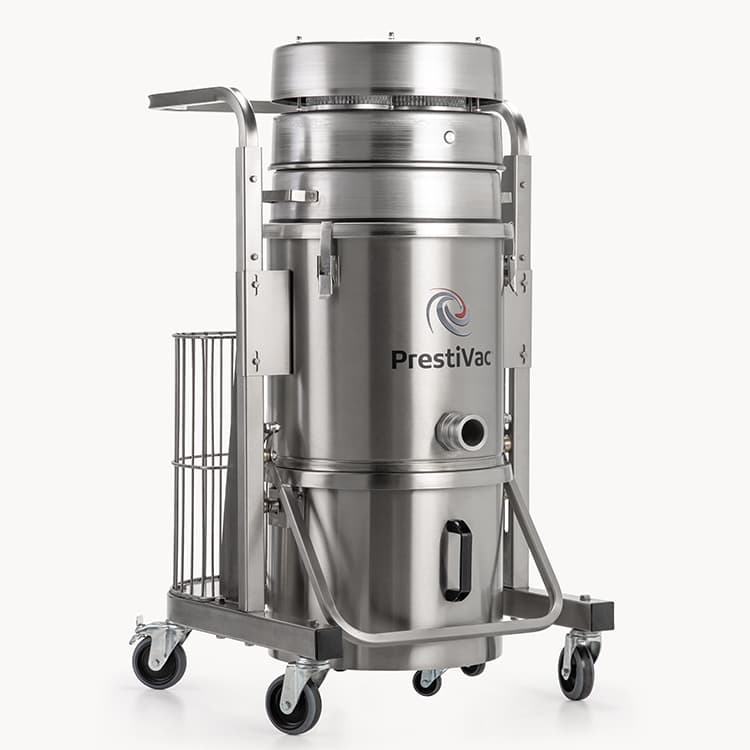 EVX-10 EX RCT HEPA
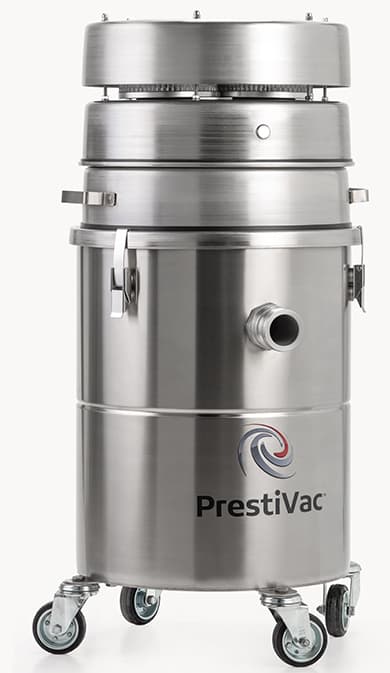 EVX-15 EX
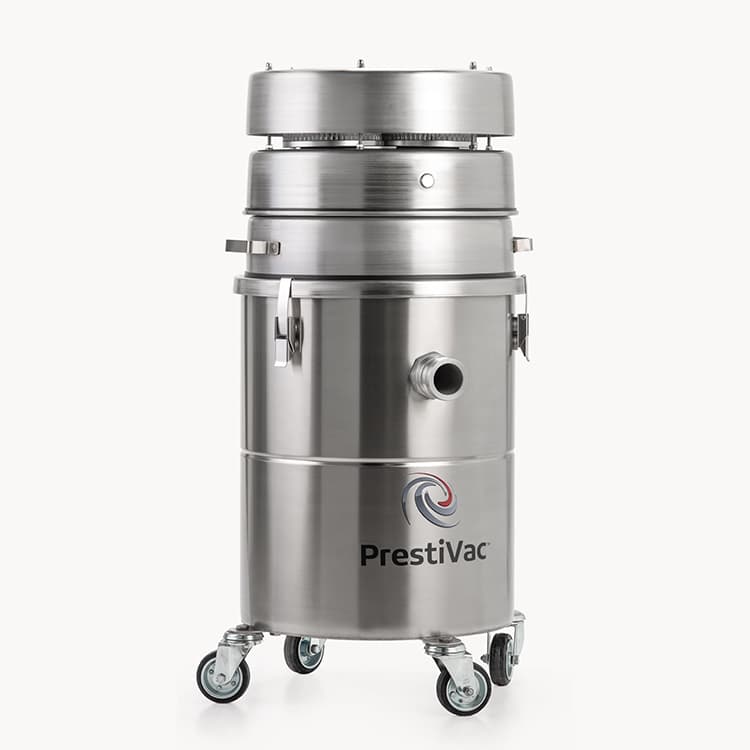 EVX-15 EX HEPA
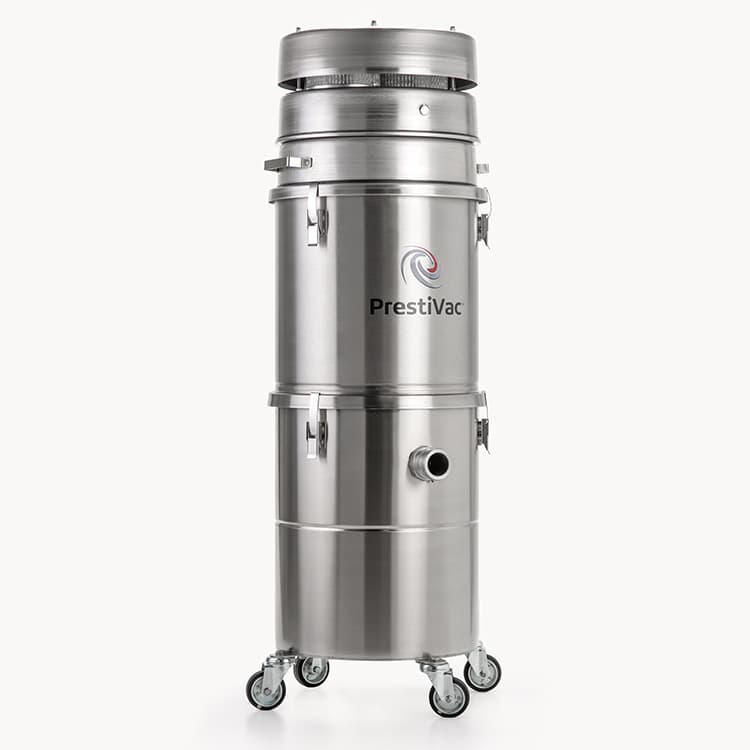 EVX-15 EX MR HEPA
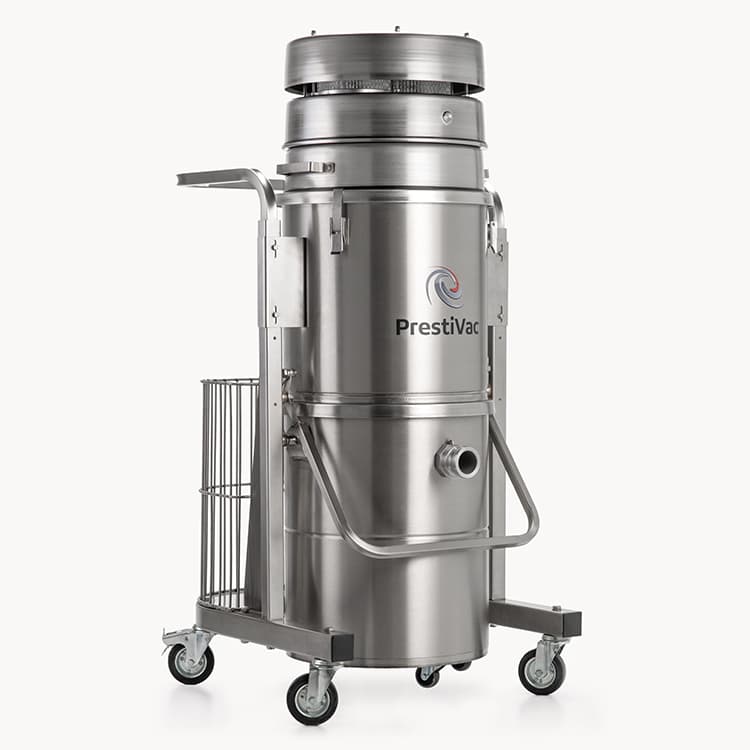 EVX-20 EX RCT HEPA
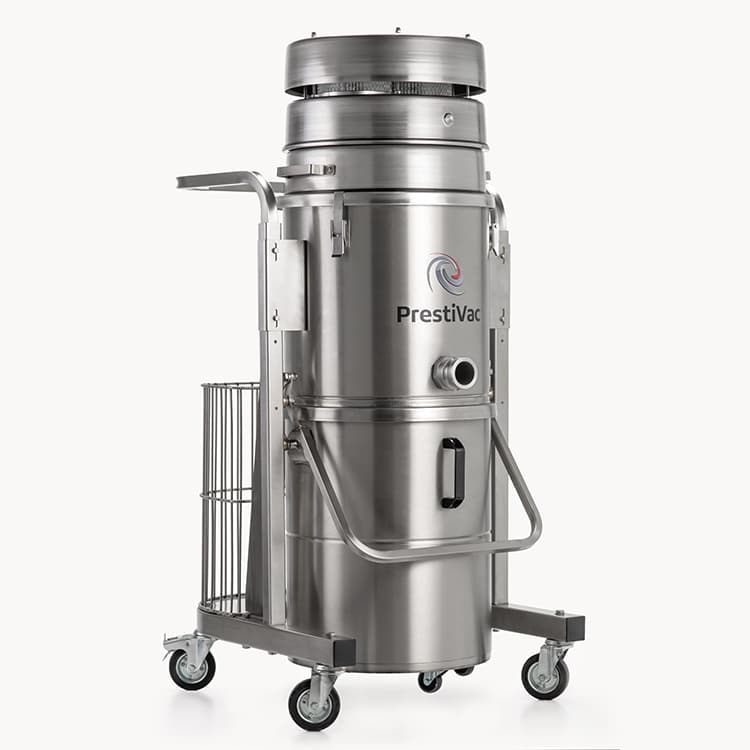 EVX-25 EX RCT HEPA
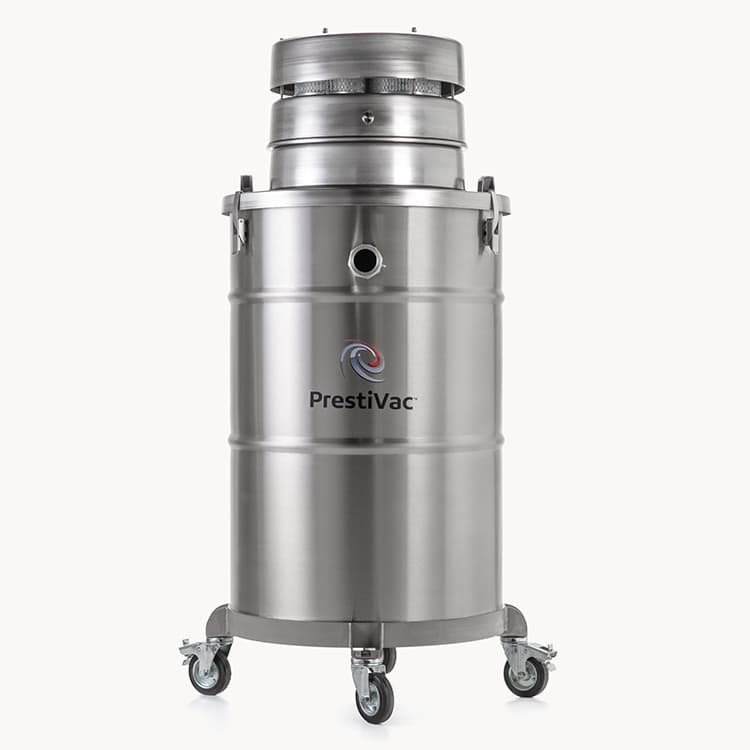 EVX-55 EX HEPA
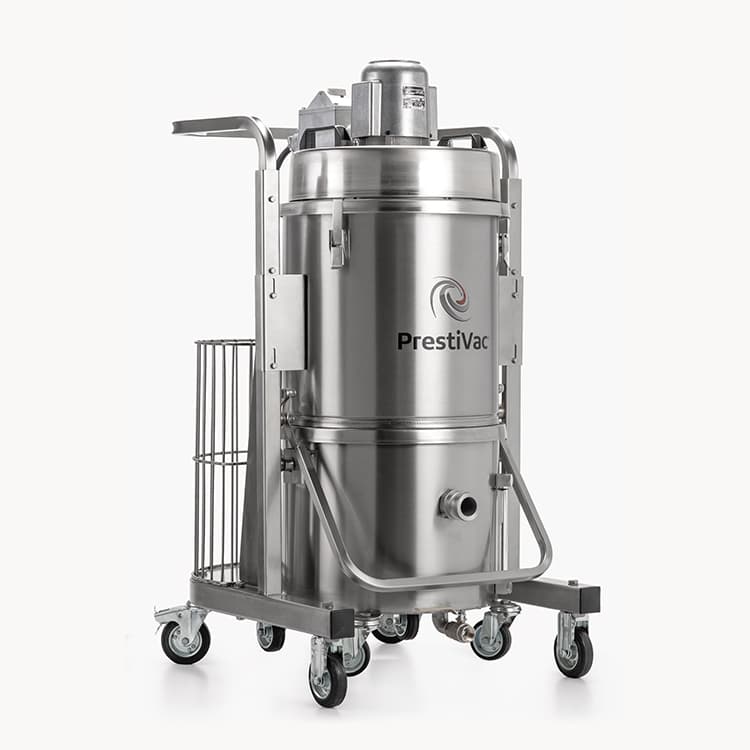 EX1-5 RCT IS HEPA
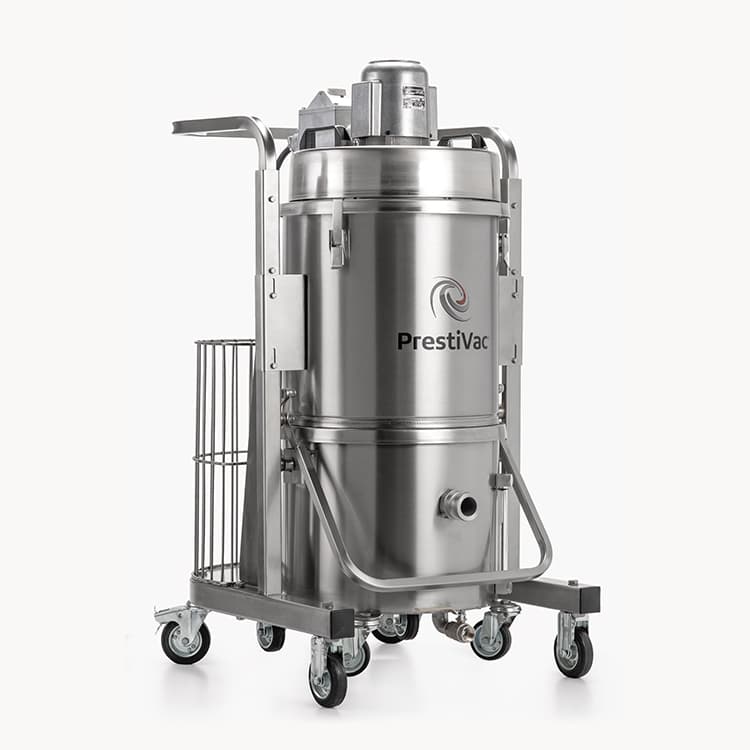 EX1-5 HEPA
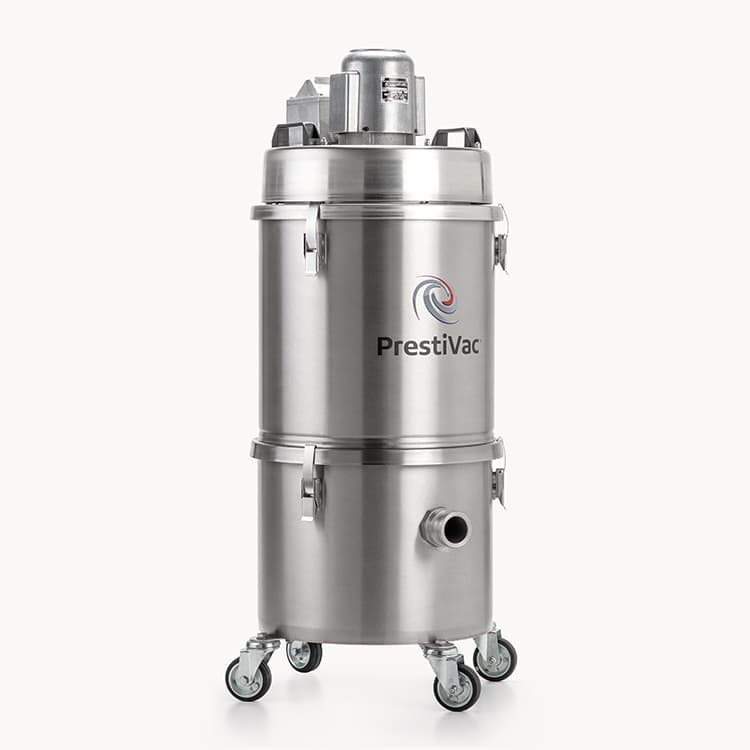 EX1-5-10 MR HEPA
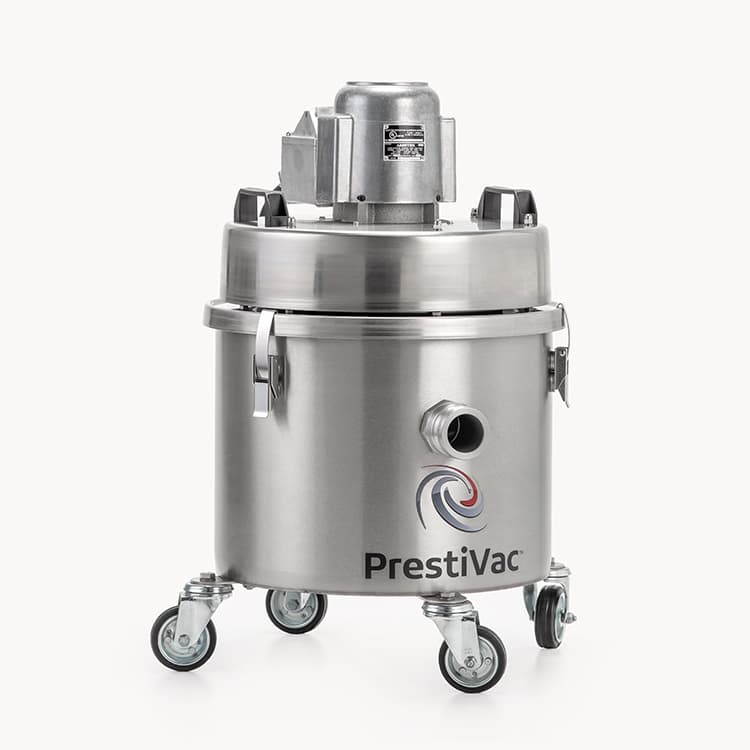 EX1-10 HEPA
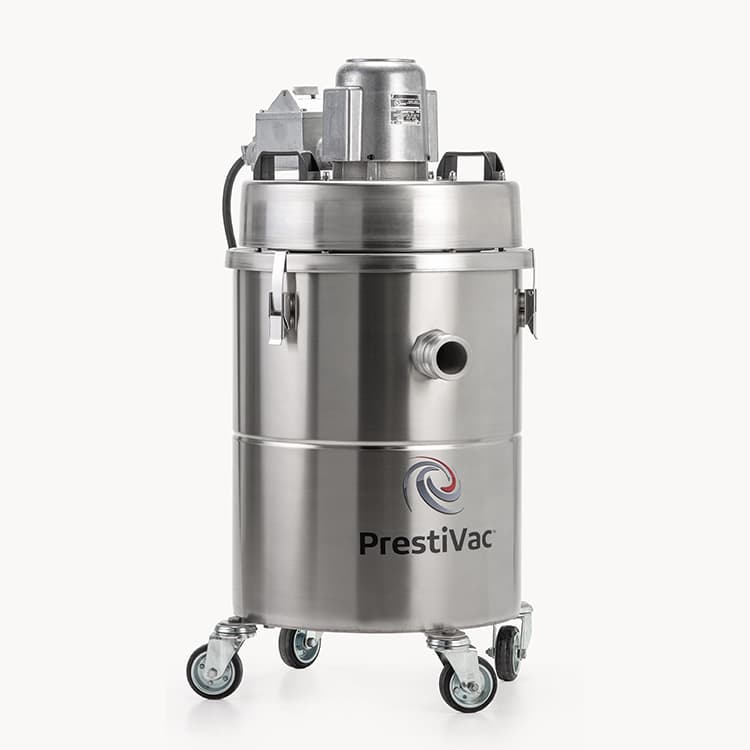 EX1-15 HEPA
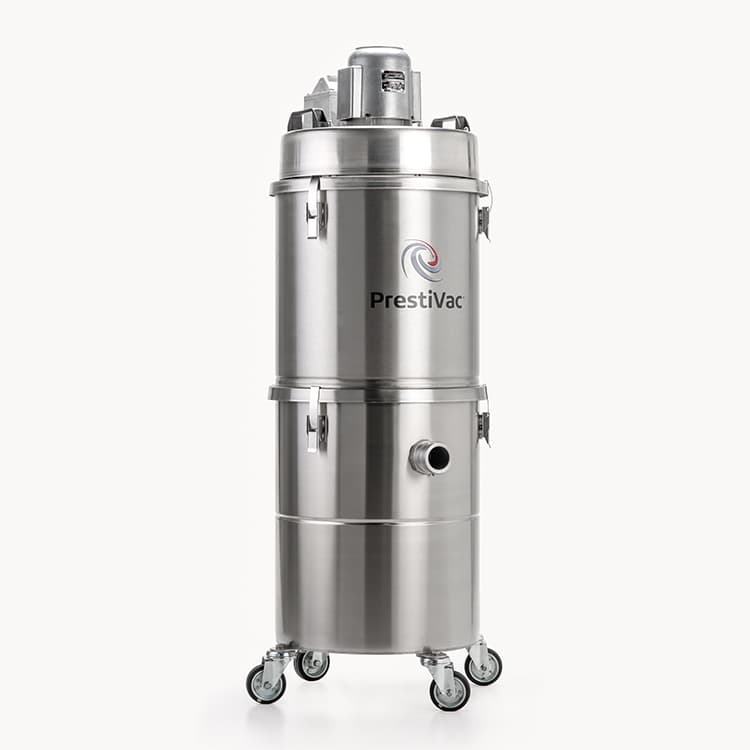 EX1-15 MR HEPA
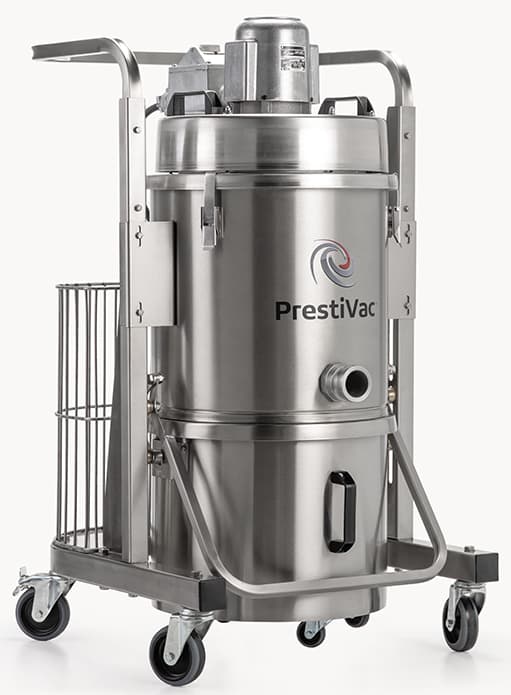 EX1-15 RCT
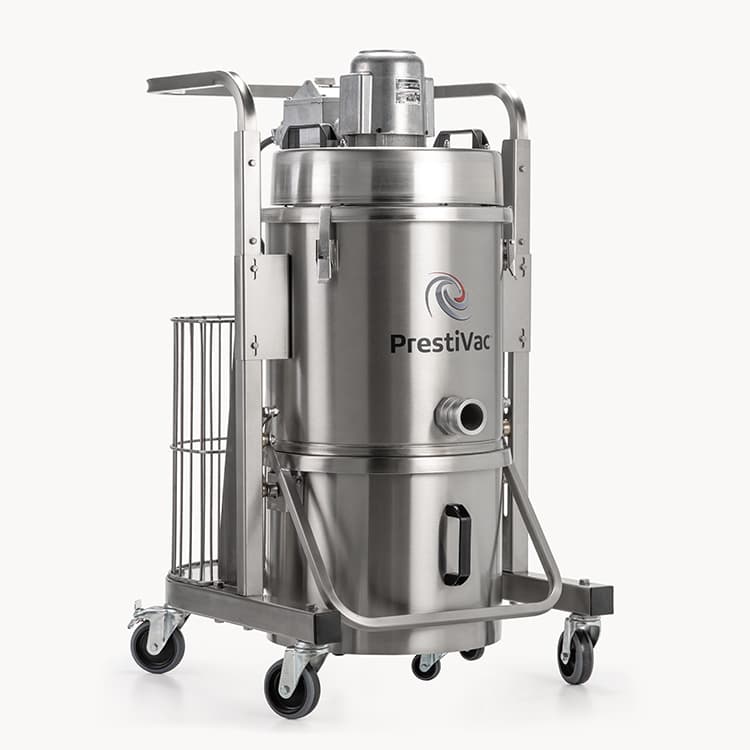 EX1-15 RCT HEPA
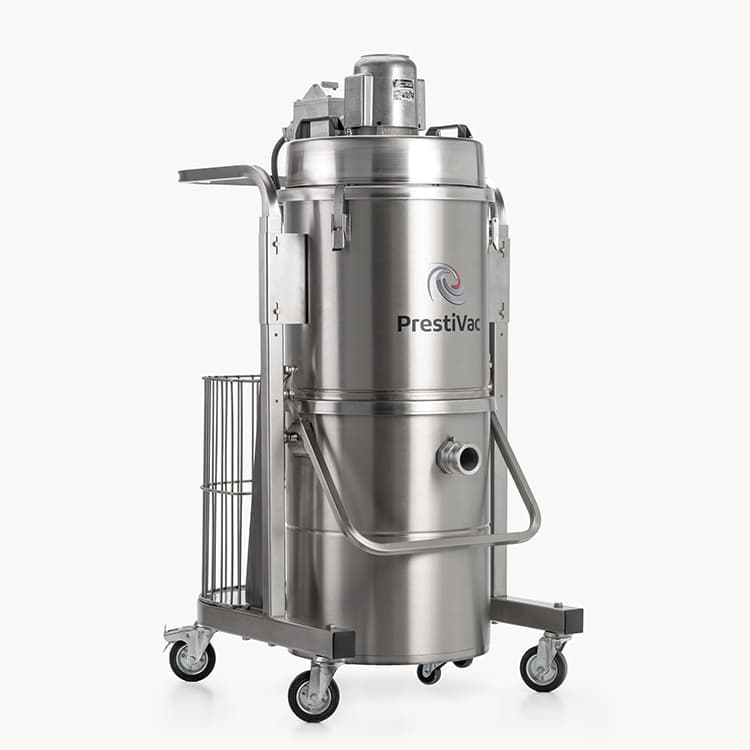 EX1-20 RCT HEPA
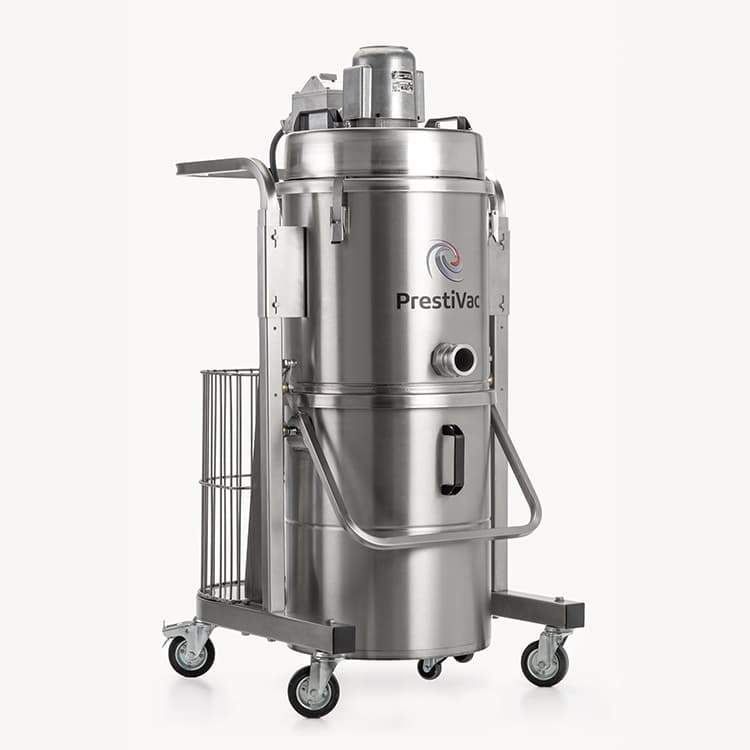 EX1-25 RCT HEPA
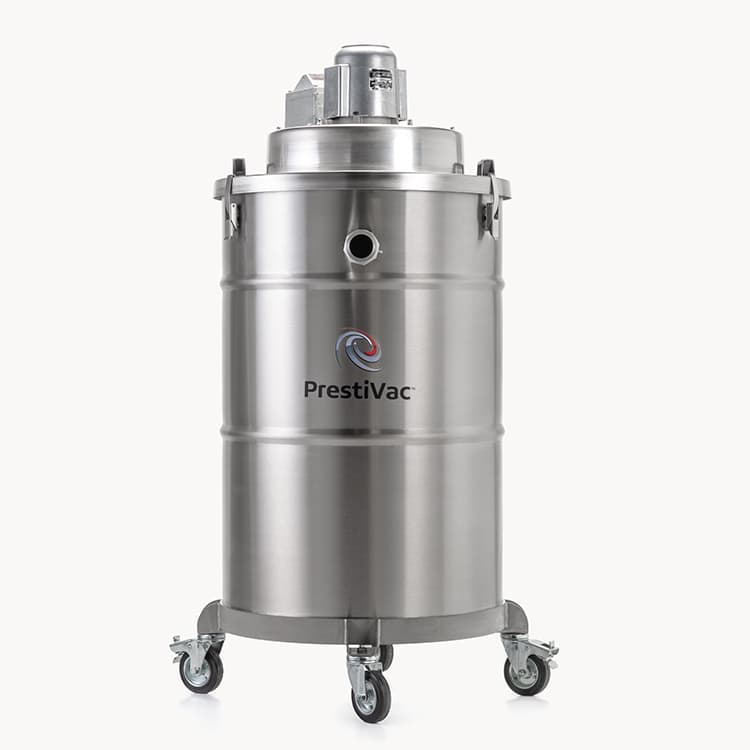 EX1-55 HEPA
Choose by location classification
Classification comes first, and it is assigned by your own electrical or process engineer. Find the row that matches your area — and if none of them do yet, the last row is the honest answer.
| Classification | What it means | Typical dust | What our certificate covers |
|---|---|---|---|
| Class I, Div 1 / Div 2 | Flammable gases or vapours present | Solvent and fuel vapour | EX1 HEPA line is certified for Class I, Group D |
| Class II, Div 1 | Combustible dust airborne in normal operation | Metal, grain, powder | EX1 HEPA line is certified for Class II, Groups E, F, G |
| Class II, Div 2 | Combustible dust present, airborne only abnormally | Wood, plastic, coating powder | EX1 HEPA line is certified for Class II, Groups E, F, G |
| Zone 21 / 22 (ATEX) | European dust zone framework | As above | ATEX is not claimed — our certification is North American |
| Not sure | Classification not yet assigned or not known | Send us your material data | Get a Quote and we will work it through with you |
Coverage is read from the certificate, not inferred from a product family name. Where a line is not covered for a classification we say so rather than leaving it implied.
Electric or air-operated?
The single most useful distinction in the range, and the one buyers most often have to ask for. Both are built with the same conductive, grounded and bonded recovery path — what differs is the drive.
| Aspect | Electric | Air-operated |
|---|---|---|
| Power source | Electric motor, mains supply | Compressed air through a venturi — plant air supply |
| Electrical ignition source | Present by definition; managed by certified construction suitable for the classification | None in the recovery unit — no motor, no switch, no cord at all |
| Site requirement | Suitable power at the point of use | Adequate compressed-air pressure and volume at the point of use |
| Duty cycle | Suits intermittent and scheduled housekeeping | Tolerates long continuous running well |
| Portability | Limited by cord runs and available outlets | Limited by air-line reach; no electrical trailing lead |
| Noise | Motor noise; generally quieter than an air drive | Air exhaust makes these louder — worth planning for in occupied areas |
| Maintenance | Motor, brushes where fitted, and electrical components | No electric motor to service; depends on clean, dry plant air |
Why not a modified shop vacuum
This comes up because the price difference is real and the reasoning is rarely spelled out. A standard shop vacuum brings three problems into a dust area at once: a brushed universal motor that sparks as a matter of normal operation, a plastic hose that accumulates static charge as dry dust moves through it with no path to ground, and filtration that returns the finest fraction to the room.
It is a construction argument rather than a quality one. A rated unit is conductive, grounded and bonded from hose tip to container, with a drive suitable for the classification and filtration that retains what it captures. Modifying a consumer machine does not address any of the three, because each is inherent to how it was built.
How to choose within this line
- 01
Start with the area classification
The classification of the space — the Class, Division and Group assigned by your electrical or process engineer — determines which power units and construction are acceptable. Bring that classification to the conversation; it is the first constraint, not an afterthought.
- 02
Identify the dust, not just the process
Combustibility, particle size and reactivity vary widely between materials, and metal dusts introduce hazards that organic dusts do not. Material identification drives filtration, separation and whether a wet or immersion method is appropriate.
- 03
Decide electric or air-operated
Air-operated units run on compressed air and contain no electrical components at all, which suits many classified areas and continuous duty. Electric units suit facilities without adequate compressed air. Both are built with the same conductive, grounded recovery path.
- 04
Match filtration to what leaves the machine
Where exhaust air quality is part of the requirement — fine powders, toxic metals, pharmaceutical or abatement work — HEPA filtration keeps captured fines captured rather than returning them to the room.
Where this line is used
- Food Processing
- Metalworking
- Chemical
- Woodworking
Not listed? Browse the full industry directory or start from your material. New to dust hazards? Start with how dust explosions work or vacuum vs dust collector.
Frequently asked questions
- Which of your vacuums are certified, and for what?
- Our listing is CSA Certificate 70122393, assessed against UL 1203 (5th Edition). It carries two scopes, and they are not interchangeable. The EX1 HEPA drum-type line is covered for Class I, Gp. D; Class II, Gps. E, F and G; Temp. Code T3C. The EV EX HEPA line is covered for Class II, Div. 2, Gps. F and G only — no Class I, Division 2 rather than Division 1, and no Group E, which is the conductive metal-dust group. Commercial indoor use only. Each model page states which scope applies. The air-operated AVX line holds no NRTL certificate at all. We do not claim ATEX or intrinsic-safety approvals.
- Does your UL 1203 listing cover Class I Groups A, B and C?
- No. Class I is Group D only — propane, methane and most common hydrocarbons and industrial solvents. Groups A, B and C cover acetylene, hydrogen and ethylene and are not within our listing. Note also that Class I coverage applies to the EX1 HEPA line only; the EV EX HEPA line has no Class I coverage at all, and is limited to Class II, Division 2, Groups F and G.
- Which line is certified for metal dust?
- The EX1 HEPA line. Its scope includes Class II, Groups E, F and G, and Group E is the conductive metal-dust group. The EV EX HEPA line is covered for Groups F and G only, so it does not carry Group E coverage — which matters directly in metalworking, aerospace, foundry and battery applications where the dust is frequently Group E. If you are specifying for aluminium, titanium, magnesium or other metal dust, ask us to confirm the line and scope against your area classification before ordering.
- Which line can be used in a Division 1 area?
- That depends on the line and on your area classification. The EX1 HEPA line is listed under explosion-proof and dust-ignition-proof enclosure standards. The EV EX HEPA line is listed as nonincendive equipment for Class II, Division 2 — it is not a Division 1 listing. Because Division 1 means the hazardous atmosphere is expected in normal operation, this distinction is not a technicality. Confirm the classification with your engineer and let us match the line to it.
- Can I use my own hoses and tools with a certified vacuum?
- Not while keeping the unit in its certified configuration. The listing covers the vacuum together with PrestiVac-supplied hoses and tools, and static-dissipating hose and filters are required. Fitting a hose from general stores or a tool borrowed from another machine takes the unit outside the scope of its listing without anything visibly changing — which is why this tends to happen in service rather than at purchase.
Other product lines
- HEPA Vacuums99.99% filtration for fine and hazardous dust
- Pneumatic VacuumsAir-operated — no electrical components
- Industrial VacuumsContinuous-duty recovery for demanding plants
- ESD Static Free Vacuum CleanersStatic dissipating throughout
- Cleanroom Vacuum CleanersJudged by what leaves the exhaust
- Pharmaceutical Vacuum CleanersContainment and sanitation together
- Wet & Dry SystemsLiquids, sludge and dust on one platform
- Central Vacuum SystemsFacility-wide housekeeping from fixed drops
- Custom Engineered SystemsDesigned around your exact application
- AccessoriesGrounded hoses, tools and filters
Selecting equipment for this application
Written for engineers specifying recovery equipment. Each guide covers how the decision is actually made rather than which product to buy.
Buying guide
Choosing an explosion-proof vacuum
The specification sequence that avoids expensive mistakes: identify the material, establish the area classification, then select construction.
ReadTerminology
Explosion proof vs dust ignition proof
The two terms describe protection against different hazards — flammable gas and vapour versus combustible dust.
ReadEngineering
Grounding & bonding
Static is generated by vacuuming itself. Why the requirement is a continuous conductive path from tool to container, and why a grounded machine alone does not achieve it.
ReadEquipment selection
Electric vs pneumatic
Air-operated and electric industrial vacuums solve the same recovery problem by different routes. How compressed air availability, duty cycle.
ReadBuying guide
Selecting for metal dust
Metal dust is Group E — conductive, sometimes water-reactive, sometimes pyrophoric. Why the group determines which certified line is eligible, and what else the specification has to address.
ReadCombustible dust
Types of combustible dust
Metal, organic, carbonaceous, plastic and chemical dusts behave differently and are grouped differently. How the families divide, what changes between them.
ReadGet a Quote
Tell us your material, your classification and how hard you will work it. Our technical team will recommend the PrestiVac model best suited to the job.
Get a QuoteTalk to the manufacturer
Get the right explosion proof vacuum for your application.
Tell us what you need to vacuum and where. Our technical team will recommend the PrestiVac model best suited to your material, your classification and how hard you will work it — and because we build every unit ourselves, we can modify it to fit.
- Legally certified explosion proof
- Solid stainless steel construction
- Industry-best 3-year warranty
- Designed & manufactured in the USA
- 200+ vacuum versions