
Vacuum solutions engineered for cleanrooms & controlled environments
The one environment where the vacuum's own cleanliness is a design requirement — a cleanroom is defined by its particle count, so recovery equipment either belongs to the cleanliness system or becomes a breach in it. There is no third option.
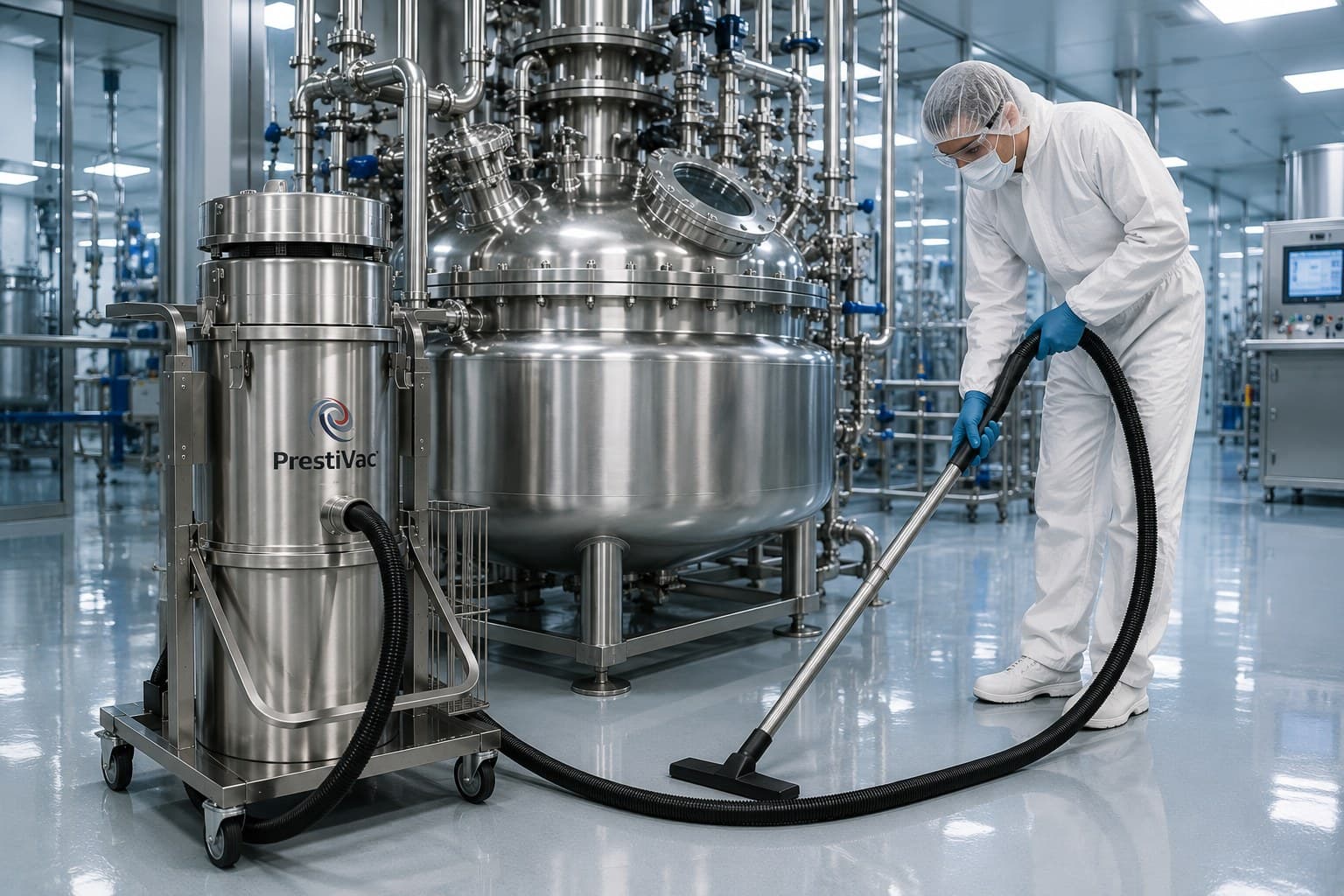
HEPA / ULPA Filtration
Exhaust cleaner than the class
ISO 14644 Practice
The particle count is the spec
Wipe-Down Ready
Smooth, cleanable, gownable
Validated Cleanliness
Documented, not assumed
Explosion-Proof
Manufacturing specialists
1000+
Vacuums sold worldwide
USA
Designed & manufactured
Direct
Buy from the manufacturer
NFPA 660
ATEX / IECEx principles
Cleanrooms & Controlled Environments production process explorer
Every stage. Every challenge. The right vacuum solution.
A cleanroom's contamination geography runs from the gowning threshold to the return-air path — and everything in it, including the recovery equipment, is measured against a class. Walk the stages.
Stage 01 — Gowning & airlocks
Contamination control starts at the threshold — equipment enters wiped down and gowning-compatible, because whatever crosses the airlock is measured against the room's class from that point on.
Key challenges
When the particle count is the product
The Vacuum Is In The Spec
A cleanroom is defined by particle count, so recovery equipment must be validated as part of the cleanliness system — exhaust cleaner than the room, or it's a contaminant.
ISO 14644 Classes
Rooms are rated by particle concentration, and the rating is a product requirement — housekeeping holds the class rather than chasing visible dirt.
HEPA Isn't Always Enough
The most demanding classes call for ULPA-grade retention — the filtration is matched to the class the room must hold.
Don't Disturb The Flow
Laminar and unidirectional airflow is a control in itself; recovery must clean without disrupting the airflow protecting the critical work.
Wipe-Down Everything
Smooth, cleanable, gownable equipment is mandatory — the recovery gear enters the protocol like everything else, or it doesn't enter.
Cleanliness Is Measured
Particle counts are recorded against the class, so housekeeping is a validated, documented outcome — never an assumption from appearance.
Dust & materials knowledge center
What controlled environments manage
Combustibility and severity are material- and particle-size-specific — testing and your Dust Hazard Analysis govern. Full directory: the full materials directory.
Applications in controlled environments
- PCB manufacturing
- Semiconductor fabrication
- Wafer processing
- Cleanroom production
- Electronics assembly
- Vacuum coating
- Display manufacturing
- Chip packaging
- SMT production
- View all
Built for performance. Built for compliance.
View all products →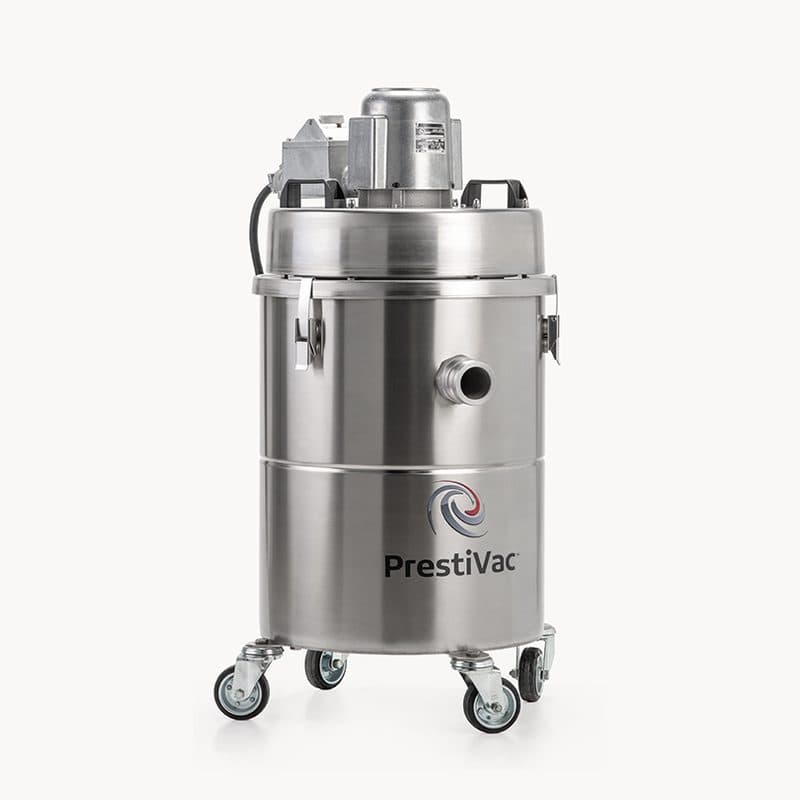
HEPA Vacuums
99.99% filtration for fine and hazardous dust
Learn more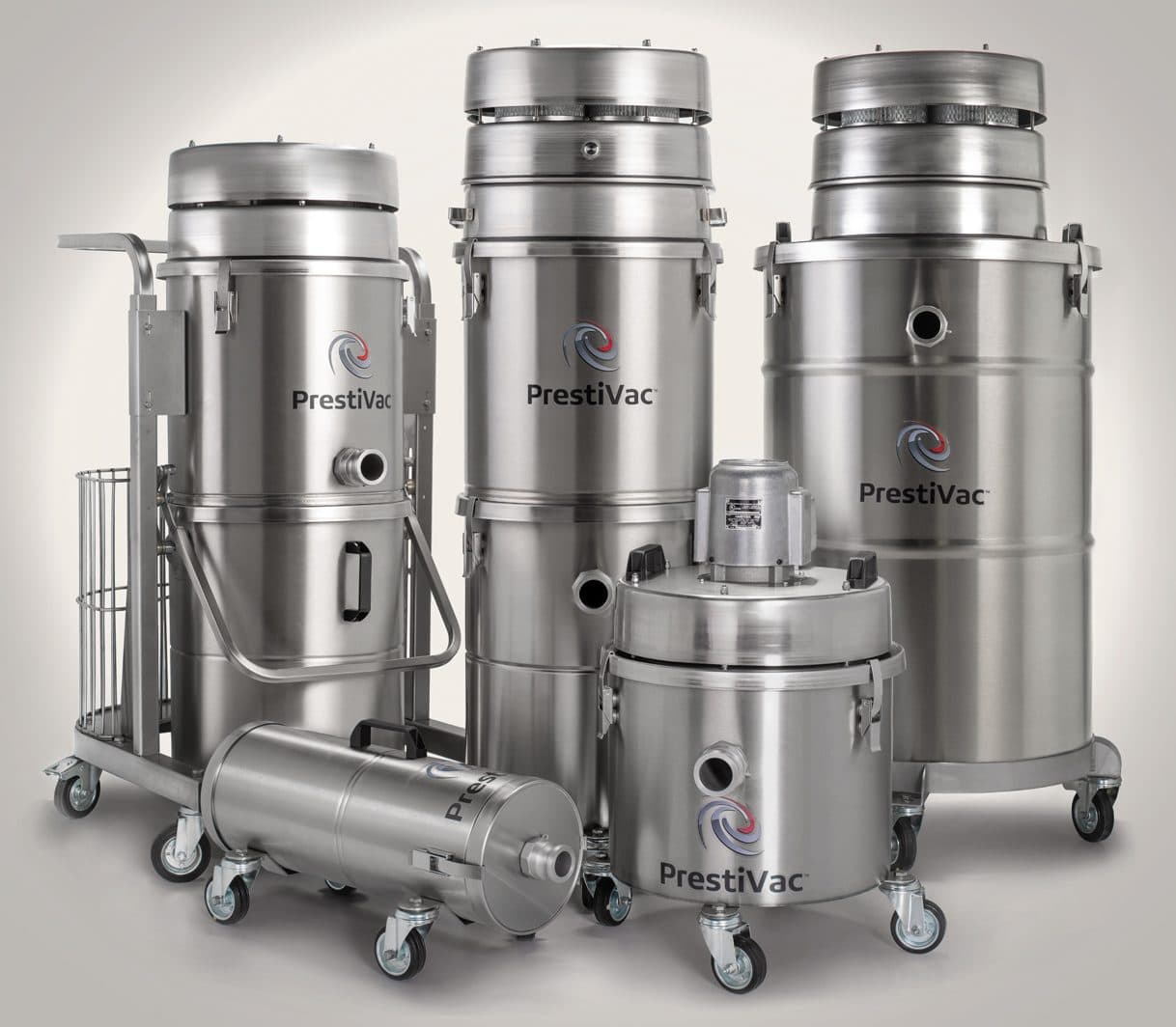
Industrial Vacuums
Continuous-duty recovery for demanding plants
Learn more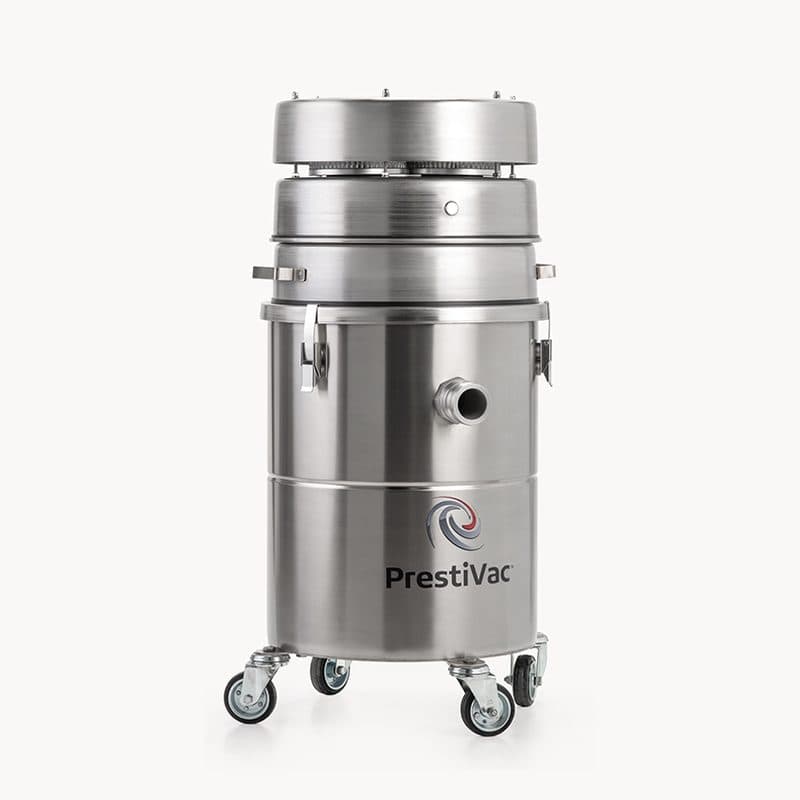
Central Vacuum Systems
Facility-wide housekeeping from fixed drops
Learn more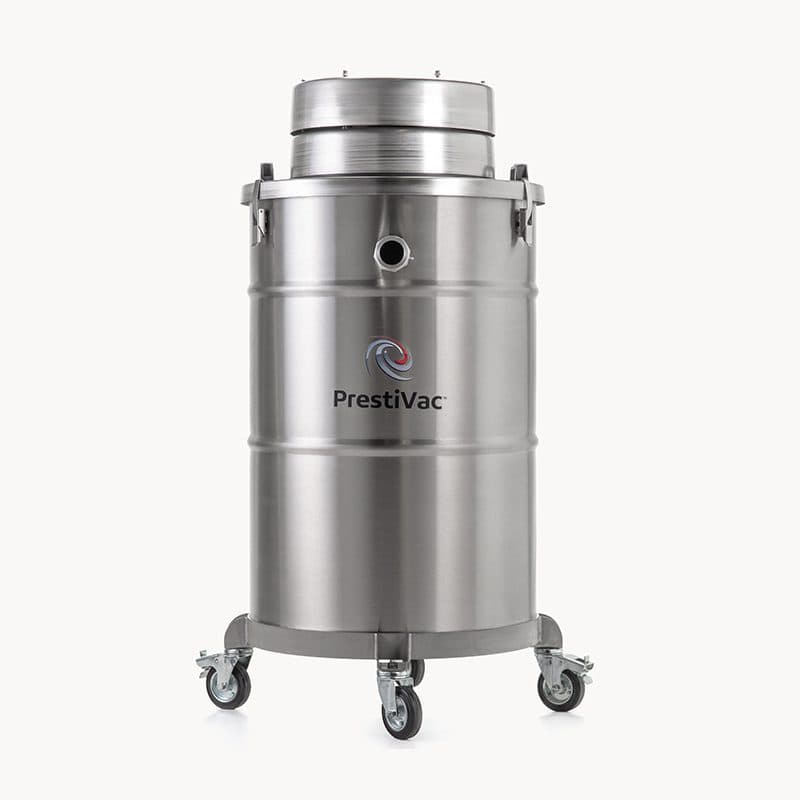
Explosion Proof Vacuums
Grounded, bonded recovery for combustible dust
Learn more
Representative case study
Dual-Hazard Dust Control in a Semiconductor &
How a representative advanced-electronics manufacturer runs housekeeping where the clean floor hides two hazard classes at once — toxic dopant, etch and CMP residues that are not combustible, and genuinely combustible dust the 'high-tech means inert' assumption misses: fine silicon from wafer grinding and the reactive-metal powder that advanced packaging brought onto the fab floor.
Read the full case studyTalk to the manufacturer
Get the right explosion proof vacuum for your application.
Tell us what you need to vacuum and where. Our technical team will recommend the PrestiVac model best suited to your material, your classification and how hard you will work it — and because we build every unit ourselves, we can modify it to fit.
- Legally certified explosion proof
- Solid stainless steel construction
- Industry-best 3-year warranty
- Designed & manufactured in the USA
- 200+ vacuum versions