
Vacuum solutions engineered for oil & gas
The industry that made the phrase 'explosion-proof' a household word — and the one where the classification comes from the atmosphere, not the dust. Refineries and petrochemical plants are Class I hazardous locations, where flammable gases and vapors set the requirement and recovery equipment must be rated for that atmosphere. The dust that matters here is narrower and specific: catalyst fines, petroleum coke and spent media.
Class I Rated
For flammable-vapor atmospheres
Vapor-First Hazard
Gases & vapors set the classification
HEPA Filtration
Catalyst and coke fines retained
Built for Refineries
Catalyst, coke & residue recovery
Explosion-Proof
Manufacturing specialists
1000+
Vacuums sold worldwide
USA
Designed & manufactured
Direct
Buy from the manufacturer
NFPA 660
ATEX / IECEx principles
Oil & Gas production process explorer
Every stage. Every challenge. The right vacuum solution.
A refinery is a continuous hydrocarbon process punctuated by specific solids — catalysts, coke and spent media — handled inside a flammable-atmosphere environment. Walk the areas where recovery equipment operates, and why its rating matters.
Stage 01 — Crude & distillation areas
The distillation heart of the refinery is a Class I environment; general housekeeping and spill recovery here use equipment rated for the flammable atmosphere, not just for the material collected.
Key challenges
When the atmosphere is the hazard
The Atmosphere Is The Hazard
Refineries are Class I locations — flammable gases and vapors set the classification, so equipment must be rated for the atmosphere itself, a different question from combustible dust.
Catalyst Fines
FCC catalyst, molecular sieves and spent catalyst are fine, sometimes hazardous powders — recovered HEPA-retained and sealed, never with a generic vacuum.
Petroleum Coke Dust
Coking units produce petcoke, a combustible carbon dust that carries both an ignition and a respirable hazard on the handling side.
Liquids, Sludge & Residue
Hydrocarbon liquids and sludges need recovery configured for flammable materials, not the dry-dust assumptions that govern most of the plant's solids.
Rated Equipment Only
In a Class I area, a recovery tool that could spark is itself the hazard — air-operated or rated electric only. PrestiVac's explosion-proof line is UL 1203 Certified for Class I, Group D locations (Cert. ).
Turnarounds & Confined Spaces
Shutdown maintenance concentrates cleanup into rated areas and vessels, where recovery must hold both the atmosphere rating and the confined-space discipline.
Dust & materials knowledge center
What oil & gas facilities recover
Combustibility and severity are material- and particle-size-specific — testing and your Dust Hazard Analysis govern. Full directory: the full materials directory.
Applications in oil & gas
Built for performance. Built for compliance.
View all products →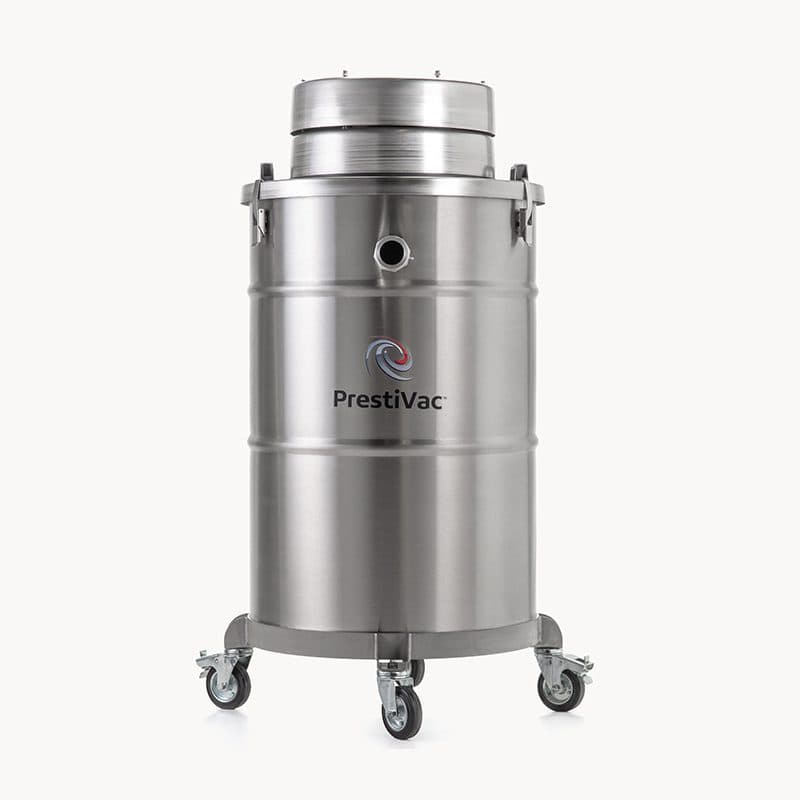
Explosion Proof Vacuums
Grounded, bonded recovery for combustible dust
Learn more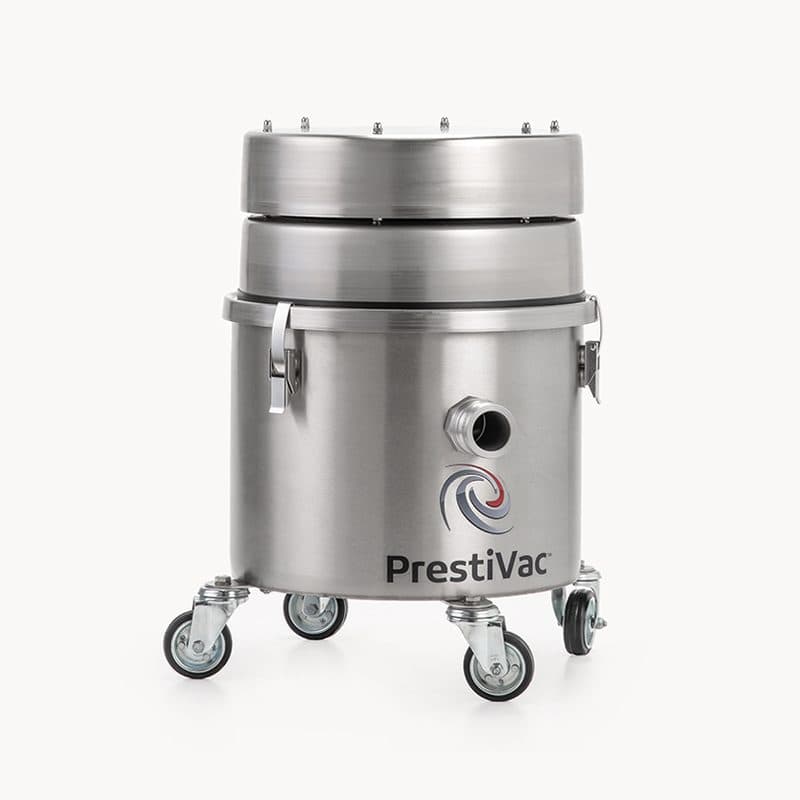
Pneumatic Vacuums
Air-operated — no electrical components
Learn more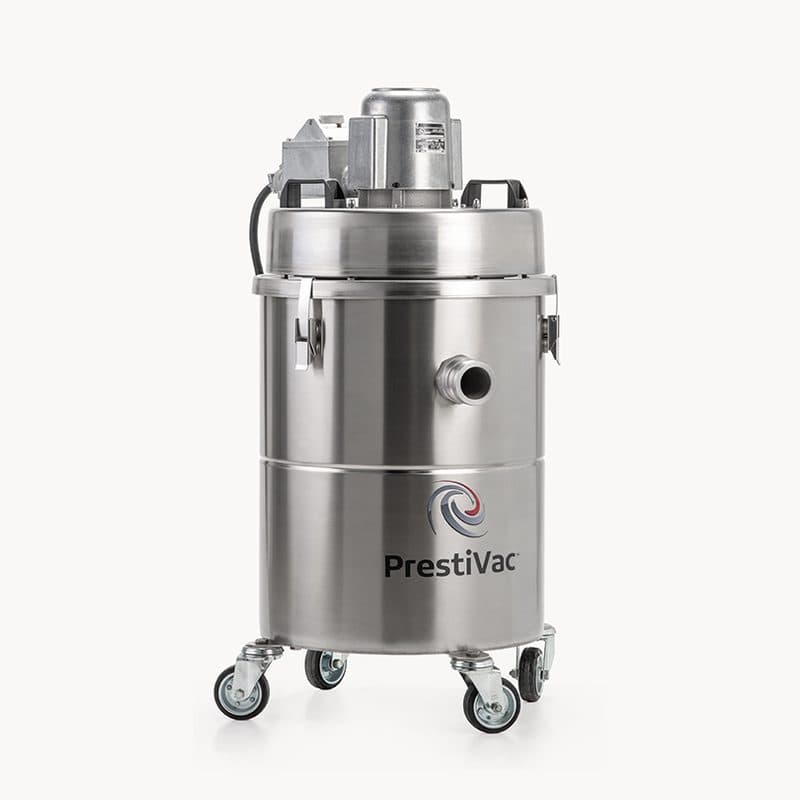
HEPA Vacuums
99.99% filtration for fine and hazardous dust
Learn more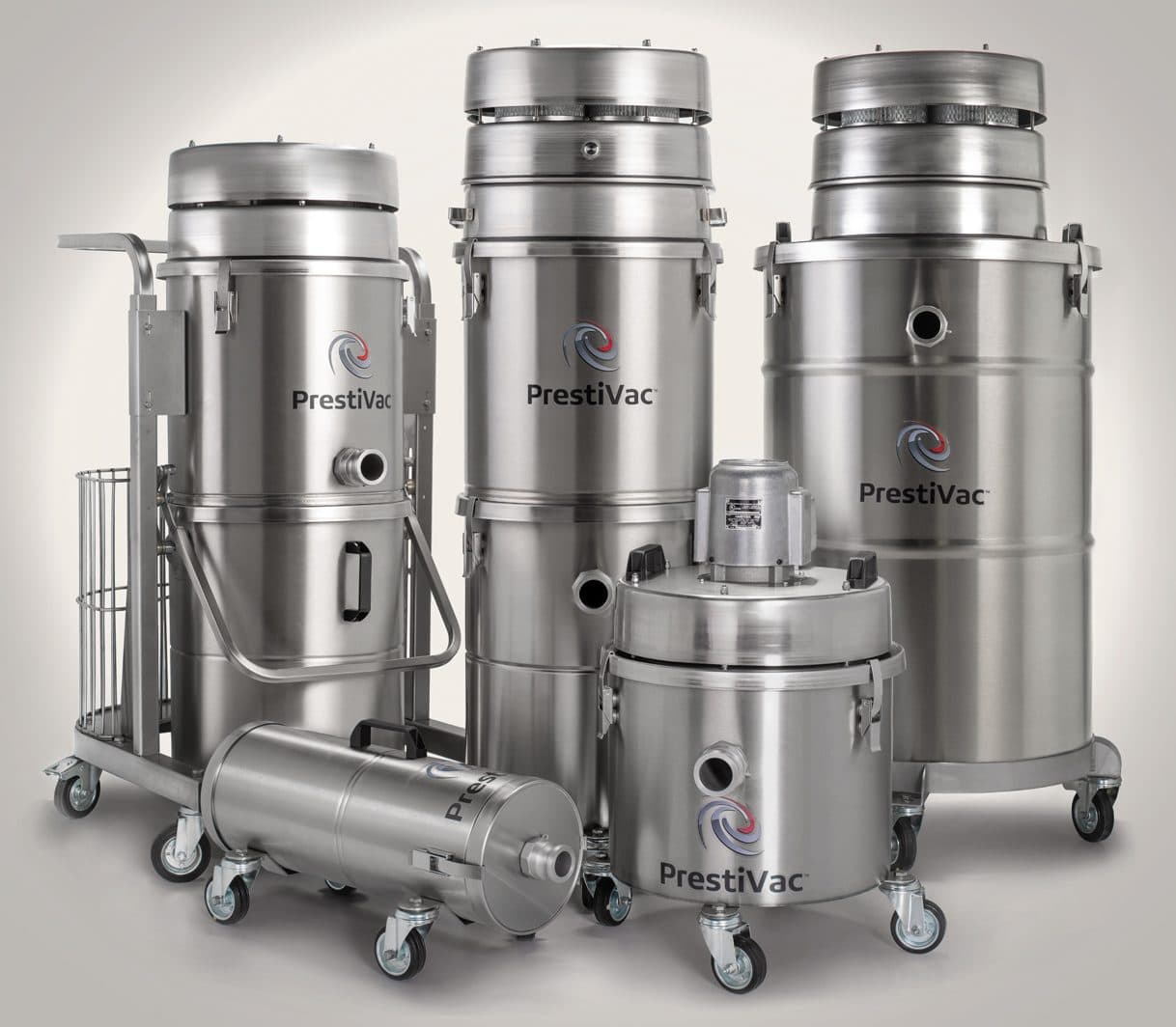
Industrial Vacuums
Continuous-duty recovery for demanding plants
Learn more
Representative case study
Controlling Sulfur Dust in a Specialty Chemical
How a representative chemical compounder runs housekeeping around the most ignition-sensitive common industrial dust — grounding verified before anything else moves, air-operated recovery with zero electrical components, and a disposal path that respects what burning sulfur becomes.
Read the full case studyTalk to the manufacturer
Get the right explosion proof vacuum for your application.
Tell us what you need to vacuum and where. Our technical team will recommend the PrestiVac model best suited to your material, your classification and how hard you will work it — and because we build every unit ourselves, we can modify it to fit.
- Legally certified explosion proof
- Solid stainless steel construction
- Industry-best 3-year warranty
- Designed & manufactured in the USA
- 200+ vacuum versions