
Judged by what leaves the exhaust
Cleanroom Vacuum Cleaners
Vacuum cleaners for controlled environments, where the machine must remove contamination without contributing any. Absolute filtration.
What defines this line
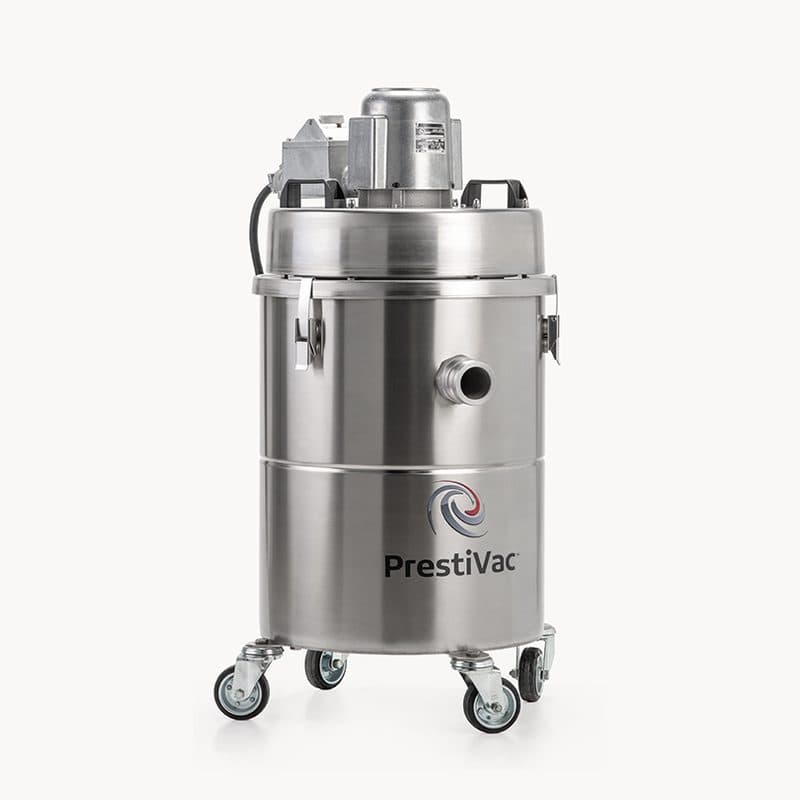
- HEPA and ULPA absolute filtration options
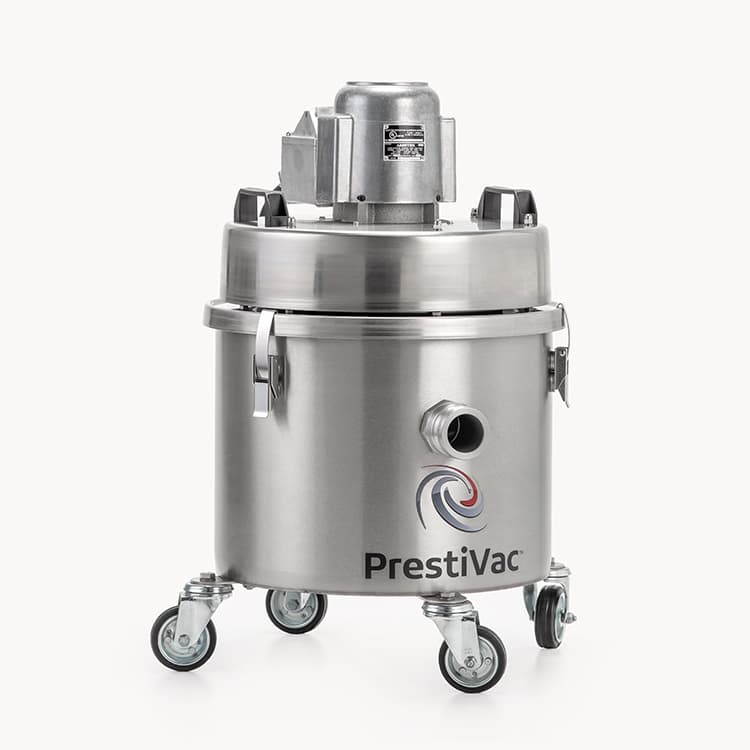
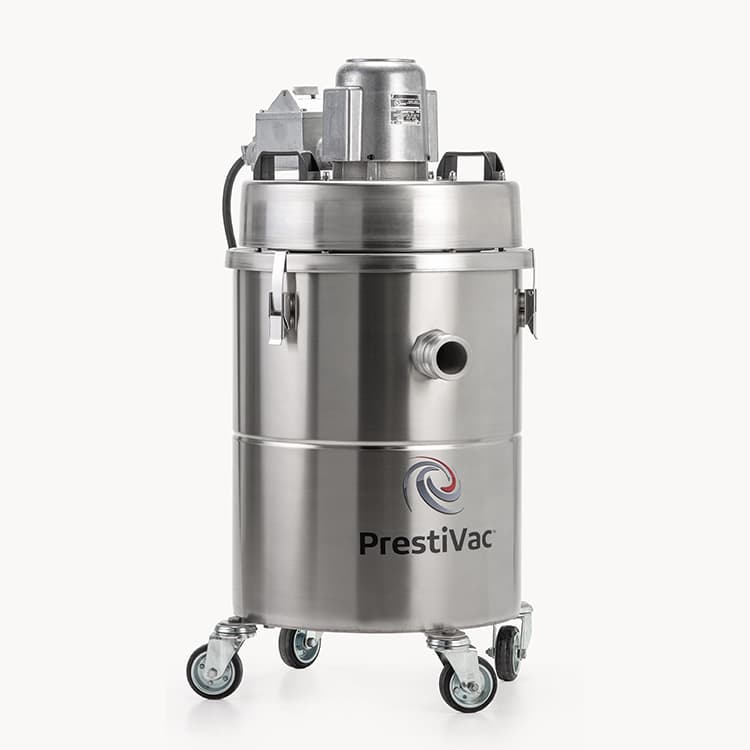
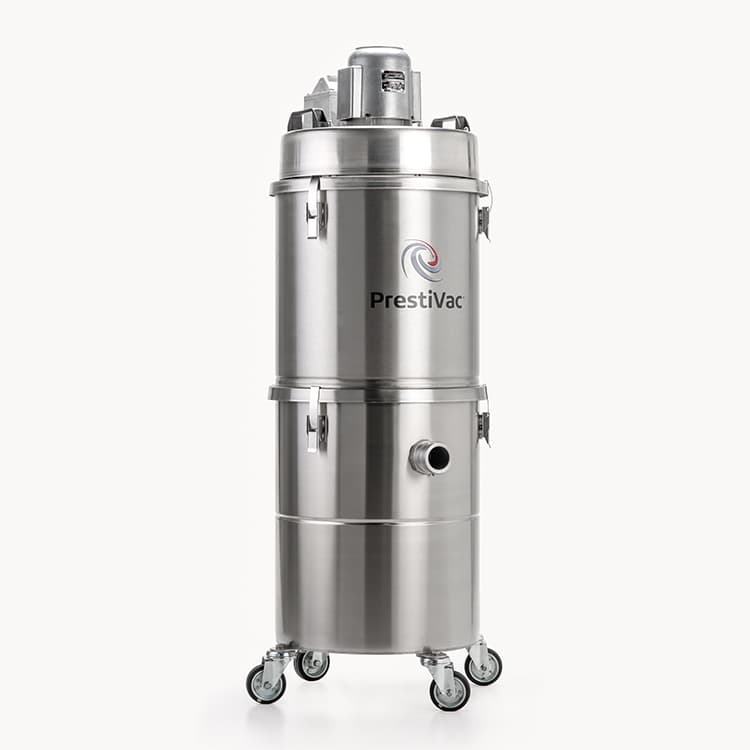
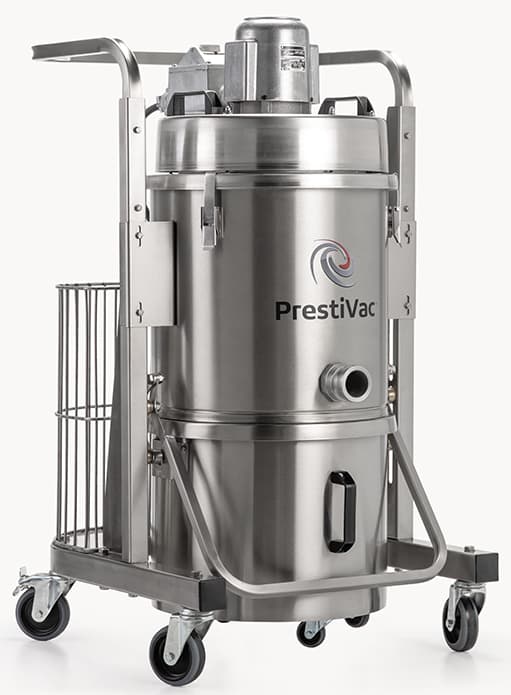
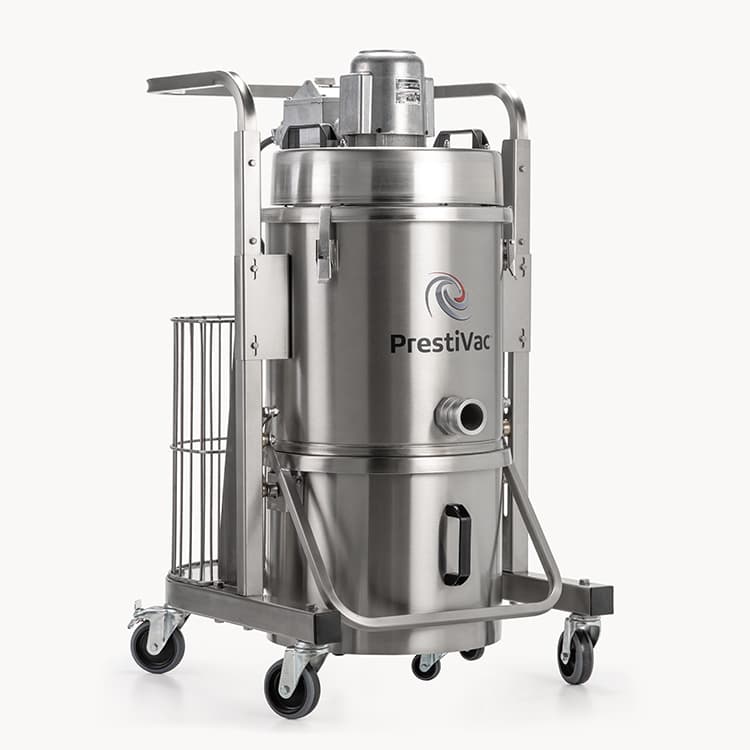
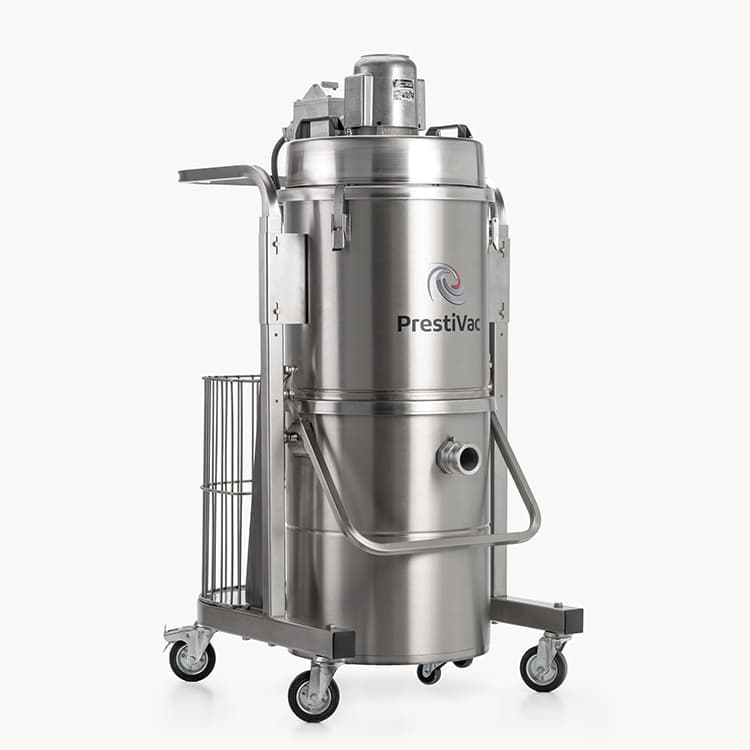
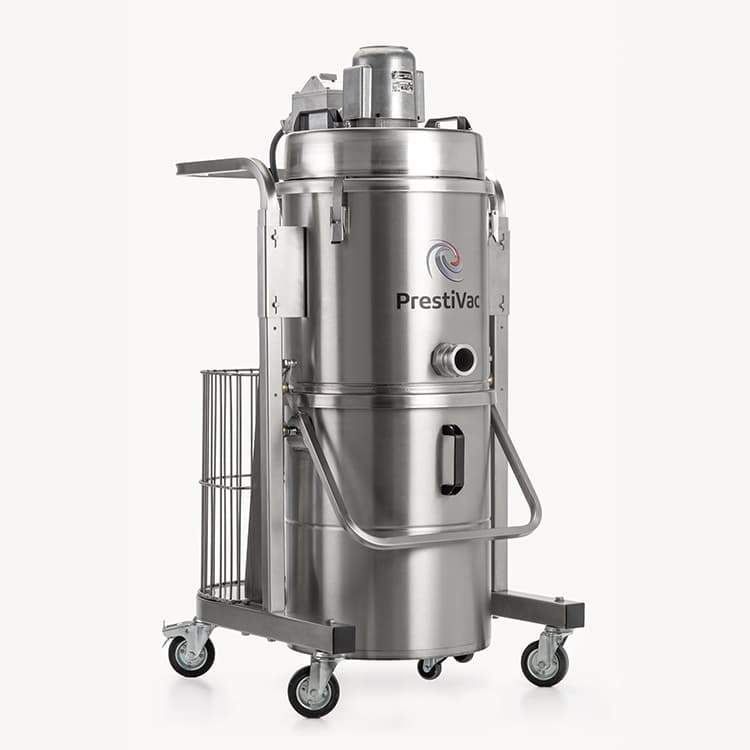
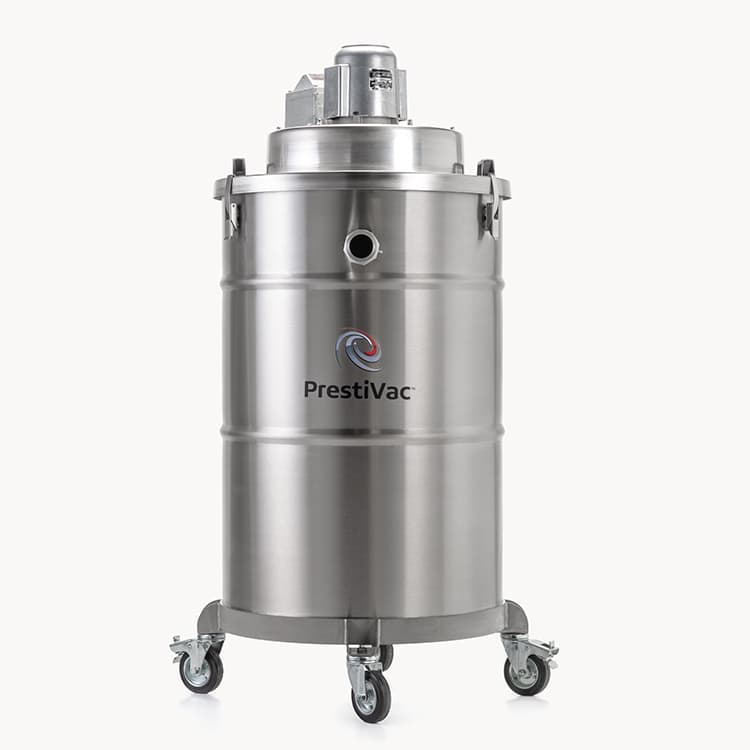
- Smooth, wipeable 316 and 304 stainless construction
- Contained, sealed collection
- Dedicated equipment for controlled areas
Certification & documentation
Certified models are covered by CSA Certificate 70122393, assessed against UL 1203 (5th Edition). Scope differs by line: the EX1 HEPA line carries Class I, Gp. D; Class II, Gps. E, F and G; Temp. Code T3C. The EV EX HEPA line carries Class II, Div. 2, Gps. F and G only. Each model page states which scope applies to that unit.
Area classification is determined by your own engineering assessment. We match equipment to the classification you provide — see how Classes, Divisions and Groups work.
Models in this line
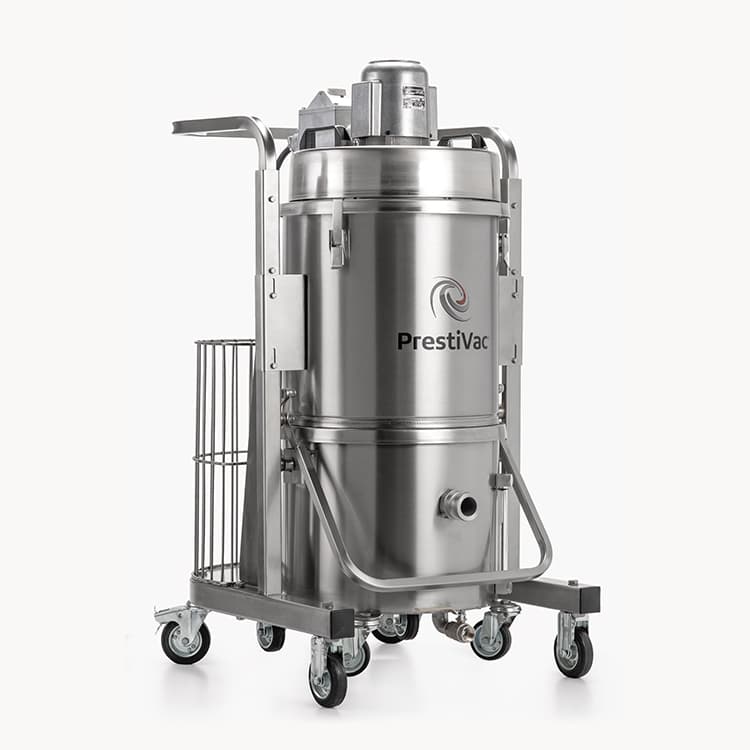
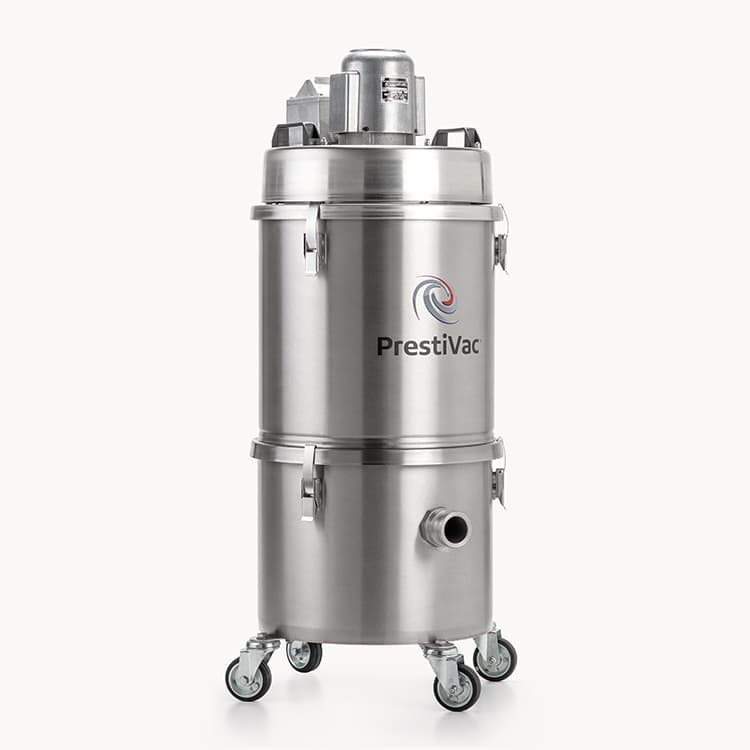
11 models — specifications in the datasheet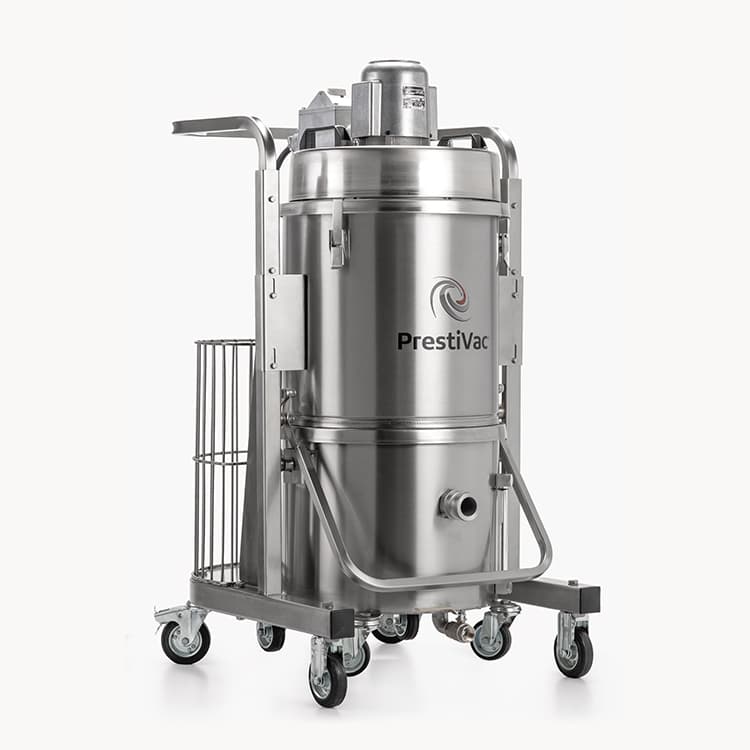
How to choose within this line
- 01
Start from the room classification
The classification sets the filtration requirement. Ask what a filter is tested to rather than what it is called.
- 02
Decide HEPA or ULPA
HEPA absolute filtration covers most controlled areas; ULPA extends further where the environment demands it.
- 03
The machine is a surface too
Smooth, wipeable stainless construction lets the unit pass a wipe-down and gowning protocol instead of defeating it.
- 04
Dedicate the equipment
A vacuum that also cleans the loading dock has no business in a cleanroom. Assign and label units to the controlled area.
Where this line is used
Not listed? Browse the full industry directory or start from your material. New to dust hazards? Start with how dust explosions work or vacuum vs dust collector.
Frequently asked questions
- Should I choose an electric or an air-operated vacuum?
- It usually comes down to two things: your area classification and whether you have adequate compressed air at the point of use. An air-operated unit is driven by compressed air through a venturi, so there is no electric motor, no switch and no cord in the recovery unit at all — which removes the electrical ignition question from the drive entirely and suits long continuous running. Electric units suit facilities without sufficient plant air. Both are built with the same conductive, grounded and bonded recovery path, because the dust carries static regardless of what drives the machine. Air units are louder, which is worth planning for in occupied areas.
- What is the difference between HEPA and ULPA filtration?
- They are tested at different particle sizes and efficiencies. Standard HEPA is tested to a minimum of 99.97% efficiency at 0.3 micrometres; PrestiVac units are rated at 99.99% absolute, and factory H14 grades reach 99.995%. ULPA extends further, to 99.9995% at 0.12 micrometres. Which you need follows the requirement — the room classification, the exposure limit, or the sanitation standard — rather than a preference for the larger number. Ask what a filter is tested to rather than what it is called.
- Do you supply dust collectors?
- No. We manufacture industrial vacuums — explosion-proof, HEPA, air-operated, wet and dry, central systems and custom-built units. A dust collector is a different machine: high air volume at low suction, capturing dust at the source through fixed ducting. A vacuum is lower volume at high suction, removing what has already settled. Most dust programmes need both, and we would rather point you to a collection-system specialist for that half than sell you the wrong equipment.
- Can one vacuum handle several different materials?
- Sometimes, but it is worth checking rather than assuming. The constraints are the most demanding material in the mix, the classification of every area the unit will enter, and whether any of the materials should be kept separate. Reactive metal fines should not be combined with other debris or with coolant, and regulated toxic materials such as lead, cadmium and beryllium call for dedicated equipment that never leaves the regulated area. A unit that also cleans the loading dock has no business in a cleanroom.
- Do you build custom systems?
- Yes — custom-built systems are part of the range, and with more than 200 versions built over the years most requirements have a precedent. The useful thing to bring is constraints rather than a specification: the material, the area classification, the duty cycle, the footprint available, and how recovered material needs to leave the building. Those five determine what can be built, and asking early about the certification documents your compliance process will require means the build produces them.
Other product lines
- Explosion Proof VacuumsGrounded, bonded recovery for combustible dust
- HEPA Vacuums99.99% filtration for fine and hazardous dust
- Pneumatic VacuumsAir-operated — no electrical components
- Industrial VacuumsContinuous-duty recovery for demanding plants
- ESD Static Free Vacuum CleanersStatic dissipating throughout
- Pharmaceutical Vacuum CleanersContainment and sanitation together
- Wet & Dry SystemsLiquids, sludge and dust on one platform
- Central Vacuum SystemsFacility-wide housekeeping from fixed drops
- Custom Engineered SystemsDesigned around your exact application
- AccessoriesGrounded hoses, tools and filters
Selecting equipment for this application
Written for engineers specifying recovery equipment. Each guide covers how the decision is actually made rather than which product to buy.
Buying guide
Selecting HEPA filtration
Grade is the part of a filtration specification that matters least. Filter area, sealing, staging and change-out method decide what performance you actually get in service.
ReadBuying guide
Selecting for pharmaceutical powders
Pharmaceutical recovery has to satisfy two requirements at once: combustible dust control and containment. How potency, cleanability and cross-contamination shape the specification.
ReadFiltration
HEPA vs ULPA
Both are absolute filters; they differ in retention at the most penetrating particle size. When ULPA is genuinely warranted, when HEPA is the right answer.
ReadGet a Quote
Tell us your material, your classification and how hard you will work it. Our technical team will recommend the PrestiVac model best suited to the job.
Get a QuoteTalk to the manufacturer
Get the right explosion proof vacuum for your application.
Tell us what you need to vacuum and where. Our technical team will recommend the PrestiVac model best suited to your material, your classification and how hard you will work it — and because we build every unit ourselves, we can modify it to fit.
- Legally certified explosion proof
- Solid stainless steel construction
- Industry-best 3-year warranty
- Designed & manufactured in the USA
- 200+ vacuum versions