
Mixing & Blending Vacuum Solutions
Every batch sheds the powder it's made from.
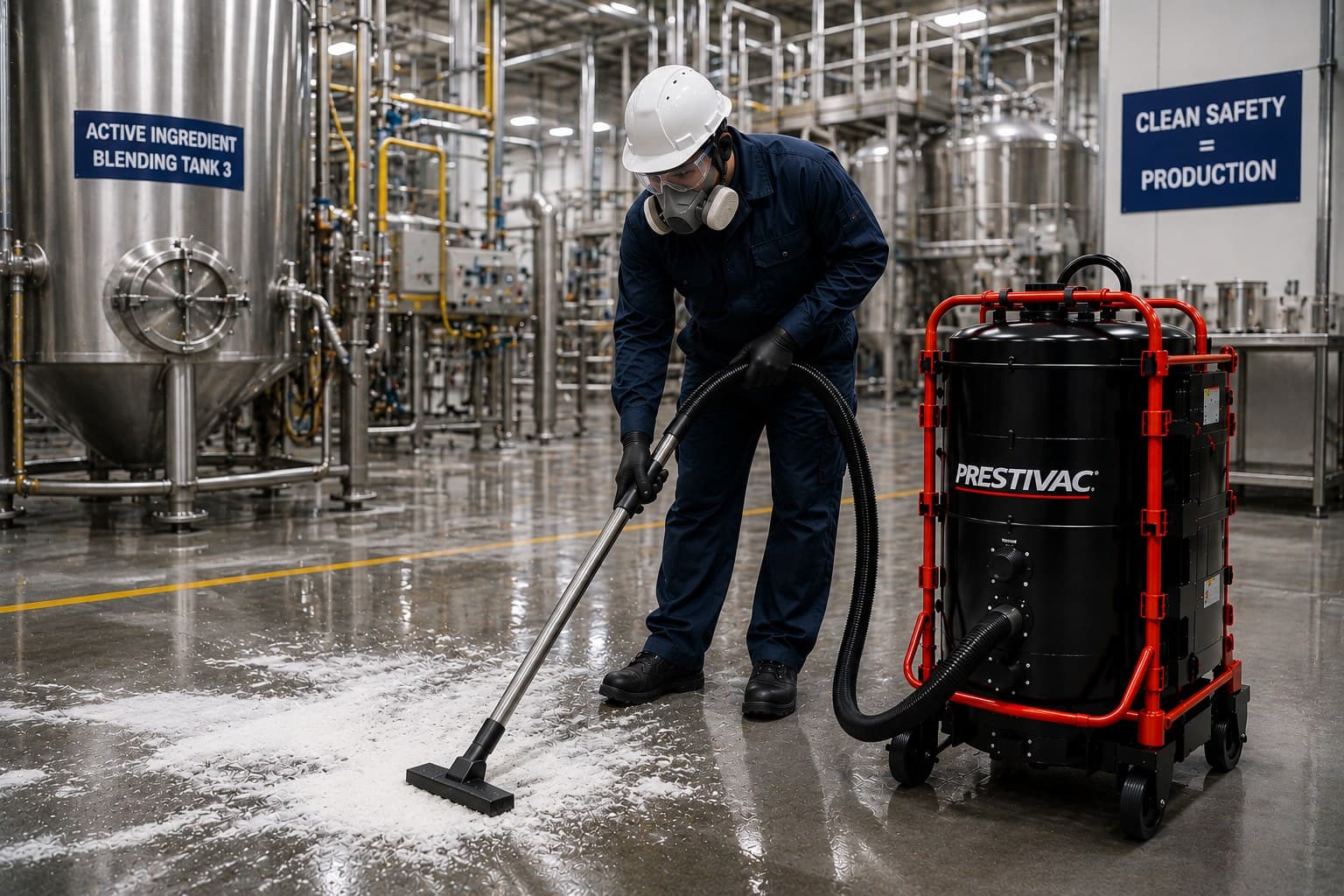
Mixing and blending combine dry powders — and shed them at every step. Charging the vessel, the blending action itself, and discharge each release the fine, often combustible dust of whatever is being blended, from food and pharmaceutical powders to chemicals and pigments. Recovery captures it at the mixer and keeps the changeover between batches clean.
Explosion-Safe Design
Grounded recovery for combustible powder
HEPA Filtration
Potent & exposure-limit powders retained
Built to Last
Rugged. Reliable. PrestiVac.
Maximum Uptime
Fast batch turnover
Overview
Blending is dusty by nature. Dumping powders into a mixer, the blending action, and discharging the batch all liberate airborne fines — and what that dust is depends entirely on the recipe: combustible organic powders in food, pharma and plastics; metal powders; pigments; chemicals. Two problems run alongside the dust. Cross-contamination between batches is a quality failure, and combustible powders demand grounded, rated recovery. Capture belongs at the charge and discharge points, and changeover cleaning — clearing the vessel and the room before the next batch — is where the vacuum earns its place.
Charge & Discharge Dust
The dustiest points of a batch
Combustible Powder
Grounded, rated recovery
Changeover Cleanliness
Clean vessel between batches
Batch Turnover
Fast, repeatable cleanup
Challenges in mixing & blending
- Charging, blending and discharge each release fine airborne powder
- Combustible organic and metal powders demand grounded, rated recovery
- Cross-contamination between batches is a quality failure, not just a mess
- Changeover cleaning between recipes is a recurring time burden
- Blend rooms accumulate fugitive dust on every surface
- Potent pharmaceutical powders carry strict occupational exposure limits
Why vacuum recovery?
- Captures dust at the charge and discharge points where it is generated
- Grounded, rated equipment for combustible organic and metal powders
- HEPA retention and sealed handling for potent, exposure-limited powders
- Dedicated recovery prevents cross-contamination between batches
- Fast, repeatable changeover cleaning keeps the line turning
- Supports combustible-dust and exposure-limit compliance with documented methods
Solution benefits
Better Safety
Combustible blend dust is captured and grounded, not left to accumulate.
Higher Productivity
Changeovers happen faster when cleanup is one repeatable pass.
Cost Savings
Less product loss and less rework from cross-contaminated batches.
Cleaner Workplace
HEPA-retained exhaust keeps potent and fine powders out of the air.
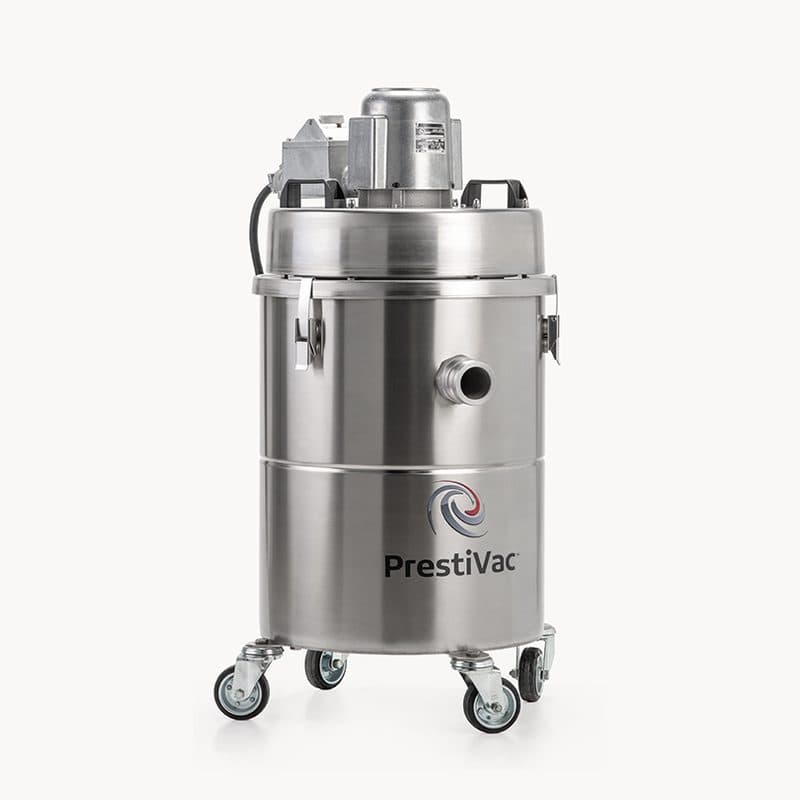
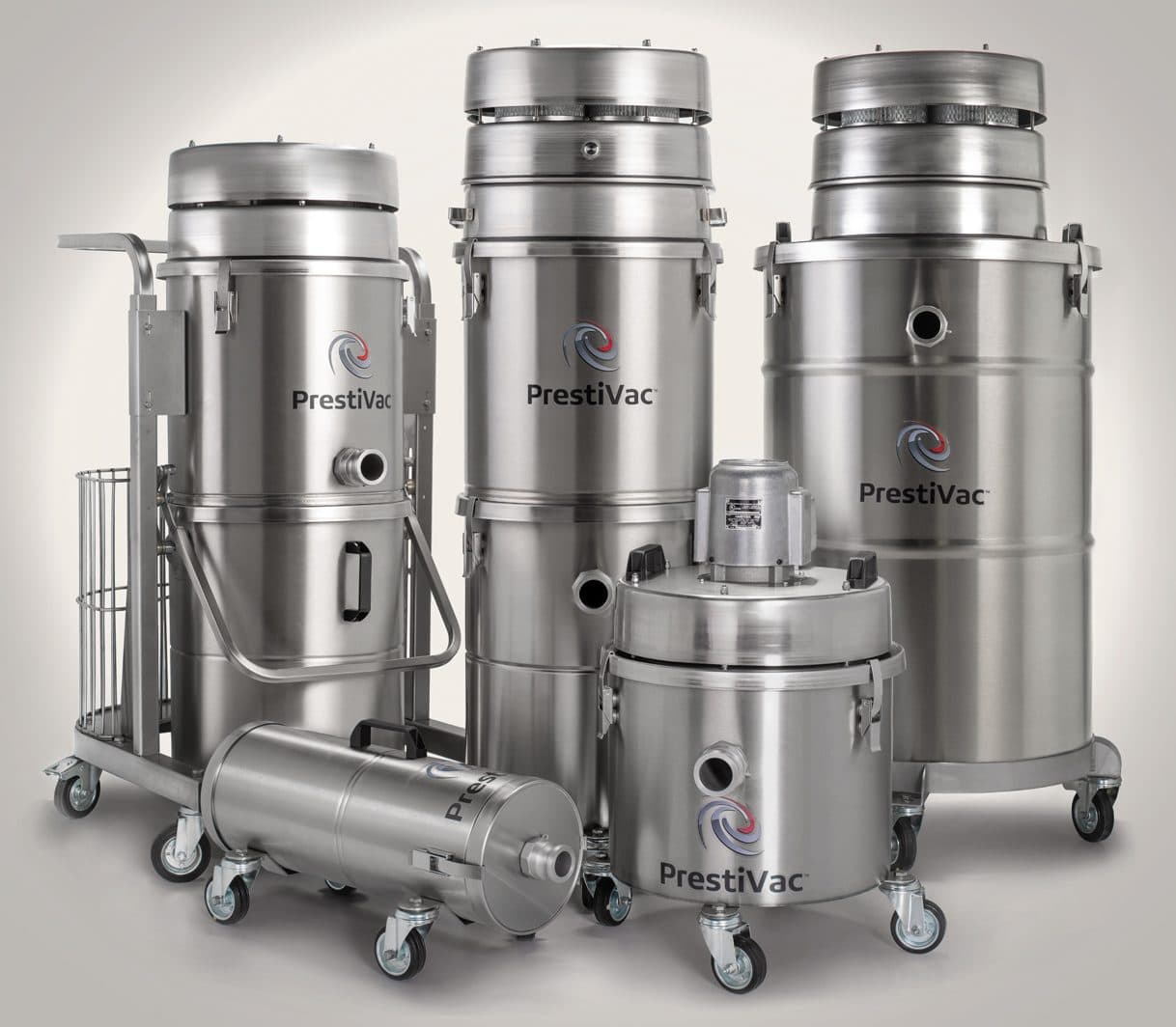
Recommended vacuums
View all vacuums →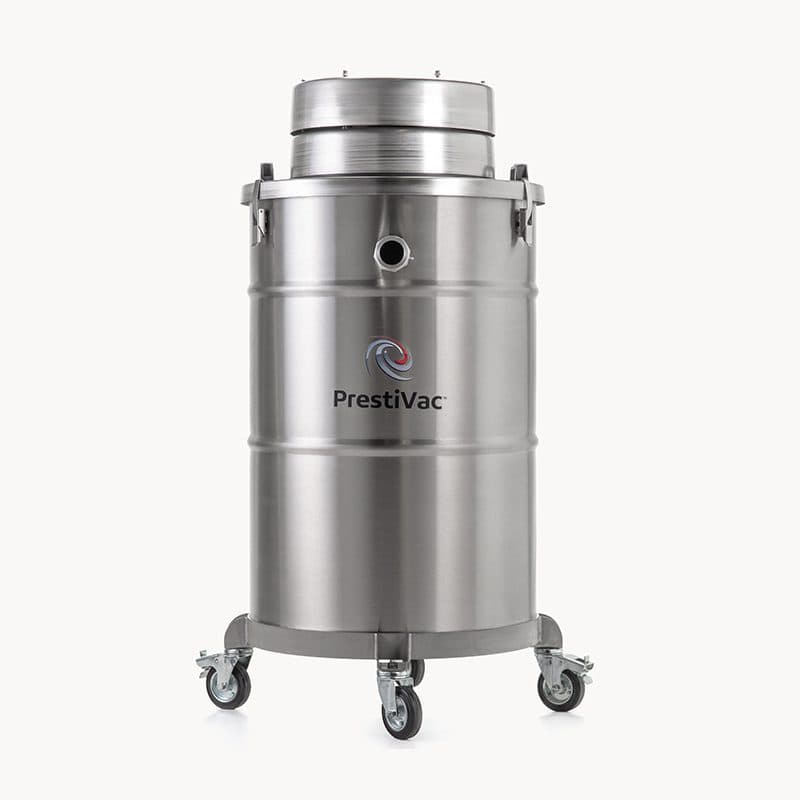
Typical system setup
- 01
Mixer or blender
Ribbon, paddle, tumble or high-shear at the charge/discharge points
- 02
Grounded tool kit
Crevice nozzles and brushes for the vessel and surrounds
- 03
Static-dissipative hose
Bonded, conductive path end to end
- 04
Rated vacuum unit
Explosion-proof for combustible powder; HEPA for potent materials
- 05
Sealed collection & disposal
Cross-contamination and exposure controlled
Potent pharmaceutical and food powders raise the exposure stakes — the pharmaceutical deep dive covers containment.
Mixing & Blending FAQ
Is blended powder dust combustible?
Very often, yes — most food, pharmaceutical and plastic powders are combustible dusts, as are many chemicals and pigments. The specific behavior depends on the material and its fineness, so testing your actual powder governs, and grounded, rated recovery is the safe default wherever combustible powder is blended.
How do I keep batches from cross-contaminating?
Thorough changeover cleaning of the vessel and surrounds between recipes, and, where cross-contamination is a serious quality or allergen concern, dedicated recovery equipment per product line rather than a shared unit. Recovery makes that changeover fast and repeatable instead of a slow manual clean.
What about potent pharmaceutical powders?
Potent active ingredients carry strict occupational exposure limits, so their dust is captured under HEPA retention with sealed handling and disposal as an exposure control. In those settings recovery is typically dedicated to the material and integrated with the containment strategy of the suite.
Where should capture be positioned?
At the dustiest points of the batch — charging powders in and discharging the blend out — plus changeover cleaning of the vessel itself. Blend rooms also accumulate fugitive dust on surrounding surfaces, so scheduled housekeeping backs up the point-of-generation capture.
Talk to the manufacturer
Get the right explosion proof vacuum for your application.
Tell us what you need to vacuum and where. Our technical team will recommend the PrestiVac model best suited to your material, your classification and how hard you will work it — and because we build every unit ourselves, we can modify it to fit.
- Legally certified explosion proof
- Solid stainless steel construction
- Industry-best 3-year warranty
- Designed & manufactured in the USA
- 200+ vacuum versions