
Vacuum solutions engineered for paper & packaging
The industry that converts board and film into boxes, cartons and flexible packaging — and its dust is combustible cardboard and paperboard, joined by the starch adhesive corrugators run. This is the converting side of paper: die-cutting, slitting and folding at speed generate the dust, while paper production itself is covered in the paper mills guide. High-volume converting means high-volume dust.
Combustible-Cellulose Aware
Cardboard dust burns
A Combustible Dust
NFPA 660 particulate solid
HEPA Filtration
Fine paper & starch retained
Built for Converting
Corrugated, cartons, die-cut
Explosion-Proof
Manufacturing specialists
1000+
Vacuums sold worldwide
USA
Designed & manufactured
Direct
Buy from the manufacturer
NFPA 660
ATEX / IECEx principles
Paper & Packaging production process explorer
Every stage. Every challenge. The right vacuum solution.
A packaging-converting operation turns incoming board and film into finished packaging, shedding combustible dust at each mechanical step. Walk the converting stages where capture belongs.
Stage 01 — Board & film receiving
Incoming paperboard, corrugated stock and flexible film are handled and staged; edge dust and fiber begin the converting dust stream from the first cut.
Key challenges
Cellulose and starch, at converting speed
Cardboard Dust Is Combustible
Paperboard and corrugated dust is a combustible particulate solid under NFPA 660 — accumulated dust deflagrates like any fine organic dust.
Starch Corrugating Adhesive
Corrugators use starch-based adhesive — a fine combustible powder that coats the corrugating line alongside the board dust.
High-Volume Die-Cutting
Die-cutting and folding at speed generate combustible board dust and trim continuously — the dusty heart of converting.
Flexible-Film Dust
Converting flexible film sheds self-charging plastic dust and trim, handled with grounded, static-dissipative recovery.
Accumulation Is The Risk
Fine paper dust settles on machinery and structures, building fugitive combustible fuel between cleanings across a high-throughput plant.
Fibrous & Clinging
Paper fiber mats and accumulates, so HEPA-retained recovery with frequent, disciplined housekeeping is essential.
Dust & materials knowledge center
What packaging converting generates
Combustibility and severity are material- and particle-size-specific — testing and your Dust Hazard Analysis govern. Full directory: the full materials directory.
Applications in paper & packaging
- Flexible packaging
- Blister packaging
- Vacuum packaging
- Tray sealing
- MAP packaging
- Bottle production
- Plastic packaging
- Pharmaceutical packaging
- Food packaging
- View all
Built for performance. Built for compliance.
View all products →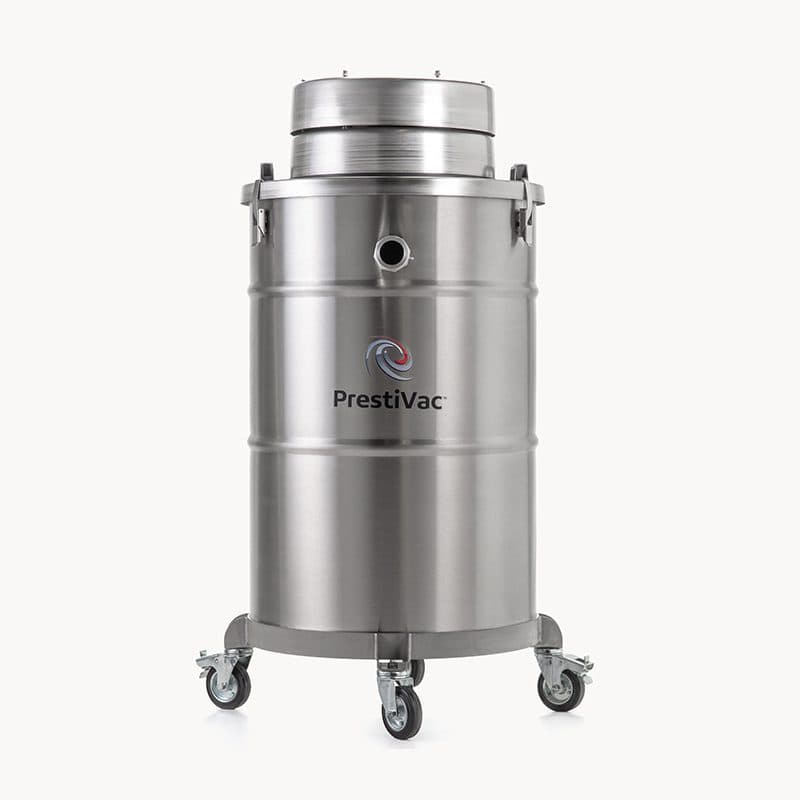
Explosion Proof Vacuums
Grounded, bonded recovery for combustible dust
Learn more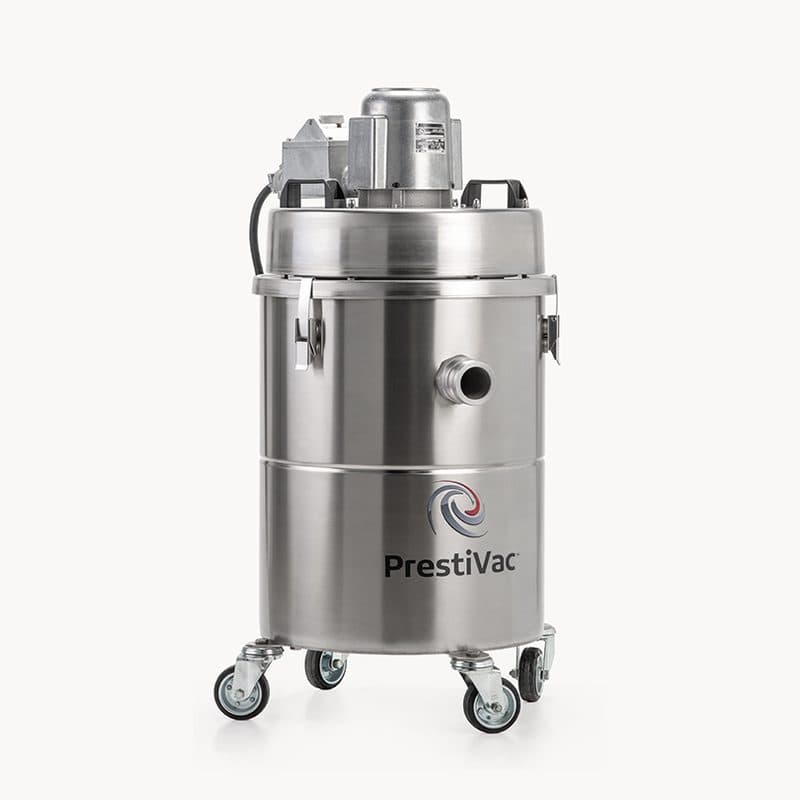
HEPA Vacuums
99.99% filtration for fine and hazardous dust
Learn more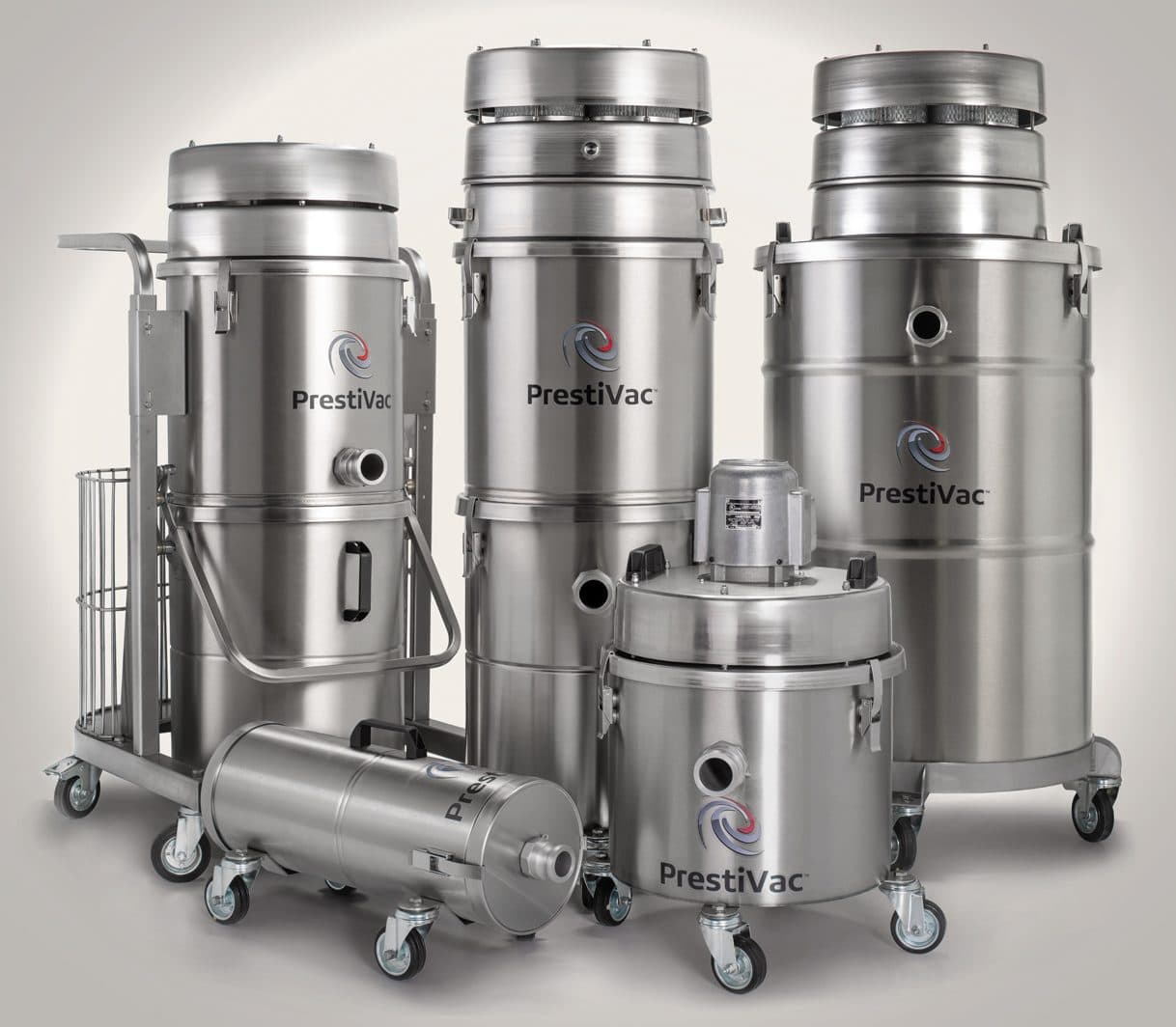
Industrial Vacuums
Continuous-duty recovery for demanding plants
Learn more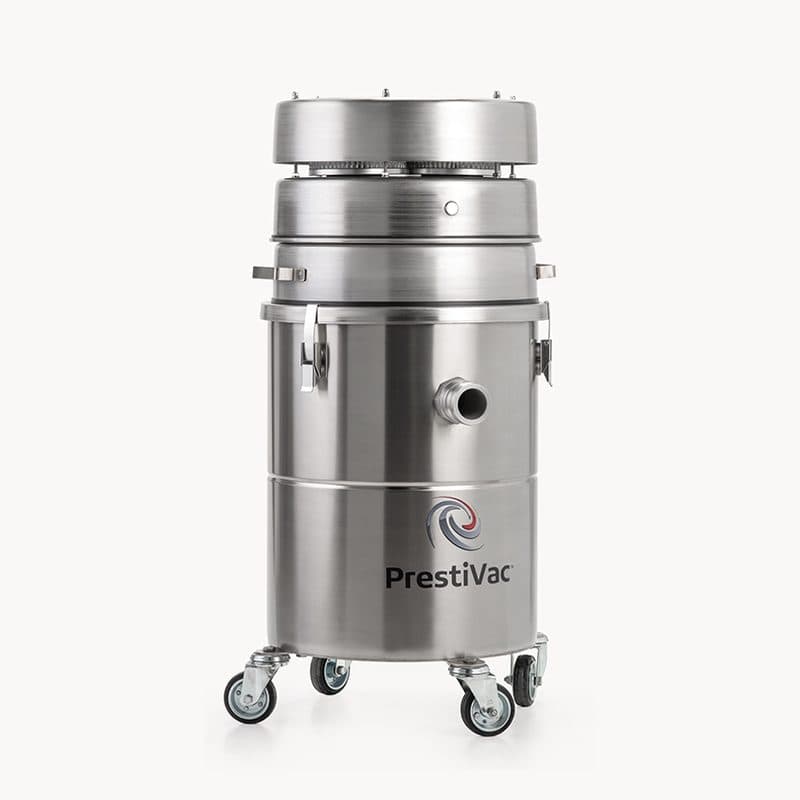
Central Vacuum Systems
Facility-wide housekeeping from fixed drops
Learn more
Representative case study
Controlling Paper and Corrugated Dust in a Converting Plant
A representative scenario: how a high-speed corrugated converting operation brought fibre dust under control without slowing the lines.
Read the full case studyTalk to the manufacturer
Get the right explosion proof vacuum for your application.
Tell us what you need to vacuum and where. Our technical team will recommend the PrestiVac model best suited to your material, your classification and how hard you will work it — and because we build every unit ourselves, we can modify it to fit.
- Legally certified explosion proof
- Solid stainless steel construction
- Industry-best 3-year warranty
- Designed & manufactured in the USA
- 200+ vacuum versions