
Metal 3D Printing Powder Recovery
Safe. Contained. Economical.
The powder your process is built on is a combustible, reactive metal dust — and expensive inventory. PrestiVac recovery systems handle both facts at once: ignition engineered out, fines wetted on entry, and the reuse stream protected instead of contaminated.
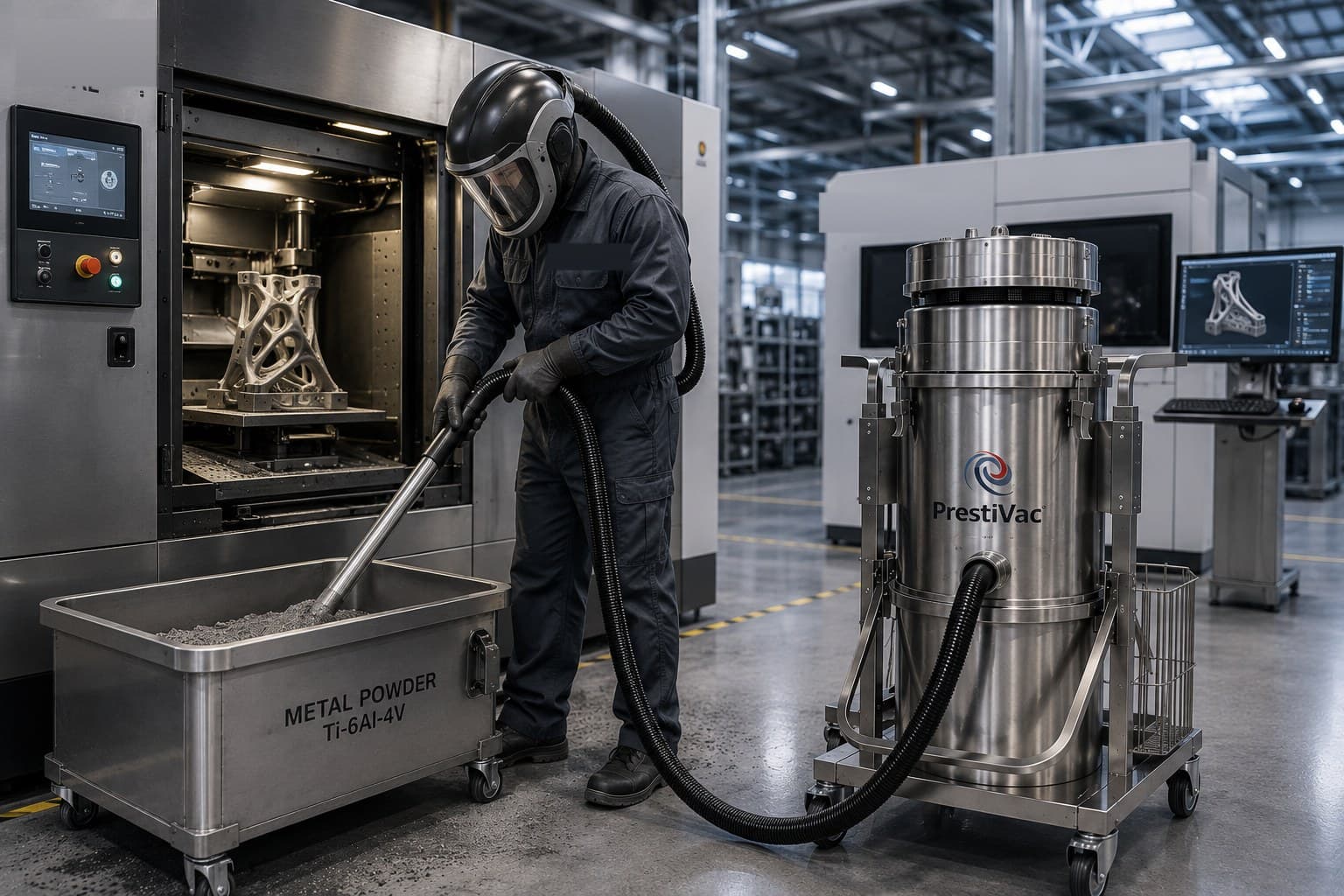
Explosion-Safe Design
Engineered to NFPA 484 / 660 practice
Immersion & HEPA
Reactive fines wetted on entry
Static Control
Grounded & bonded, verified
Maximum Uptime
Faster machine turnaround
Overview
Powder bed fusion spreads fine metal powder thousands of times per build — and some of it always ends up where it doesn't belong: on the build plate at unpacking, around the sieving station, on the floor after a transfer, and deposited inside the chamber as ultra-fine condensate. Each of those is a recovery task with the same two requirements: no ignition sources in the path, and no dry accumulation of a reactive metal anywhere in the system.
Build Chamber Cleanup
Unpacking & turnaround
Powder Handling
Sieving stations & spills
Condensate & Soot
The finest, most reactive fraction
Depowdering
Part & plate cleanup
Challenges in metal AM
- AM powders are engineered fine — squarely in the ignitable range for reactive metals
- Chamber condensate ('soot') is finer and more reactive than virgin powder
- Brush-and-tray handling lofts the worst fraction at operator height
- Powder is expensive inventory: recovery method affects both safety and economics
- Shared cleaning equipment is a cross-contamination path between alloy families
- Nickel and cobalt powders add exposure-limit requirements on top of combustibility
Why engineered vacuum recovery?
- Air-operated explosion-proof units remove electrical ignition entirely
- Immersion separation wets reactive fines the moment they enter
- Grounded, bonded path controls static where concentration peaks
- HEPA-retained exhaust protects operators and the reuse stream
- Detail nozzles capture condensate instead of lofting it
- Alloy-dedicated units close the cross-contamination pathway by rule
Solution benefits
Better Safety
Air-operated units and immersion separation engineer ignition out of powder handling.
Higher Productivity
Faster, cleaner machine turnaround between builds.
Cost Savings
Expensive powder inventory protected; the reuse stream stays uncontaminated.
Cleaner Workplace
HEPA-retained exhaust keeps the finest fraction away from operators.
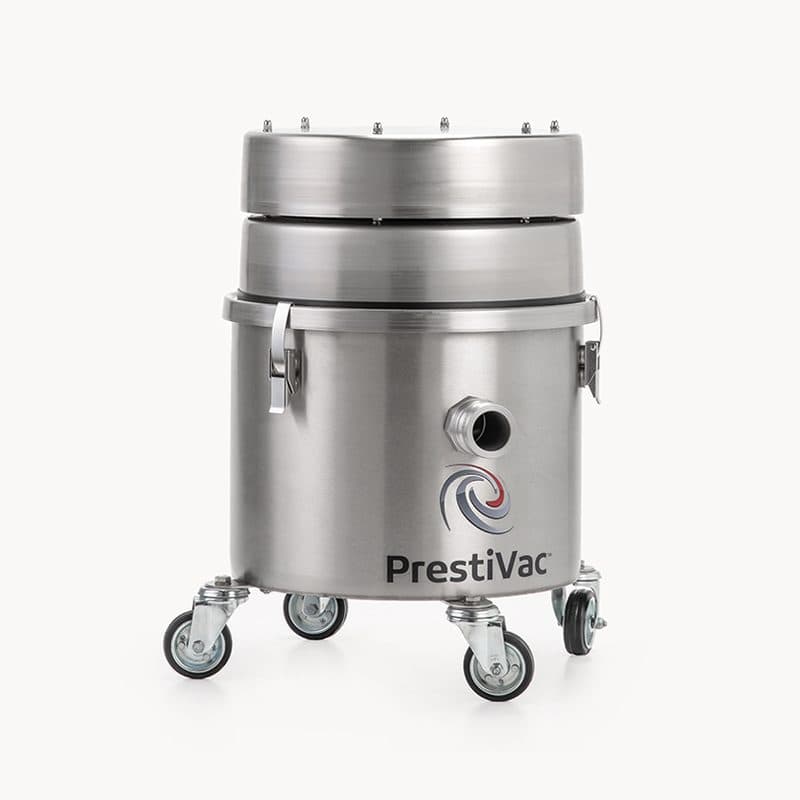
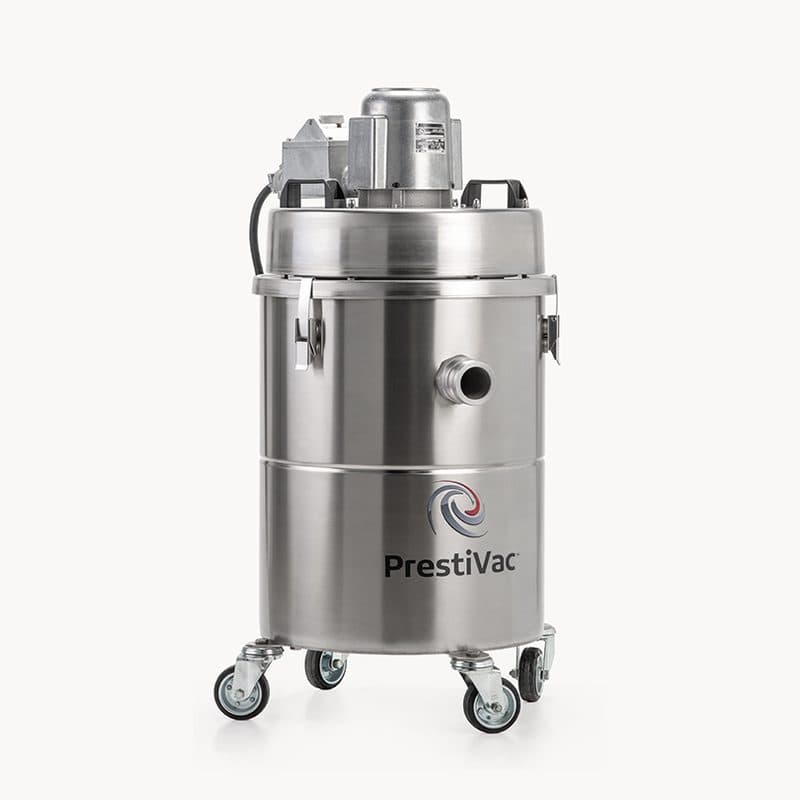
Recommended vacuums
View all vacuums →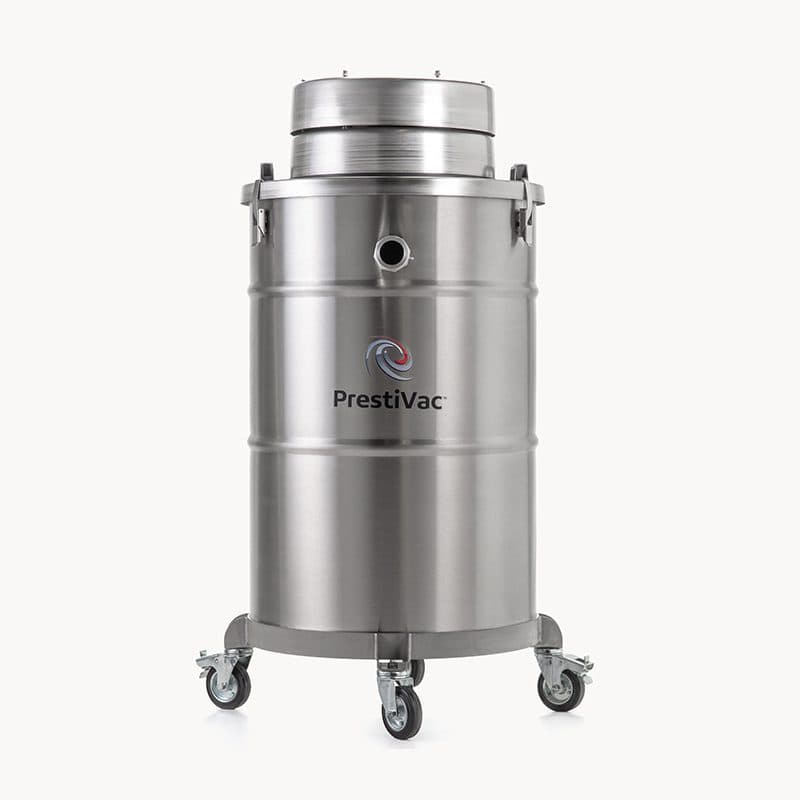
Typical system setup
- 01
Build chamber / depowder station
Powder and condensate at the point of generation
- 02
Grounded tool kit
Stainless wands and detail nozzles, non-sparking
- 03
Air-operated EX vacuum
Zero electrical components in the powder room
- 04
Immersion + HEPA
Fines wetted on entry; 99.99% final stage
- 05
Sealed collection
Wetted transfer to disposition — reuse stream stays separate
Alloy-dedicated units per material family keep the recovery path from becoming a contamination path — labeling is part of the specification, not an afterthought.
Representative case study
Recovering Titanium Powder in a Metal Additive
How a representative aerospace-focused AM producer made powder handling safe and economical at once — air-operated explosion-proof vacuums with immersion separation for one of the most reactive dusts in manufacturing.
Read full case studyNeed help finding the right solution?
Our experts are ready to help.
Tell us about your application and we’ll recommend the ideal vacuum solution.
Get a QuoteMetal 3D Printing FAQ
Can one vacuum serve all our printers?
Only within one alloy family. Cross-contamination between reactive metals — and between nickel superalloys and everything else — is a quality and safety pathway; alloy-dedicated, labeled units close it by rule.
Is chamber condensate really different from the powder?
Yes — process condensate ('soot') is finer and more reactive than virgin powder. It's captured with detail nozzles at low disturbance, never brushed or blown, and treated as the most reactive material on site.
Can vacuum-recovered powder go back into the build supply?
No — the reuse stream runs through the process's own sieving and qualification path. Vacuum-collected material is a disposal stream, wetted and sealed; keeping the two separate protects part quality and the powder economics.
Are electric explosion-proof vacuums acceptable in the powder room?
Area classification decides — and air-operated units remove the question entirely, with no electrical components anywhere on the unit. For reactive AM powders that simplification is usually worth specifying.
Talk to the manufacturer
Get the right explosion proof vacuum for your application.
Tell us what you need to vacuum and where. Our technical team will recommend the PrestiVac model best suited to your material, your classification and how hard you will work it — and because we build every unit ourselves, we can modify it to fit.
- Legally certified explosion proof
- Solid stainless steel construction
- Industry-best 3-year warranty
- Designed & manufactured in the USA
- 200+ vacuum versions