
Spill Cleanup Vacuum Solutions
Incidental spills, handled. Emergencies belong to HAZWOPER.
Bag breaks, drum drips, process upsets — the routine releases a trained crew handles as part of the job, with recovery equipment matched to the material and staged before it's needed. And one honest line drawn in advance: where incidental ends, the emergency plan begins.
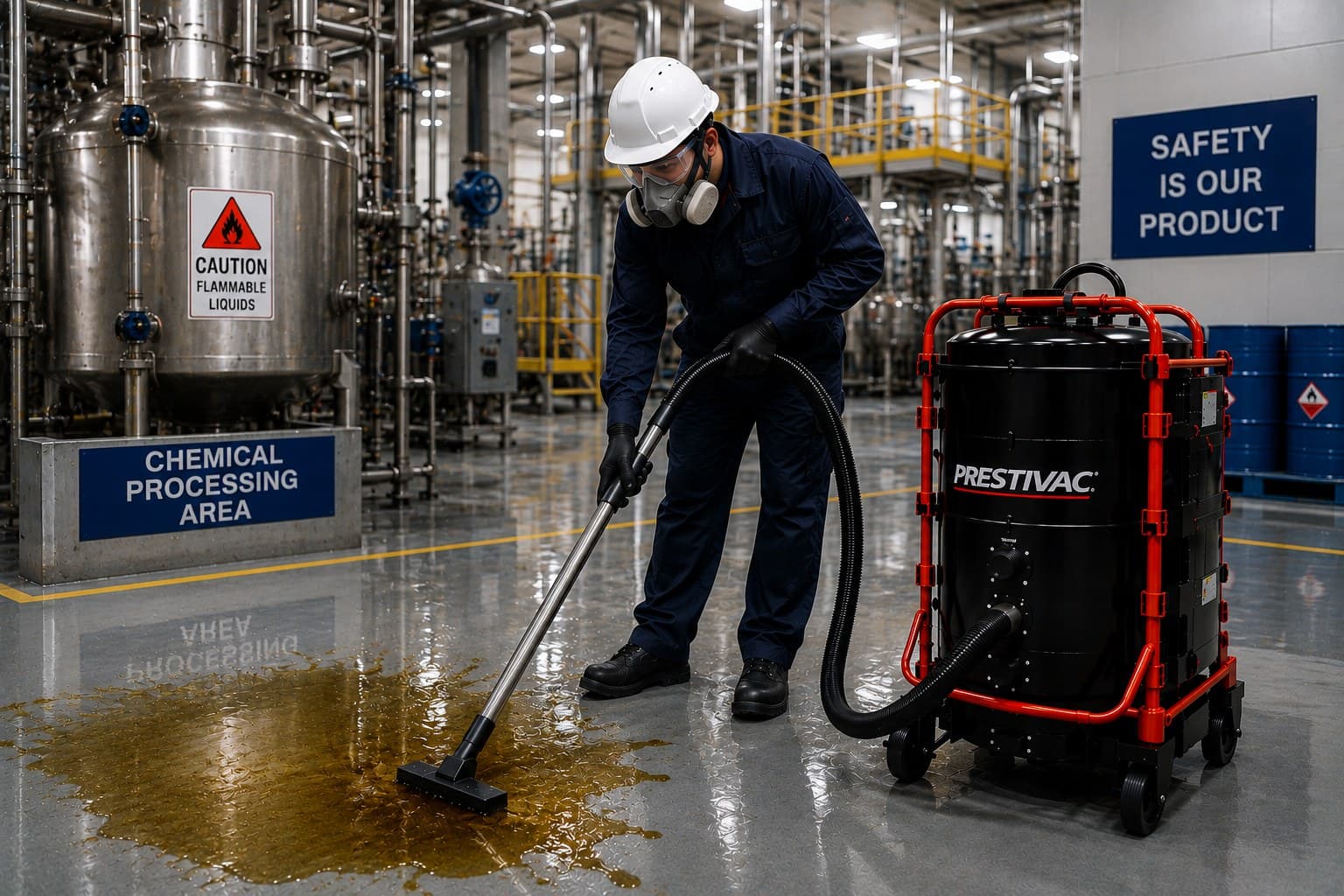
Explosion-Safe Design
Rated recovery for combustible spills
HEPA Filtration
Exposure powders stay captured
Zero-Electrical Options
Air-operated for flammable areas
Staged & Ready
Response measured in minutes
Overview
A spill has two boundaries, and the program draws both before anything hits the floor. The first is material: a spill keeps the identity of what spilled. Flour on the floor is still a combustible dust; metal powder keeps its reactive-metal rules; an exposure-limit powder still owes HEPA retention and sealed disposal. Liquids add their own ledger — slip hazard immediately, vapor where the liquid is flammable, disposal always — and flammable liquids demand ignition-source elimination, which is exactly why air-operated recovery with zero electrical components is the flammable-area default. Wet-capable configurations exist across the lineup; confirming the right one for your specific liquids is an engineering conversation worth having before the spill. The second boundary is regulatory: OSHA's HAZWOPER framework separates incidental releases — limited quantity, no escalating hazard, handled by trained employees as routine work — from emergency responses that belong to trained response teams under 1910.120. This guide equips the incidental side. The moment a release threatens beyond routine control, the emergency plan takes over, full stop.
Powder Spills
Bag breaks keep their material's rules
Liquid Spills
Slip, vapor & disposal managed
Flammable-Area Response
Air-operated, grounded, zero electrical
Sealed Disposition
The spill leaves in one contained step
Challenges in spill response
- A spill inherits its material's rules — combustible stays combustible on the floor
- Wet floors are the immediate injury while the cleanup is being decided
- Flammable liquids pair vapor with every ignition source in reach
- The wrong equipment turns the cleanup itself into the ignition source
- The incidental-versus-emergency line has to be drawn before the spill, not during it
- Disposal is part of the spill — recovery that ends in an open container isn't finished
Why vacuum recovery?
- Material-matched recovery staged in advance — the response is a walk, not a scramble
- Air-operated zero-electrical options remove the ignition question in flammable areas
- HEPA retention for exposure powders — the cleanup doesn't create the exposure
- Grounded, bonded equipment as the default, not the upgrade
- One contained step from floor to sealed disposition
- Documented response that slots into the spill plan and the training record
Solution benefits
Better Safety
The response never adds an ignition source or an exposure to the incident.
Higher Productivity
Staged equipment turns a line-down event into a minutes-long interruption.
Cost Savings
Single-pass recovery with sealed disposal — no absorbent mountains to buy and landfill.
Cleaner Workplace
The spill leaves completely, residue and all, instead of being spread thinner.
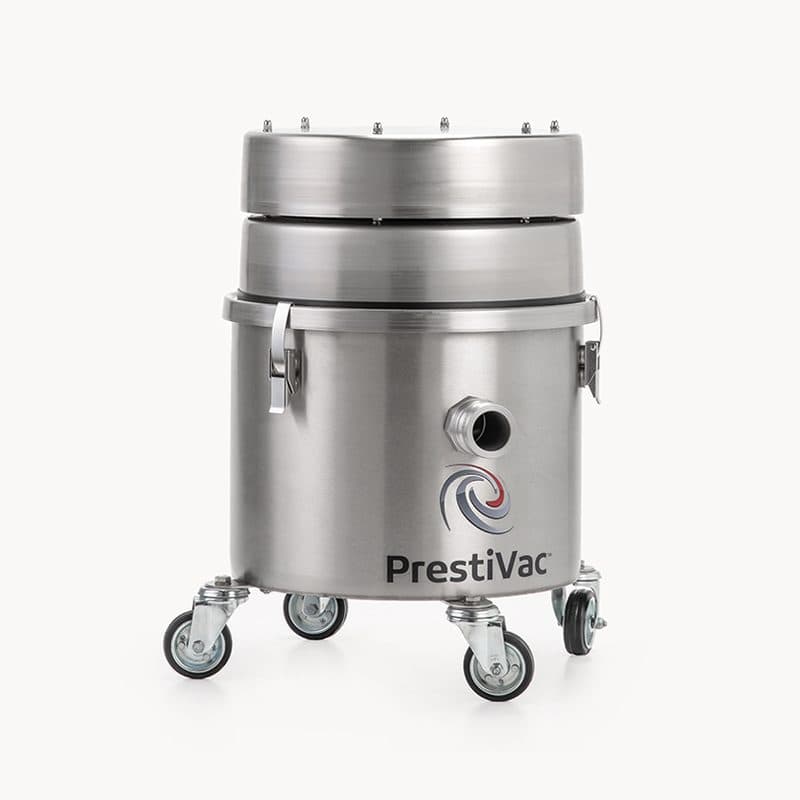
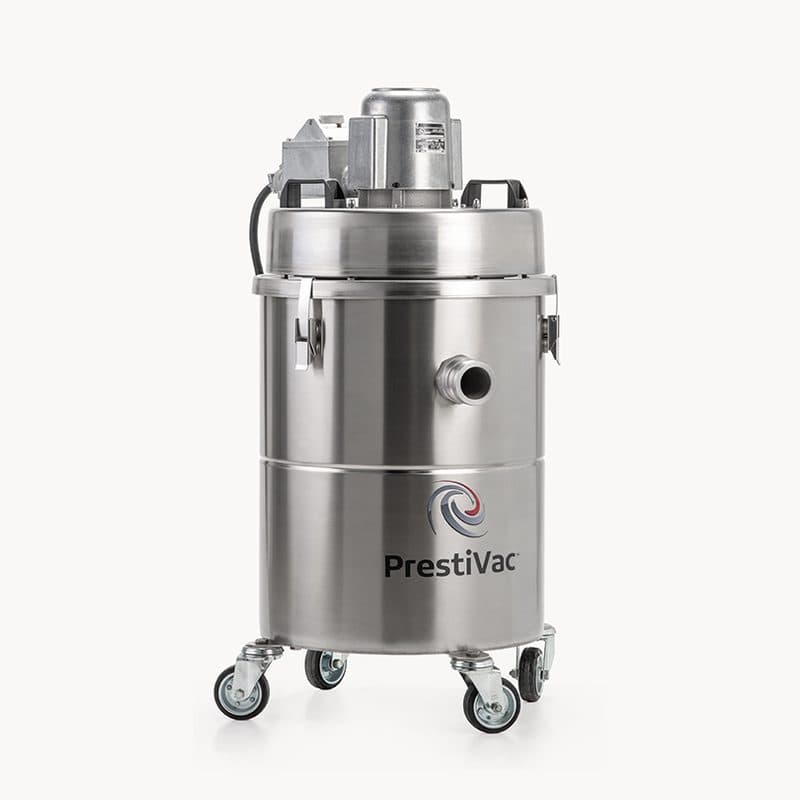
Recommended vacuums
View all vacuums →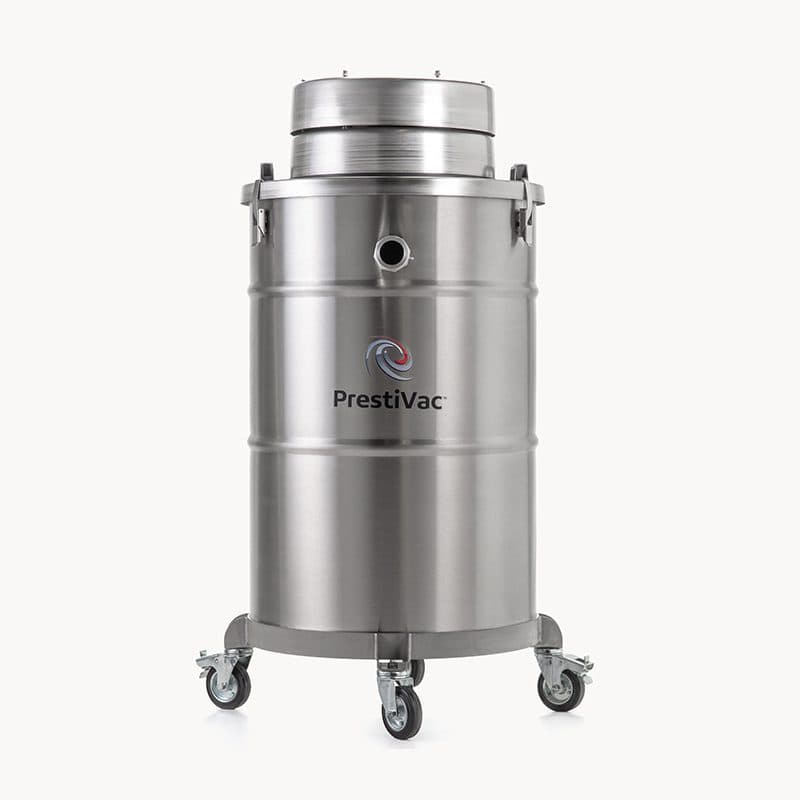
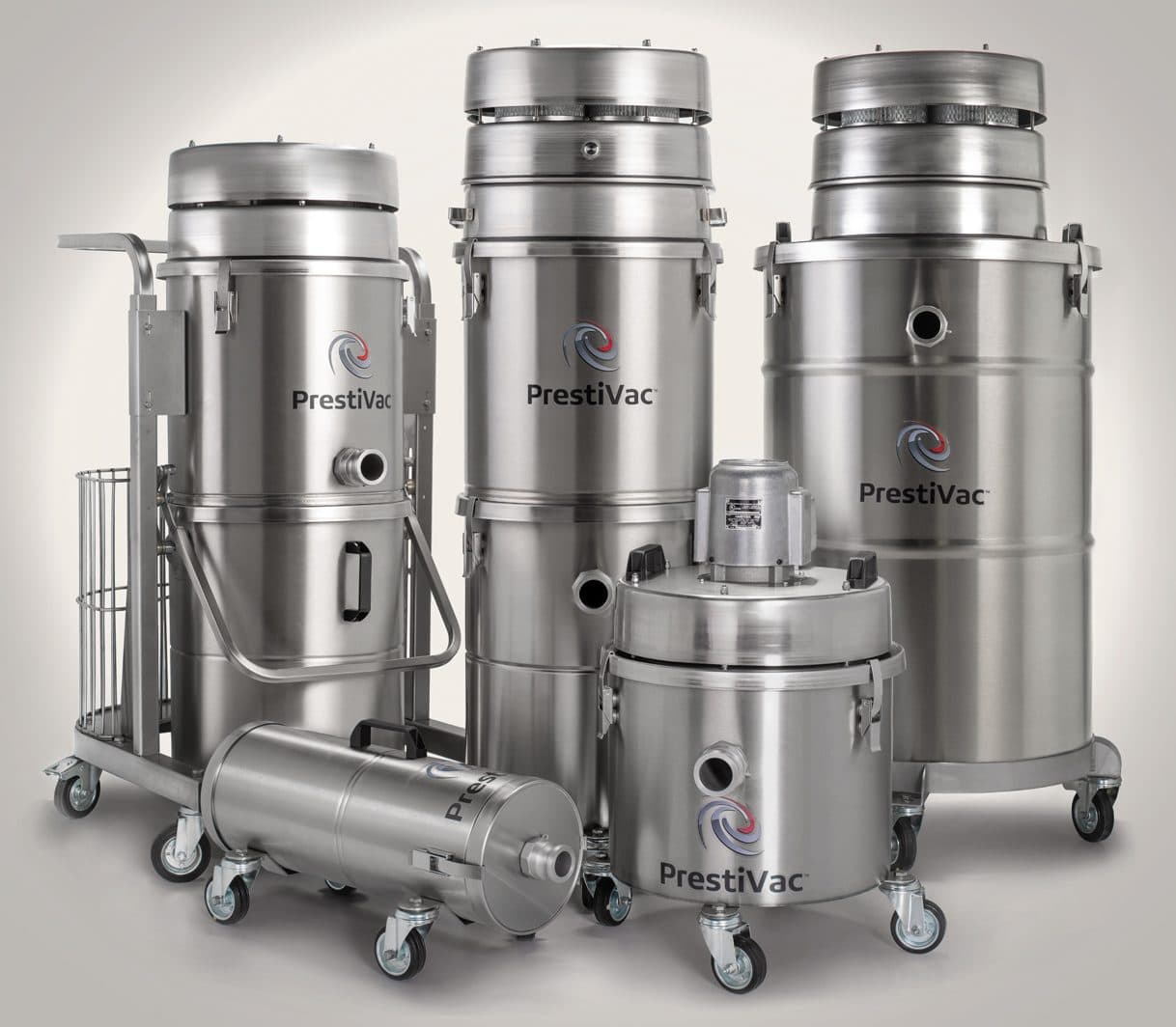
Typical system setup
- 01
Staged spill station
Unit, tools and drums positioned where the risk lives
- 02
Material-matched tools
Floor tools and squeegee heads for powder and liquid
- 03
Grounded, static-dissipative runs
Bonded path — mandatory around flammables
- 04
Rated or air-operated unit
Matched to the material; zero-electrical for flammable areas
- 05
Sealed collection & disposition
The spill leaves contained, documented, in one step
Liquids need configuration confirmation before staging — get a quote about compatibility with your specific materials.
Spill Cleanup FAQ
Can a vacuum recover flammable liquid spills?
The class answer is why air-operated units exist: zero electrical components means zero electrical ignition sources, which makes them the flammable-area default. The specific answer — compatibility with your liquid, vapor behavior, the right configuration — is an engineering conversation to finish before the unit is staged, not after the spill.
What counts as incidental versus emergency?
OSHA's HAZWOPER framework draws it: incidental releases are limited in quantity, pose no escalating hazard, and are handled by trained employees as routine work; anything beyond that is an emergency response belonging to trained teams under 1910.120. The critical discipline is drawing that line in your spill plan before anything spills — mid-incident is the wrong time to decide.
Does spilling change what the material requires?
No — the floor doesn't neutralize anything. A flour spill is combustible dust demanding rated recovery; metal powder keeps its reactive-metal rules; exposure-limit powders still owe HEPA retention and sealed disposal. The material's own guide travels with it, which is why response equipment is matched to inventory in advance.
What about unknown or corrosive spills?
Unknown means don't vacuum. Identify first — the SDS governs the method, the PPE and the disposal — and treat unidentified releases as escalating toward the emergency side of the line until proven otherwise. Recovery equipment serves the plan; it never substitutes for knowing what's on the floor.
Talk to the manufacturer
Get the right explosion proof vacuum for your application.
Tell us what you need to vacuum and where. Our technical team will recommend the PrestiVac model best suited to your material, your classification and how hard you will work it — and because we build every unit ourselves, we can modify it to fit.
- Legally certified explosion proof
- Solid stainless steel construction
- Industry-best 3-year warranty
- Designed & manufactured in the USA
- 200+ vacuum versions