
Warehouse Housekeeping Vacuum Solutions
A warehouse inherits its inventory's dust.
Whatever the racks hold, the building collects — bagged powders shed, cardboard flies continuously, and forklift traffic redistributes all of it daily. PrestiVac recovery puts rack tops, beams, aisles and docks on a documented rotation that brooms and blow-down never touch.
Explosion-Safe Options
Rated units where inventory demands
HEPA Filtration
Fines captured, not redistributed
High-Volume Recovery
Aisle miles on a schedule
Rack-Scale Reach
Beams and tops from the floor
Overview
A warehouse's dust profile is inherited: a building full of bagged flour carries a combustible-dust program; a building full of bolts carries a nuisance one — and most carry both, aisle by aisle. Three streams do the accumulating. Stored product sheds through bag pores, box seams and case breaks. Cardboard sheds continuously — the fly is generated every time a case moves. And traffic redistributes everything: forklifts and air movement lift settled dust from floors onto beams, rack tops, light fixtures and sprinkler lines, the elevated surfaces that inspections find and brooms never reach. OSHA's expectations are written down — walking-working surfaces kept clean and orderly, storage areas kept free of accumulation that creates hazards — and a documented vacuum rotation is how a building this size actually meets them.
Rack Tops & Beams
Elevated-surface logic at rack scale
Cardboard Fly
The continuous shedder, captured
Dock & Staging
Where packaging dust starts — and stops
Aisle Floors
Traffic lanes on high-frequency rotation
Challenges in warehouse housekeeping
- The dust profile changes with the inventory — the program has to read the racks
- Rack tops, beams and fixtures accumulate out of sight and out of broom reach
- Cardboard fly regenerates with every case picked — it never stays swept
- Forklift traffic and dock air redistribute floor dust upward all shift
- Walking-surface and storage-area housekeeping are written OSHA obligations
- Square footage defeats casual methods — only a scheduled rotation covers it
Why vacuum recovery?
- Single-pass capture — traffic can't redistribute what's been removed
- Long-reach kits put rack tops and beams on routine from the floor
- HEPA retention keeps fines out of the air a busy building keeps moving
- Rated equipment options where bagged combustibles set the requirement
- A documented rotation is inspectable evidence, not a claim
- Dock and staging discipline stops packaging dust at the door
Solution benefits
Better Safety
Elevated fuel comes down on schedule instead of waiting for an inspection to find it.
Higher Productivity
Aisles clean in one pass — no sweep, resettle, sweep again across acres of floor.
Cost Savings
Grit off floors and equipment cuts wheel, door and conveyor wear building-wide.
Cleaner Workplace
HEPA-retained capture keeps the air as clean as the floors.
Recommended vacuums
View all vacuums →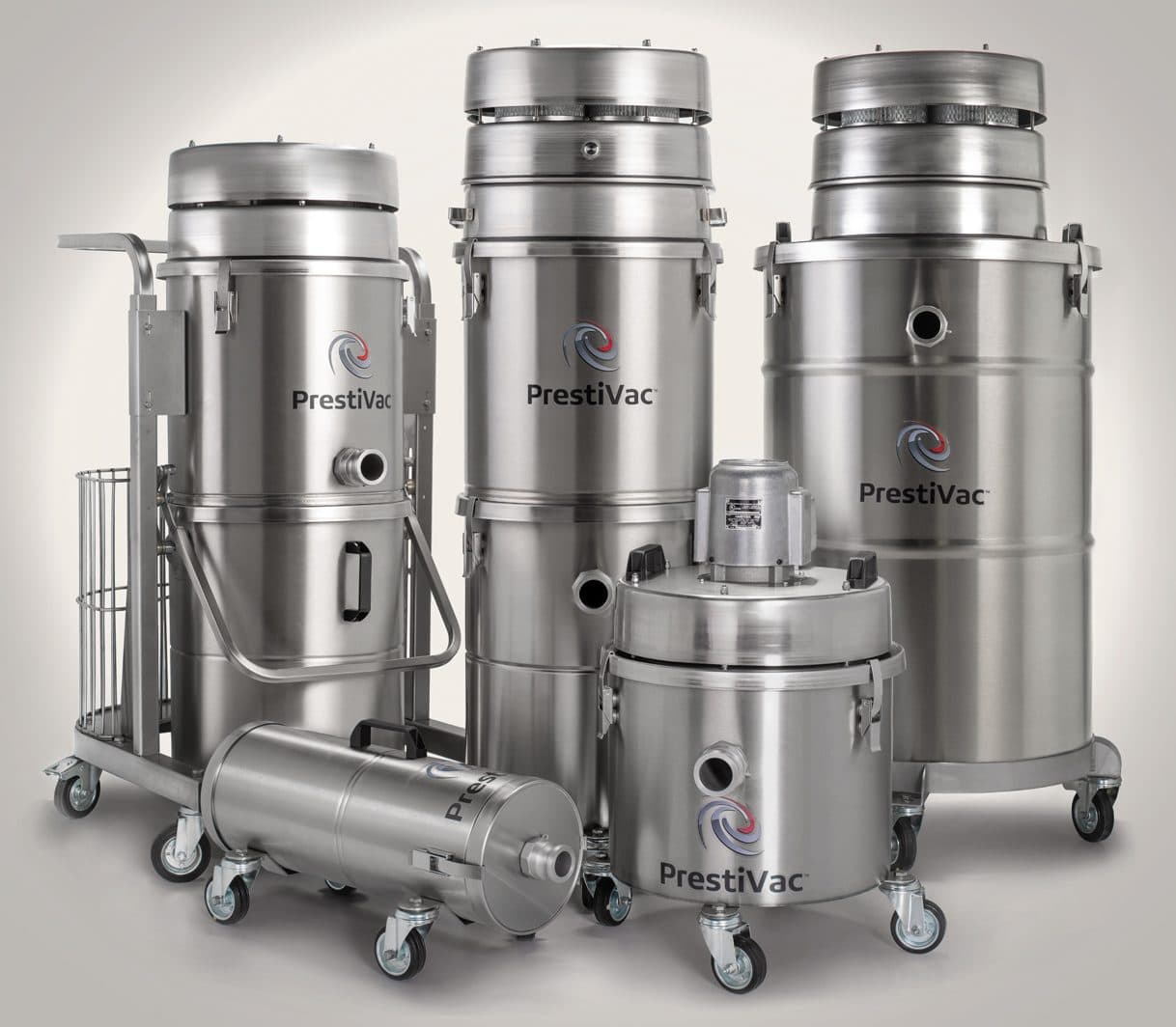
Industrial Vacuums
Continuous-duty recovery for demanding plants
View category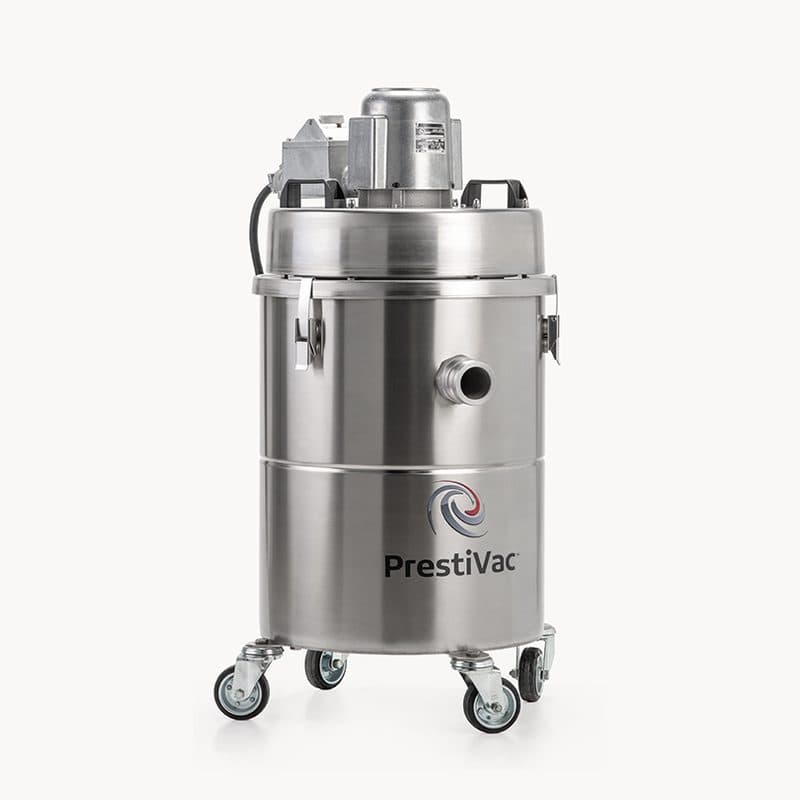
HEPA Vacuums
99.99% filtration for fine and hazardous dust
View category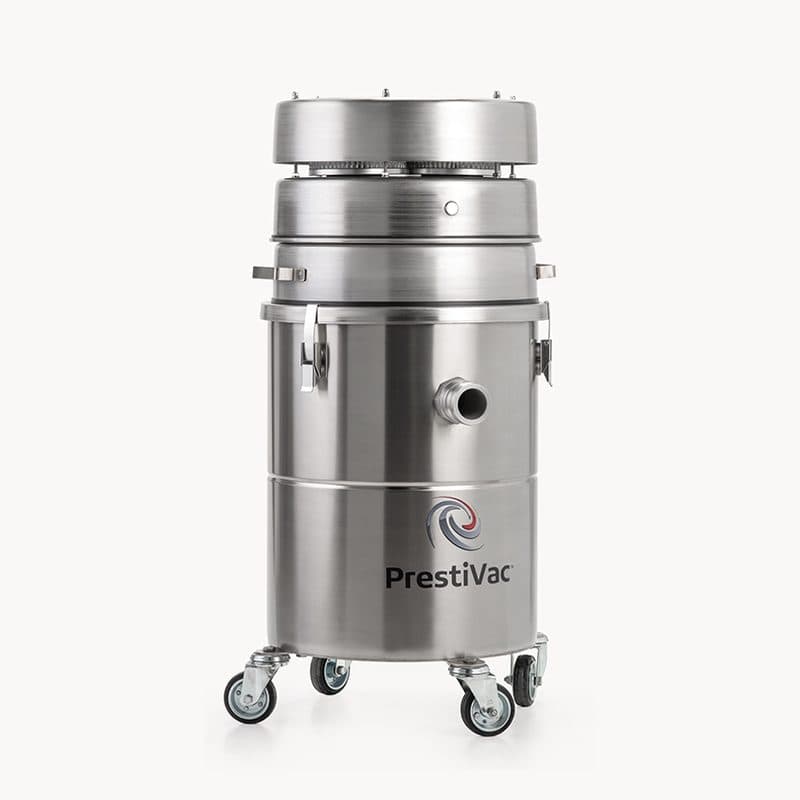
Central Vacuum Systems
Facility-wide housekeeping from fixed drops
View category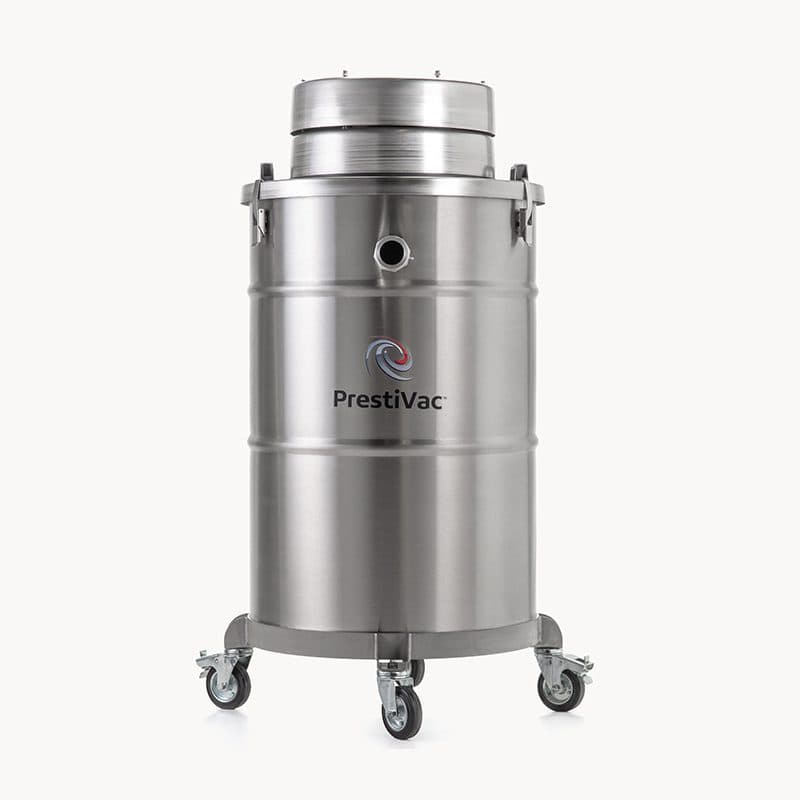
Explosion Proof Vacuums
Grounded, bonded recovery for combustible dust
View category
Typical system setup
- 01
Aisle & dock floor tools
Wide tools sized for lane mileage and dock grit
- 02
Long-reach kit
Rack tops, beams and fixtures from standing positions
- 03
Durable hose runs
Abrasion-resistant lengths for building-scale coverage
- 04
Industrial or rated unit
Matched to the inventory's dust profile
- 05
Sealed collection & disposal
Captured fines leave the building contained
Inventory decides the specification — get a quote about what your racks actually hold.
Warehouse Housekeeping FAQ
Is warehouse dust actually combustible?
It depends entirely on the racks. Bagged flour, sugar, powders and resins shed combustible fines through every pore and seam; hardware and finished goods mostly shed cardboard and nuisance dust. Most buildings carry both profiles aisle by aisle — which is why the program starts by reading the inventory, and a Dust Hazard Analysis governs where combustibles live.
Do rack tops really matter that much?
They're the warehouse version of the elevated-surface problem: accumulation building where nobody looks, above traffic that can loft it. Long-reach recovery puts beams, tops and fixtures on a defined rotation from the floor — no ladders, no waiting for the annual shutdown.
What does OSHA actually require here?
Walking-working surfaces kept clean, orderly and sanitary, and storage areas kept free of accumulations that create hazards — written obligations, not suggestions. A documented vacuum rotation with defined frequencies is how a building measured in acres demonstrates both.
How do we deal with cardboard dust?
Accept that it regenerates — every case picked sheds more — and beat it with discipline instead of chasing it: recovery at the dock and staging areas where packaging concentrates, high-frequency rotation in pick lanes, and sealed disposal so the fly leaves the building instead of touring it.
Talk to the manufacturer
Get the right explosion proof vacuum for your application.
Tell us what you need to vacuum and where. Our technical team will recommend the PrestiVac model best suited to your material, your classification and how hard you will work it — and because we build every unit ourselves, we can modify it to fit.
- Legally certified explosion proof
- Solid stainless steel construction
- Industry-best 3-year warranty
- Designed & manufactured in the USA
- 200+ vacuum versions