Tank & Vessel Cleaning Vacuum Solutions
The vessel remembers what it held.
Cleaning a tank, reactor or process vessel means recovering what settled inside — product residue, sludge and scale that carry the hazard of whatever the vessel last held. Recovery works reach-first to keep operators out of the confined space where possible, handling wet and dry material with equipment rated for the residue in front of it.
Confined-Space Ready
Reach-first, entry minimized
HEPA & Sealed
Chemical & toxic residue contained
Built to Last
Rugged. Reliable. PrestiVac.
Wet & Dry
Sludge and settled solids
Overview
A vessel's cleanup hazard is inherited from its contents. Storage tanks, reactors, mixers and process vessels accumulate settled product, sludge, scale and residue, and that material is flammable, chemical, toxic or combustible depending on what was last inside. Two disciplines govern the work. Confined-space entry is the safety framework, so recovery is specified reach-first — clearing as much as possible from the manway before anyone enters — and the residue itself sets the equipment: wet-capable for sludge, rated for flammable material, HEPA-retained and sealed for toxic or potent residue.
Sludge & Liquid Residue
Wet material recovered directly
Chemical & Toxic Residue
Sealed, HEPA-retained handling
Settled Product & Solids
Dry residue and scale
Changeover & Turnaround
Vessel clean between campaigns
Challenges in tank & vessel cleaning
- Confined-space entry is the governing safety framework
- The residue hazard is inherited from whatever the vessel last held
- Wet sludge and dry residue often occur together in one vessel
- Reach-first recovery minimizes the need for entry
- Flammable residue requires rated equipment inside the vessel
- Chemical and toxic residue demands sealed, contained disposal
Why vacuum recovery?
- Reach-first recovery clears the vessel before entry where possible
- Wet-and-dry capability handles sludge and settled solids together
- Rated equipment for flammable and combustible residue
- HEPA retention and sealed handling for chemical and toxic material
- Supports the confined-space entry program with a documented method
- Faster changeover and turnaround between campaigns
Solution benefits
Better Safety
Reach-first recovery keeps people out of the confined space where possible.
Higher Productivity
Vessels return to service faster between batches and campaigns.
Cost Savings
Less manual entry, less downtime and less residual product loss.
Cleaner Workplace
Chemical and toxic residue stays contained through disposal.
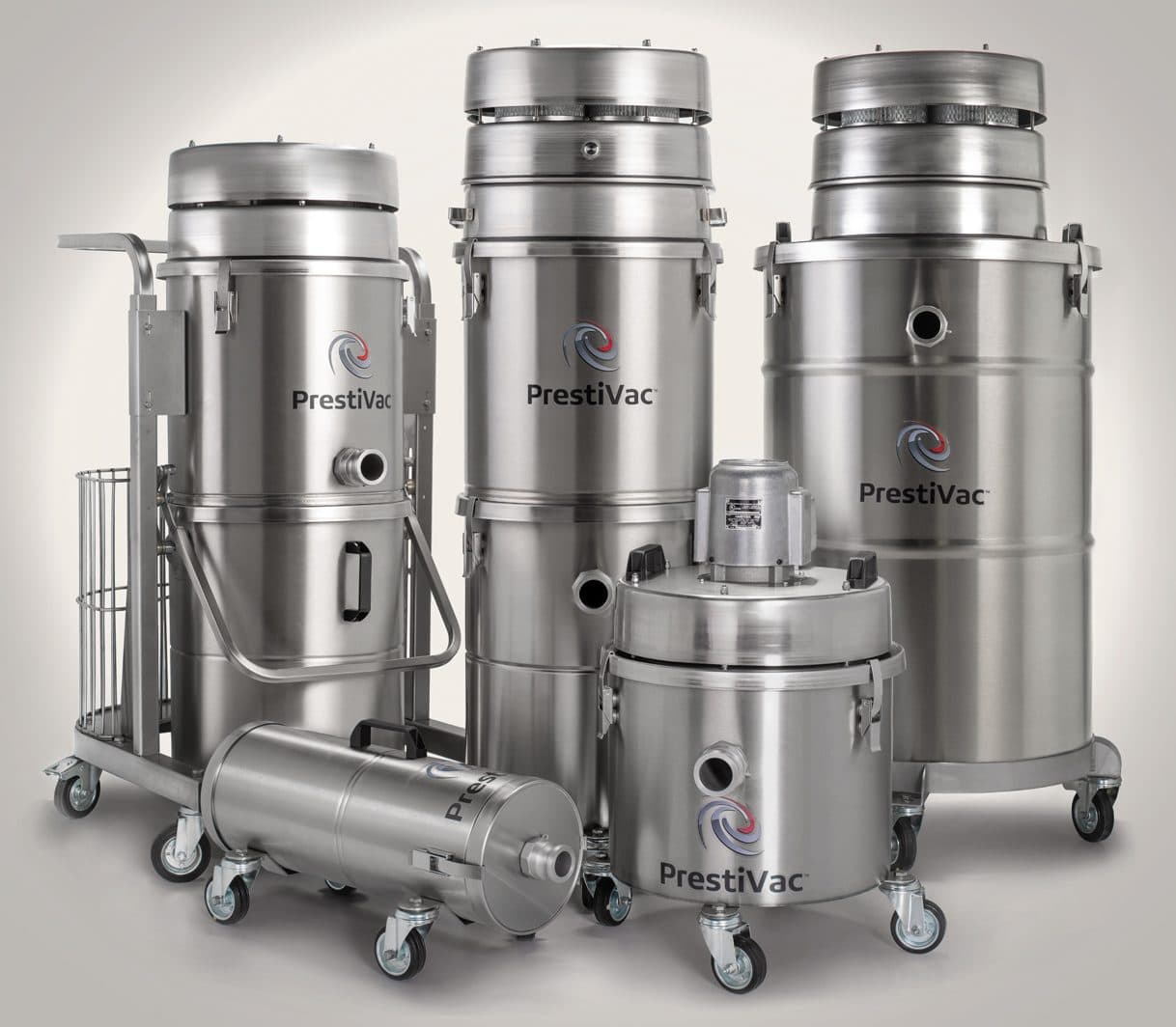
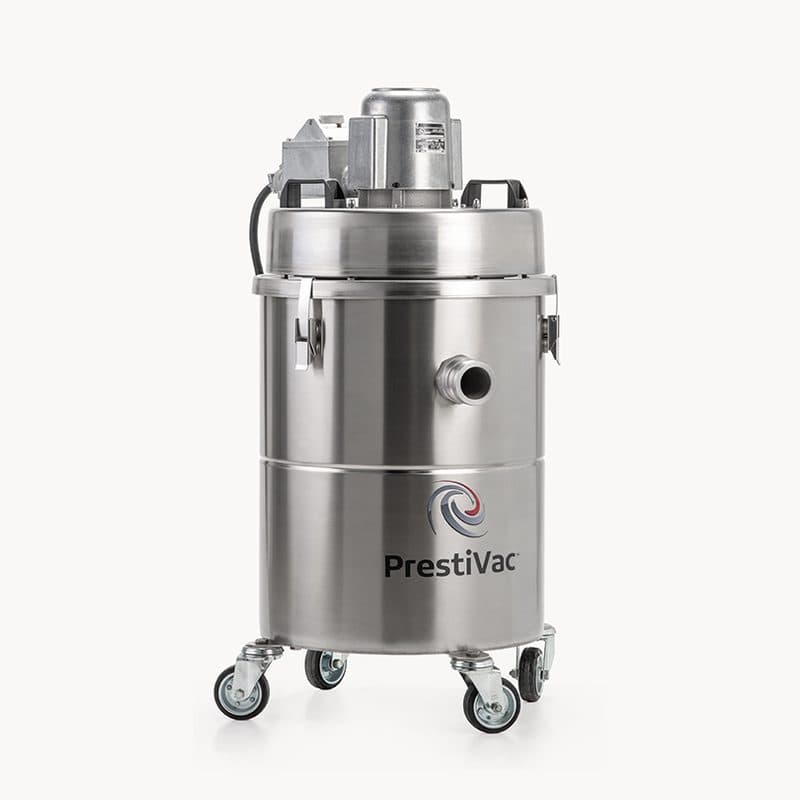
Recommended vacuums
View all vacuums →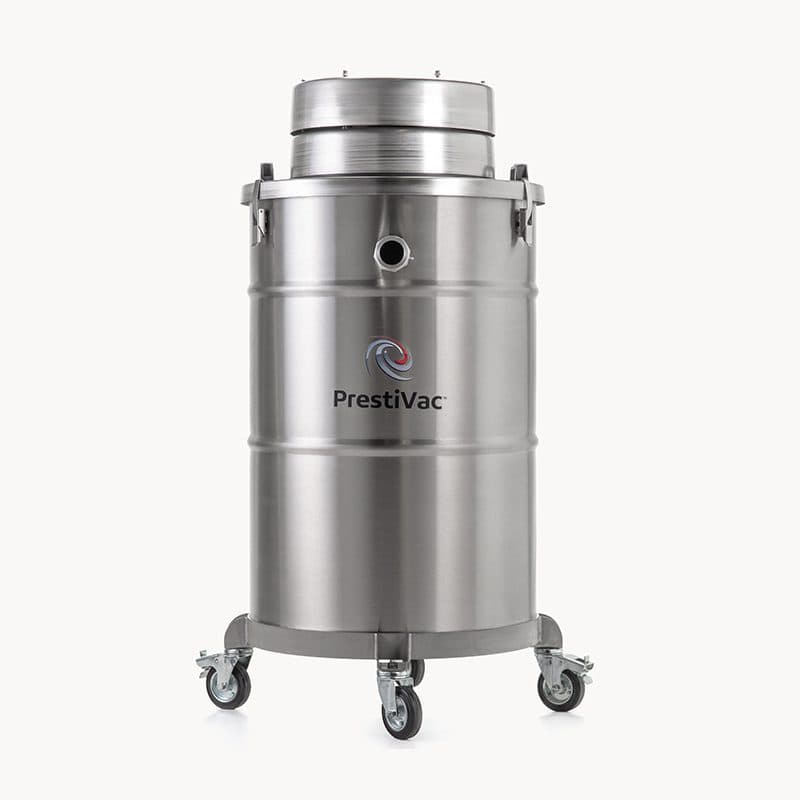
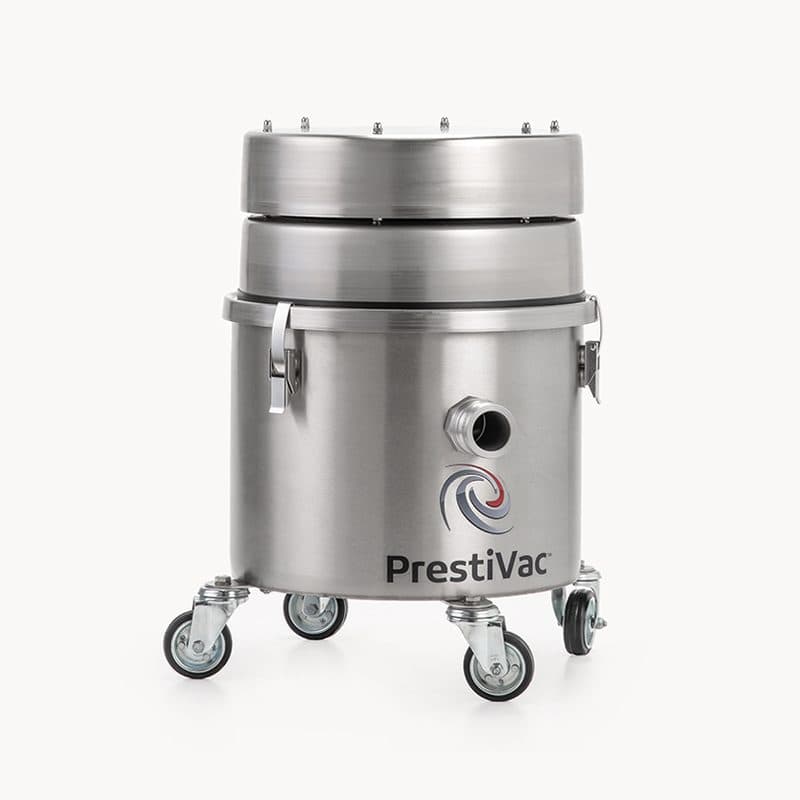
Typical system setup
- 01
Vessel & manway
Storage tank, reactor or process vessel accessed at the opening
- 02
Reach-first tooling
Extension wands and lances to clear before any entry
- 03
Static-dissipative hose
Bonded, conductive path end to end
- 04
Rated wet/dry unit
Explosion-proof or HEPA industrial, matched to the residue
- 05
Sealed collection & disposal
Flammable, chemical and toxic residue contained
Cleaning dry bulk-solids bins is a related but distinct job — the silo & bin cleaning guide covers reach-first interior recovery for solids.
Tank & Vessel Cleaning FAQ
Does tank cleaning always mean confined-space entry?
Entry is often required, but the goal is to minimize it. Reach-first recovery — clearing as much residue as possible through the manway with extension tooling before anyone enters — reduces both the time in the vessel and the exposure. When entry is necessary, recovery supports the permitted confined-space procedure rather than replacing it.
What if the vessel held a flammable material?
Then the residue and any retained vapor make it a rated environment, and recovery equipment must suit that atmosphere — grounded, and air-operated or rated electric as the situation requires. The vessel's contents history and gas testing govern; an unrated tool inside a flammable-residue vessel is itself the hazard.
Can one unit handle both sludge and dry residue?
Yes — vessels commonly hold both wet sludge and dry settled solids, so wet-and-dry-capable recovery is the practical choice. The unit is still matched to the hazard of the material: rated for flammable or combustible residue, HEPA-retained and sealed for chemical or toxic content.
How is this different from silo cleaning?
They share the reach-first, confined-space philosophy but differ in the material. Silo and bin cleaning deals with dry bulk solids, while tank and vessel cleaning handles the wet sludge, liquid residue and scale that process vessels leave behind — which is why wet capability and residue-specific ratings matter more here.
Talk to the manufacturer
Get the right explosion proof vacuum for your application.
Tell us what you need to vacuum and where. Our technical team will recommend the PrestiVac model best suited to your material, your classification and how hard you will work it — and because we build every unit ourselves, we can modify it to fit.
- Legally certified explosion proof
- Solid stainless steel construction
- Industry-best 3-year warranty
- Designed & manufactured in the USA
- 200+ vacuum versions