Silo & Bin Cleaning Vacuum Solutions
Reach first. Enter last. Document everything.
Silos and bins concentrate combustible dust three ways at once — residues clinging to interior walls and cones, layers building across decks and headspaces, and spillage collecting in the pits below. PrestiVac long-reach explosion-proof recovery cleans most of it from outside the vessel, so entry becomes the exception, not the chore.
Explosion-Safe Design
Rated for classified headspaces
HEPA Filtration
Crew protected at the opening
Long-Reach Tooling
Interior recovery from outside
High-Volume Recovery
Bulk residues to fine layers
Overview
Emptying a silo never empties it — residues cling to walls, cones and ledges, fines settle across bin decks and headhouse floors, and every filling cycle suspends dust inside the headspace. Cleaning that geometry with brooms means scaffolding, climbing and confined-space entry: the riskiest routine task most facilities have. The reach-first method inverts it — long-reach vacuum recovery works from manways and openings, the crew stays outside, and entry is reserved for the genuine exceptions under a full permit.
Interior Residues
Walls, cones & ledges after empty-out
Deck & Headspace Layers
The secondary-explosion inventory
Boot Pits & Surrounds
Spillage plus fines below grade
Sealed Disposal
Contained transfer out of the vessel
Challenges in silo & bin cleaning
- Residues cling to walls and cones long after the vessel reads empty
- Deck and headspace layers build the classic secondary-explosion fuel inventory
- Confined-space entry stacks atmosphere, engulfment and dust risks on one task
- Headspaces can be classified — unrated gear inside the vessel is an ignition source
- Height and geometry defeat brooms, scaffolds and compressed air
- Frequencies, permits and methods are documented, inspectable obligations
Why vacuum recovery?
- Reach-first recovery from manways turns entry into the permitted exception
- Explosion-proof equipment matched to the vessel's classification
- HEPA-retained exhaust protects the crew working at the opening
- Long-reach kits put decks, ledges and spouting on routine from standing positions
- Single-pass removal — nothing redistributed to clean twice
- Supports the confined-space program and the housekeeping schedule together
Solution benefits
Better Safety
Every avoided entry is the largest single risk reduction available in the routine.
Higher Productivity
Turnarounds shorten when cleaning doesn't wait on scaffolds and entry crews.
Cost Savings
Reach-first work cuts permit, attendant and rescue-standby overhead per cleaning.
Cleaner Workplace
HEPA capture at the manway keeps fines out of the crew's breathing zone.
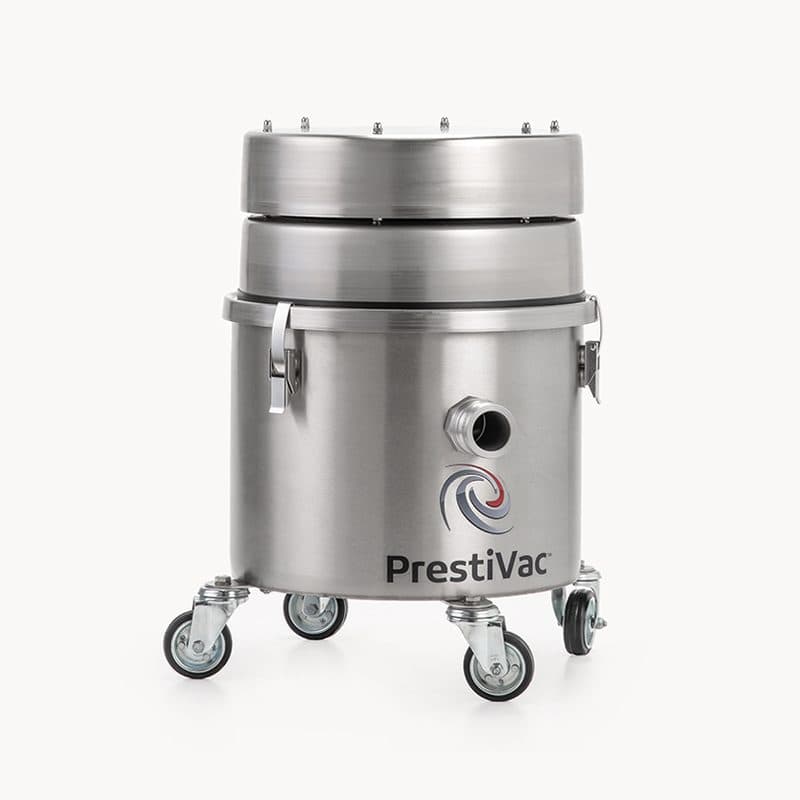
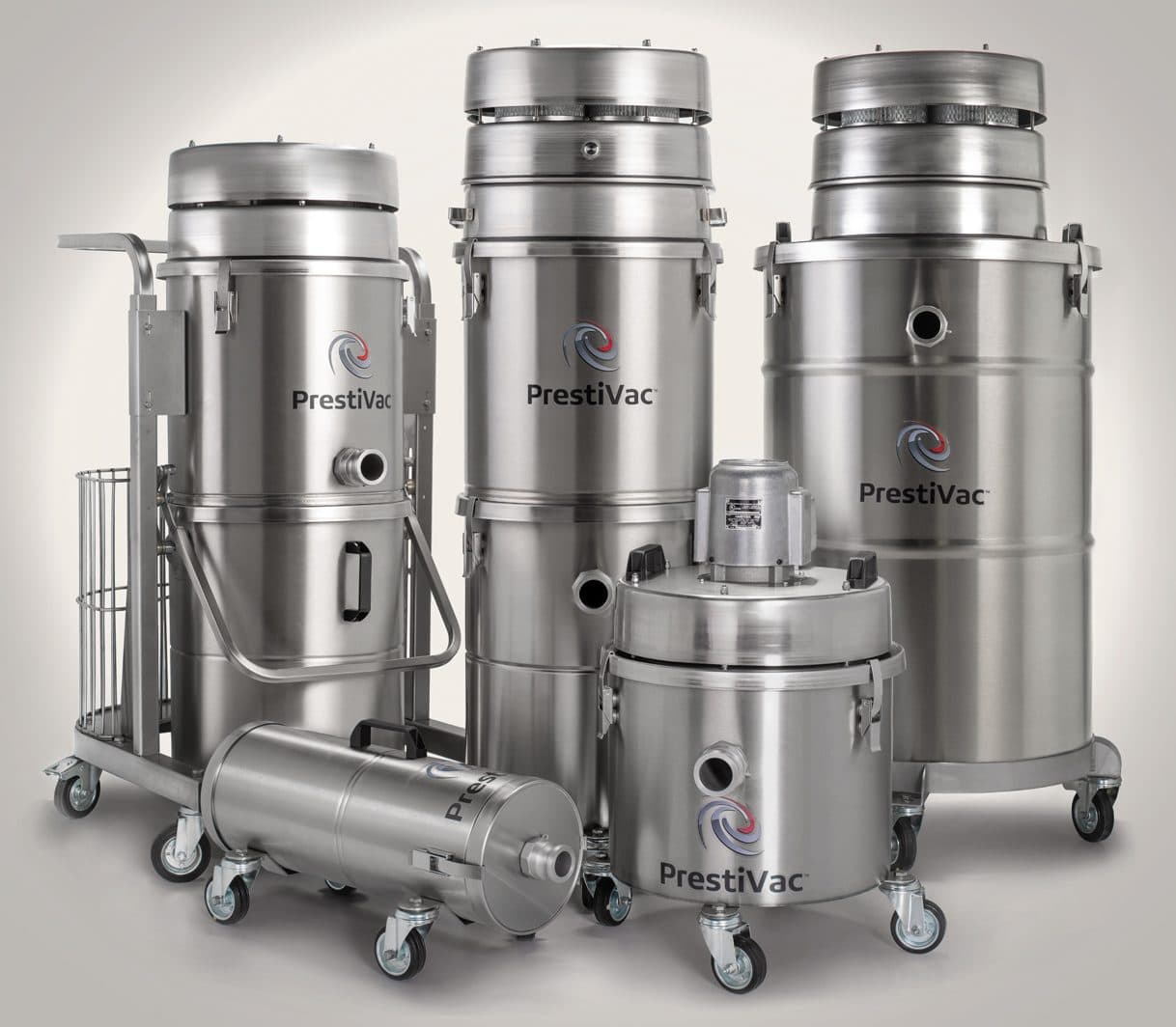
Recommended vacuums
View all vacuums →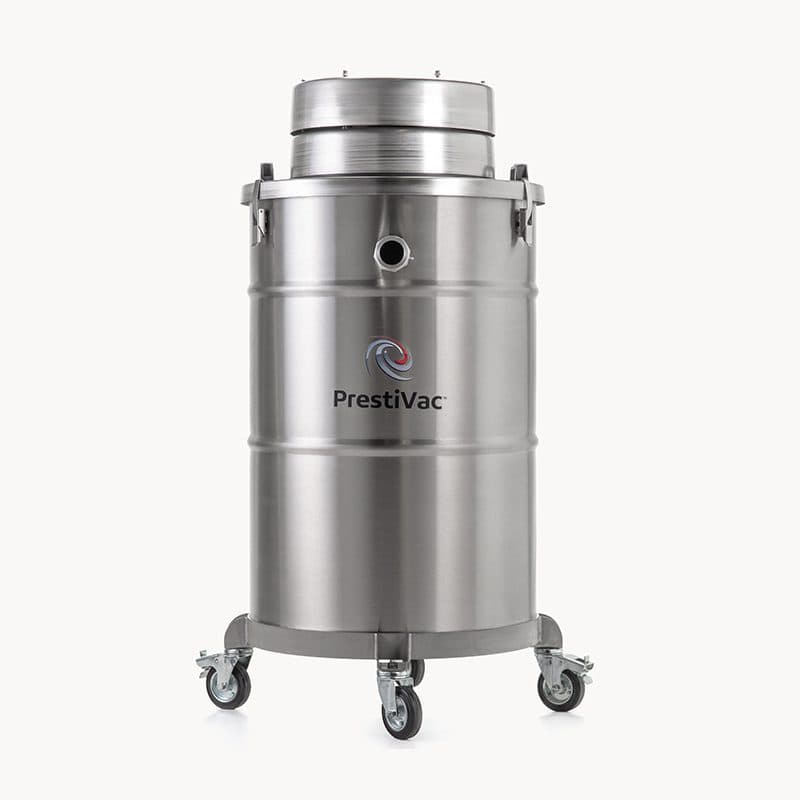
Typical system setup
- 01
Manway access point
Work planned around openings — geometry decides the tooling
- 02
Long-reach tool set
Extension wands and angled nozzles for walls, cones and ledges
- 03
Static-dissipative hose runs
Bonded, conductive path over the distance to grade
- 04
Explosion-proof unit at grade
Rated or air-operated to match the classification
- 05
Sealed collection & disposal
Contained transfer out; material handled per its own rules
Manway positions and interior geometry decide the reach plan — get a quote about your vessels.
Representative case study
Managing Grain Dust in a Grain Elevator & Feed
How a representative grain cooperative runs housekeeping in the industry that wrote the rules — priority areas on the 1/8-inch action level, elevator legs treated as the initiation points they historically are, and bins cleaned without climbing in.
Read full case studyNeed help finding the right solution?
Our experts are ready to help.
Tell us about your application and we’ll recommend the ideal vacuum solution.
Get a QuoteSilo & Bin Cleaning FAQ
Does reach-first cleaning eliminate confined-space permits?
No — it makes them rare. Most routine interior cleaning becomes an outside job from manways and openings; when geometry genuinely requires entry, the full permit process applies exactly as before. The win is frequency: the riskiest routine task stops being routine.
The material is bridged or caked — can a vacuum clear it?
Bulk bridging and ratholes are a mechanical dislodging job for specialized silo-cleaning methods. Vacuum recovery owns what comes before and after — the residues, fines and layers — and keeps crews out of the vessel while the loosened material is removed.
Is the inside of a silo a classified area?
It can be — filling suspends dust in the headspace, and many facilities classify vessel interiors accordingly. Your Dust Hazard Analysis and area classification govern the equipment; rated or air-operated units remove the ignition question from the vessel entirely.
Why not wash the interior down instead?
For combustible dusts, dry vacuum removal is generally preferred — washdown creates slurry and drainage problems, doesn't suit moisture-sensitive products, and leaves the deck-and-headspace program untouched. Material-specific handling follows the product's own rules.
Talk to the manufacturer
Get the right explosion proof vacuum for your application.
Tell us what you need to vacuum and where. Our technical team will recommend the PrestiVac model best suited to your material, your classification and how hard you will work it — and because we build every unit ourselves, we can modify it to fit.
- Legally certified explosion proof
- Solid stainless steel construction
- Industry-best 3-year warranty
- Designed & manufactured in the USA
- 200+ vacuum versions