
Welding & Fabrication Vacuum Solutions
The arc makes fume. The floor makes dust. Different systems.
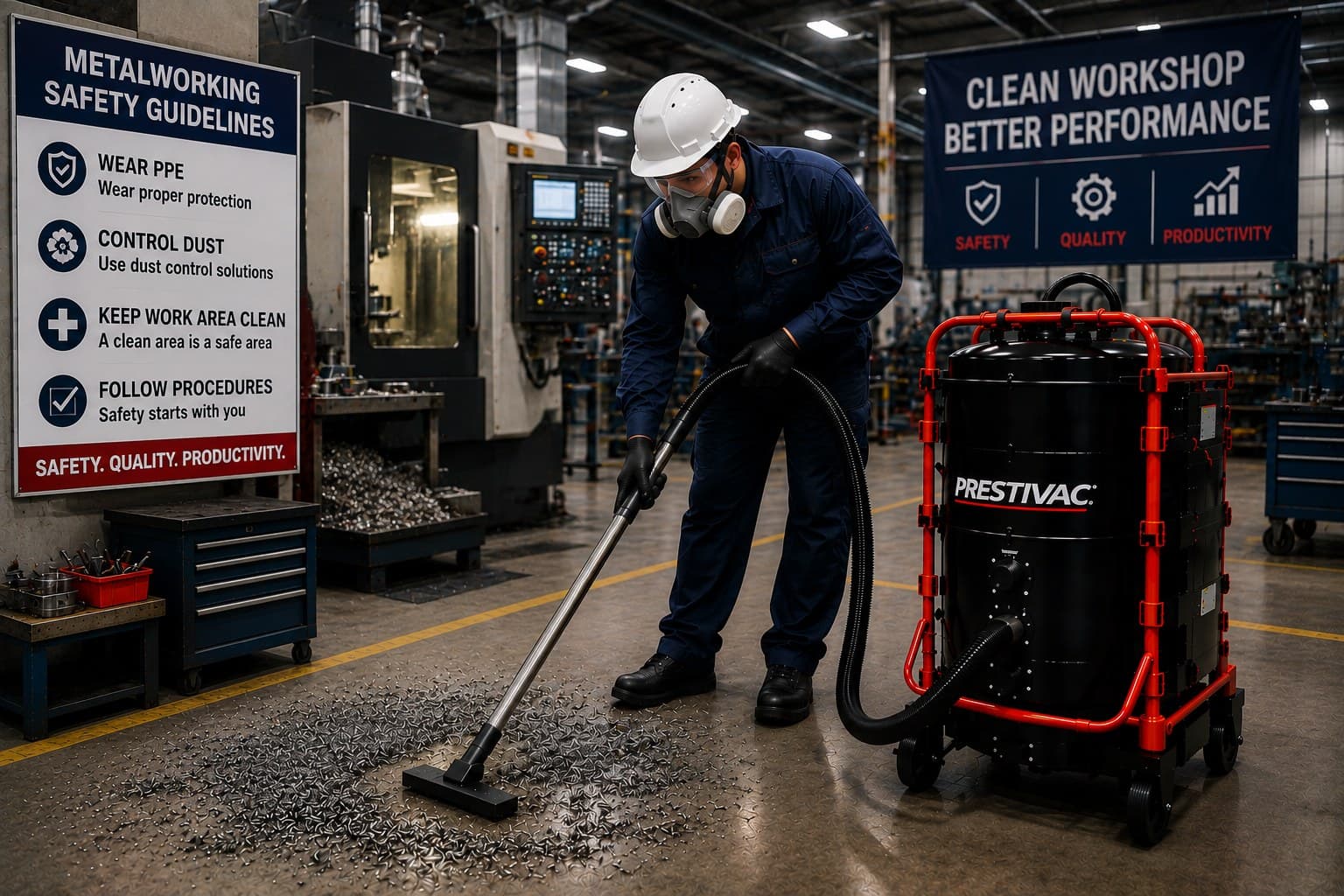
Fume extraction at the arc is exposure control for what's airborne. Everything that settles — grinding fines, cooled spatter, slag chips, mixed metal dust across fixtures and floors — belongs to the housekeeping program, and PrestiVac recovery collects it without the blow-down that puts it right back in the air.
Explosion-Safe Design
Grounded recovery near hot work
HEPA Filtration
Exposure-limit dusts retained
Built to Last
Rugged. Reliable. PrestiVac.
Maximum Uptime
Continuous-duty performance
Overview
Fabrication makes two particulate streams with two owners. Fume — the ultrafine airborne fraction created at the arc — is the extraction system's job, captured at the source while welding happens. The settled stream — grinding fines, cooled spatter and slag, blasting carryover, mixed metal dust on fixtures, ledges and floors — is the vacuum program's job. Blow-down bridges the two in exactly the wrong direction: it re-suspends settled fines into breathing zones and onto surfaces waiting for the next weld.
Grinding Fines
The finest, most sensitive fraction
Spatter & Slag
Cooled solids and flux residues
Mixed Metal Dust
Carbon, stainless & coated steels
Weld-Prep Cleanliness
Contamination off the joint
Challenges in welding & fabrication
- Fume-versus-dust confusion leaves the settled stream unmanaged
- Grinding fines of aluminum and other reactive metals are combustible
- Blow-down re-suspends fines into breathing zones and onto fresh joints
- Spatter and slag must cool before recovery — hot material never enters a unit
- Stainless and coated-steel dusts carry occupational exposure limits
- Housekeeping is a documented, inspectable compliance obligation
Why vacuum recovery?
- Separates the streams correctly: extraction owns the arc, recovery owns the floor
- Grounded, rated equipment in a space where ignition sources are guaranteed
- HEPA retention for dusts governed by exposure limits
- Single-pass removal ends the resuspend-and-resettle cycle
- Clean fixtures and joints protect weld quality, not just compliance
- Supports OSHA housekeeping obligations with documented methods
Solution benefits
Better Safety
Grounded recovery in a shop where sparks and hot work are the day's normal.
Higher Productivity
Stations turn over in one pass — no sweep, resettle, sweep again.
Cost Savings
Grit off the ways, fixtures and finished work cuts rework and wear.
Cleaner Workplace
HEPA-retained exhaust keeps exposure-limit dusts out of the air.
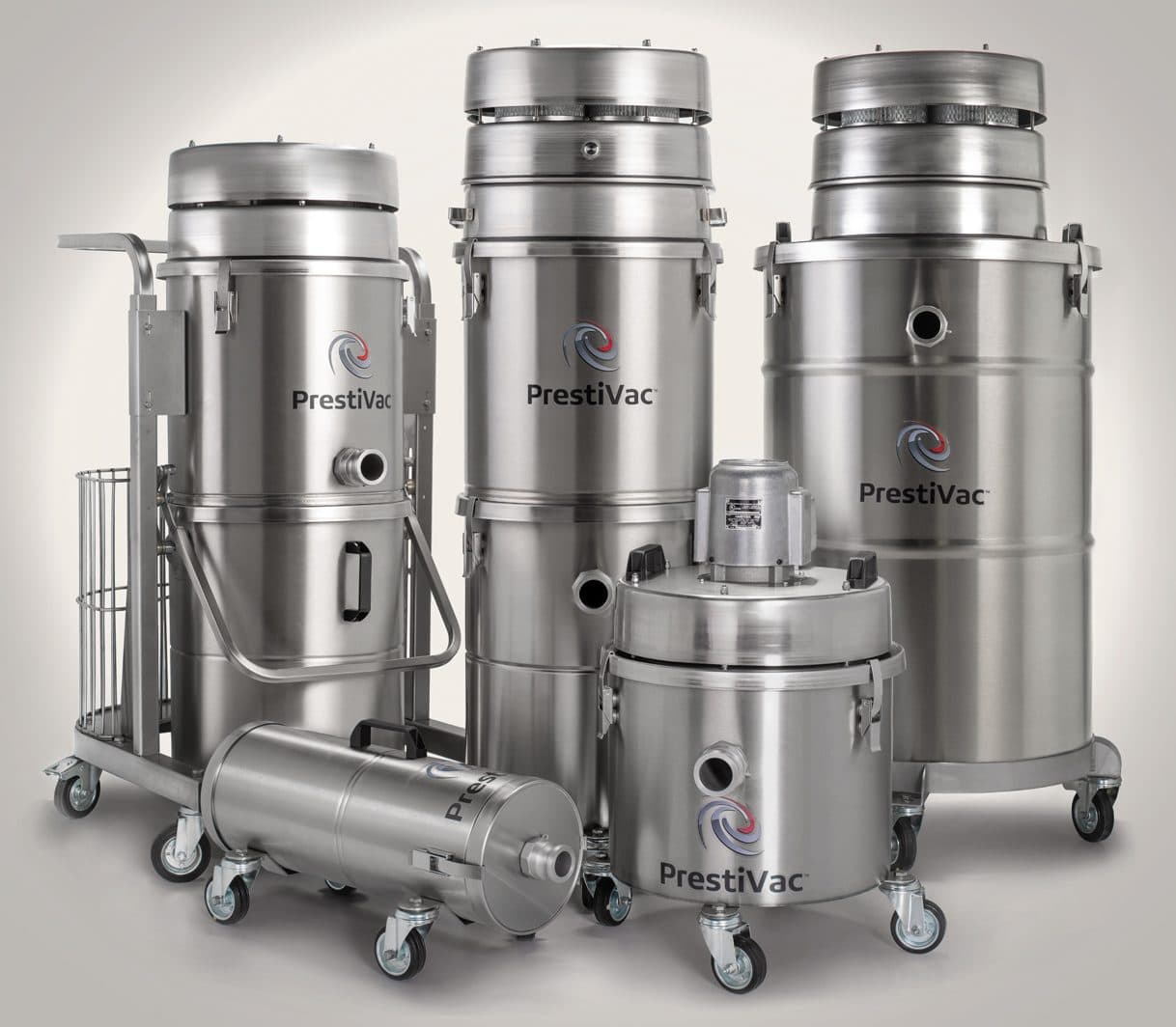
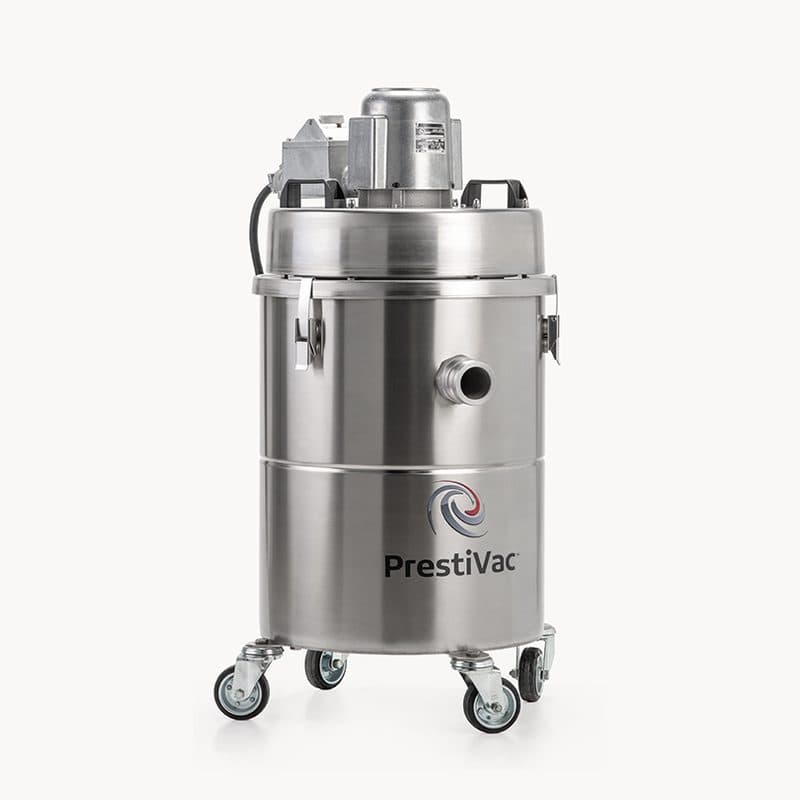
Recommended vacuums
View all vacuums →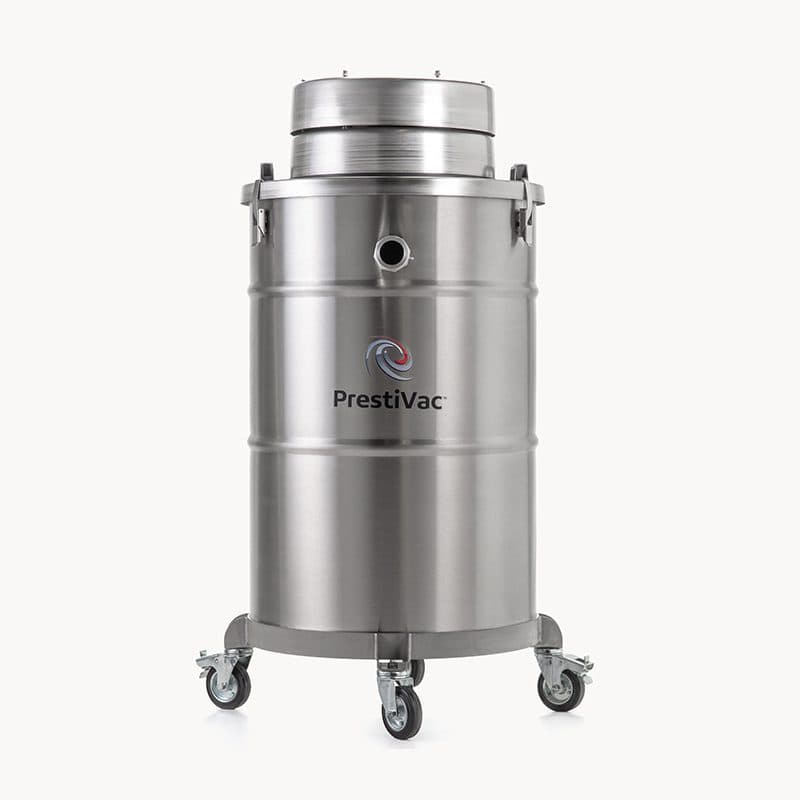
Typical system setup
- 01
Fabrication station
Grinding, welding and finishing at the point of generation
- 02
Grounded tool kit
Floor tools, crevice nozzles and brushes for fixtures and ledges
- 03
Static-dissipative hose
Bonded, conductive path end to end
- 04
Rated vacuum unit
Explosion-proof or HEPA industrial, matched to the dust mix
- 05
Sealed collection & disposal
Cooled material only; exposure-limit dusts contained
Mixed-metal shops specify for the most demanding dust in the mix — the metalworking deep dive walks through it.
Welding & Fabrication FAQ
We have fume extractors — why do we need vacuums too?
Different jobs. Extraction captures the ultrafine fume plume at the arc while welding happens; it does nothing about the grinding fines, spatter and mixed dust that settle across the shop. The vacuum program owns the settled stream — neither system substitutes for the other.
Can I vacuum up hot slag and spatter?
No — hot or smoldering material never enters a vacuum. Let spatter and slag cool, then recover; schedule station cleanup after hot work or work a cooled zone. The rule is absolute regardless of unit rating.
Are welding-area dusts actually combustible?
The grinding fines of aluminum and other reactive metals are; carbon-steel dust is generally less severe. The mix and your Dust Hazard Analysis govern — and since ignition sources are guaranteed in a fab shop, grounded, rated recovery equipment is the sensible default.
What about stainless and galvanized dust?
Settled dusts from stainless and coated-steel work carry occupational exposure limits, which makes HEPA retention and sealed disposal the exposure controls for the cleanup side. The fume-side limits belong to the extraction system at the arc.
Talk to the manufacturer
Get the right explosion proof vacuum for your application.
Tell us what you need to vacuum and where. Our technical team will recommend the PrestiVac model best suited to your material, your classification and how hard you will work it — and because we build every unit ourselves, we can modify it to fit.
- Legally certified explosion proof
- Solid stainless steel construction
- Industry-best 3-year warranty
- Designed & manufactured in the USA
- 200+ vacuum versions