
Vacuum solutions engineered for schools & universities
The one 'facility' that is really a dozen small industrial environments under one roof — a woodshop that is a woodshop, a machine lab that is a machine lab, research labs that handle real chemistry — where the hazard is that nobody thinks of a campus as an industrial site until the dust says otherwise.
HEPA Filtration
Fine and respirable fractions retained
Right Tool Per Room
Each lab gets its own rule
Built for Campuses
Shop class to research lab
Combustible-Aware
The dusts students actually make
Explosion-Proof
Manufacturing specialists
1000+
Vacuums sold worldwide
USA
Designed & manufactured
Direct
Buy from the manufacturer
NFPA 660
ATEX / IECEx principles
Schools & Universities production process explorer
Every stage. Every challenge. The right vacuum solution.
A campus generates industrial dust in rooms nobody classifies as industrial. Walk the spaces — each one borrows its rule from the industry it imitates.
Stage 01 — Woodworking & shop classes
A school woodshop sheds the same combustible wood dust as any furniture plant, at student scale — grounded, rated recovery and the woodworking program's discipline apply here too.
Key challenges
A campus is an industrial site nobody labeled
Shop-Class Wood Dust
A teaching woodshop makes combustible wood dust like any plant — student scale does not change the physics or the recovery rule.
Makerspace Metal Fines
Lathes, mills and metal 3D printers in makerspaces produce metal dust — including reactive aluminum and titanium that carry combustible-metal rules.
Real Lab Chemistry
Research and teaching labs handle combustible, toxic and specialty dusts in small quantities — small volume is not the same as low hazard.
Silica In The Studio
Ceramics clay and glaze powders are silica-bearing — the same respirable-silica exposure rules apply in an art studio as in a foundry.
Many Rooms, Many Rules
One institution runs a dozen small industrial environments — each space needs the recovery approach of the industry it mirrors.
Occupied By Non-Specialists
Students and instructors, not industrial hygienists, occupy these spaces — so the equipment and the schedule carry the discipline for them.
Dust & materials knowledge center
The dusts a campus actually makes
Combustibility and severity are material- and particle-size-specific — testing and your Dust Hazard Analysis govern. Full directory: the full materials directory.
Applications on campus
- CNC machining
- CNC milling
- CNC turning
- CNC grinding
- Metal cutting
- Laser cutting
- Plasma cutting
- Waterjet cutting
- Deburring
- View all
Built for performance. Built for compliance.
View all products →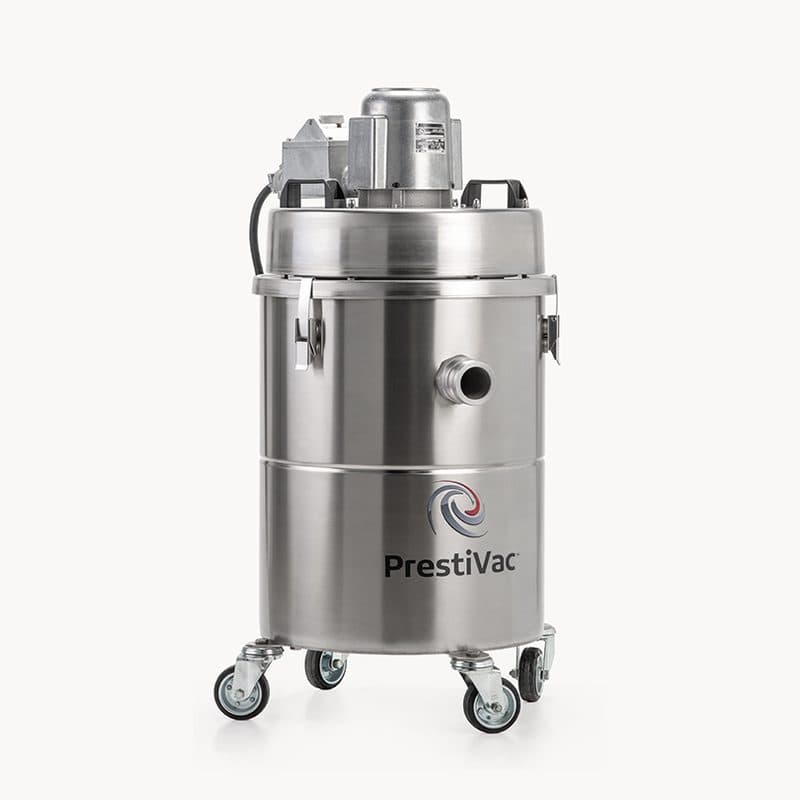
HEPA Vacuums
99.99% filtration for fine and hazardous dust
Learn more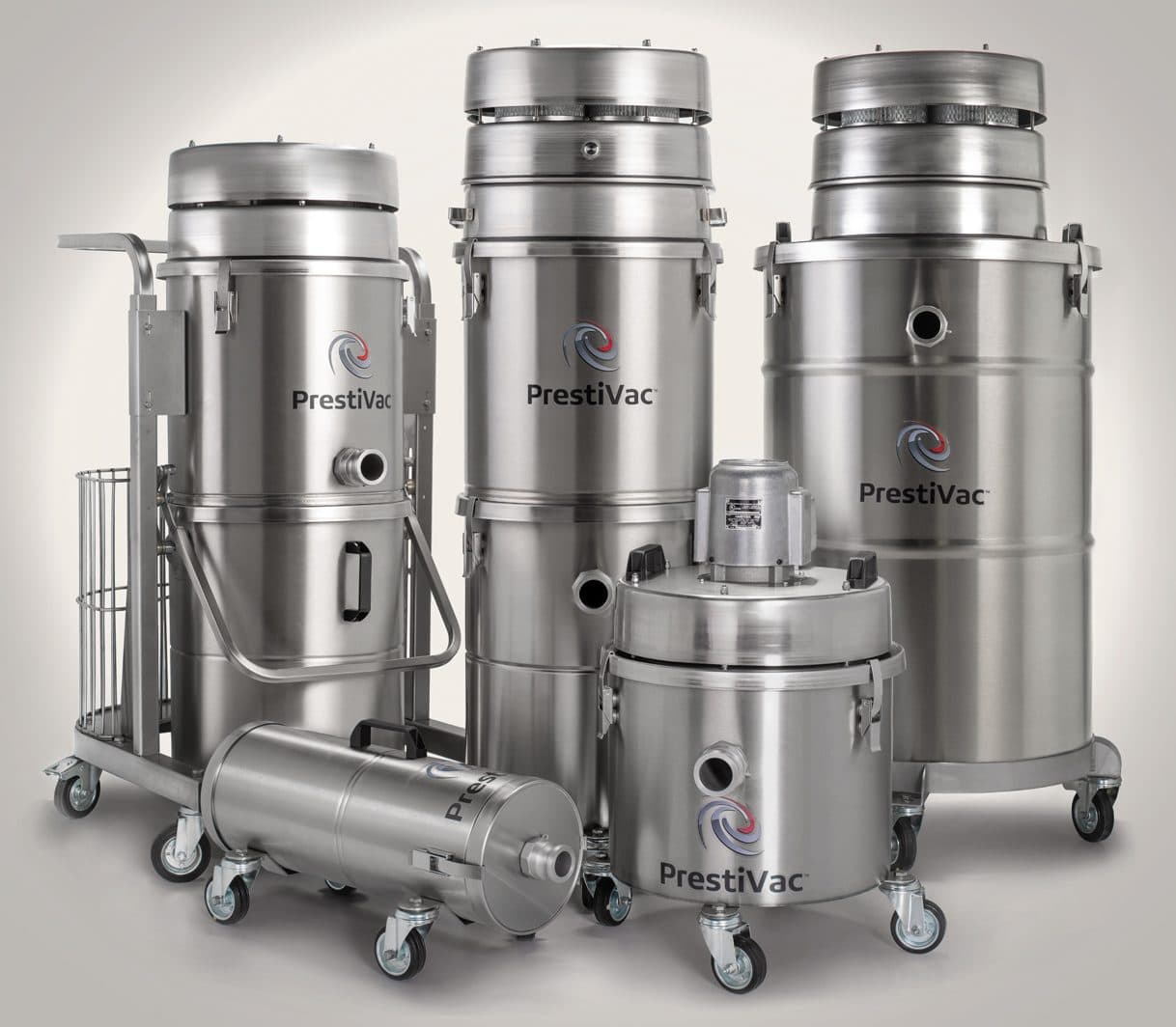
Industrial Vacuums
Continuous-duty recovery for demanding plants
Learn more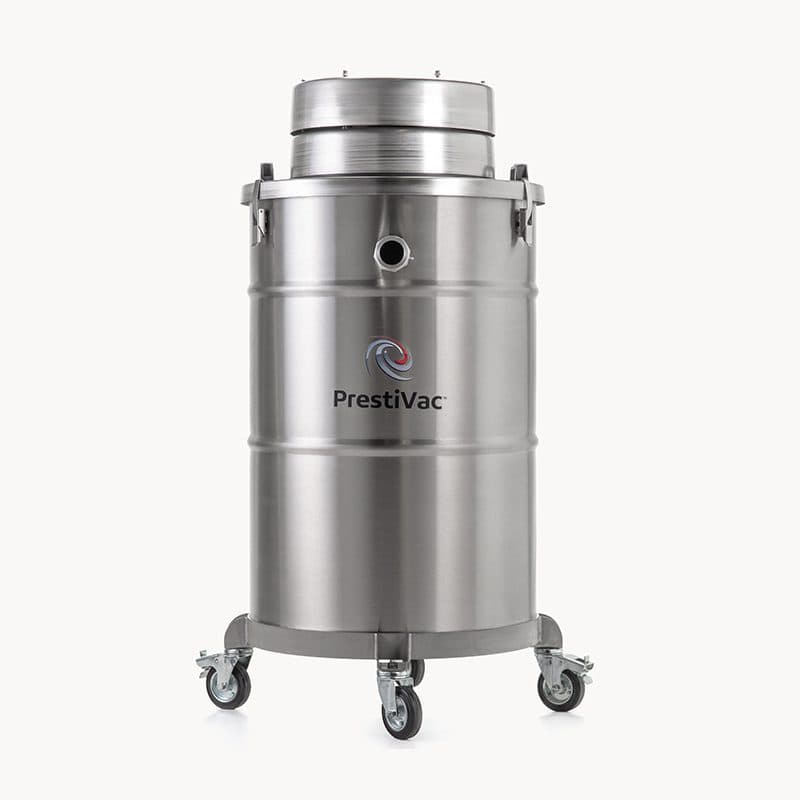
Explosion Proof Vacuums
Grounded, bonded recovery for combustible dust
Learn more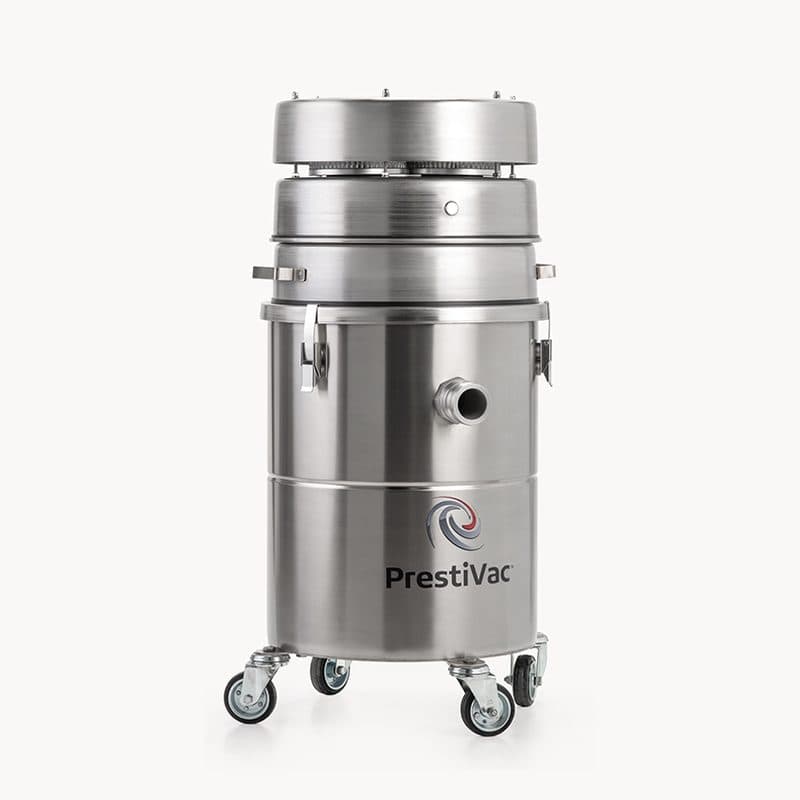
Central Vacuum Systems
Facility-wide housekeeping from fixed drops
Learn more
Representative case study
Regulated Metal Dust Control in a Government
A representative scenario: containing beryllium and other regulated metal dusts across a machining and materials research facility.
Read the full case studyTalk to the manufacturer
Get the right explosion proof vacuum for your application.
Tell us what you need to vacuum and where. Our technical team will recommend the PrestiVac model best suited to your material, your classification and how hard you will work it — and because we build every unit ourselves, we can modify it to fit.
- Legally certified explosion proof
- Solid stainless steel construction
- Industry-best 3-year warranty
- Designed & manufactured in the USA
- 200+ vacuum versions