
Vacuum solutions engineered for glass & ceramics
The industry whose dust rarely burns but reliably harms — glass and ceramics are made of silica and minerals, so the defining hazard here is respirable crystalline silica, not deflagration. From batch preparation through glazing to the grinding and finishing of fired ware, the priority is HEPA-retained, exposure-controlled recovery, because the danger this dust poses is slow rather than sudden.
Health-First
The dust harms, rarely burns
Respirable Silica
Batch prep to fired finishing
HEPA Filtration
Fine mineral fractions retained
Built for Glass & Ceramics
Batch, glaze & finishing
Explosion-Proof
Manufacturing specialists
1000+
Vacuums sold worldwide
USA
Designed & manufactured
Direct
Buy from the manufacturer
NFPA 660
ATEX / IECEx principles
Glass & Ceramics production process explorer
Every stage. Every challenge. The right vacuum solution.
A glass or ceramics operation turns mineral powders into fired product, generating fine mineral and — after firing — respirable silica dust at several distinct steps. Walk the stages where exposure control matters most.
Stage 01 — Batch & raw-material prep
Silica sand, feldspar, soda ash and other minerals are weighed and blended as fine powders — the first respirable dust source, captured at the batch house rather than allowed to drift.
Key challenges
A slow hazard, not a sudden one
Respirable Crystalline Silica
Glass and ceramic raw materials are silica-bearing, so respirable crystalline silica — with its 50 µg/m³ exposure limit — is the defining hazard, demanding HEPA-retained, exposure-controlled recovery.
Fired-Ceramic Dust
Grinding and finishing fired ware releases respirable silica — the fired body does not lower the hazard, and this is typically the dustiest step in the plant.
Batch Dust By Volume
Batch and body preparation handle mineral powders at scale, so fugitive fine dust accumulates quickly on structures and equipment between cleanings.
Glaze & Pigment Materials
Some glaze and pigment materials carry heavy-metal components — glaze-room dust is captured under sealed, HEPA-retained handling as an exposure control.
Hard Technical Ceramics
Silicon carbide, alumina and similar technical ceramics are built to be abrasive — their fine dusts demand HEPA retention and durable recovery.
Housekeeping Is Exposure Control
Because the hazard is chronic rather than explosive, disciplined HEPA-retained housekeeping is itself the primary occupational-health control.
Dust & materials knowledge center
What glass & ceramics manufacturing generates
Combustibility and severity are material- and particle-size-specific — testing and your Dust Hazard Analysis govern. Full directory: the full materials directory.
Applications in glass & ceramics
- Cement plants
- Clinker handling
- Raw meal handling
- Silo cleaning
- Concrete plants
- Brick manufacturing
- Ceramic production
- Glass manufacturing
- Stone fabrication
- View all
Built for performance. Built for compliance.
View all products →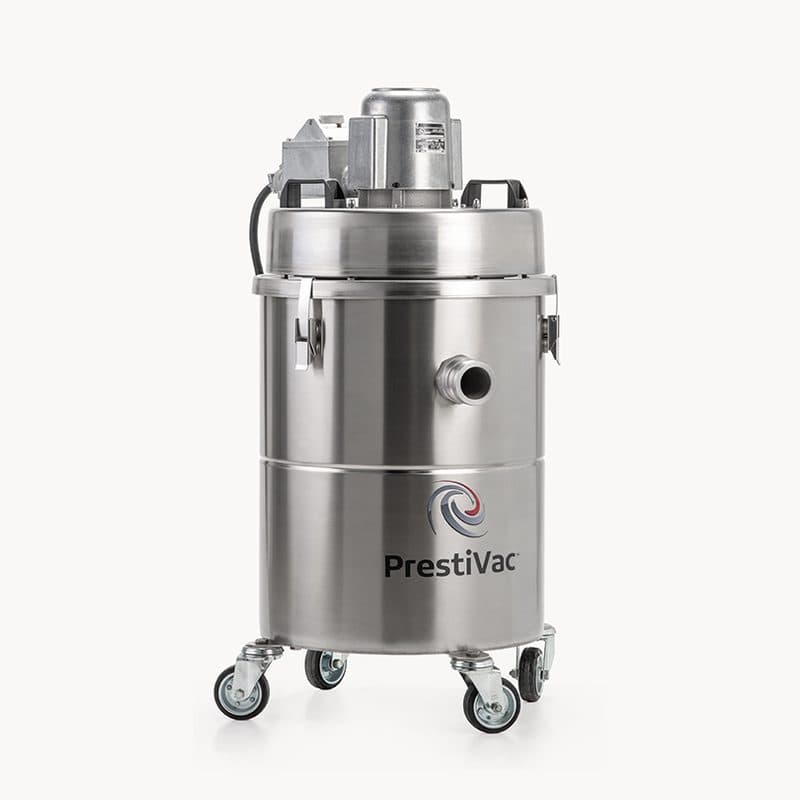
HEPA Vacuums
99.99% filtration for fine and hazardous dust
Learn more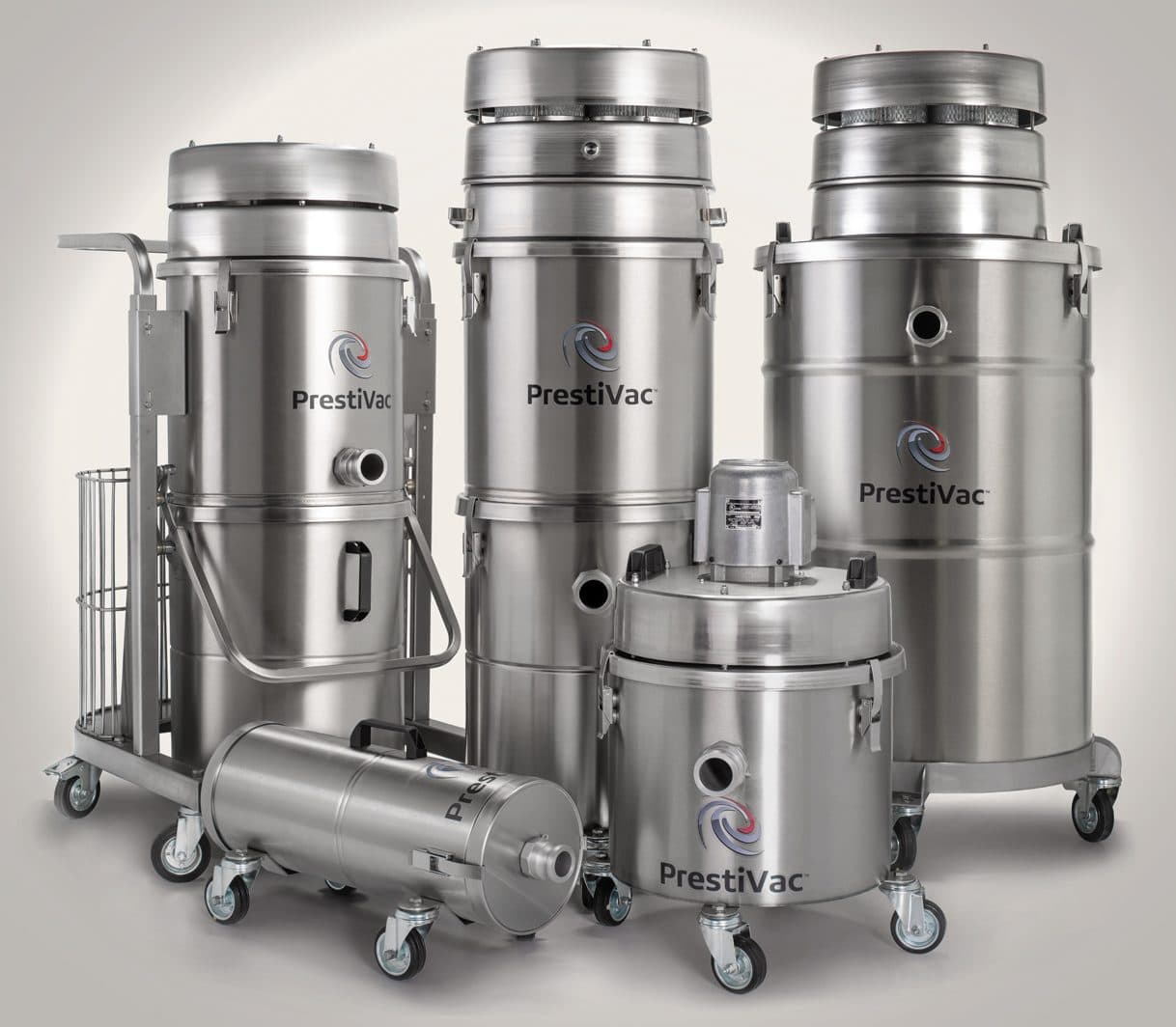
Industrial Vacuums
Continuous-duty recovery for demanding plants
Learn more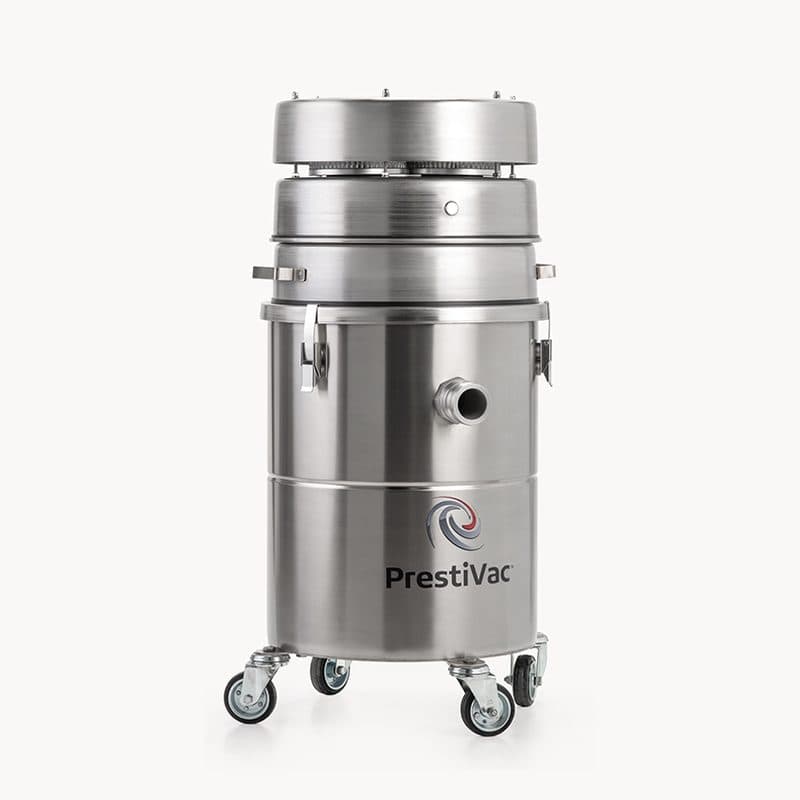
Central Vacuum Systems
Facility-wide housekeeping from fixed drops
Learn more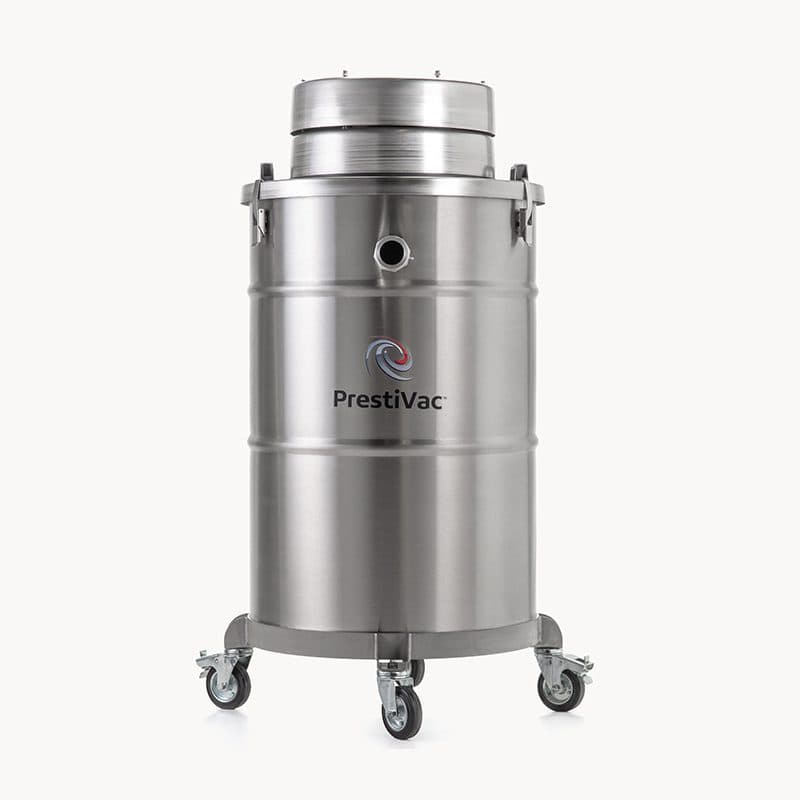
Explosion Proof Vacuums
Grounded, bonded recovery for combustible dust
Learn more
Representative case study
Controlling Silica Sand & Reactive-Metal Dust in a Foundry
How a representative jobbing foundry runs housekeeping on the oldest dust hazard and the hottest floor at once — silica sand keyed to the exposure standards while shakeout concentrates the respirable fraction, and reactive-metal casting cells carry their own combustible-dust rules on the same shop floor.
Read the full case studyTalk to the manufacturer
Get the right explosion proof vacuum for your application.
Tell us what you need to vacuum and where. Our technical team will recommend the PrestiVac model best suited to your material, your classification and how hard you will work it — and because we build every unit ourselves, we can modify it to fit.
- Legally certified explosion proof
- Solid stainless steel construction
- Industry-best 3-year warranty
- Designed & manufactured in the USA
- 200+ vacuum versions