
Lead Dust Vacuum Solutions
Built for the metal whose dust follows workers home — a toxicological ledger with its own federal standards, an exposure limit with a number attached, a renovation rule that requires HEPA vacuums by name, and a documented pathway that puts families in the exposure plan whether it's written down or not.
HEPA Filtration
Named in the RRP rule itself
Its Own Federal Rules
OSHA 1910.1025 / 1926.62; EPA RRP
Take-Home Aware
The pathway the standards address
Sealed Handling
Capture without re-suspension
Overview
Lead dust runs on a toxicological ledger, and it runs deep: OSHA's general-industry and construction lead standards set a permissible exposure limit of 50 micrograms per cubic meter with medical surveillance behind it, public-health agencies hold that no safe blood lead level has been identified in children, and the EPA's Renovation, Repair and Painting rule governs work in pre-1978 housing — naming HEPA vacuums as required equipment in so many words. The reason the rules reach past the fence line is the pathway the record documents: lead dust travels home on clothing, skin and vehicles, which is why hygiene facilities, protective clothing and clean-change requirements are written into the standards. A lead program that ends at the gate isn't finished.
The exposure map is wider than old paint. Renovation and abatement generate chips and dust wherever pre-1978 coatings are disturbed. Battery recycling handles lead oxides and pastes at industrial volume. Foundries pouring leaded brass and bronze shed lead-bearing grinding dust in the fettling room. And indoor firing ranges are lead-dust environments by mechanism — priming compounds and bullet fragmentation dose every surface downrange. Across all of it the recovery logic is the same: HEPA-retained capture so cleaning never re-suspends what the limit counts, sealed disposal, restricted dry sweeping and compressed air, and surfaces verified rather than assumed.
Combustibility
Typical lead-bearing dusts are not combustible — the ledger is toxicological
The number
OSHA's lead standards set a 50 µg/m³ permissible exposure limit
Named equipment
The EPA's RRP rule explicitly requires HEPA vacuums for lead-paint work
The pathway
Take-home exposure on clothing and skin is documented — hygiene is in the standards
Industries & applications
Exposure risks
- The respirable and ingestible fractions do the damage — the dust you track matters as much as the dust you breathe
- Take-home exposure is the documented pathway — clothing, skin and vehicles carry the workplace home
- Pre-1978 coatings turn routine renovation into regulated lead work
- Ranges dose surfaces continuously — priming compounds and fragmentation are the mechanism
- Dry sweeping and blow-down re-suspend exactly what the 50 µg/m³ limit counts
Engineered recovery
- HEPA-retained recovery — the equipment class the RRP rule names outright
- Sealed collection and disposal — captured lead never gets a second flight
- Surface-by-surface work patterns that match how the rules verify cleanliness
- Range and fettling-room rotations scheduled like the exposure sources they are
- Hygiene-first integration — recovery supports the clean-change discipline the standards require
Recommended products
View all products →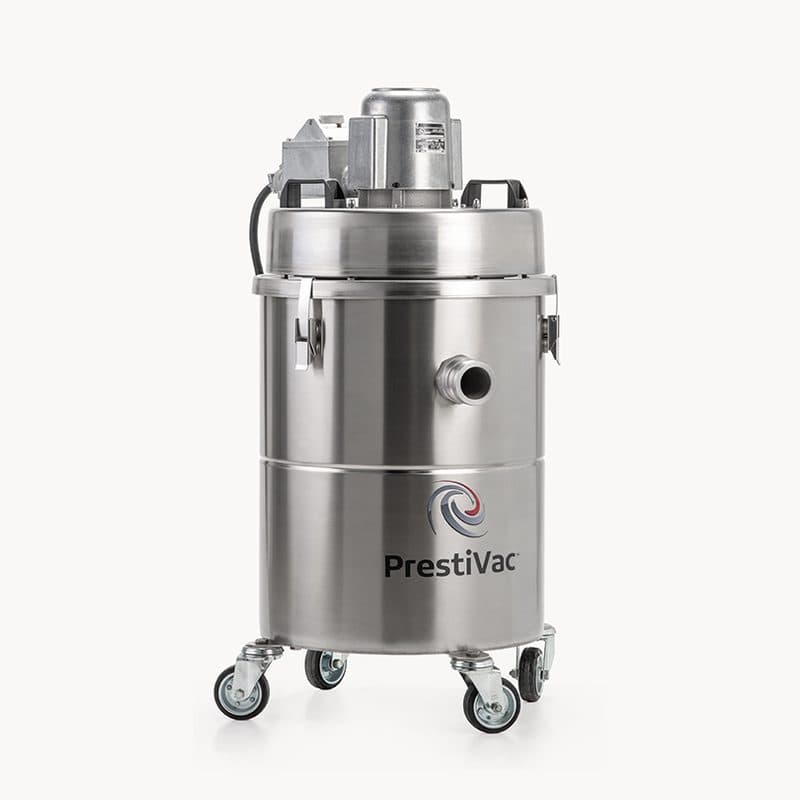
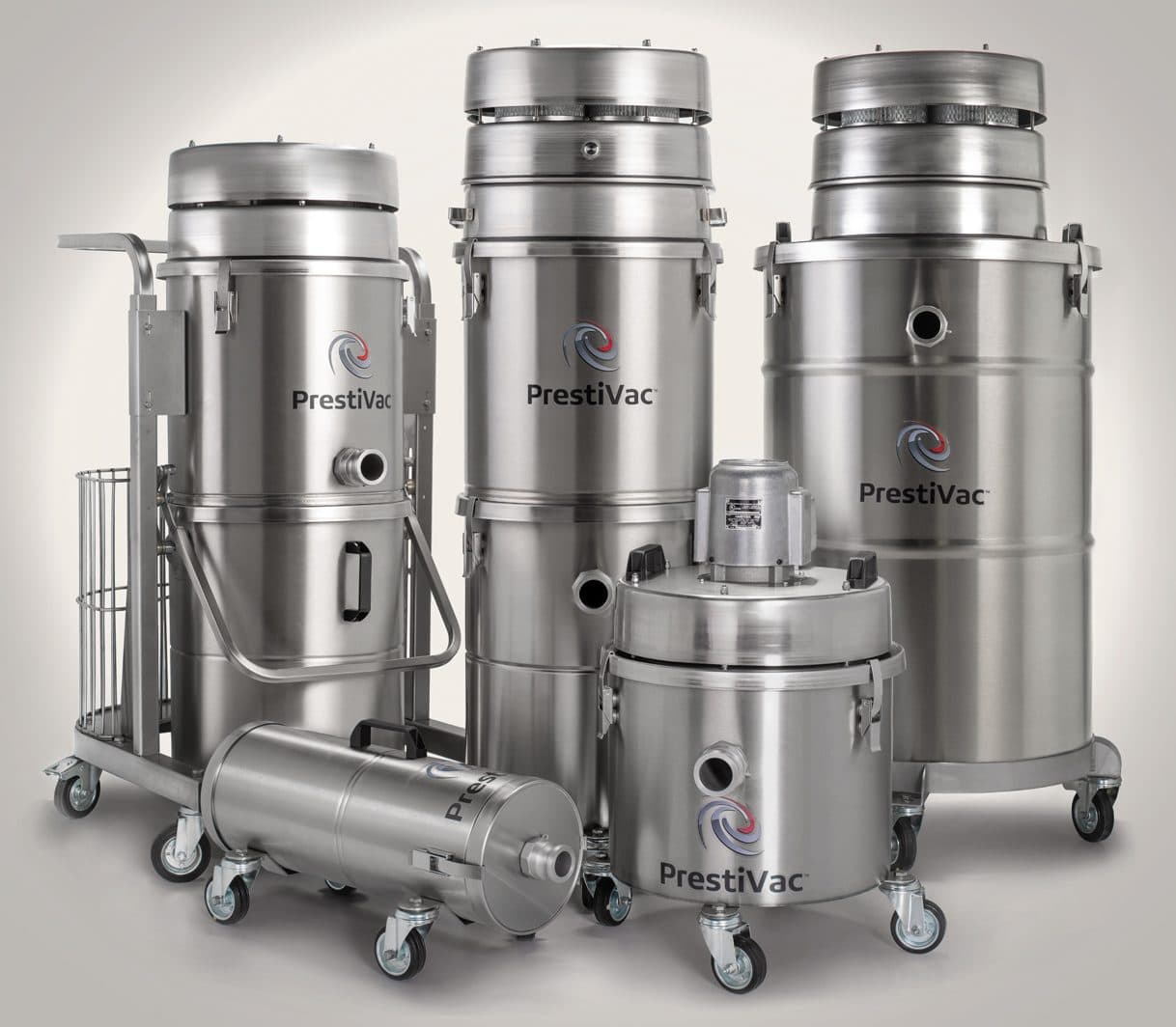
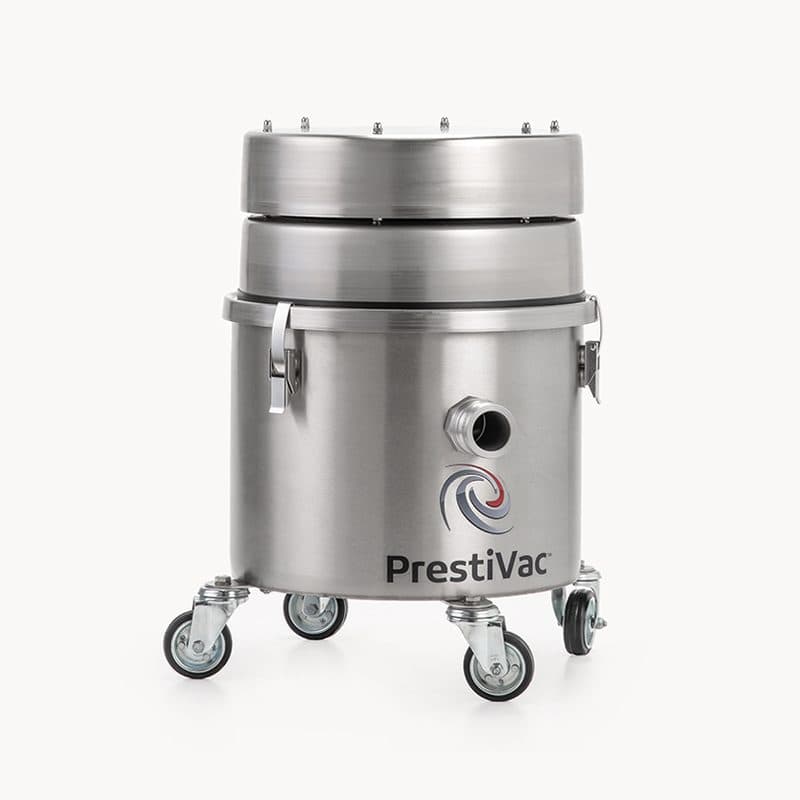
Typical system configuration
- 01
Surface & crevice tools
Sills, floors, fixtures and range surfaces
- 02
Sealed hose runs
Integrity from nozzle to drum
- 03
HEPA recovery unit
Specified for lead work and the governing rule
- 04
Tested HEPA final stage
99.99% at 0.3 µm — the counted fraction stays captured
- 05
Sealed collection & disposal
Contained, documented, dispositioned as lead waste
Best practices
- Never dry-sweep or blow down — re-suspension is the exposure event
- Assume pre-1978 coatings are lead until testing says otherwise
- Treat take-home as part of the program — hygiene and clean-change are in the standards for a reason
- Ranges get scheduled recovery, not occasional cleanup — the dosing is continuous
- Spent filters and collected dust leave as lead waste, sealed and labeled
Lead Dust FAQ
Is lead dust dangerous?
Yes, and cumulatively so. Lead is a systemic toxin affecting the nervous system, kidneys and blood, with children especially vulnerable to material carried home on clothing. OSHA regulates it under 29 CFR 1910.1025 with a permissible exposure limit of 50 µg/m³. Lead dust is not a fire hazard — the reason your cleaning method is regulated is exposure, and dry sweeping is not an acceptable method where the standard applies.
Is lead dust combustible?
Typical lead-bearing dusts — paint chips and dust, range residues, oxide dusts — are not a combustion story. The ledger here is toxicological, governed by OSHA's lead standards and the EPA's renovation rules, and this guide keeps the hazard where the record puts it.
Why do the rules name HEPA vacuums specifically?
Because capture without re-suspension is the whole game at a 50 µg/m³ limit. The RRP rule requires HEPA vacuums for lead-paint work in so many words, and the OSHA standards restrict the methods — dry sweeping, compressed air — that put settled lead back into the air being measured.
What is take-home exposure?
The documented pathway where workplace lead travels home on clothing, skin, boots and vehicles — it's why the standards require hygiene facilities, protective clothing and clean changes. A recovery program supports that discipline by keeping surfaces and gear clean enough that there's less to carry; families are in the exposure plan whether or not anyone wrote them in.
Why are firing ranges a lead issue?
Mechanism: priming compounds discharge lead with every shot and bullets fragment on impact, so ranges dose their surfaces continuously downrange. HEPA-retained recovery on a defined schedule, sealed disposal, and no dry methods — the management core of every well-run range program.
Talk to the manufacturer
Get the right explosion proof vacuum for your application.
Tell us what you need to vacuum and where. Our technical team will recommend the PrestiVac model best suited to your material, your classification and how hard you will work it — and because we build every unit ourselves, we can modify it to fit.
- Legally certified explosion proof
- Solid stainless steel construction
- Industry-best 3-year warranty
- Designed & manufactured in the USA
- 200+ vacuum versions