
Vacuum solutions engineered for hydrogen & fuel cells
The industry of the energy transition, where the product itself is the headline hazard — hydrogen is a Class I, Group B flammable gas with an exceptionally wide flammability range and very low ignition energy. Building the electrolyzers and fuel cells that make and use it involves fine catalyst, carbon and metal powders. In gas-classified areas the conservative default is air-operated recovery with no electrical parts at all.
Flammable-Gas Aware
Hydrogen is Class I, Group B
Widest Flammability Range
Low ignition energy
HEPA Filtration
Catalyst & carbon fines retained
Built for the H₂ Economy
Production, electrolyzers, fuel cells
Explosion-Proof
Manufacturing specialists
1000+
Vacuums sold worldwide
USA
Designed & manufactured
Direct
Buy from the manufacturer
NFPA 660
ATEX / IECEx principles
Hydrogen & Fuel Cells production process explorer
Every stage. Every challenge. The right vacuum solution.
The hydrogen value chain runs from gas production through the manufacture of electrolyzers and fuel cells, combining flammable-gas areas with fine-powder processes. Walk the stages and the hazard each presents.
Stage 01 — Hydrogen production
Electrolysis and reforming areas handle hydrogen gas — a Class I, Group B flammable atmosphere where the classification, not any dust, sets the equipment requirement.
Key challenges
When the product is a Group B gas
Class I, Group B
Hydrogen is a Group B flammable gas with the widest flammability range and very low ignition energy, so gas-area classification is stringent and equipment must suit that specific group.
Catalyst Powders
Platinum-group catalysts on carbon supports are fine, valuable and sometimes reactive — recovered under sealed, HEPA-retained handling, never generic cleanup.
Carbon & Graphite Dust
Gas-diffusion layers, electrodes and bipolar plates shed conductive carbon and graphite dust, recovered with rated, conductive-aware equipment.
Metal Powders
Bipolar-plate and component machining produce metal fines that carry combustible-metal rules where the metal is reactive — grounded, rated recovery.
Air-Operated Default
In a Group B flammable-gas area, zero-electrical air-operated recovery removes the ignition source entirely — the conservative choice where the atmosphere itself is the hazard.
Valuable And Hazardous Fines
Catalyst fines are costly to lose and hazardous to disperse, so HEPA-retained, sealed capture serves the economics and the safety case at once.
Dust & materials knowledge center
What hydrogen & fuel-cell manufacturing handles
Combustibility and severity are material- and particle-size-specific — testing and your Dust Hazard Analysis govern. Full directory: the full materials directory.
Applications in hydrogen & fuel cells
- Hydrogen production
- Fuel cells
- Solar manufacturing
- Wind turbine manufacturing
- Nuclear facilities
- Power plants
- Biomass plants
- View all
Built for performance. Built for compliance.
View all products →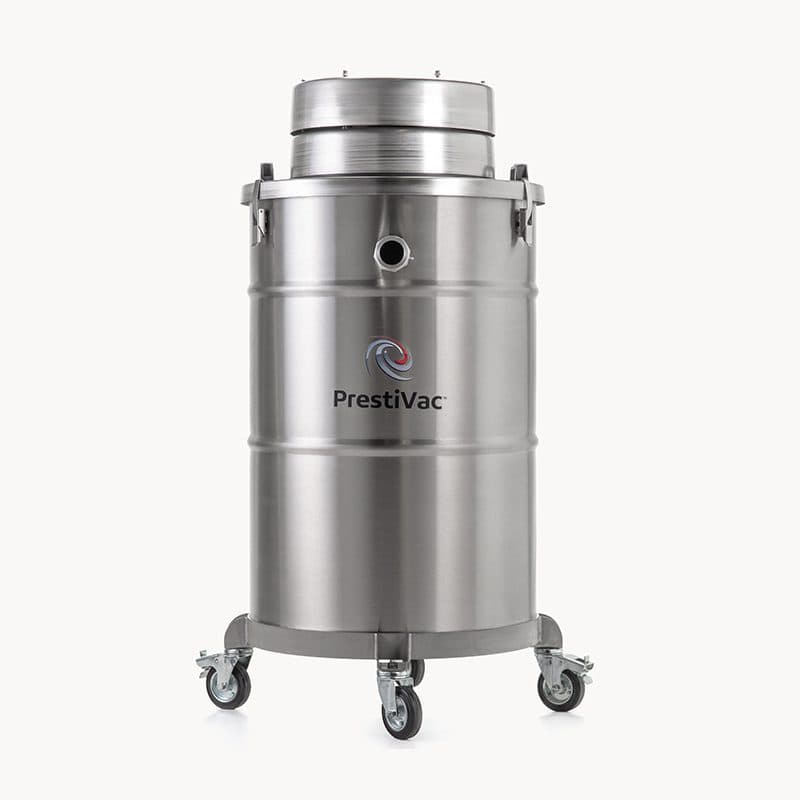
Explosion Proof Vacuums
Grounded, bonded recovery for combustible dust
Learn more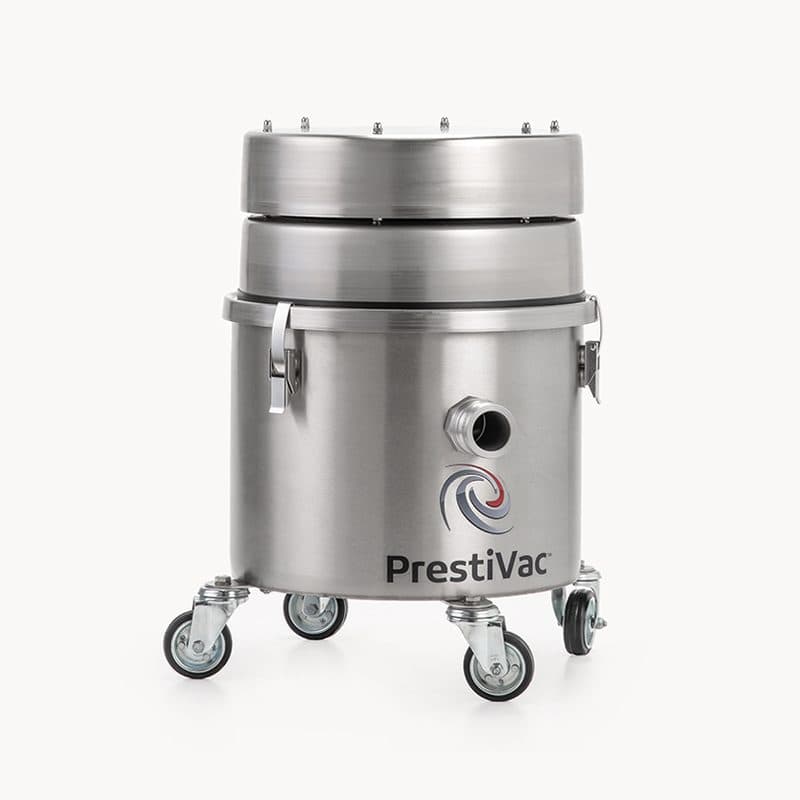
Pneumatic Vacuums
Air-operated — no electrical components
Learn more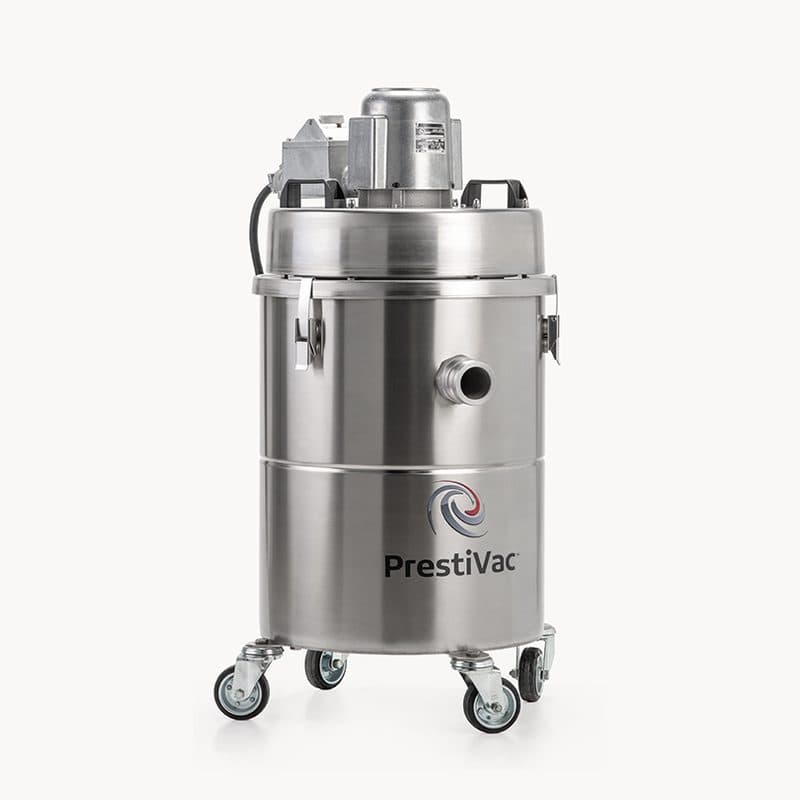
HEPA Vacuums
99.99% filtration for fine and hazardous dust
Learn more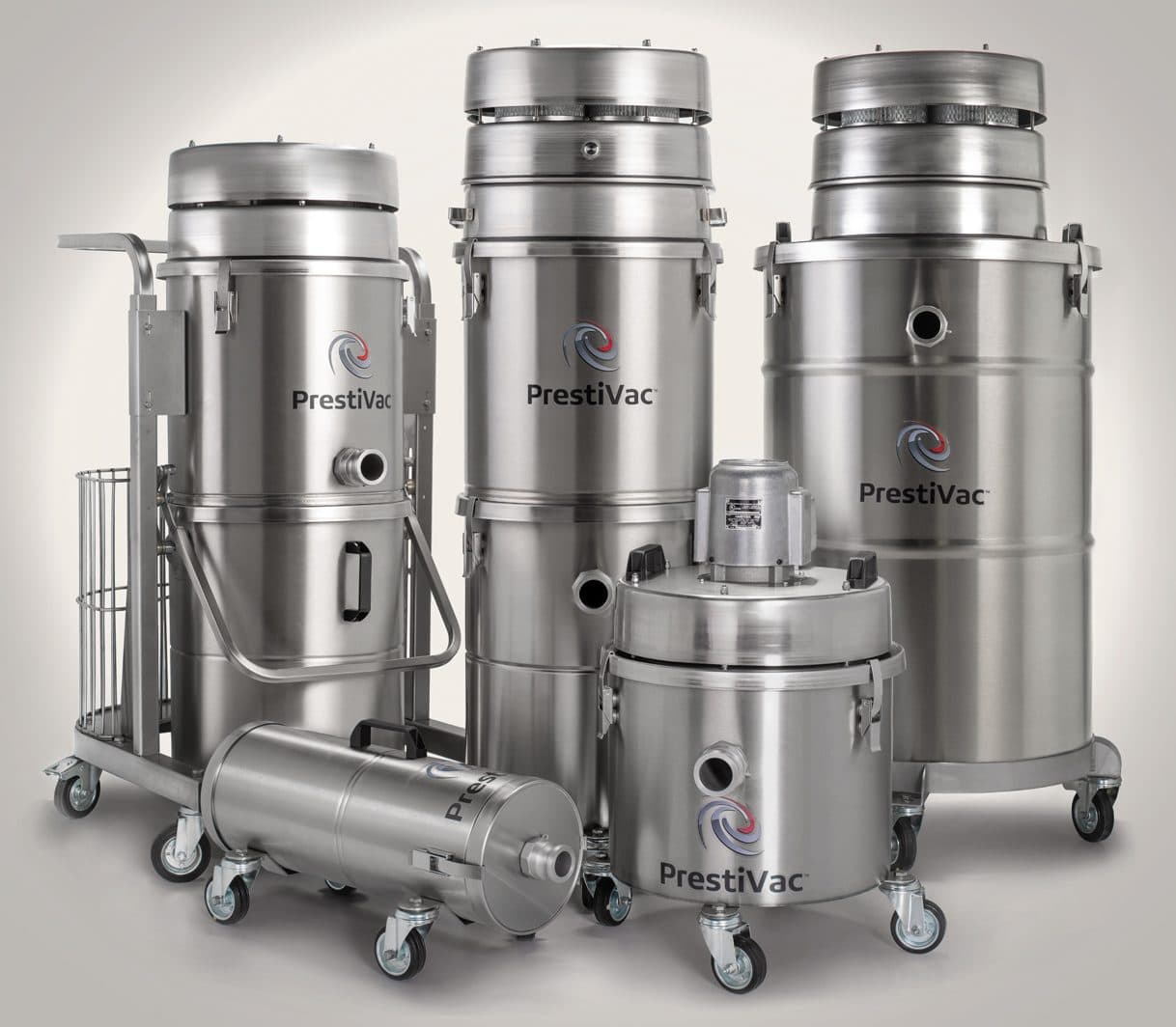
Industrial Vacuums
Continuous-duty recovery for demanding plants
Learn more
Representative case study
Controlling Sulfur Dust in a Specialty Chemical
How a representative chemical compounder runs housekeeping around the most ignition-sensitive common industrial dust — grounding verified before anything else moves, air-operated recovery with zero electrical components, and a disposal path that respects what burning sulfur becomes.
Read the full case studyTalk to the manufacturer
Get the right explosion proof vacuum for your application.
Tell us what you need to vacuum and where. Our technical team will recommend the PrestiVac model best suited to your material, your classification and how hard you will work it — and because we build every unit ourselves, we can modify it to fit.
- Legally certified explosion proof
- Solid stainless steel construction
- Industry-best 3-year warranty
- Designed & manufactured in the USA
- 200+ vacuum versions