
Vacuum solutions engineered for medical device manufacturing
The floor where a combustible-metal machine shop and a cleanroom occupy the same room — implant-grade titanium, cobalt-chromium and nitinol are machined into devices that must then stay contamination-free for biocompatibility, so recovery has to satisfy two normally-separate disciplines at once: rated for reactive-metal fines, and clean enough for a controlled environment.
Two Disciplines, One Tool
Metal-rated and cleanroom-clean
Reactive-Metal Aware
Titanium, cobalt-chrome & nitinol
Contamination Control
Biocompatibility is the spec
HEPA Filtration
Fine and toxic fractions retained
Explosion-Proof
Manufacturing specialists
1000+
Vacuums sold worldwide
USA
Designed & manufactured
Direct
Buy from the manufacturer
NFPA 660
ATEX / IECEx principles
Medical Device Manufacturing production process explorer
Every stage. Every challenge. The right vacuum solution.
Device manufacturing runs from raw implant-grade stock to sterile, packaged product — combining precision machining with contamination control. Walk the stages where the two disciplines meet.
Stage 01 — Implant-metal machining
Titanium, cobalt-chromium and nitinol are machined into implants and instruments, shedding fine reactive-metal chips and dust that carry combustible-metal rules from the first cut.
Key challenges
A machine shop inside a cleanroom
Reactive-Metal Fines
Machining titanium, cobalt-chromium and nitinol generates combustible metal dust — the reactive-metal rules apply on a floor most people picture as pristine.
Biocompatibility Is Contamination
Device surfaces must stay contamination-free for biocompatibility, so housekeeping is a quality-and-safety control, not a cosmetic one.
Two Rules At Once
Recovery must be combustible-metal-rated and cleanroom-clean simultaneously — a combination few generic vacuums satisfy.
Cobalt Exposure
Cobalt-chromium alloys add a health dimension — cobalt fines carry occupational-exposure concern, demanding HEPA retention and sealed handling.
Polymer Dust Too
PEEK, UHMWPE and other machined medical polymers shed combustible plastic dust with static behavior, alongside the metal fines.
Validated Cleanliness
Cleanliness is documented against the device quality system, so recovery equipment must be qualified as part of a validated, auditable process.
Dust & materials knowledge center
What device manufacturing generates
Combustibility and severity are material- and particle-size-specific — testing and your Dust Hazard Analysis govern. Full directory: the full materials directory.
Applications in device manufacturing
- Medical device production
- Implant manufacturing
- Surgical instrument manufacturing
- Clean assembly
- Sterile packaging
- View all
Built for performance. Built for compliance.
View all products →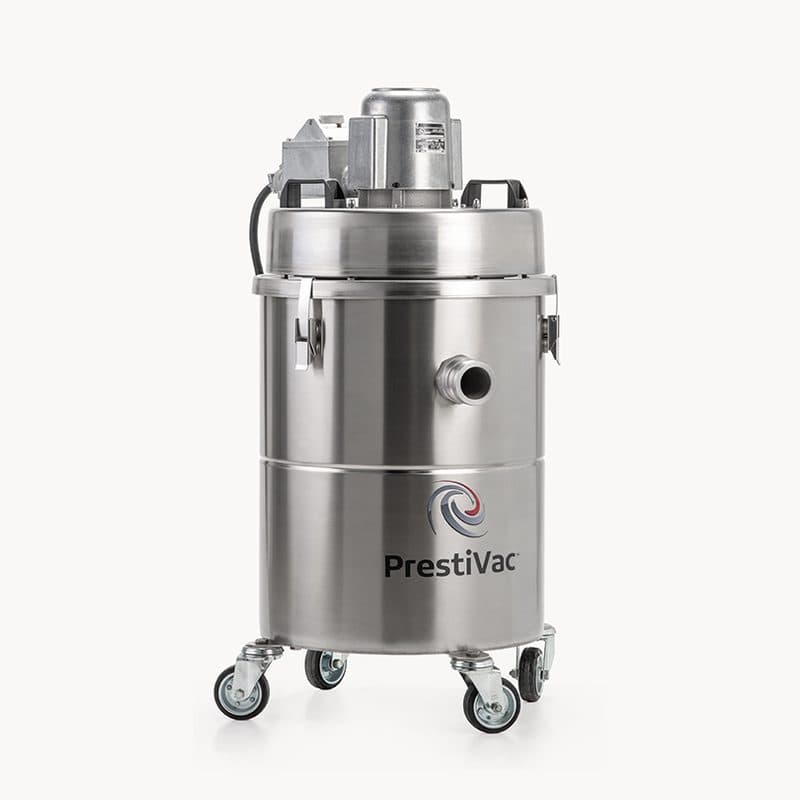
HEPA Vacuums
99.99% filtration for fine and hazardous dust
Learn more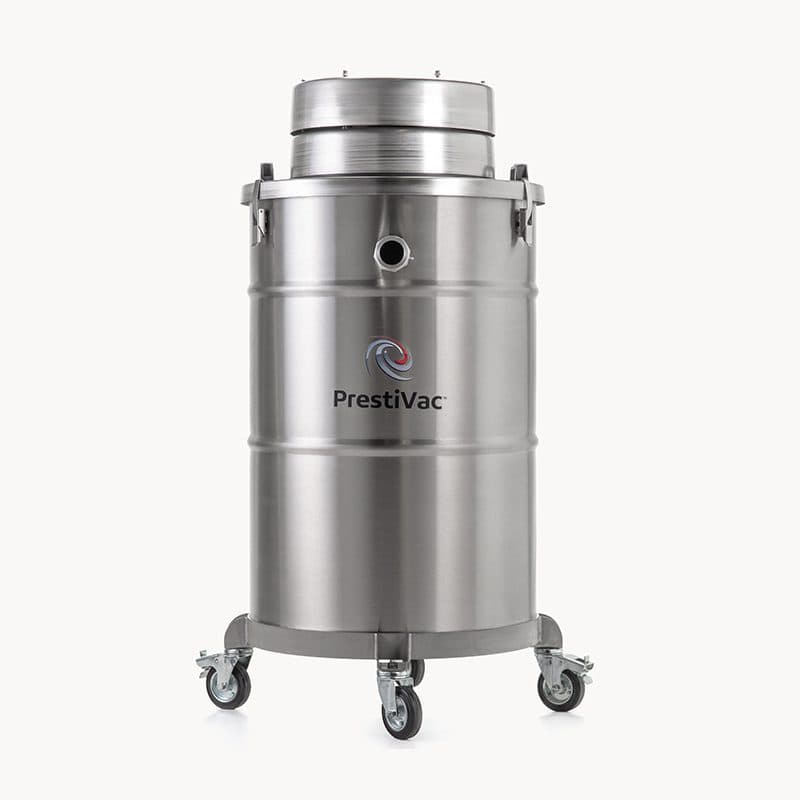
Explosion Proof Vacuums
Grounded, bonded recovery for combustible dust
Learn more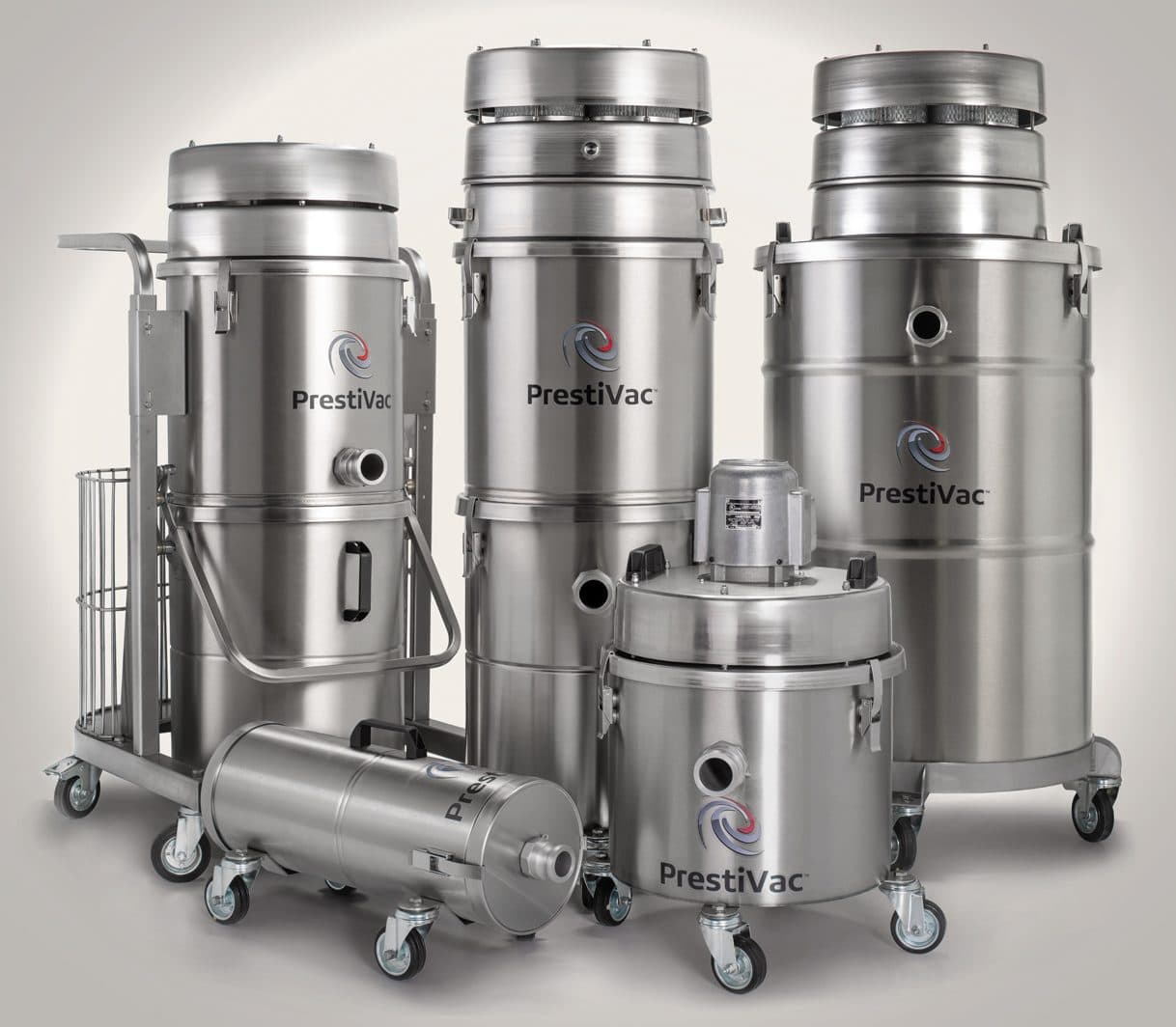
Industrial Vacuums
Continuous-duty recovery for demanding plants
Learn more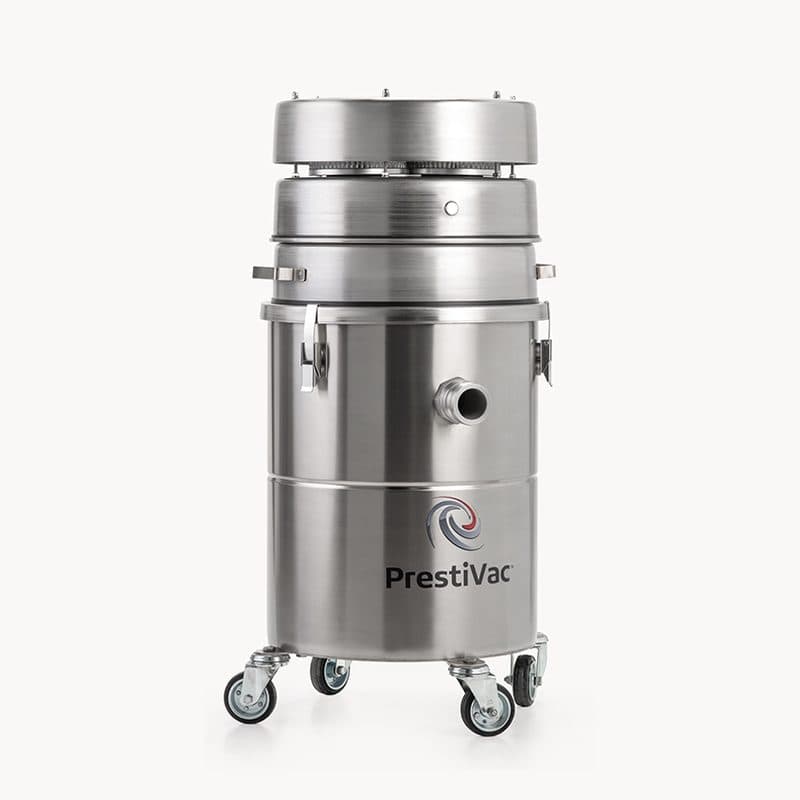
Central Vacuum Systems
Facility-wide housekeeping from fixed drops
Learn more
Representative case study
Regulated Metal Dust Control in a Government
A representative scenario: containing beryllium and other regulated metal dusts across a machining and materials research facility.
Read the full case studyTalk to the manufacturer
Get the right explosion proof vacuum for your application.
Tell us what you need to vacuum and where. Our technical team will recommend the PrestiVac model best suited to your material, your classification and how hard you will work it — and because we build every unit ourselves, we can modify it to fit.
- Legally certified explosion proof
- Solid stainless steel construction
- Industry-best 3-year warranty
- Designed & manufactured in the USA
- 200+ vacuum versions