
Nickel Dust Vacuum Solutions
Built for the metal with two serious hazards at once — fine nickel is a combustible metal dust handled like any reactive metal, but it is also a recognized respiratory carcinogen and one of the most common skin sensitizers, so the exposure ledger weighs as heavily as the fire ledger. The fortunate part: the same HEPA-retained, grounded recovery that controls the combustion risk also controls the exposure.
Health-First
Carcinogen & sensitizer — exposure matters
Testing Governs
Fineness sets the behavior
HEPA Filtration
Fine fraction retained, sealed disposal
Built for Metals
Batteries, superalloys & plating
Overview
Nickel sits in the combustible-metal family and takes the full metal-dust discipline — dry, grounded, bonded, rated recovery, specified against explosibility testing of the actual fines. Those fines arise wherever nickel and its alloys are worked: machining nickel superalloys such as the Inconel-type materials used in aerospace and energy, nickel powder in battery cathode manufacturing, electroplating operations, and metal additive manufacturing of nickel-alloy powders. On the combustion side, nickel behaves as a reactive metal dust and is treated as one — the point this page makes is that combustion is only half the story.
What sets nickel apart is that its health hazard is at least as serious as its fire hazard, and arguably more so in day-to-day exposure terms. Nickel and many nickel compounds are recognized respiratory carcinogens, and nickel is among the most common causes of allergic contact dermatitis — a potent skin sensitizer. Respirable nickel dust therefore carries real occupational-exposure obligations, which makes HEPA-retained capture and sealed handling essential rather than optional. The convenient truth is that the two objectives coincide: the grounded, rated, HEPA-retaining recovery that prevents a metal-dust deflagration is exactly the equipment that keeps carcinogenic fines out of the breathing zone. In battery-cathode and Inconel additive-manufacturing contexts the recovery is typically dedicated to the material, both to protect the process and to keep the carcinogenic, combustible fines contained and separate — and dry sweeping or blow-down, which resuspend the dust, are off the table on both health and fire grounds.
Combustibility
A combustible metal dust — handled under combustible-metal practice
The health hazard
A recognized respiratory carcinogen and common skin sensitizer — exposure control rivals fire control
Dual duty
HEPA-retained capture serves the exposure goal and the combustible-dust goal at once
Standard
A combustible metal under NFPA 660, with occupational exposure limits in force
Industries & applications
Hazards & handling risks
- Treating nickel as only a fire hazard — it is a recognized carcinogen and sensitizer too
- Under-controlling exposure — respirable nickel dust carries serious occupational-health obligations
- Skin contact and cross-contamination — nickel is a leading contact sensitizer
- Dry sweeping or blow-down — resuspends a carcinogenic, combustible metal dust
- Ignoring the combustible-metal side in machining and AM — fine nickel fines still deflagrate
Engineered recovery
- HEPA-retained recovery — serving exposure control and combustible-dust control together
- Grounded, bonded, rated recovery matched to explosibility testing of your fines
- Sealed handling and disposal; hygiene discipline to limit skin and take-home exposure
- Dedicated recovery in battery-cathode and Inconel additive-manufacturing contexts
- Never dry-sweep or blow down a carcinogenic combustible metal dust
Recommended products
View all products →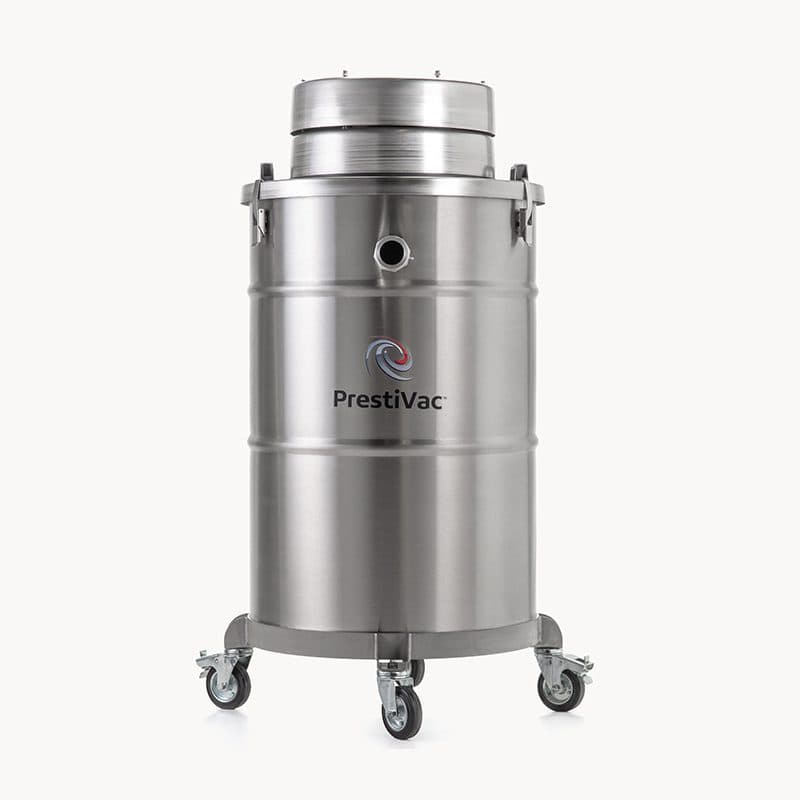
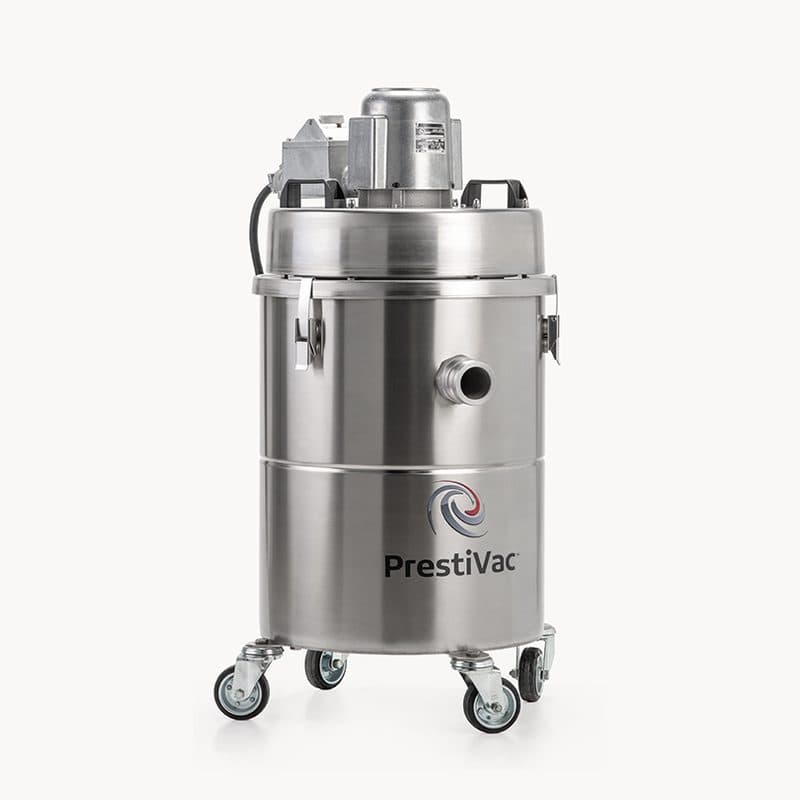
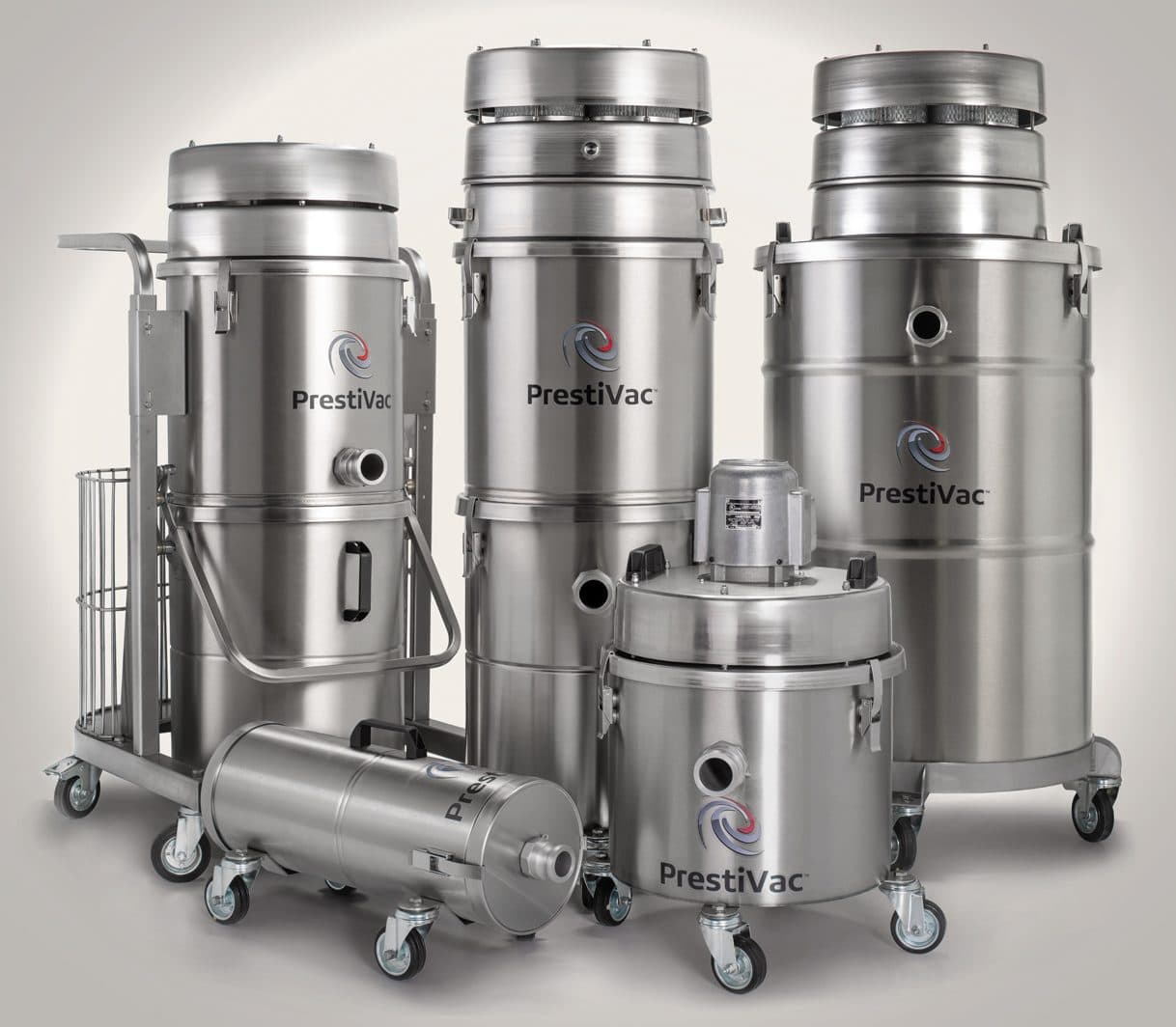
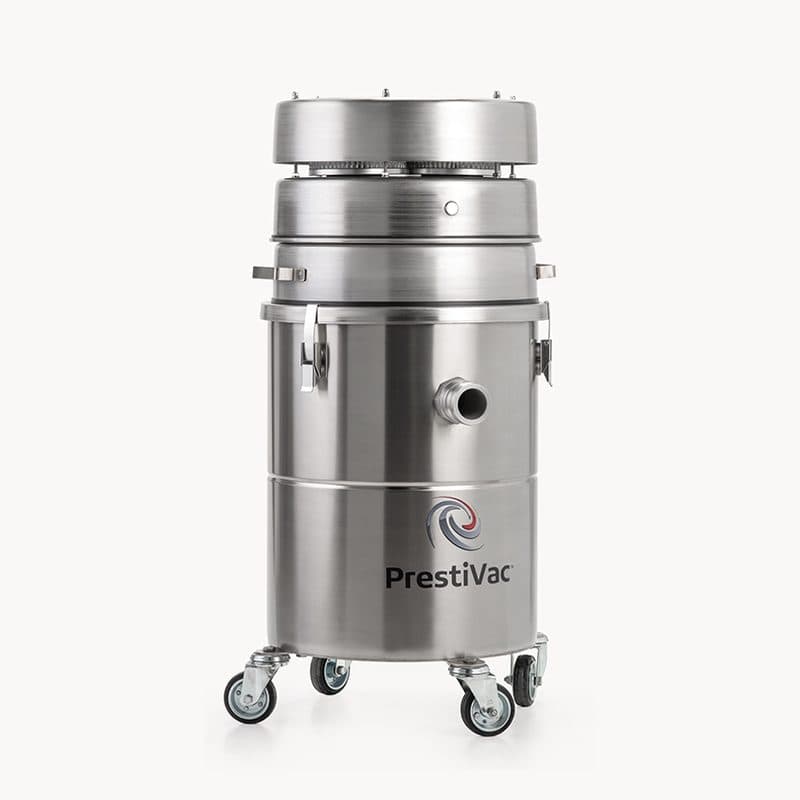
Typical system configuration
- 01
Collection tool
Floor tools and crevice nozzles for nickel dust, machining fines and powder
- 02
Static-dissipative hose
Bonded, conductive path end to end
- 03
Recovery unit matched to the test
Rated where the combustible-metal side requires it
- 04
Tested HEPA final stage
99.99% at 0.3 µm — carcinogenic fines retained, not returned
- 05
Sealed collection & disposal
Contained; hygiene-conscious handling of collected material
Best practices
- Treat nickel as a health hazard first — carcinogen and sensitizer — and a fire hazard too
- Capture with HEPA — the one control that serves exposure and combustion goals at once
- Never dry-sweep or blow down — you resuspend a carcinogenic metal dust
- Limit skin contact and take-home pathways — nickel is a leading sensitizer
- Ground, bond and test — the combustible-metal side is real in machining and AM
Nickel Dust FAQ
Is nickel flammable?
Bulk nickel is not readily ignitable; fine nickel powder is a combustible metal dust and is handled as one. The dominant reason nickel dust is controlled tightly, though, is toxicity rather than fire: nickel compounds are classified as carcinogenic to humans by IARC, and nickel is a well-documented respiratory and skin sensitiser.
Is nickel dust combustible?
Yes. Fine nickel is a combustible metal dust handled under combustible-metal practice — dry, grounded, rated recovery. But nickel is unusual in that its health hazard is at least as serious as its fire hazard, so the recovery program is driven by both considerations together rather than by combustion alone.
What makes nickel a health concern?
Nickel and many nickel compounds are recognized respiratory carcinogens, and nickel is one of the most common causes of allergic contact dermatitis — a potent skin sensitizer. Respirable nickel dust therefore carries serious occupational-exposure obligations, and HEPA-retained capture with sealed handling is essential. Conveniently, the same capture that controls exposure also controls the combustible-dust risk.
Where does nickel dust come from?
Machining nickel superalloys such as the Inconel-type materials used in aerospace and energy, nickel powder in battery cathode manufacturing, electroplating, and metal additive manufacturing of nickel-alloy powders. Fineness and process history vary the behavior, so testing your actual material governs the specification.
Can one vacuum handle nickel's dual hazard?
The good news is that the health and fire controls point the same way: HEPA-retained, grounded, rated recovery with sealed disposal serves both. In battery-cathode and Inconel additive-manufacturing contexts the recovery is typically dedicated to the material — both to protect the process and to keep the carcinogenic, combustible fines contained and separate from other streams.
Talk to the manufacturer
Get the right explosion proof vacuum for your application.
Tell us what you need to vacuum and where. Our technical team will recommend the PrestiVac model best suited to your material, your classification and how hard you will work it — and because we build every unit ourselves, we can modify it to fit.
- Legally certified explosion proof
- Solid stainless steel construction
- Industry-best 3-year warranty
- Designed & manufactured in the USA
- 200+ vacuum versions