
Cocoa Dust Vacuum Solutions
Built for the confectionery floor — cocoa sheds its own dust stream at every process step, the residual fat makes deposits cling and layer on warm equipment, and the milk powder handled beside it means the same recovery pass carries allergen duty too.
Explosion-Safe Design
Engineered to NFPA 61 / 660 practice
HEPA Filtration
Tested 99.99% at 0.3 µm
Static Control
Grounded & bonded recovery
Built for Confectionery
Stainless construction options
Overview
Cocoa's dust follows the process. Winnowing frees shell fragments and fines in a continuous, light stream; grinding and pulverizing produce the fine powder itself; pressing and conveying shed fractions at every transfer. Cocoa powder is an established combustible organic dust — fine, dry and dispersible — and its residual cocoa-butter content adds a housekeeping wrinkle: deposits cling and layer on warm equipment instead of staying loose, so the accumulation builds exactly where heat lives.
Chocolate plants carry a second obligation in the next silo over: milk powder, a major food allergen, is handled alongside cocoa on most lines, so the recovery program serves allergen control and dust safety in one pass — HEPA-retained exhaust, sealed disposal, documented changeover cleaning. The method is dry-first: fat plus water smears into paste on warm surfaces, so vacuum recovery comes before any wet sanitation step, with stainless construction options where washdown zones and food-contact adjacency demand them.
Material type
Fat-bearing organic dust — a combustible fine powder
Process reality
Winnowing, grinding and pressing each shed their own dust stream
Neighboring hazard
Chocolate plants handle milk powder — a major allergen — alongside it
Governing standards
NFPA 61 legacy, consolidated into NFPA 660
Industries & applications
Explosion & fire risks
- Fine cocoa powder is a classic deflagration fuel — dry, organic and easily suspended
- Residual fat makes deposits cling and layer on warm equipment — fuel accumulating where heat lives
- The winnowing shell stream runs continuously and travels light
- Conveying and silo transfer points shed fines at every hand-off
- Milk-powder adjacency stacks allergen obligations onto the same housekeeping pass
Engineered recovery
- Explosion-proof HEPA recovery on frequencies the Dust Hazard Analysis sets
- Capture at winnowing and grinding — the two continuous generators
- Warm-equipment perimeters and press surrounds on their own defined schedule
- Allergen-aware program: sealed disposal, documented changeover cleaning
- Dry-first method with stainless construction options for food-area adjacency
Recommended products
View all products →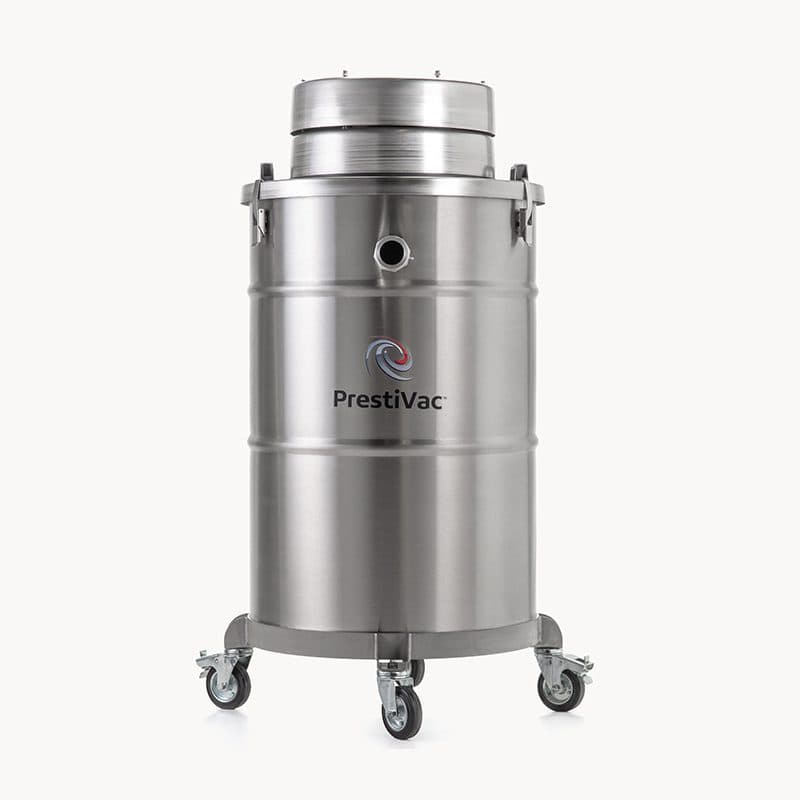
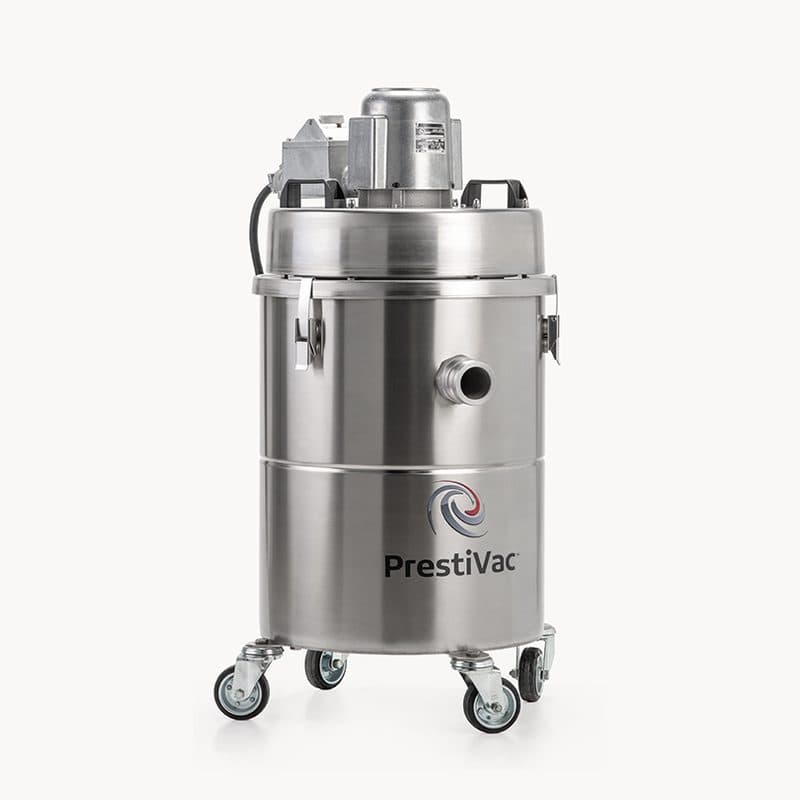
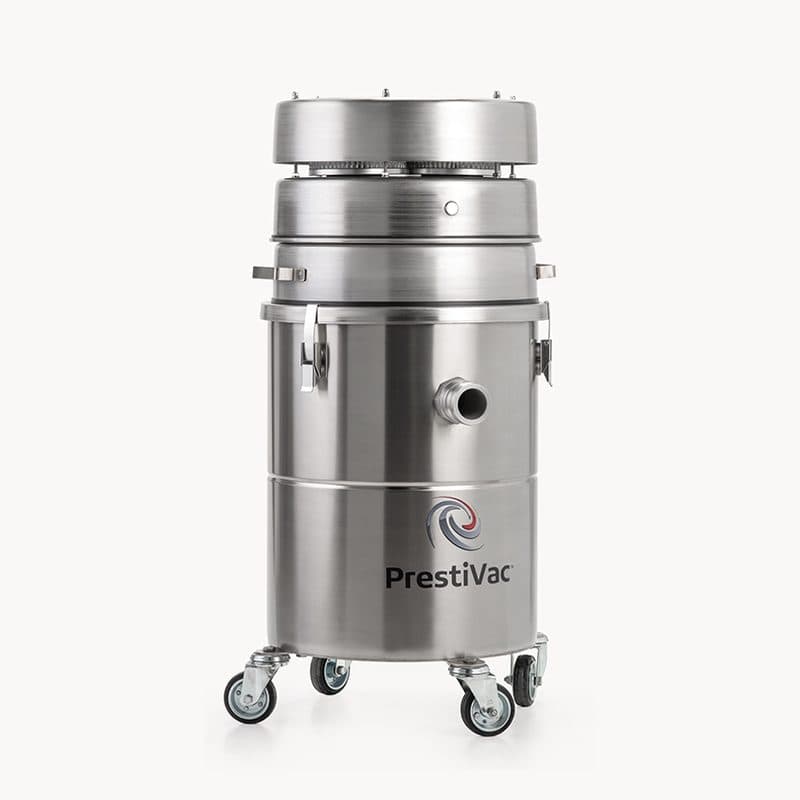
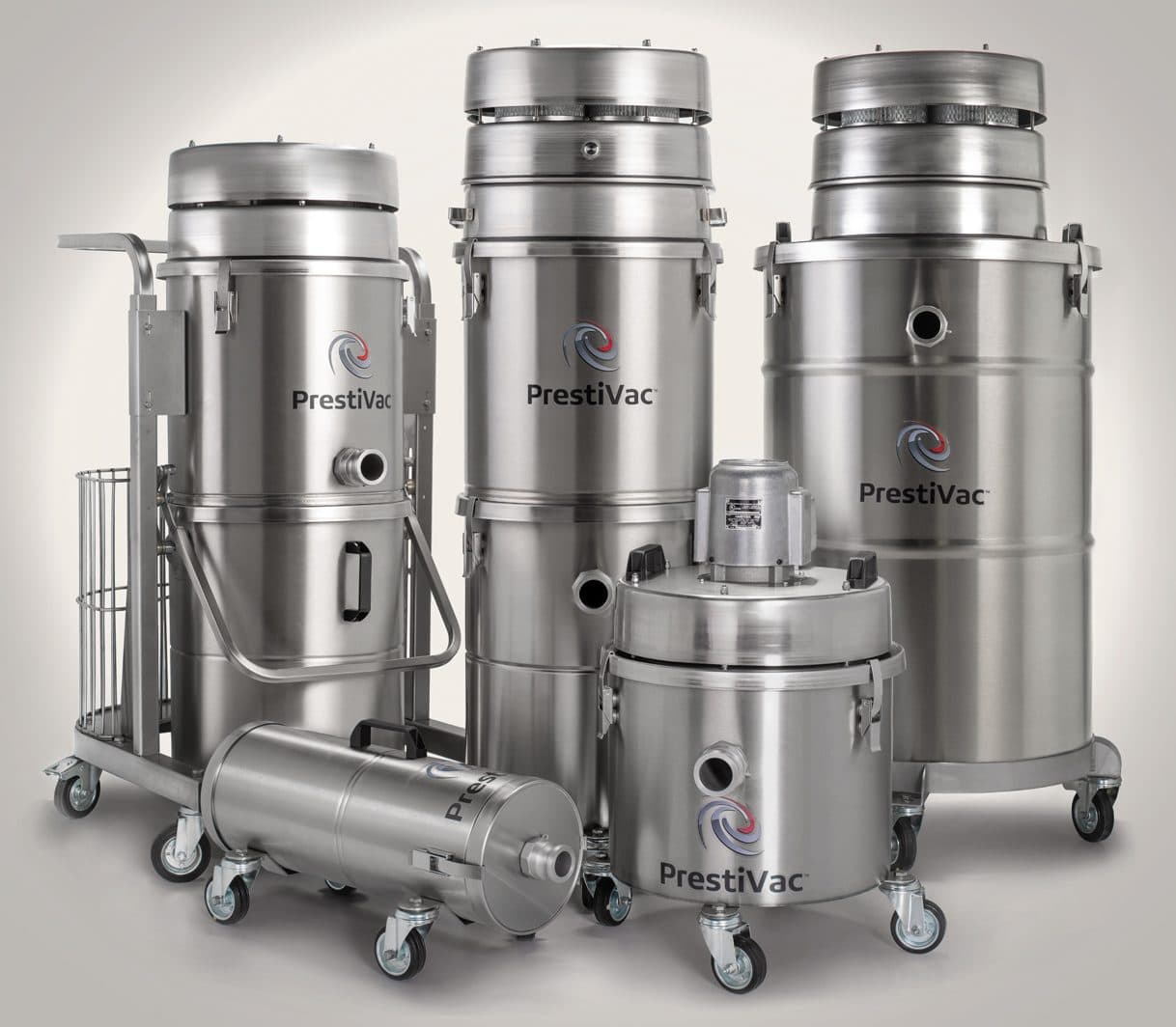
Typical system configuration
- 01
Collection tool
Food-area floor tools and crevice nozzles at the source
- 02
Static-dissipative hose
Bonded, conductive path end to end
- 03
Explosion-proof HEPA unit
Rated recovery matched to the area classification
- 04
Tested HEPA final stage
99.99% at 0.3 µm — fines and allergen dust stay captured
- 05
Sealed collection & disposal
Contained, documented, off the floor promptly
Best practices
- Never sweep or blow down cocoa — single-pass vacuum capture only
- Warm-equipment perimeters earn defined frequencies — clinging deposits build there first
- Dry recovery before wet sanitation — fat and water smear into paste on warm surfaces
- Document changeover cleans; the allergen record and the dust record are the same pass
- Let the Dust Hazard Analysis set frequencies for winnowing and grinding surrounds
Cocoa Dust FAQ
Is cocoa powder really an explosion hazard?
Yes — it is an established combustible organic dust: fine, dry and readily dispersible, which is why it appears on standard combustible-dust lists and in confectionery Dust Hazard Analyses. The fine fraction from grinding and pulverizing governs the specification.
Does the fat content change the program?
It changes where the dust goes. Residual cocoa butter makes fines cling and layer on warm equipment instead of staying loose, so press surrounds and warm perimeters accumulate first — and wet shortcuts smear the material into paste. Dry vacuum recovery on a defined schedule, then wet sanitation where procedures require it.
What about allergens on a chocolate line?
Cocoa itself is not among the major allergens — the milk powder beside it is. One HEPA-retained recovery program with sealed disposal and documented changeover cleaning serves both duties: the dust-safety record and the allergen-control record come from the same pass.
Where does cocoa dust accumulate worst?
The winnowing area's continuous shell stream, pulverizer and grinder surrounds, conveying transfer points, and the warm surfaces around presses — the fat-bearing fines favor exactly the equipment that runs hot.
Talk to the manufacturer
Get the right explosion proof vacuum for your application.
Tell us what you need to vacuum and where. Our technical team will recommend the PrestiVac model best suited to your material, your classification and how hard you will work it — and because we build every unit ourselves, we can modify it to fit.
- Legally certified explosion proof
- Solid stainless steel construction
- Industry-best 3-year warranty
- Designed & manufactured in the USA
- 200+ vacuum versions