
Sanding & Surface Prep Vacuum Solutions
Sanding dust is only as safe as its substrate.
Sanding looks like one operation, but its dust is a different hazard every time — because it is defined entirely by what is being sanded. Combustible wood dust, electrically conductive carbon-fiber composite, toxic dust from legacy lead paint, combustible metal fines: the sander is the same, and the risk is not. Recovery is matched to the substrate, captured at the tool and around the bench.
Explosion-Safe Design
Grounded for combustible substrates
HEPA Filtration
Respirable & toxic dust retained
Built to Last
Rugged. Reliable. PrestiVac.
Maximum Uptime
Tool-integrated, continuous duty
Overview
The defining fact of sanding is that the substrate decides the hazard. Sanding wood produces combustible cellulose dust; sanding carbon-fiber composite produces electrically conductive dust that shorts equipment, bound up with combustible resin; sanding old painted surfaces can liberate toxic legacy lead; sanding metal produces combustible metal fines, sometimes reactive. It is the same fine, respirable dust cloud in every case, but what to do about it changes completely with the material. Sanding dust is typically best captured at the source through tool-integrated extraction, backed by ambient recovery around benches and booths — and the recovery equipment is specified for whichever substrate hazard is in play, from grounded and rated for combustible wood or metal, to conductive-aware for composite, to HEPA-retained and sealed for lead.
Fine Sanding Dust
The respirable fraction at the tool
Substrate-Specific Hazard
Wood, composite, paint or metal
Surface & Tool Cleanliness
A clean prep for what follows
Tool-Integrated Capture
Extraction at the sander
Challenges in sanding
- The substrate decides the hazard — wood, composite, paint and metal differ entirely
- Wood sanding dust is combustible cellulose
- Composite sanding dust is electrically conductive and bound with combustible resin
- Sanding legacy painted surfaces can liberate toxic lead
- Metal sanding produces combustible fines, sometimes reactive
- Fine respirable dust is generated right in the operator's breathing zone
Why vacuum recovery?
- Tool-integrated capture takes the dust at the sander, plus ambient bench recovery
- HEPA retention for the respirable and toxic fractions
- Grounded, rated recovery for combustible wood and metal dust
- Conductive-aware recovery for carbon-fiber composite dust
- Sealed handling for legacy lead paint dust
- Supports combustible-dust and exposure-limit compliance with documented methods
Solution benefits
Better Safety
The dust is captured at the tool, whatever hazard the substrate brings.
Higher Productivity
Tool-integrated extraction keeps the work and the operator's view clear.
Cost Savings
Cleaner surfaces mean fewer finish defects and less rework.
Cleaner Workplace
HEPA-retained exhaust keeps respirable and toxic dust out of the air.
Recommended vacuums
View all vacuums →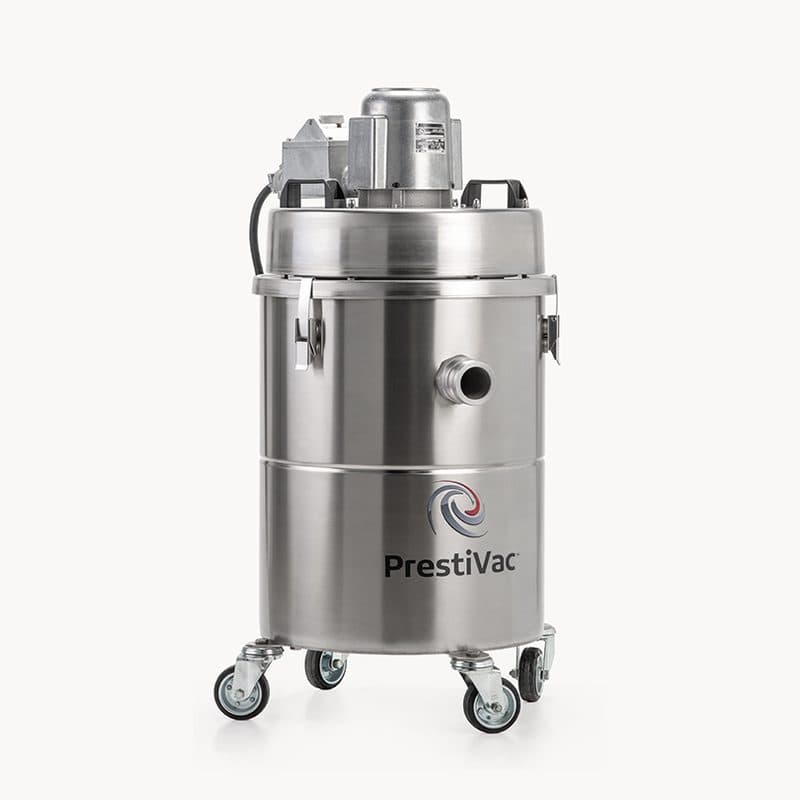
HEPA Vacuums
99.99% filtration for fine and hazardous dust
View category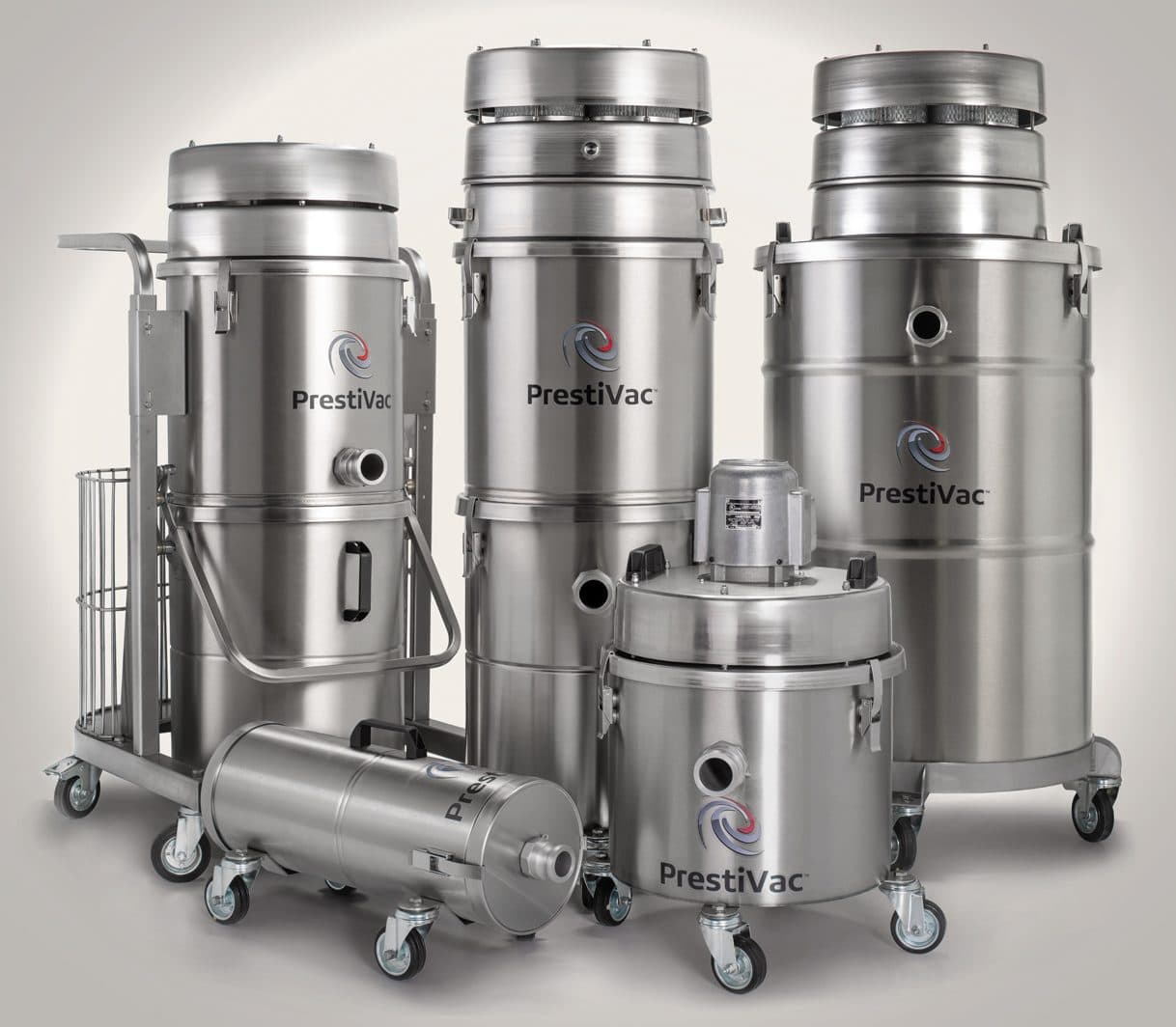
Industrial Vacuums
Continuous-duty recovery for demanding plants
View category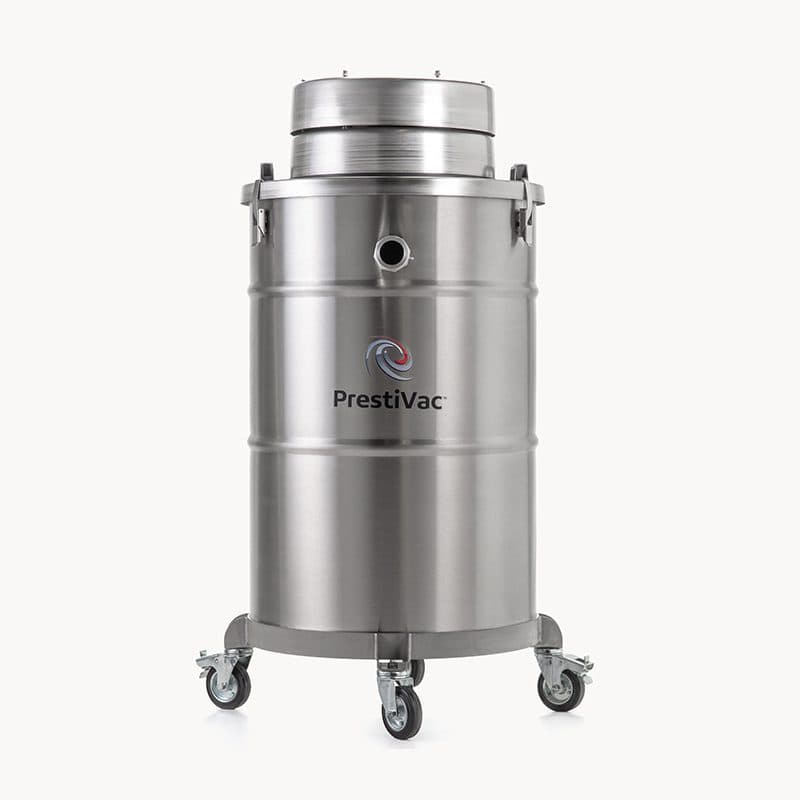
Explosion Proof Vacuums
Grounded, bonded recovery for combustible dust
View category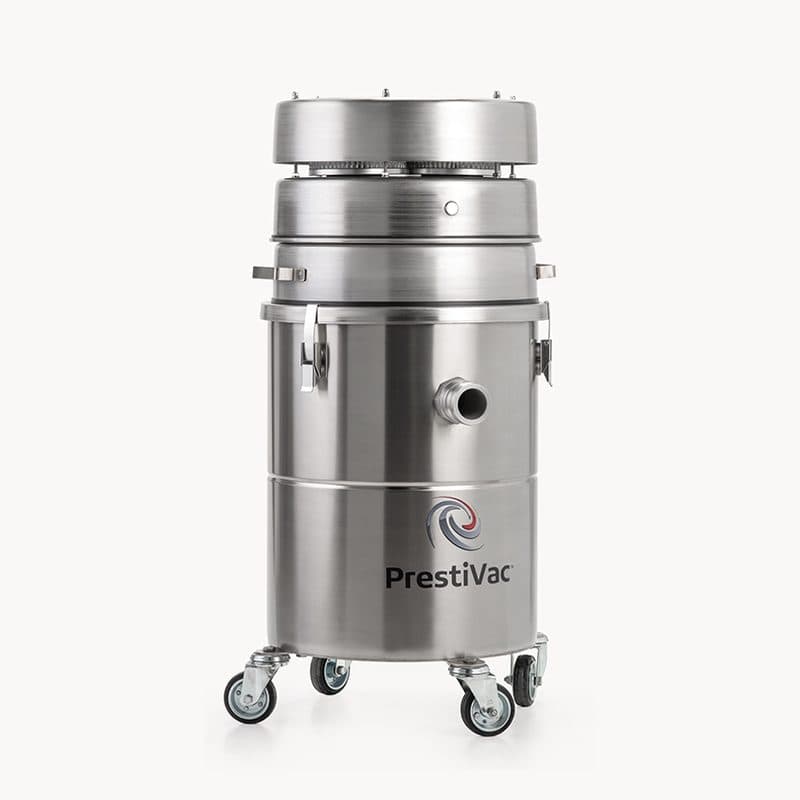
Central Vacuum Systems
Facility-wide housekeeping from fixed drops
View category
Typical system setup
- 01
Sanding station or tool
Hand, orbital or bench sanding at the source
- 02
Tool-integrated extraction
Capture at the sander, plus ambient bench recovery
- 03
Static-dissipative hose
Bonded, conductive path end to end
- 04
Rated unit matched to substrate
Grounded for combustible, conductive-aware for composite, HEPA for lead
- 05
Sealed collection & disposal
Toxic or reactive fractions contained
Wood is the most common sanding substrate of all — the woodworking deep dive covers it in depth.
Sanding & Surface Prep FAQ
Is sanding dust dangerous?
It depends entirely on the substrate. Wood sanding dust is combustible; carbon-fiber composite dust is electrically conductive and bound with combustible resin; legacy paint can liberate toxic lead; metal produces combustible, sometimes reactive fines. The dust cloud looks similar in every case, but the correct handling changes completely with what is being sanded.
Does it matter what I'm sanding?
It is the whole question. Grounded, rated recovery suits combustible wood or metal dust; conductive-aware recovery suits carbon-fiber composite; HEPA-retained, sealed handling suits legacy lead paint. Identifying the substrate — and, where relevant, testing it — is what determines the right recovery specification.
What about sanding old lead paint?
Sanding painted surfaces on older structures can liberate toxic lead, so that dust is captured HEPA-retained and sealed as a lead-exposure control. It is one of the clearest examples of the substrate driving the hazard — the same sander that is routine on bare wood becomes a lead-exposure operation on old paint.
Tool-integrated extraction or ambient recovery?
Both, working together. Tool-integrated extraction captures dust right at the sander where it is generated, which is the most effective single measure; ambient recovery around benches and booths clears what escapes and keeps surfaces clean. The combination keeps the fine, substrate-specific dust out of the breathing zone.
Talk to the manufacturer
Get the right explosion proof vacuum for your application.
Tell us what you need to vacuum and where. Our technical team will recommend the PrestiVac model best suited to your material, your classification and how hard you will work it — and because we build every unit ourselves, we can modify it to fit.
- Legally certified explosion proof
- Solid stainless steel construction
- Industry-best 3-year warranty
- Designed & manufactured in the USA
- 200+ vacuum versions