
Abrasive Blasting Vacuum Solutions
Blasting makes two dusts: the coating you removed and the media you used.
Abrasive blasting strips a surface and, in the same pass, produces an enormous mixed dust — spent media plus the coating and substrate debris it removed. On older work that debris can carry lead and heavy metals; some media is silica-bearing. Recovery reclaims the reusable abrasive and keeps the hazardous fraction contained rather than airborne.
Explosion-Safe Design
Grounded recovery where needed
HEPA Filtration
Lead, heavy-metal & silica retained
Built to Last
Rugged. Reliable. PrestiVac.
Maximum Uptime
High-volume, continuous duty
Overview
Blast cleanup is a two-part stream with two different jobs. The spent abrasive is often reclaimable — separated, cleaned and returned to the pot. The coating and substrate debris stripped off is the hazardous part: legacy lead-based coatings, other heavy metals, and the respirable fines, including crystalline silica where mineral media is used. Blast rooms concentrate huge volumes in one place; field blasting spreads it across a site. Recovery separates the reclaimable media from the waste and keeps the toxic and respirable fraction contained instead of resuspended.
Spent Abrasive Media
Reclaim versus waste, separated
Coating Debris
Lead & heavy-metal paint chips
Surface Cleanliness
A clean blast profile
High-Volume Recovery
Blast-room scale
Challenges in abrasive blasting
- The stream is mixed — reclaimable media bound up with hazardous coating debris
- Legacy lead-based and heavy-metal coating debris is toxic and must be contained
- Silica-bearing media adds a respirable crystalline-silica hazard
- Blasting generates enormous dust volumes, in blast rooms and in the field
- The reclaim-versus-disposal decision shapes how the stream is captured
- Containment differs between an enclosed blast room and open field work
Why vacuum recovery?
- Separates reclaimable abrasive from the waste fraction it strips
- HEPA retention for lead, heavy-metal and silica-bearing dust
- Contains the toxic debris instead of resuspending it into breathing zones
- High-volume recovery sized for blast-room throughput
- Supports lead and silica exposure-limit compliance with documented methods
- Keeps the blast profile clean for the coating that follows
Solution benefits
Better Safety
Toxic coating debris and respirable media stay contained, not airborne.
Higher Productivity
Reclaimable media returns to the pot instead of the dumpster.
Cost Savings
Abrasive reuse and less waste disposal cut the cost of every job.
Cleaner Workplace
HEPA-retained exhaust keeps lead and silica out of the air.
Recommended vacuums
View all vacuums →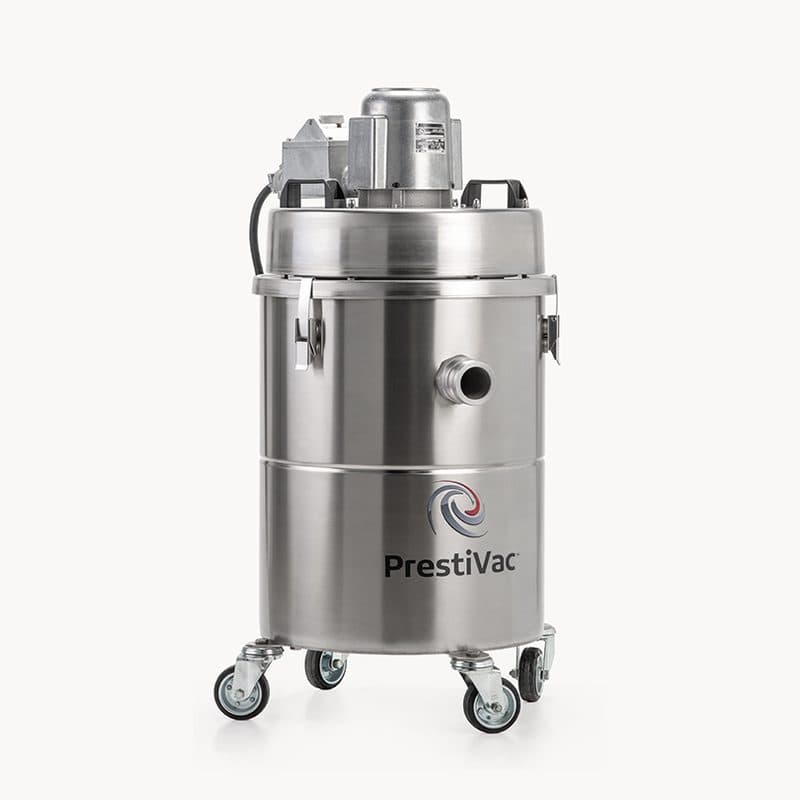
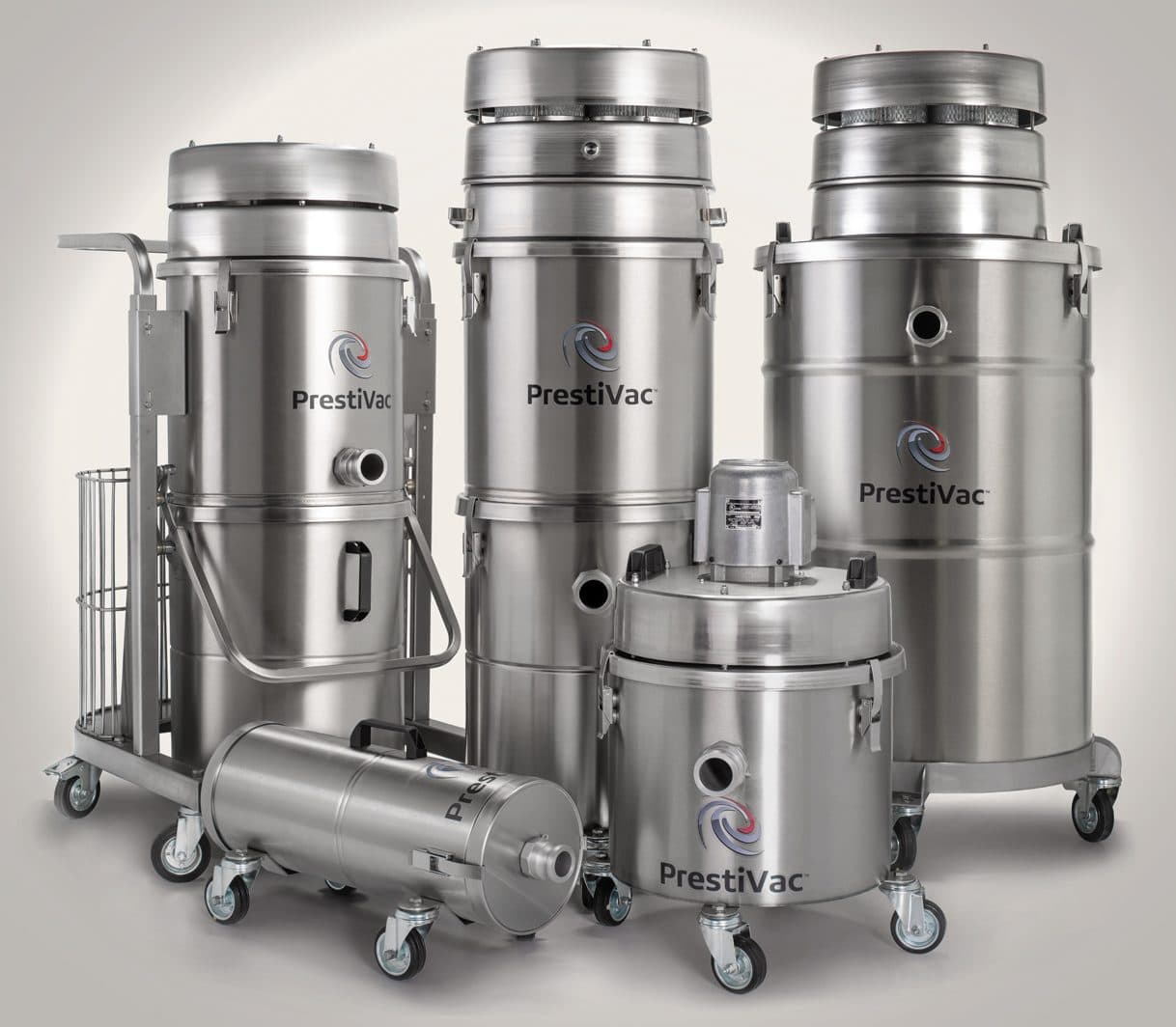
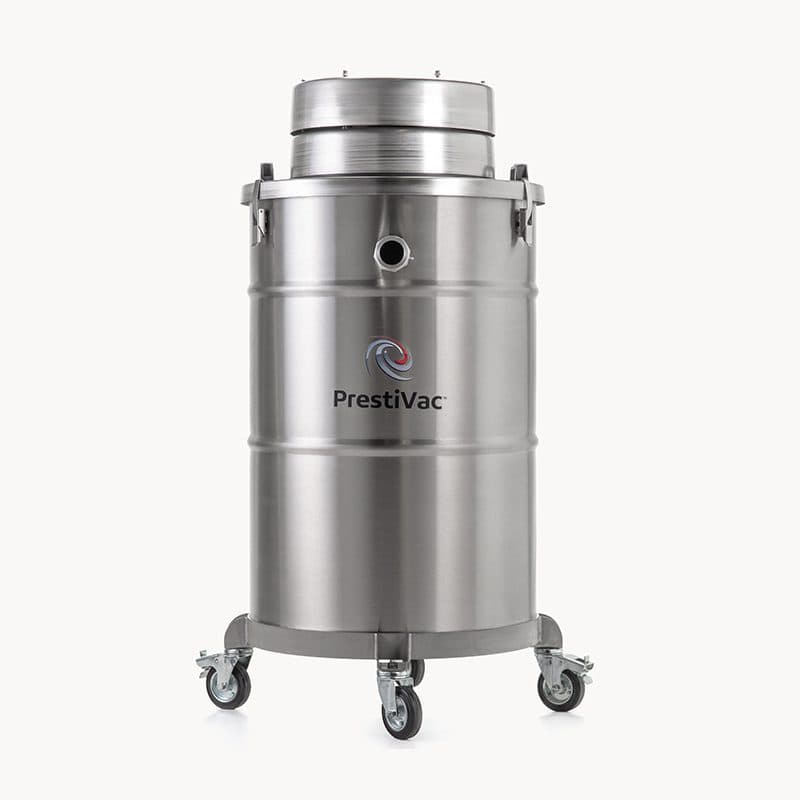
Typical system setup
- 01
Blast area or room
Enclosed blast room or field surface prep at the work
- 02
HEPA recovery unit
Sized for high-volume media and fine toxic debris
- 03
Static-dissipative hose
Bonded, conductive path end to end
- 04
Media-reclaim consideration
Separate reusable abrasive from the waste fraction
- 05
Sealed collection & disposal
Lead, heavy-metal and silica fractions contained
Shipyards and structural blasting concentrate the legacy-coating hazard — the marine & shipbuilding deep dive walks through it.
Abrasive Blasting FAQ
Can I reclaim and reuse the abrasive?
Often, yes — much blasting media is designed to be recovered, cleaned and reused. The value of recovery is separating that reusable fraction from the spent, contaminated debris it strips off. How aggressively you reclaim shapes the recovery setup, but the hazardous debris is contained either way.
What about blasting old structures with lead paint?
Legacy lead-based and other heavy-metal coatings are a serious exposure hazard, so the debris is captured under HEPA retention and sealed disposal as a toxic-exposure control. This is common on older bridges, tanks and vessels, and it governs the cleanup regardless of the media used.
Is blasting media combustible or a silica risk?
Media itself is generally not combustible, but some mineral media is silica-bearing, adding a respirable crystalline-silica hazard to the dust. HEPA retention covers that fine fraction; where the stripped substrate contributes reactive-metal fines, grounded, rated recovery is the sensible default.
Blast room versus field blasting — does it change recovery?
The hazard is the same; the containment differs. A blast room concentrates enormous dust volume in one enclosure sized for high-volume recovery, while field blasting spreads it across a site and leans on portable, HEPA-retained recovery focused on the work zone.
Talk to the manufacturer
Get the right explosion proof vacuum for your application.
Tell us what you need to vacuum and where. Our technical team will recommend the PrestiVac model best suited to your material, your classification and how hard you will work it — and because we build every unit ourselves, we can modify it to fit.
- Legally certified explosion proof
- Solid stainless steel construction
- Industry-best 3-year warranty
- Designed & manufactured in the USA
- 200+ vacuum versions