Executive Summary
A representative advanced-electronics manufacturer — wafer fabrication feeding an advanced-packaging operation, gowned discipline, a floor that looks pristine — faces a dust problem that surprises people twice. The first surprise is the toxic exposure ledger hiding behind the clean room: dopant residues including arsenic, heavy-metal and etch chemistries, and dried chemical-mechanical-planarization slurry, all of which are serious exposure streams rather than housekeeping afterthoughts. The second surprise is that the same 'high-tech, surely inert' assumption also hides genuinely combustible dust — fine silicon liberated by ingot slicing and wafer grinding, and the reactive-metal powders that advanced packaging has now carried onto the electronics floor.
That duality is the whole engineering problem. Recovery here cannot be a single tool with a single rule: the toxic streams demand HEPA retention and sealed handling; the device-sensitive environment demands electrostatic-discharge control on every tool; and the combustible streams — silicon fines and reactive-metal additive-manufacturing powder — demand the grounded, rated, dedicated-recovery discipline that governs any powder-bed cell. Applying the wrong frame to the wrong stream is the failure mode: treating dopant residue as merely 'dust' understates the exposure, and treating silicon or metal AM powder as 'inert because it's electronics' understates the deflagration risk.
The engineered response separated the streams and matched each to its own recovery discipline while holding cleanliness and static control across all of them. Toxic dopant, etch and CMP residues are recovered with HEPA-retained, sealed handling and never through generic cleanup. The advanced-packaging metal-AM cell is treated exactly as a reactive-metal powder area, with dedicated explosion-proof recovery that is never cross-used with the toxic streams. Fine silicon from grind and slice areas is captured with grounded, HEPA-retained equipment. Throughout, ESD-safe tooling protects the devices, and the equipment exhausts cleaner than the room it works in — because in a fab, a fine particle is a killed die, and contamination is a yield input, not a cosmetic one.
Project Overview
- Facility type
- Advanced-electronics manufacturer — wafer fab plus advanced-packaging operation
- Processes
- Ingot slice & grind, doping, deposition & etch, CMP, advanced-packaging metal AM, assembly
- Environment
- Gowned, ESD-controlled, contamination-sensitive; cleanroom and grey-space areas
- Dust generation points
- Wafer grind & slice, tool interiors, CMP, metal-AM powder handling, assembly & rework
- Housekeeping challenge
- Two hazard classes at once — toxic exposure and localized combustible dust — plus ESD
- Consequence ledger
- Operator exposure, deflagration in specific streams, and yield loss from contamination
Industry Background
Electronics manufacturing runs a consequence regime that most people misread on sight, because the floor is clean and the product is high-tech. Behind that appearance sit two distinct dust hazards. The first is toxic: doping introduces species such as arsenic, deposition and etch leave chemical residues on chamber and tool surfaces, and chemical-mechanical planarization generates fine particulate and dried slurry. These are exposure streams governed by industrial-hygiene controls, and recovering them with an unrated shop vacuum would both expose the operator and risk redistributing the contamination.
The second hazard is the one the 'high-tech means inert' assumption most reliably hides: genuinely combustible dust. Fine silicon liberated by slicing and grinding ingots is a recognized combustible particulate, and it behaves according to the same dust-deflagration physics as any fine dust — its origin in a semiconductor line does not exempt it. The engineering point is simply that a clean, precise, advanced environment is not the same as a hazard-free one.
Advanced packaging changed the floor plan of the hazard. Metal additive manufacturing has moved into advanced packaging and interconnect work, which means reactive-metal powder — the same class of combustible metal fines that governs any powder-bed operation — is now handled inside the electronics facility. That stream carries combustible-metal rules with it: grounded and bonded handling, dedicated recovery that is never shared with other materials, and the powder-bed discipline that treats the fines as fuel. A fab that historically thought only about contamination now has a genuine combustible-metal area on site.
Layered over both hazards is the device environment itself. Electrostatic discharge damages semiconductors, so every tool that touches the line — recovery equipment included — must be static-safe as well as clean. And because a fine particle is a defect and a defect is a killed die, contamination control is a yield input: housekeeping frequencies and methods are set to protect yield, which makes capture and cleanliness the same objective and raises the bar on the recovery equipment's own emissions.
The Challenge
- Toxic residues
- Dopant, deposition/etch and dried CMP residues are exposure streams — arsenic and heavy-metal chemistries demand HEPA-retained, sealed handling, never generic cleanup.
- Surprise-combustible silicon
- Fine silicon from ingot slice and wafer grind is combustible — one of the dusts the 'inert because it's electronics' assumption most reliably misses.
- Metal AM on the floor
- Advanced-packaging metal additive manufacturing brought reactive-metal powder onto the fab — a genuine combustible-metal area with powder-bed rules.
- ESD meets dust
- Devices demand electrostatic-discharge control, so every recovery tool had to be static-safe as well as clean — two disciplines in one piece of equipment.
- No cross-use
- The combustible metal-AM stream and the toxic streams cannot share a vacuum — mixing incompatible materials is its own hazard, so recovery had to be dedicated.
- Contamination is yield
- A fine particle is a killed die, so cleanliness is a yield input — recovery equipment itself must not return fines to the air it just cleaned.
Hazard Analysis
This scenario is deliberately split, because the fab holds two hazard classes and the explosion pentagon governs only one of them. The toxic streams — dopant residues, etch and deposition chemistries, dried CMP slurry — are, in the general case, not combustible; their controlling framework is exposure control and contamination management, not deflagration. Documenting that boundary is part of the value here, because treating a toxic-but-inert residue as a fire hazard misdirects effort, and treating a genuinely combustible stream as merely toxic understates the risk.
The combustible hazard is real but localized, and this is where the pentagon applies. Fine silicon from slicing and grinding is a combustible particulate; reactive-metal powder in the advanced-packaging additive-manufacturing cell is a combustible metal. In those specific areas the familiar elements line up — a combustible fine (fuel), ambient oxygen, dispersion from grinding or powder handling, possible confinement in tool enclosures, ducting or collection vessels, and ignition sources that must be controlled. The control strategy is conventional combustible-dust and combustible-metal practice applied precisely where those materials live.
Reactive-metal powder deserves its own emphasis. Combustible metals are handled under dedicated, grounded, bonded recovery that is never cross-used with other materials — because mixing metal fines with incompatible residues introduces reactivity hazards independent of deflagration, and because the metal-AM cell's powder is fuel in the most literal sense. The advanced-packaging area is therefore run as a reactive-metal powder operation would be anywhere else, not as a generic electronics bench.
The device environment shapes the ignition-control side of the analysis. Electrostatic discharge is both a device-damage mechanism and, in the presence of a combustible cloud, a potential ignition source — so ESD discipline serves two purposes at once. Grounded, static-dissipative recovery equipment that also retains fines to HEPA levels addresses the combustible-stream ignition concern, the toxic-stream exposure concern, and the yield-contamination concern in a single, coherent equipment specification.
| Pentagon element | Present as |
|---|---|
| Fuel | Present in specific streams — fine silicon (slice/grind) and reactive-metal AM powder are combustible; dopant, etch and CMP residues are toxic but not combustible |
| Oxygen | Ambient air — available wherever the combustible fines are handled |
| Dispersion | Grinding, dry handling and powder transfer suspend the combustible fractions in the affected areas |
| Confinement | Tool enclosures, ducting and collection vessels can confine a suspended cloud in the combustible-stream areas |
| Ignition | Controlled by design in the combustible areas — ESD discipline, grounded/rated recovery and hot-surface management; the toxic-only streams are governed by exposure control, not ignition |
Site Assessment Findings
- Wafer slice and grind areas liberating fine silicon without grounded, HEPA-retained capture
- Dopant, etch and CMP residues on tool interiors and surfaces recovered with equipment not rated for the exposure
- Advanced-packaging metal-AM cell handling reactive-metal powder without dedicated, powder-bed-appropriate recovery
- A single general-purpose vacuum used across incompatible streams — toxic residues and combustible metal fines
- Recovery equipment without verified static-dissipative continuity in an ESD-controlled environment
- Housekeeping keyed to visible tidiness rather than to the yield-contamination targets the fab inspects against
Recommended Solution
The program began by separating the streams, because the fab's defining feature is that it holds two hazard classes that must not be handled with one rule or one tool. Toxic dopant, etch and CMP residues were assigned HEPA-retained recovery with sealed handling and sealed disposal, run under the facility's industrial-hygiene procedures and never through generic cleanup. Fine silicon from slice and grind areas was captured with grounded, HEPA-retained equipment at the point of generation, treated as the combustible particulate it is rather than as incidental electronics dust.
The advanced-packaging metal-additive-manufacturing cell was run as a reactive-metal powder operation in its own right. Dedicated explosion-proof recovery served that area and that area only — never cross-used with the toxic streams or general housekeeping — with grounded, bonded handling and the powder-bed discipline that treats the fines as fuel. Keeping the metal-AM recovery physically and procedurally separate addresses both the deflagration hazard and the material-incompatibility hazard that mixing streams would create.
Across every stream, two constraints held simultaneously. Electrostatic-discharge discipline was absolute — static-dissipative hoses and grounded tooling protected the devices and, in the combustible areas, removed an ignition pathway. And recovery equipment was specified to exhaust cleaner than the room it worked in, because in an environment where a fine particle is a killed die, a vacuum that returns fines degrades the yield it is meant to protect. Housekeeping outcomes were documented against the fab's contamination targets, making cleanliness an inspectable deliverable rather than an assumption from the clean appearance of the floor.
Equipment Used
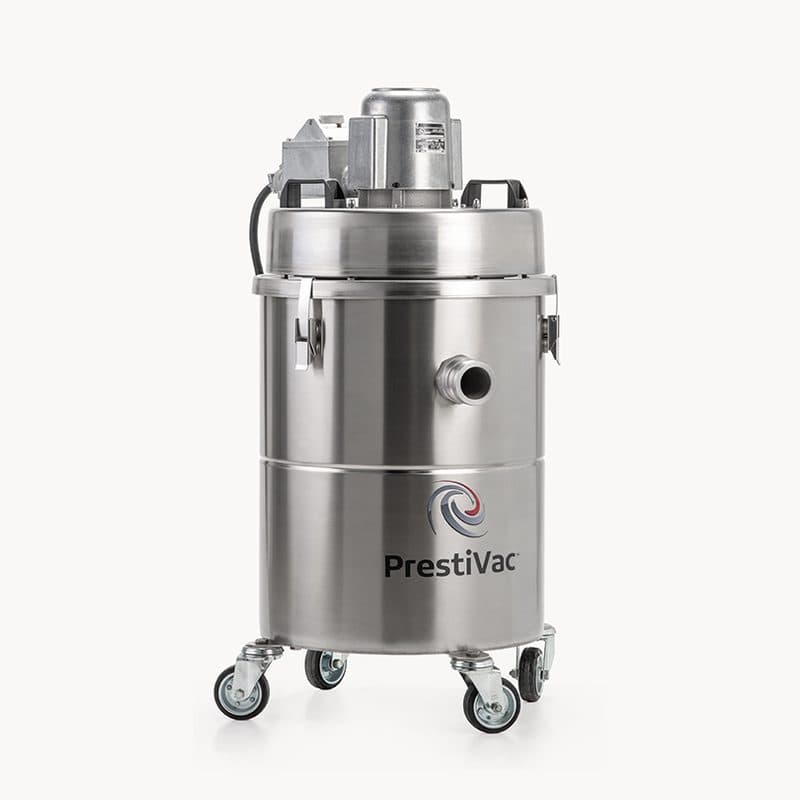
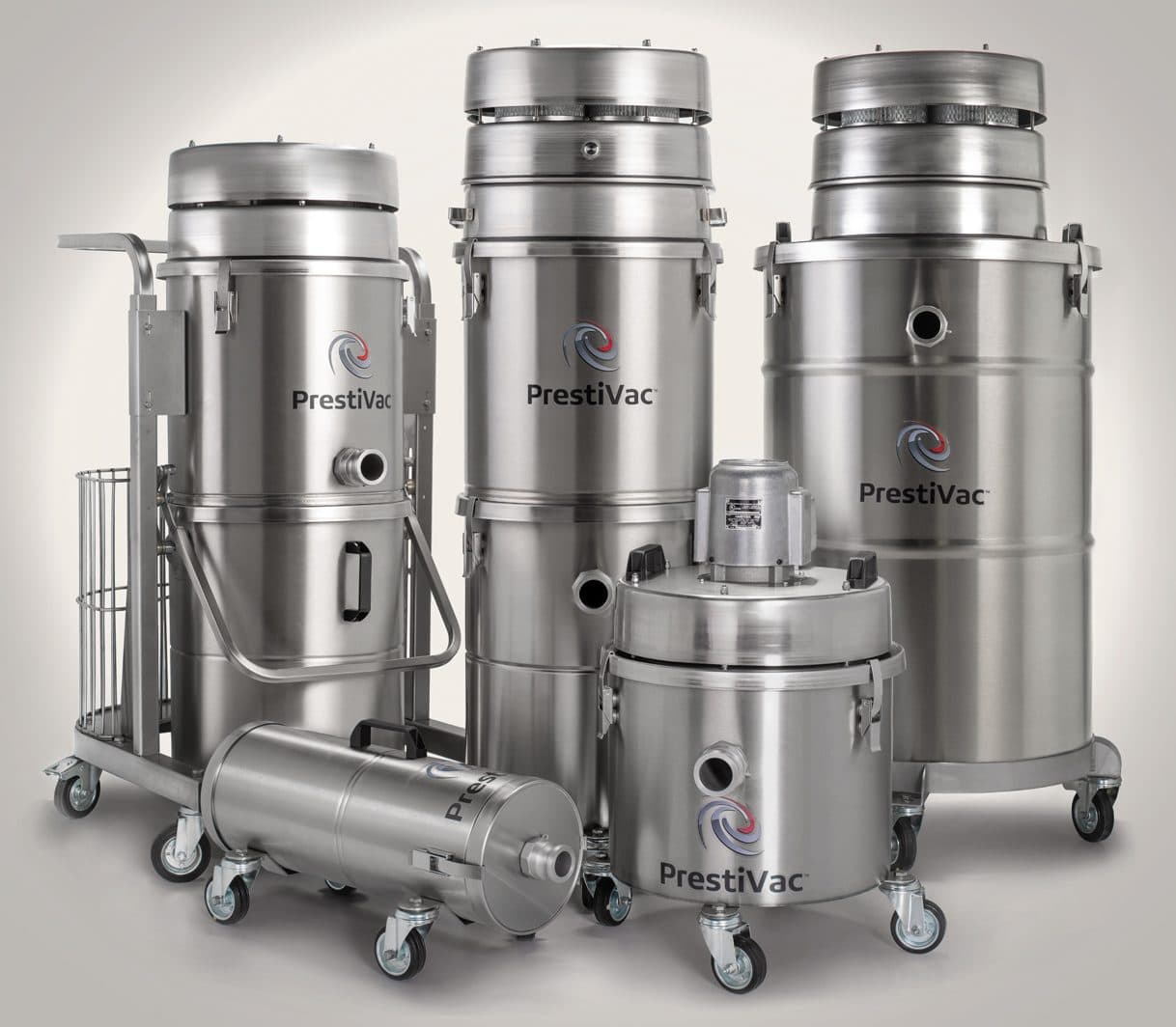
HEPA industrial vacuums (EX1 series, e.g. EX1-15 HEPA)
Toxic dopant/etch/CMP residue recovery and fine-silicon capture — HEPA-retained, sealed
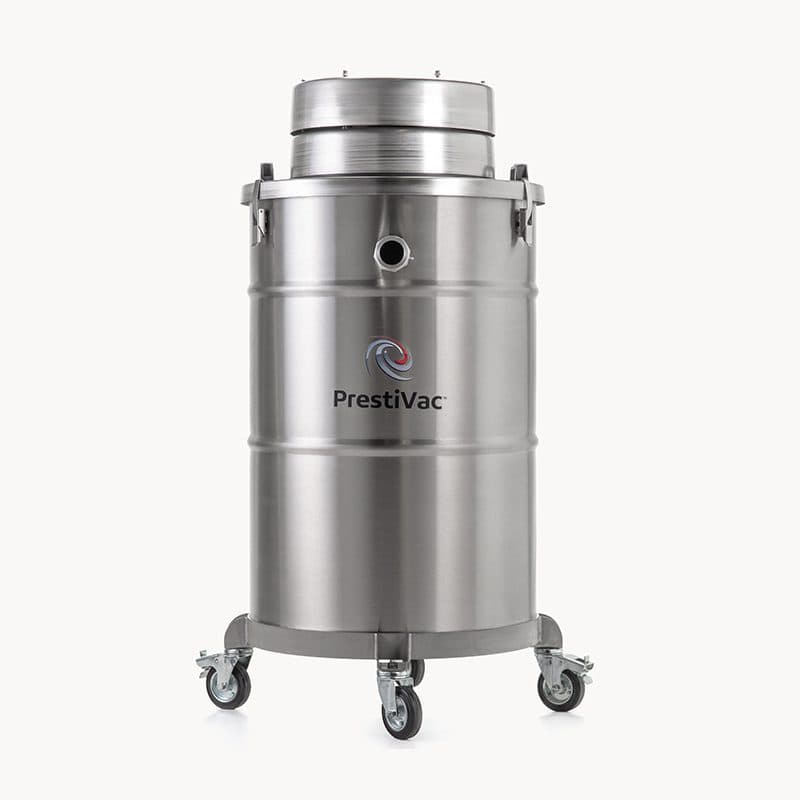
Explosion-proof vacuum, dedicated to metal AM
Reactive-metal powder recovery in the advanced-packaging cell — never cross-used
Grounded, static-dissipative tool and hose kits
ESD discipline across all streams; ignition-path control in combustible areas
Tested HEPA final-stage filtration (99.99% at 0.3 µm)
Toxic and fine fractions retained, not returned to the fab air path
Sealed collection containers
Contained removal of toxic residues and reactive-metal fines, kept separate
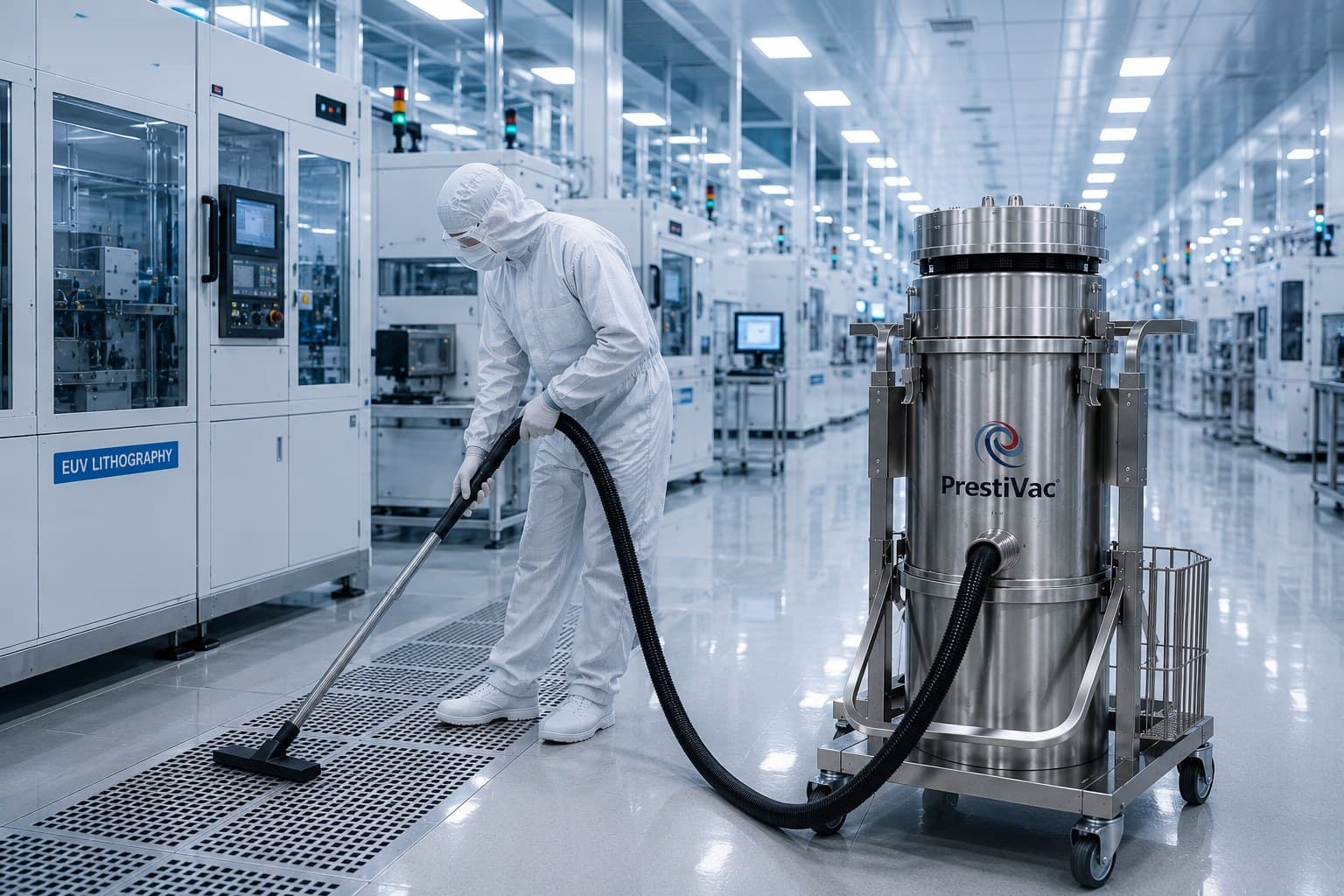
Cleanroom-appropriate HEPA units
Contamination-sensitive areas held to the fab's particulate targets
Dedicated wands and accessories per stream
Physical separation of toxic and combustible-metal recovery paths
Industrial vacuums (AV series)
Grey-space, staging and non-critical support areas
Installation & Implementation
- 1
Assessment
Stream-by-stream survey separating toxic residues, fine silicon and reactive-metal AM powder; contamination-target and ESD baseline established.
- 2
Planning
Dedicated recovery assigned per stream; metal-AM cell scoped as a reactive-metal powder area; no-cross-use rule defined; capture at grind/slice points planned.
- 3
Training
Technician sessions on why toxic and combustible streams get different tools, reactive-metal powder handling, ESD discipline and sealed disposal.
- 4
Commissioning
Grounding and static-dissipative continuity verified; HEPA exhaust validated against room particulate targets; dedicated kits labelled per stream.
- 5
Operator education
Method cards per stream; the no-cross-use rule posted at the metal-AM cell; sealed-disposal routes for toxic and metal fines documented.
- 6
Maintenance program
Recovery rotation keyed to contamination targets; filter service on condition with sealed change-out; cleanliness outcomes recorded per area.
Before vs After
| Aspect | Before | After |
|---|---|---|
| Toxic residues | Recovered with unrated equipment — exposure and redistribution risk | HEPA-retained, sealed handling and disposal under IH procedures |
| Fine silicon | Treated as incidental electronics dust | Captured as the combustible particulate it is — grounded, HEPA |
| Metal-AM powder | No dedicated reactive-metal recovery | Dedicated explosion-proof recovery, powder-bed discipline, never cross-used |
| Stream separation | One vacuum across incompatible materials | Dedicated tools per stream — toxic and combustible-metal kept apart |
| ESD control | Recovery equipment of unverified continuity | Static-dissipative, grounded — devices protected, ignition path removed |
| Cleanliness | Assumed from a clean-looking floor | Documented against the fab's contamination targets |
Compliance Improvements
Semiconductor and advanced-packaging housekeeping spans two governing frameworks, and this program supports both. The combustible streams — fine silicon and reactive-metal additive-manufacturing powder — are handled under combustible-dust and combustible-metal practice, aligned with the consolidated NFPA 660 framework and the combustible-metals discipline it carries forward. The toxic streams — dopant, etch and CMP residues — are handled under exposure-control and contamination-management practice, with HEPA-retained capture and sealed disposal, rather than as a deflagration problem.
The reactive-metal additive-manufacturing cell is treated as a combustible-metal powder operation throughout: dedicated recovery, grounded and bonded handling, and strict no-cross-use with other materials, both to control deflagration and to avoid the reactivity hazards of mixing incompatible residues. Where any operation cuts, grinds or generates respirable crystalline silica outside the wafer context, those rules apply to that work exactly as they would elsewhere.
Component certifications and listings vary by model and configuration; documentation is supplied per application. The program is described throughout as supporting the facility's safety, exposure-control and contamination objectives rather than conferring any certification, and this representative scenario publishes no fabricated exposure readings, particulate counts, yield figures or performance percentages.
Operational Improvements
- The two hazard classes are no longer confused: toxic residues get exposure-grade sealed recovery and combustible streams get deflagration-grade rated recovery, so neither is under-controlled by a one-size tool.
- The metal-AM cell is handled as the reactive-metal powder area it is — dedicated, grounded, never cross-used — which addresses both deflagration and material-incompatibility risk at once.
- Static discipline does double duty: protecting devices from ESD damage and removing an ignition pathway in the combustible-stream areas through a single equipment specification.
- Cleanliness became a yield-relevant, documented deliverable rather than an inference from the clean appearance of the floor. (Improvements are stated by mechanism; this representative scenario publishes no fabricated percentages.)
Technical Explanation
Why the analysis is split: the fab holds toxic-but-inert streams and genuinely combustible streams, and the explosion pentagon governs only the latter. Documenting the boundary prevents two opposite errors — over-treating inert residues as fire hazards, and under-treating silicon or metal AM powder as 'inert because it's electronics.'
Why fine silicon counts as combustible: silicon dust liberated by slicing and grinding is a recognized combustible particulate that follows the same deflagration physics as any fine dust. Its origin in a high-tech line confers no exemption, so grind and slice areas get grounded, HEPA-retained capture at the source.
Why the metal-AM cell is run as a reactive-metal area: additive manufacturing in advanced packaging handles combustible metal powder, which is fuel in the literal sense. Dedicated explosion-proof recovery, grounded and bonded, never cross-used, is the powder-bed discipline that applies to any reactive-metal operation regardless of the surrounding industry.
Why ESD-safe equipment matters twice: electrostatic discharge damages semiconductors and can ignite a combustible cloud. Static-dissipative, grounded recovery equipment therefore serves device protection and ignition control simultaneously — and tested HEPA retention at 99.99% at 0.3 µm ensures the toxic and fine fractions are retained rather than returned to the fab air, protecting exposure limits and yield together.
Frequently Asked Questions
Is dust in a semiconductor fab actually a combustible hazard?
Partly — and that is the key nuance. Some fab dust is toxic but not combustible: dopant residues, etch chemistries and dried CMP slurry are exposure hazards governed by contamination and industrial-hygiene controls. But other streams are genuinely combustible: fine silicon from wafer slicing and grinding, and the reactive-metal powder used in advanced-packaging additive manufacturing. The right approach recognizes both and does not apply one framework to the other.
Why can't one vacuum handle everything in the fab?
Because the streams are incompatible in two ways. Toxic residues need exposure-grade HEPA-retained, sealed handling, while combustible metal powder needs dedicated, grounded, explosion-proof recovery that is never cross-used. Mixing reactive-metal fines with other residues introduces reactivity hazards independent of deflagration, so the metal-AM stream gets its own equipment, kept physically and procedurally separate from the toxic streams.
How did advanced packaging change the dust hazard?
It brought reactive-metal powder onto the electronics floor. Metal additive manufacturing in advanced-packaging and interconnect work handles combustible metal fines — the same class that governs any powder-bed operation — so a facility that historically thought only about contamination now has a genuine combustible-metal area on site, run with combustible-metal rules: grounded, bonded, dedicated recovery.
Why does electrostatic-discharge control matter for a vacuum here?
Two reasons at once. ESD damages semiconductor devices, so any tool on the line must be static-safe to protect the product. And in the presence of a combustible cloud, static discharge is a potential ignition source, so static-dissipative, grounded recovery equipment removes that ignition pathway. One ESD-safe equipment specification addresses device protection and combustible-stream ignition control together.
What does 'contamination is yield' mean for housekeeping?
In a fab, a fine particle landing on a wafer is a defect, and a defect is a killed die — so cleanliness is a direct yield input, not a cosmetic concern. That is why recovery equipment must exhaust cleaner than the room it works in: a vacuum that returns fines to the air degrades the very yield it is meant to protect. Housekeeping is set to contamination targets and inspected against them.
Key Takeaways
- A semiconductor fab hides two hazard classes behind a clean floor: toxic dopant, etch and CMP residues that are not combustible, and genuinely combustible dust the 'high-tech means inert' assumption misses.
- Fine silicon from wafer slicing and grinding is a recognized combustible particulate — its origin in a high-tech line confers no exemption from dust-deflagration physics.
- Advanced-packaging metal additive manufacturing brought reactive-metal powder onto the floor, creating a genuine combustible-metal area run under powder-bed rules: grounded, bonded, dedicated recovery.
- The toxic and combustible streams cannot share a vacuum — exposure-grade sealed recovery and deflagration-grade rated recovery are kept separate, and the metal-AM stream is never cross-used.
- ESD-safe, HEPA-retaining equipment protects devices, controls ignition in combustible areas, and preserves yield — because in a fab, contamination is a yield input, not a cosmetic one.
Classification
- Industry
- Semiconductor & Electronics
- Application
- Dual-hazard dust control — toxic residues, silicon fines & metal-AM powder
- Hazard
- Toxic and combustible (dual-hazard, localized pentagon)
- Material
- Silicon fines, dopant/etch/CMP residues, reactive-metal AM powder
- Process
- Wafer slice & grind, doping, etch, CMP, advanced-packaging metal AM, assembly
- Dust Class
- Mixed — toxic non-combustible and combustible (silicon, reactive metal)
- Facility Type
- Advanced-electronics manufacturer — wafer fab & advanced packaging
- Relevant Standards
- NFPA 660, Combustible-metal practice, OSHA exposure control
- Products Featured
- HEPA vacuums, Explosion-proof vacuums, Industrial vacuums
- Target Personas
- EHS manager, Fab facilities, Process safety, Industrial hygiene