
Vacuum solutions engineered for marine & shipbuilding
Heavy industry at outdoor scale, where the signature dust hazards are abrasive blasting and legacy coatings — surface preparation produces enormous volumes of spent media mixed with paint debris, and older vessels carry lead-based and heavy-metal coatings that blasting and grinding liberate as toxic dust. Welding fume, fiberglass composite dust and confined-space work round out a demanding recovery picture.
Legacy-Coating Aware
Lead & heavy metals
Abrasive-Blast Dust
Spent media + coating debris
HEPA Filtration
Toxic & fine fractions retained
Built for Shipyards
Blast, weld, grind & fair
Explosion-Proof
Manufacturing specialists
1000+
Vacuums sold worldwide
USA
Designed & manufactured
Direct
Buy from the manufacturer
NFPA 660
ATEX / IECEx principles
Marine & Shipbuilding production process explorer
Every stage. Every challenge. The right vacuum solution.
Shipbuilding and repair move from surface preparation through fabrication to outfitting, much of it in semi-open or confined spaces. Walk the stages where dust and its recovery matter most.
Stage 01 — Surface prep & abrasive blasting
Blasting generates the shipyard's largest dust volume — spent media mixed with coating debris — where some legacy media is silica-bearing and adds a respirable hazard.
Key challenges
Blasting, legacy coatings, and confined spaces
Legacy Lead Coatings
Older vessels carry lead-based and heavy-metal coatings — blasting and grinding them liberates toxic dust demanding HEPA-retained, sealed handling.
Abrasive-Blast Dust
Blasting produces huge volumes of spent media mixed with coating debris, and some legacy media is silica-bearing, adding a respirable-silica hazard.
Composite Dust
Fiberglass and carbon-composite fabrication sheds fine, irritating dust that is captured with HEPA-retained recovery.
Confined Spaces
Tanks, holds and double-bottoms concentrate dust and fume in confined spaces under strict entry discipline — recovery supports the entry plan.
Toxic + Respirable Mix
The blast-and-coating stream mixes toxic (lead) and respirable (silica) fractions, so recovery is HEPA-retained and sealed for both at once.
Outdoor Scale
Shipyard work happens at massive scale in semi-open conditions, so capture is targeted at the work zone and confined spaces rather than the whole yard.
Dust & materials knowledge center
What shipyards recover
Combustibility and severity are material- and particle-size-specific — testing and your Dust Hazard Analysis govern. Full directory: the full materials directory.
Applications in marine & shipbuilding
- Shipbuilding
- Ship repair
- Naval facilities
- Port maintenance
- Railcar manufacturing
- Rail maintenance
- Wheel shops
- View all
Built for performance. Built for compliance.
View all products →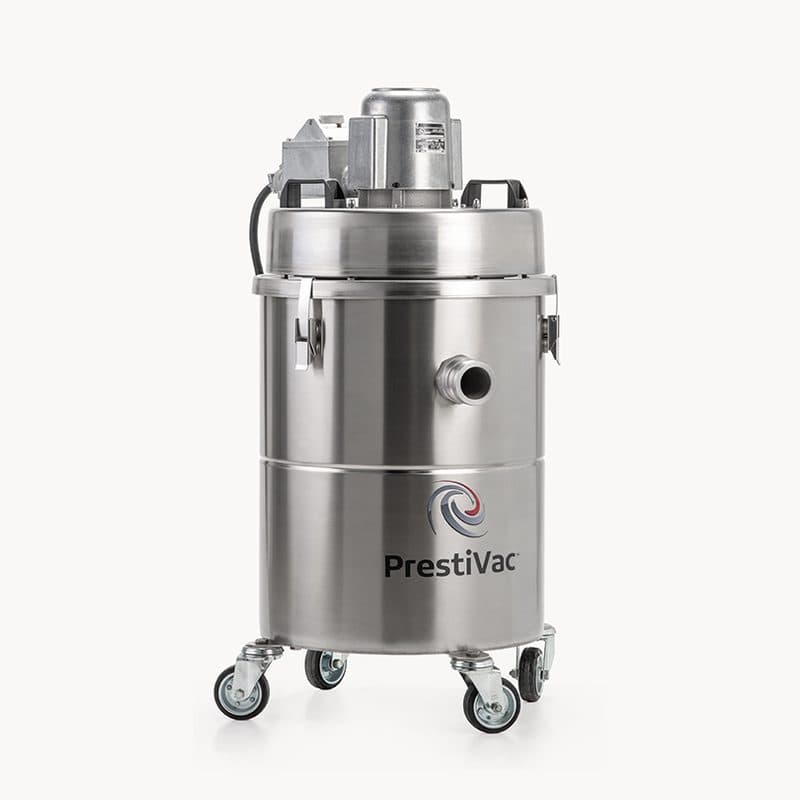
HEPA Vacuums
99.99% filtration for fine and hazardous dust
Learn more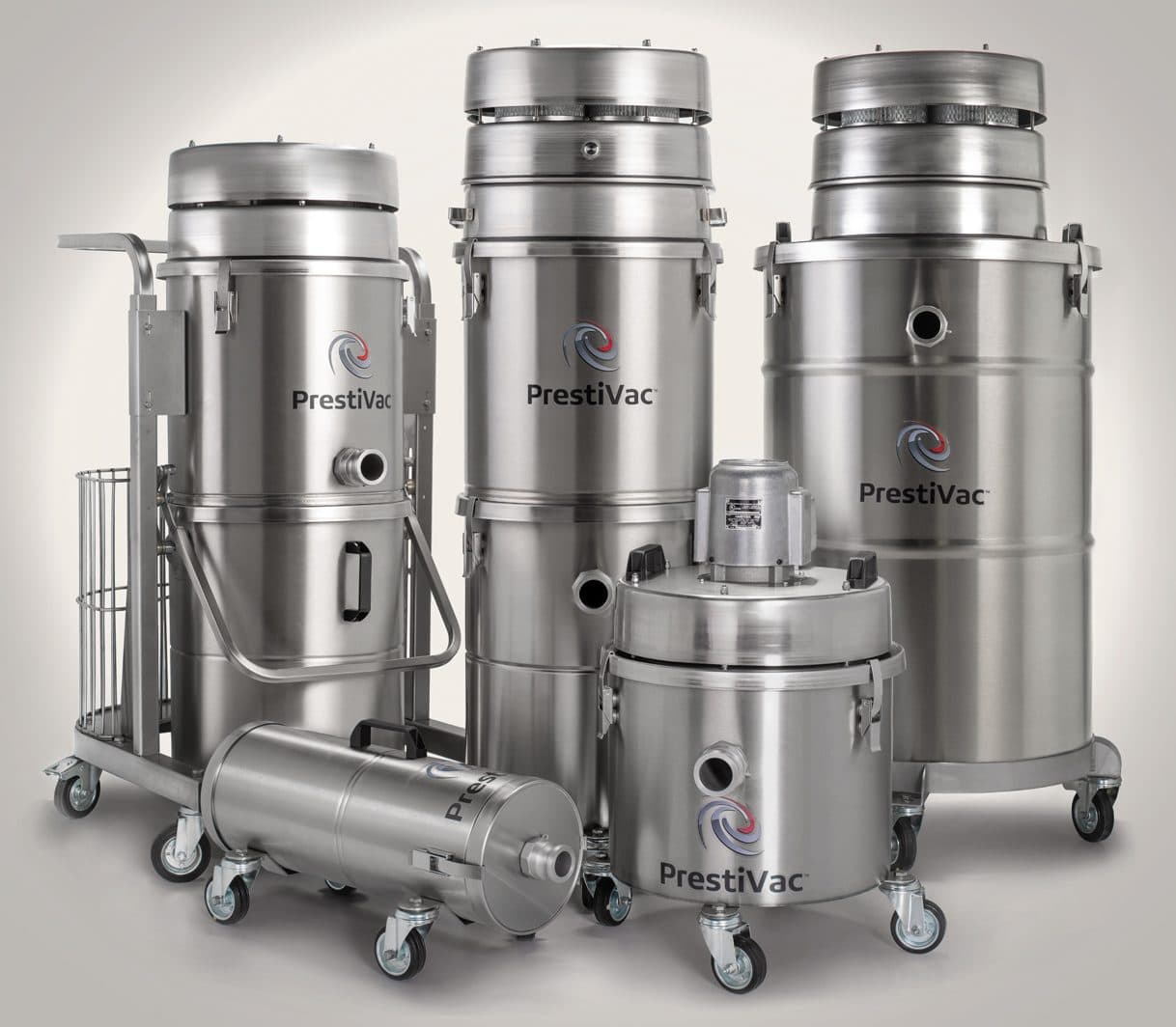
Industrial Vacuums
Continuous-duty recovery for demanding plants
Learn more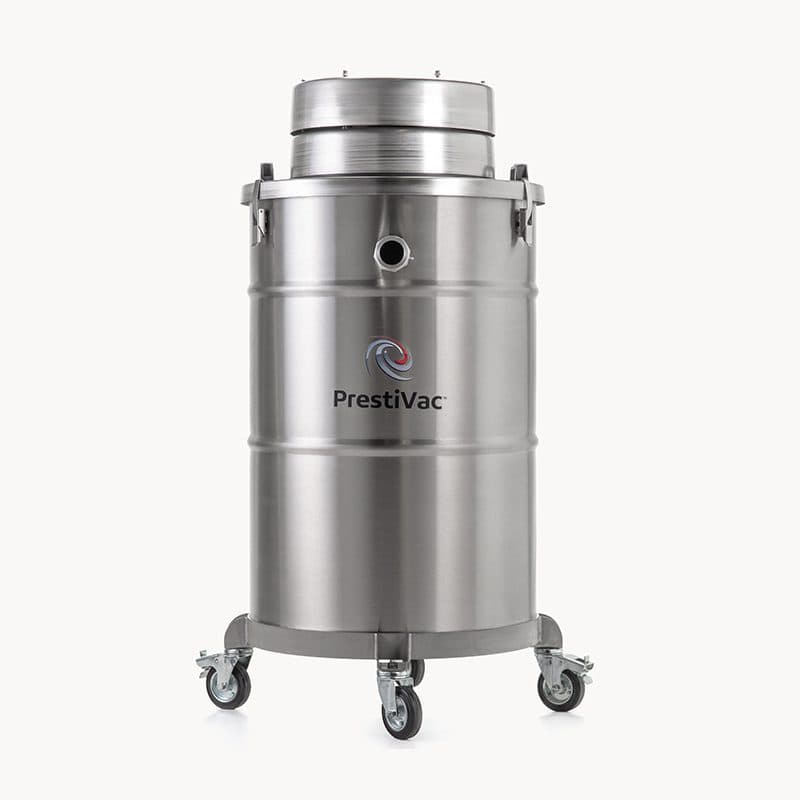
Explosion Proof Vacuums
Grounded, bonded recovery for combustible dust
Learn more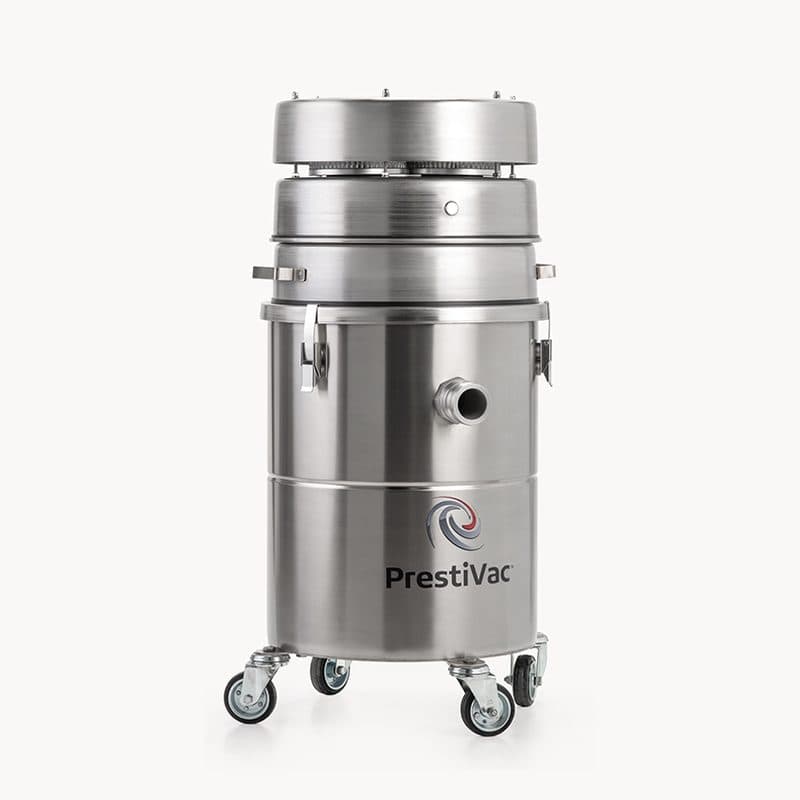
Central Vacuum Systems
Facility-wide housekeeping from fixed drops
Learn more
Representative case study
Controlling Coating Powder in an Automotive
How a representative automotive components finisher brought fugitive coating powder and color-change cleanout under control — grounded recovery in a process that charges combustible polymer dust on purpose.
Read the full case studyTalk to the manufacturer
Get the right explosion proof vacuum for your application.
Tell us what you need to vacuum and where. Our technical team will recommend the PrestiVac model best suited to your material, your classification and how hard you will work it — and because we build every unit ourselves, we can modify it to fit.
- Legally certified explosion proof
- Solid stainless steel construction
- Industry-best 3-year warranty
- Designed & manufactured in the USA
- 200+ vacuum versions