
Vacuum solutions engineered for paints & coatings
The industry where fine powder meets flammable solvent in the same building — coatings manufacturing handles combustible pigment and resin powders on the dry side and flammable solvents on the wet side, with powder-coating production adding a combustible thermoset powder of its own. Recovery is specified to whichever hazard the area actually presents.
Dual-Hazard Aware
Combustible powder & flammable solvent
Solvent-Aware
Class I areas on the wet side
HEPA Filtration
Pigment & filler fines retained
Built for Coatings
Liquid paint & powder coating
Explosion-Proof
Manufacturing specialists
1000+
Vacuums sold worldwide
USA
Designed & manufactured
Direct
Buy from the manufacturer
NFPA 660
ATEX / IECEx principles
Paints & Coatings production process explorer
Every stage. Every challenge. The right vacuum solution.
A coatings plant blends powders into liquids or produces dry powder coating, shedding fine dust on the dry side and running flammable solvents on the wet side. Walk the stages and the hazard each one presents.
Stage 01 — Raw-material handling
Pigments, extenders, fillers and resins arrive as fine powders; handling begins with the recognition that organic pigments and resins are combustible while mineral fillers are respirable.
Key challenges
Powder on one side, solvent on the other
Combustible Pigments & Resins
Organic pigments and resin powders are combustible fine dusts — handled with grounded, rated recovery, exactly as any combustible organic dust.
Flammable Solvents
Solvent-borne dispersion, let-down and thinning create Class I flammable atmospheres, so recovery equipment must be rated for the atmosphere on the wet side.
Solvent-Borne Liquids & Sludge
Spills and residues on solvent lines need recovery configured for flammable liquids, not the dry-dust assumptions of the powder side.
Respirable Fillers
Extenders such as calcium carbonate and talc are largely inert and non-combustible, while silica fillers are respirable — HEPA retention covers the fine mineral fraction either way.
Heavy-Metal Pigments
Where legacy or specialty pigments carry heavy-metal components, that dust is captured under sealed, HEPA-retained handling as an exposure control.
Powder-Coating Powder
Thermoset powder-coating material is a combustible plastic dust with static behavior — grounded, static-dissipative recovery, covered further in the powder coating application guide.
Dust & materials knowledge center
What coatings manufacturing handles
Combustibility and severity are material- and particle-size-specific — testing and your Dust Hazard Analysis govern. Full directory: the full materials directory.
Applications in paints & coatings
- Chemical manufacturing
- Powder mixing
- Pigment production
- Resin production
- Plastic compounding
- Solvent recovery
- Catalyst production
- Fertilizer production
- Polymer production
- View all
Built for performance. Built for compliance.
View all products →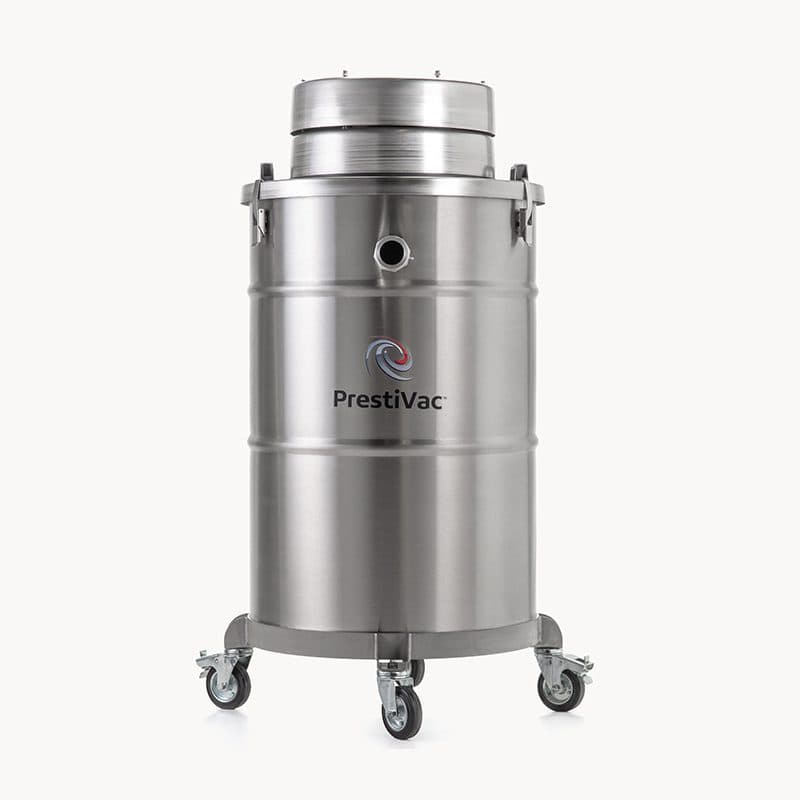
Explosion Proof Vacuums
Grounded, bonded recovery for combustible dust
Learn more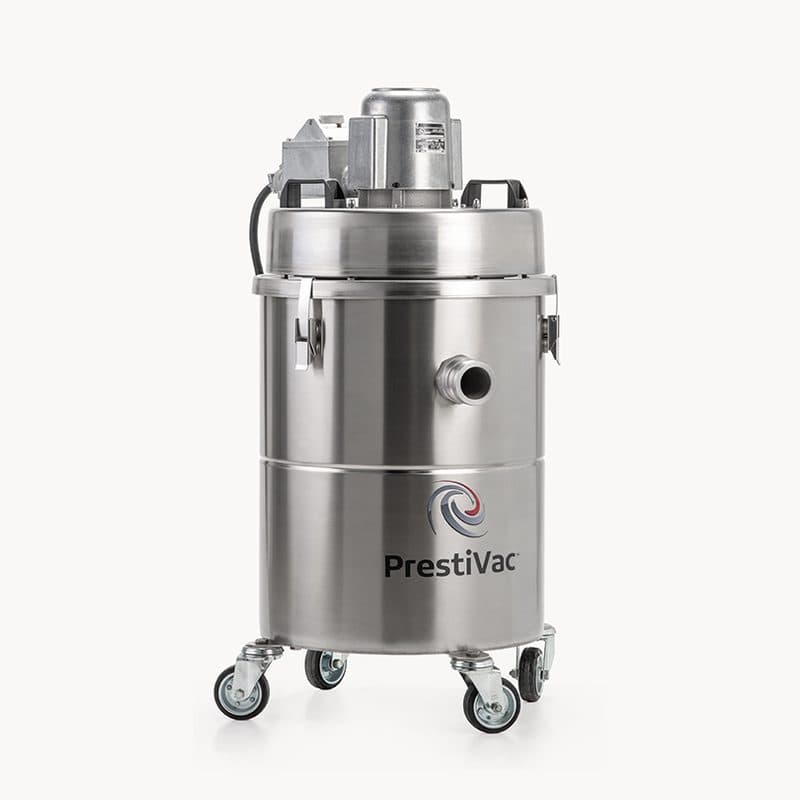
HEPA Vacuums
99.99% filtration for fine and hazardous dust
Learn more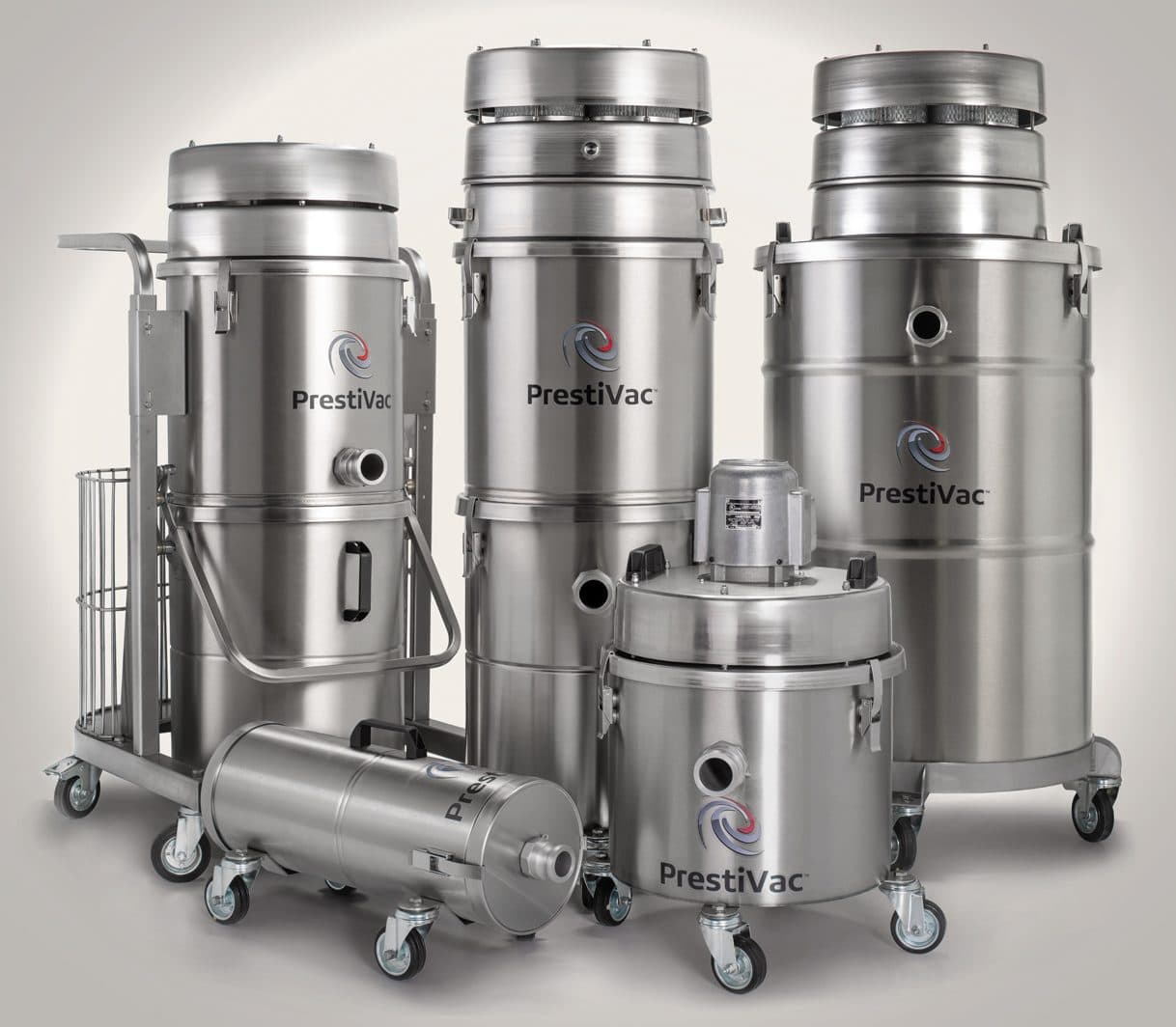
Industrial Vacuums
Continuous-duty recovery for demanding plants
Learn more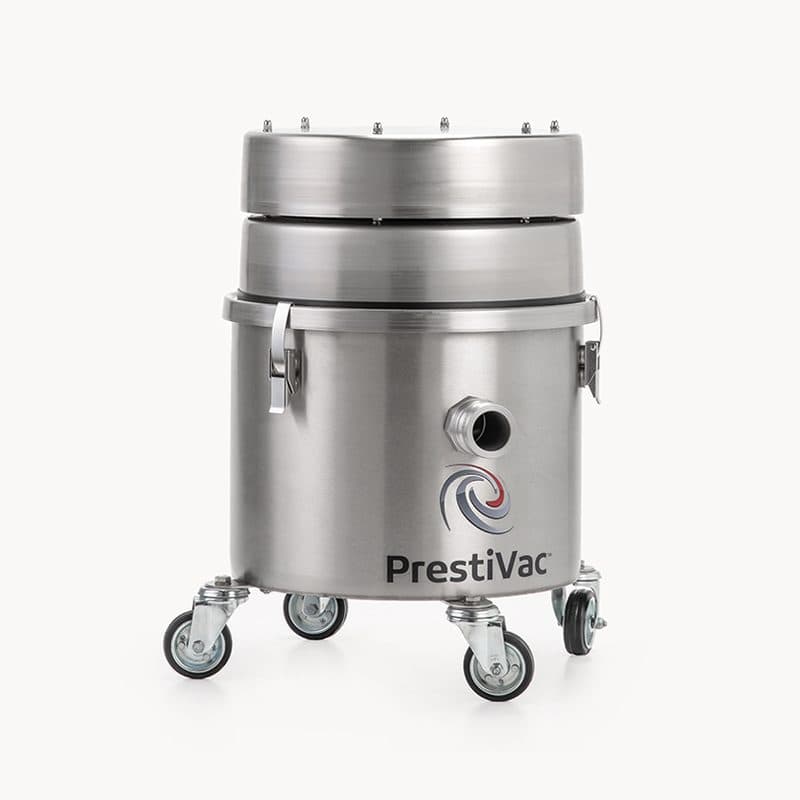
Pneumatic Vacuums
Air-operated — no electrical components
Learn more
Representative case study
Controlling Coating Powder in an Automotive
How a representative automotive components finisher brought fugitive coating powder and color-change cleanout under control — grounded recovery in a process that charges combustible polymer dust on purpose.
Read the full case studyTalk to the manufacturer
Get the right explosion proof vacuum for your application.
Tell us what you need to vacuum and where. Our technical team will recommend the PrestiVac model best suited to your material, your classification and how hard you will work it — and because we build every unit ourselves, we can modify it to fit.
- Legally certified explosion proof
- Solid stainless steel construction
- Industry-best 3-year warranty
- Designed & manufactured in the USA
- 200+ vacuum versions