
Cork Dust Vacuum Solutions
The wine-stopper material that surprises people twice. Cork is tree bark, and its dust is a genuinely combustible natural dust — but it carries a second, less obvious hazard: moldy cork dust is associated with suberosis, a hypersensitivity pneumonitis long known as cork worker's lung. Cutting, grinding and sanding cork for stoppers, flooring and insulation generates it, and recovery addresses both the combustion and the respiratory side.
Combustible Natural Dust
Tree bark, finely divided
Suberosis Risk
Cork worker's lung from moldy dust
HEPA Filtration
Fine cork fraction retained
Built for Cork Processing
Stoppers, flooring, insulation
Overview
Cork tends to be filed away as harmless — it is the stuff of wine stoppers and bulletin boards — but as a fine dust it is a genuine combustible organic dust, and it has a distinctive health hazard on top of that. Cork is the bark of the cork oak, and cutting, grinding, sanding and finishing it for stoppers, flooring, gaskets, insulation and soundproofing throws off a fine dust that will deflagrate like other fine organic dusts under the right conditions. That alone puts it in combustible-dust territory, handled with grounded, rated, HEPA-retained recovery.
The health dimension is what makes cork stand out among natural dusts. Suberosis — historically called cork worker's lung or cork-handler's disease — is a hypersensitivity pneumonitis associated with inhaling moldy cork dust, driven by the mold that can grow on cork during storage rather than the cork itself. That makes dust capture and HEPA retention an exposure control as well as a housekeeping and combustion measure, keeping the fine, potentially mold-bearing dust out of the breathing zone. Cork dust arises across cork-processing operations from stopper manufacture to flooring and insulation production, and the recovery approach is consistent: capture at the source, HEPA-retained and sealed, treating cork as the combustible and potentially sensitizing dust it is.
Combustibility
A combustible natural dust — a fine organic particulate under NFPA 660
The health hazard
Moldy cork dust is associated with suberosis, a hypersensitivity pneumonitis (cork worker's lung)
Where it arises
Cutting, grinding and sanding cork for stoppers, flooring, gaskets and insulation
Handling
Grounded, HEPA-retained recovery serves the combustion and the respiratory concern
Industries & applications
Hazards & handling risks
- A combustible natural dust that deflagrates like other fine organic dusts
- Suberosis (cork worker's lung), a hypersensitivity pneumonitis from moldy cork dust
- Mold growth on stored cork driving the respiratory hazard
- Fine dust from cutting, grinding and sanding accumulating on surfaces
- Dry sweeping or blow-down resuspending combustible, potentially mold-bearing dust
Engineered recovery
- Grounded, rated recovery treating cork as a combustible organic dust
- HEPA retention as an exposure control against fine, potentially mold-bearing dust
- Capture at cutting, grinding and sanding points of generation
- Sealed collection and disposal; dust kept from accumulating
- Never dry-sweep or blow down cork dust
Recommended products
View all products →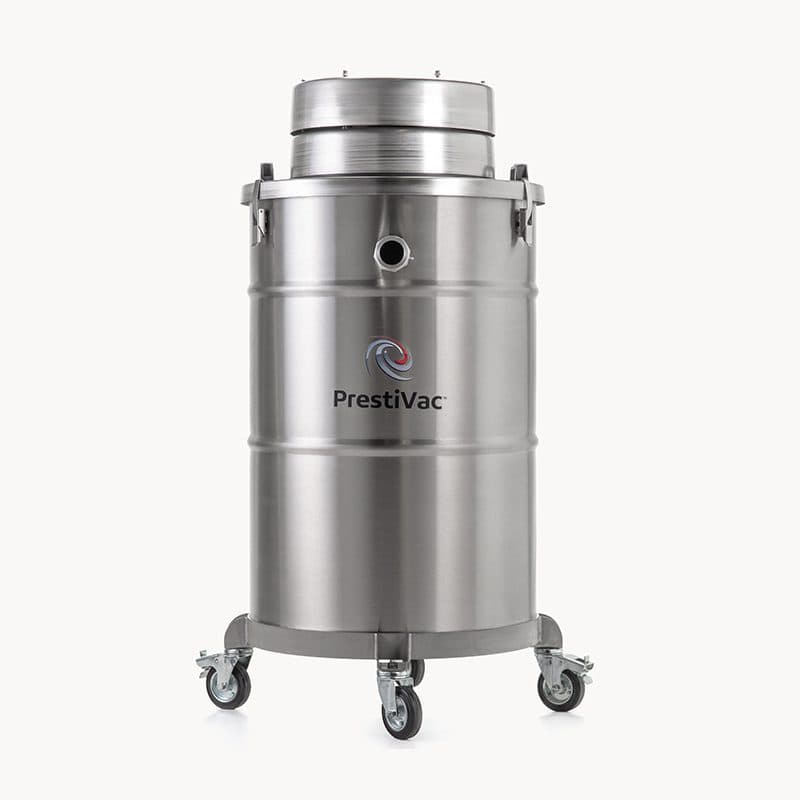
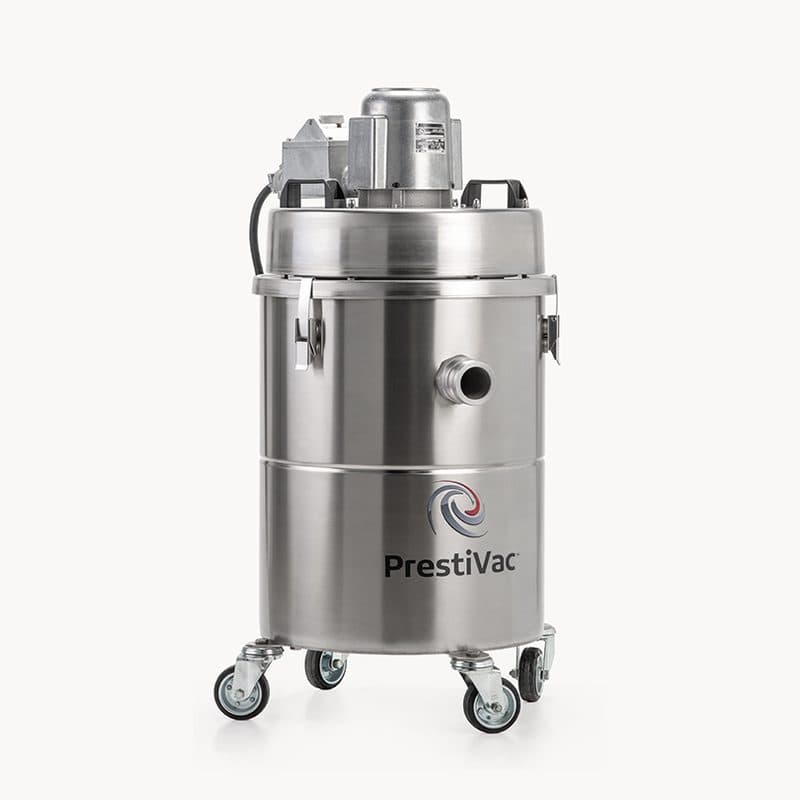
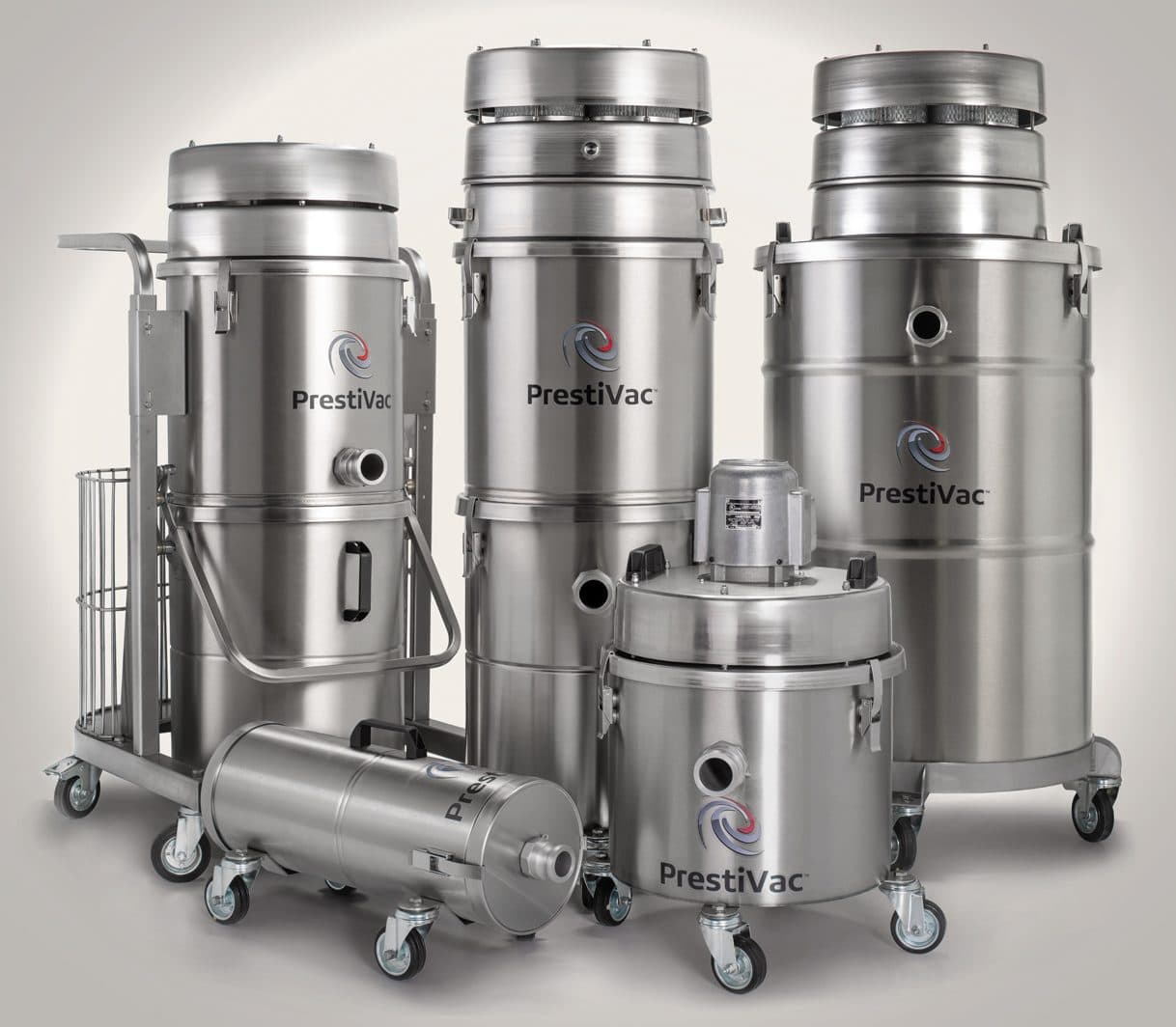
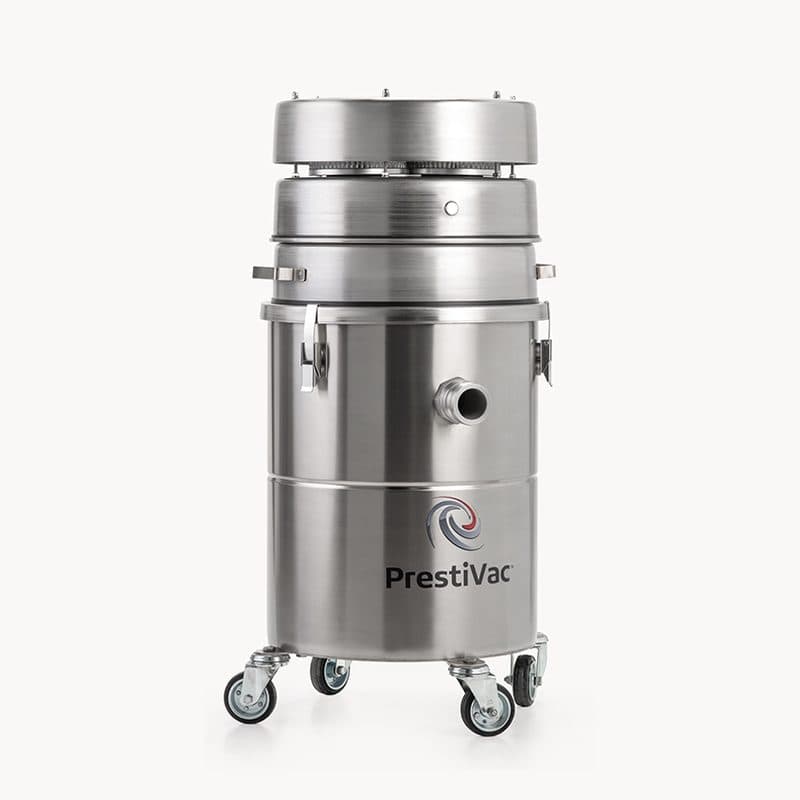
Typical system configuration
- 01
Collection tool
Floor and crevice tools for cork cutting, grinding and sanding dust
- 02
Static-dissipative hose
Bonded, conductive path end to end
- 03
Recovery unit matched to the dust
Rated for combustible organic dust per its behavior
- 04
Tested HEPA final stage
99.99% at 0.3 µm — the fine, potentially mold-bearing fraction retained
- 05
Sealed collection & disposal
Contained; dust cleared before it accumulates
Best practices
- Do not dismiss cork — its dust is genuinely combustible
- Treat HEPA capture as a suberosis exposure control, not just housekeeping
- Remember the hazard tracks moldy cork dust — storage conditions matter
- Capture at the cutting and sanding source, not after it settles
- Never dry-sweep or blow down cork dust
Cork Dust FAQ
Is cork dust really combustible?
Yes — cork is tree bark, and its fine dust is a combustible organic dust that will deflagrate like other fine organic dusts under the right particle size, concentration and ignition source. The familiar, inert-seeming bulk material misleads; the dust from cutting, grinding and sanding is a genuine combustible-dust hazard handled with grounded, rated, HEPA-retained recovery.
What is suberosis?
Suberosis — historically called cork worker's lung or cork-handler's disease — is a hypersensitivity pneumonitis associated with inhaling moldy cork dust. The driver is the mold that can grow on cork during storage rather than the cork itself, which is why dust capture and HEPA retention serve as an exposure control alongside their combustion and housekeeping roles.
Where does cork dust come from?
Cutting, grinding, sanding and finishing cork for stoppers, flooring, gaskets, insulation and soundproofing. Each of those operations throws off a fine dust captured at the source, HEPA-retained and sealed, with the same approach whether the end product is a wine stopper or a flooring tile.
Does storage condition matter?
For the respiratory hazard, yes — because suberosis tracks moldy cork dust, the mold that grows on cork under damp storage conditions is central to the exposure. Good storage reduces that risk, while HEPA-retained capture keeps the fine, potentially mold-bearing dust out of the breathing zone during processing.
Talk to the manufacturer
Get the right explosion proof vacuum for your application.
Tell us what you need to vacuum and where. Our technical team will recommend the PrestiVac model best suited to your material, your classification and how hard you will work it — and because we build every unit ourselves, we can modify it to fit.
- Legally certified explosion proof
- Solid stainless steel construction
- Industry-best 3-year warranty
- Designed & manufactured in the USA
- 200+ vacuum versions