
Corrugated Paper Dust Vacuum Solutions
Built for corrugators and converting lines, where the dust load is a combination of paper fibre and the starch adhesive that holds the board together. Both are combustible, both are fine, and both settle on overhead steel across the whole building.
Explosion-Safe Design
Grounded, bonded, conductive recovery path
Fibre and Starch Mix
Paper fines plus combustible starch adhesive
HEPA Filtration
Tested 99.99% at 0.3 um
Standards
NFPA 660 for combustible dust handling
Overview
Corrugating and converting are continuous dust generators. Slitting, die-cutting, trimming and folding shed cellulose fibre and fine paper dust; the starch-based adhesive used to bond the fluting contributes its own fines. High line speeds and large air volumes carry both up into the building structure.
The result is a combined accumulation that is easy to underestimate because it looks like ordinary paper debris. The visible offcuts and trim on the floor are not the concern — the fine fraction that has settled on beams, cable trays, light fittings and above suspended ceilings is. Starch fines add to the picture, since starch is itself a combustible dust and the adhesive residue collects in the same places. Converting plants also tend to have long uninterrupted production runs, so the interval between genuine overhead cleaning opportunities can be measured in months.
Material type
Combustible dust, Class II Group G — cellulose fibre with starch adhesive fines
Where it is generated
Corrugating, slitting, die-cutting, folding, gluing, stacking and trimming
Distinguishing property
Two combustible components at once — cellulose fibre and starch-based adhesive fines
Governing standards
NFPA 660, consolidating the former wood and particulate standards
Industries & applications
What makes corrugated paper dust worth controlling
- Two combustible components: cellulose fibre and starch adhesive fines accumulate together in the same locations.
- Overhead accumulation: high line speeds and large air volumes carry fines into the building structure across the whole plant.
- Deceptive appearance: visible floor trim distracts from the fine overhead fraction that actually feeds a secondary event.
- Long production runs: converting plants often have few opportunities for genuine overhead cleaning access.
- Ignition sources on the line: drives, bearings, static and electrical equipment sit directly under the accumulation.
- Static generation: fast-moving paper web generates significant static charge, so bonding matters throughout.
Engineered recovery
- Overhead recovery on beams, cable trays and light fittings, where fibre and starch fines settle together.
- Recovery planned into maintenance windows, since converting runs leave few access opportunities.
- Explosion-proof or appropriately classified equipment where the fine fraction concentrates.
- Bonding across the line, because fast-moving paper web generates significant static.
- HEPA-filtered collection retaining fibre and adhesive fines rather than recirculating them.
- Servicing of drives and bearings, where accumulation sits directly on ignition sources.
Recommended products
View all products →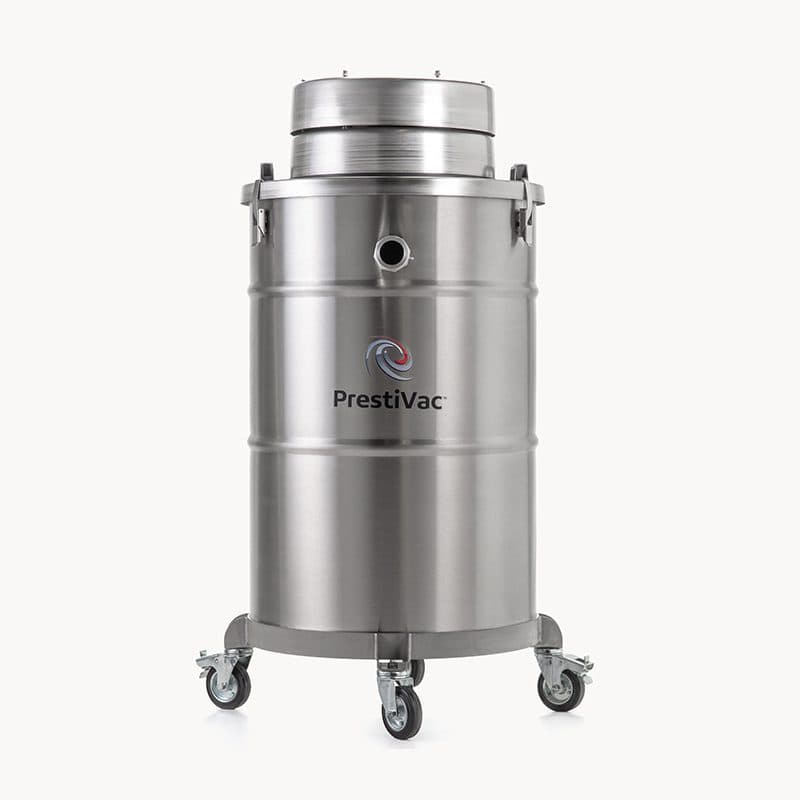
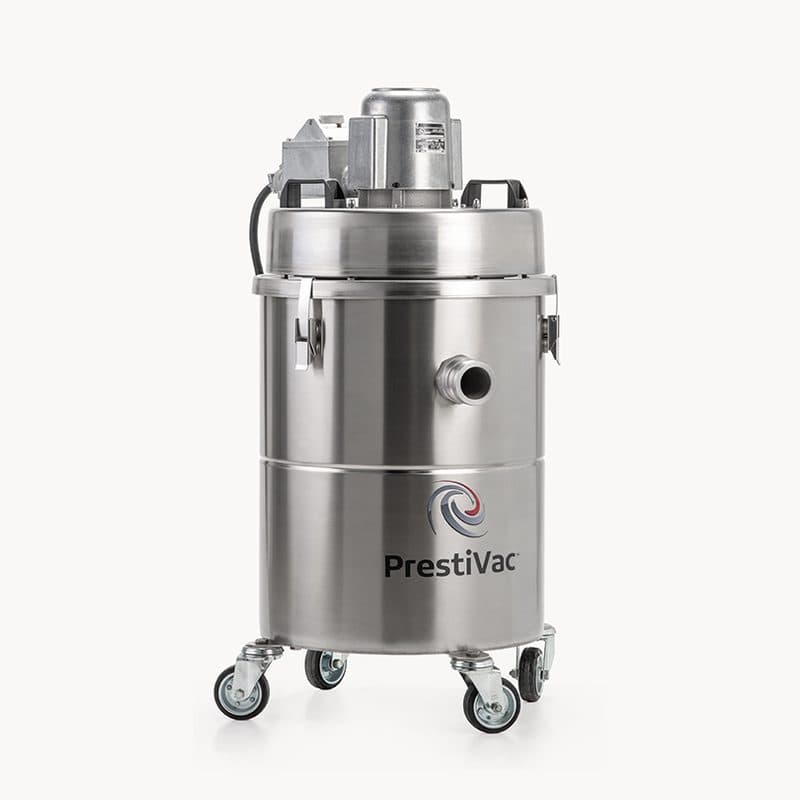
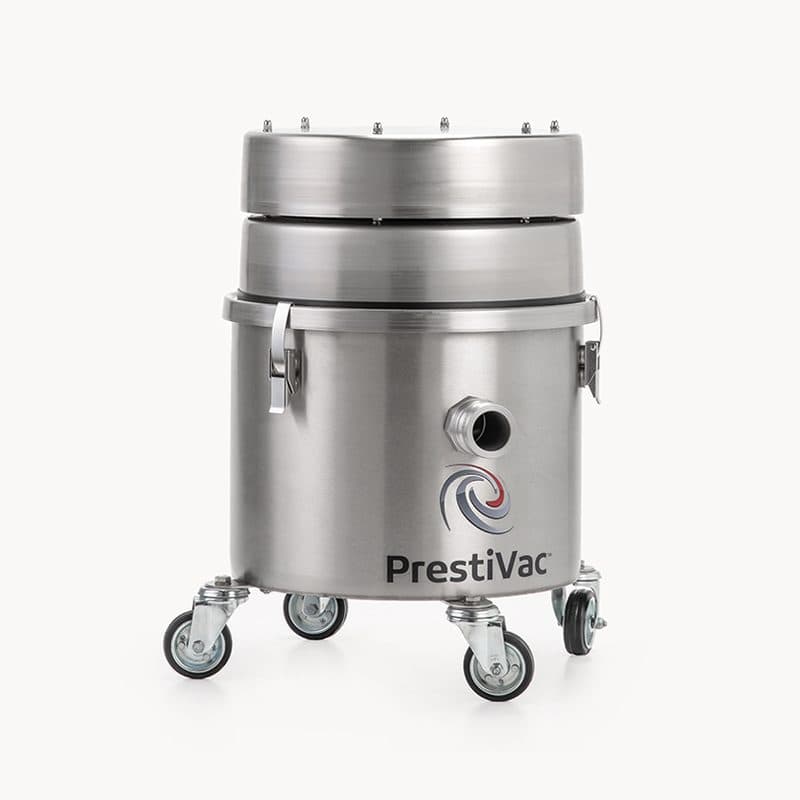
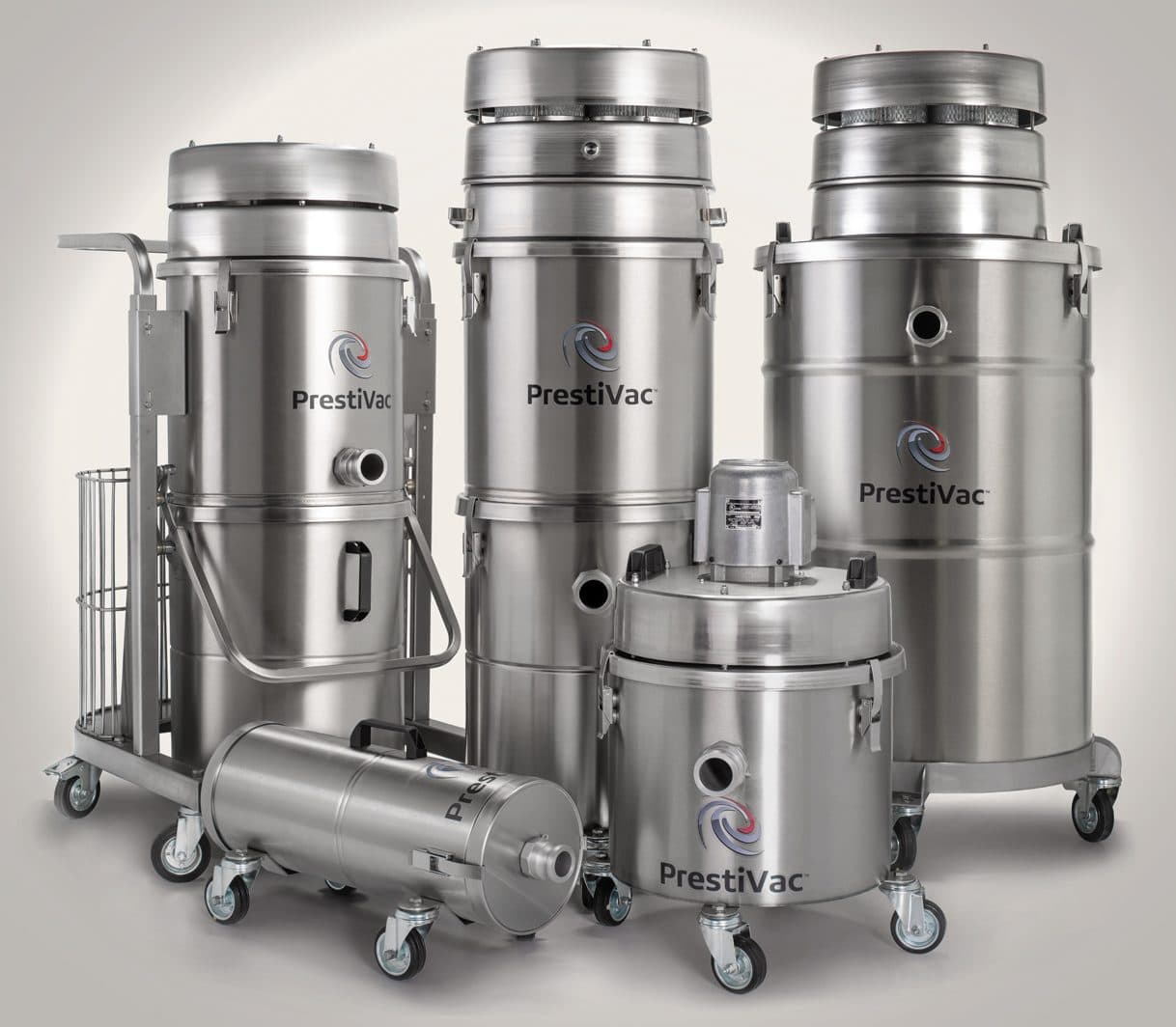
Typical system configuration
- 01
Look past the trim
Visible offcuts are a nuisance; the fine fraction overhead is what would fuel a secondary event.
- 02
Account for two components
Cellulose fibre and starch adhesive fines accumulate together in the same locations.
- 03
Confirm the classification
Your engineer assigns the classification for corrugating and converting areas.
- 04
Plan access in advance
Long production runs mean overhead cleaning must be scheduled into maintenance, not improvised.
- 05
Prioritise the drive line
Accumulation on drives and bearings puts fuel directly on ignition sources.
Best practices
- Schedule overhead work into maintenance windows rather than waiting for a gap.
- Remember the starch adhesive — the accumulation is a mixture, not pure cellulose.
- Prioritise beams, cable trays and light fittings.
- Bond the line properly; the web generates static continuously.
- Clean drives and bearings on a defined interval.
- Empty into sealed disposal away from the line.
Corrugated Paper Dust FAQ
Is corrugated paper dust combustible?
Yes. Cellulose fibre dust is a combustible dust in Class II Group G, and the starch-based adhesive fines that accompany it in a corrugating plant are combustible too. Severity for your mix is established by testing the material as your process produces it.
Is floor trim the problem?
Not really. Visible offcuts and trim are a housekeeping nuisance; the fine fraction on beams, cable trays, light fittings and above suspended ceilings is what would fuel a secondary event. The two are cleaned by different methods and only one of them is usually scheduled.
Does the starch adhesive matter separately?
It does. Starch is itself a combustible dust, and adhesive fines settle in the same overhead locations as the paper fibre. The accumulation is a mixture rather than pure cellulose.
When can overhead cleaning realistically happen?
That is the practical constraint in most converting plants — production runs are long and access is limited. It is worth planning overhead recovery into scheduled maintenance windows rather than waiting for an opportunity that does not arrive.
Talk to the manufacturer
Get the right explosion proof vacuum for your application.
Tell us what you need to vacuum and where. Our technical team will recommend the PrestiVac model best suited to your material, your classification and how hard you will work it — and because we build every unit ourselves, we can modify it to fit.
- Legally certified explosion proof
- Solid stainless steel construction
- Industry-best 3-year warranty
- Designed & manufactured in the USA
- 200+ vacuum versions