
Zirconium Dust Vacuum Solutions
Among the most ignition-sensitive metals there is — fine zirconium can ignite spontaneously in air and has one of the lowest ignition energies of any metal dust, so the tiniest spark or static discharge can set it off. That extreme sensitivity is why fine zirconium is often kept wet during handling to reduce the risk, and why dry accumulation is the thing to avoid. Recovery treats it as one of the most hazardous reactive metals.
Extremely Pyrophoric
Among the lowest ignition energy
Often Kept Wet
Reduces ignition during handling
HEPA & Sealed
Fine reactive fines contained
Built for Metals
Nuclear, chemical & aerospace
Overview
Zirconium sits at the extreme end of the reactive-metal spectrum. Fine zirconium powder is dangerously pyrophoric — capable of igniting spontaneously in air — and it has one of the lowest minimum ignition energies of any metal dust, meaning even a small static discharge or spark can set a cloud alight, and it burns intensely once ignited. Zirconium fines arise in machining and grinding of the corrosion-resistant zirconium alloys used in chemical-process equipment and nuclear applications, in aerospace, and in specialty metalworking. Because of that sensitivity, zirconium demands the most cautious handling of the reactive metals covered here.
There is a distinction worth drawing carefully, because zirconium seems to contradict the usual reactive-metal rule about water. Fine zirconium is frequently kept wet or submerged during handling and storage — the water reduces its pyrophoric tendency to ignite. That is a protective handling practice for un-ignited powder, and it is the opposite of a metal like lithium, where water itself is the hazard. Once zirconium is actually burning, however, it is a Class D metal fire, and water is dangerous on the fire itself. The practical program follows from all of this: minimize dry accumulation, keep fines wet where handling practice dictates, use grounded, bonded, rated recovery treating zirconium as one of the most ignition-sensitive dusts, keep collected material sealed, and have Class D fire provisions in place.
Pyrophoricity
Fine zirconium is highly pyrophoric — it can ignite spontaneously on contact with air
Ignition energy
Among the lowest of any metal dust — very small sparks or static can ignite it
Handling
Fine zirconium is often kept wet or submerged during handling to reduce ignition risk
Fire class
A burning zirconium fire is a Class D metal fire — water is dangerous on the fire itself
Industries & applications
Hazards & handling risks
- Extreme pyrophoricity — fine zirconium can ignite spontaneously in air
- Among the lowest ignition energies of any metal — tiny sparks and static ignite it
- Dry accumulation of fine zirconium is especially dangerous
- A burning zirconium fire is Class D — water is dangerous on the fire itself
- Static discharge as an ignition source for a highly sensitive dust
Engineered recovery
- Minimize dry accumulation — the core control for so sensitive a dust
- Keep fines wet or submerged during handling where practice dictates, to reduce ignition
- Grounded, bonded, rated recovery treating zirconium as extremely ignition-sensitive
- HEPA-retained, sealed collection; dedicated to the material
- Class D fire provisions in place — never water on a burning zirconium fire
Recommended products
View all products →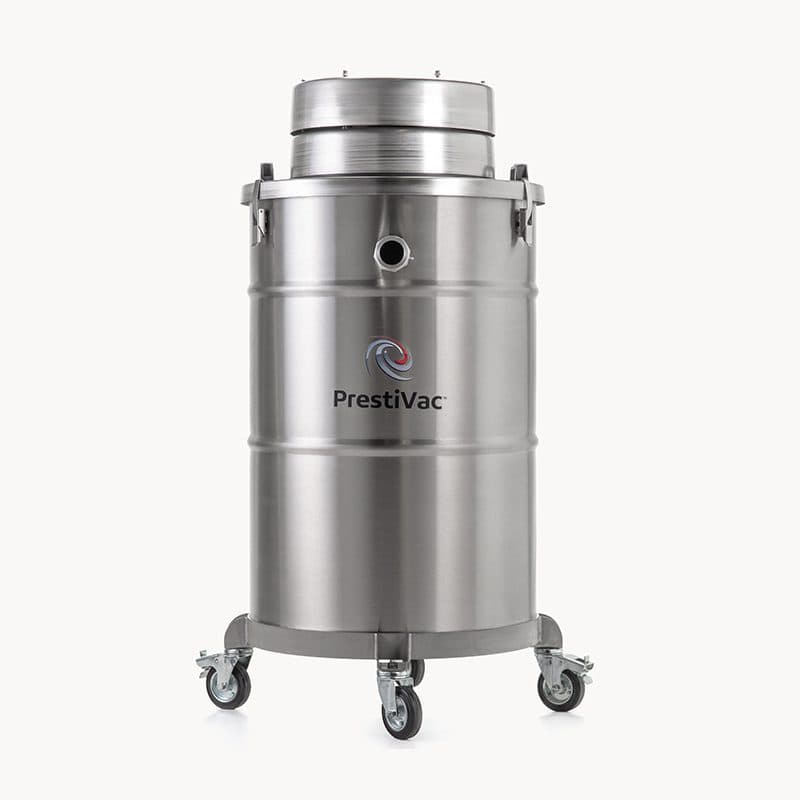
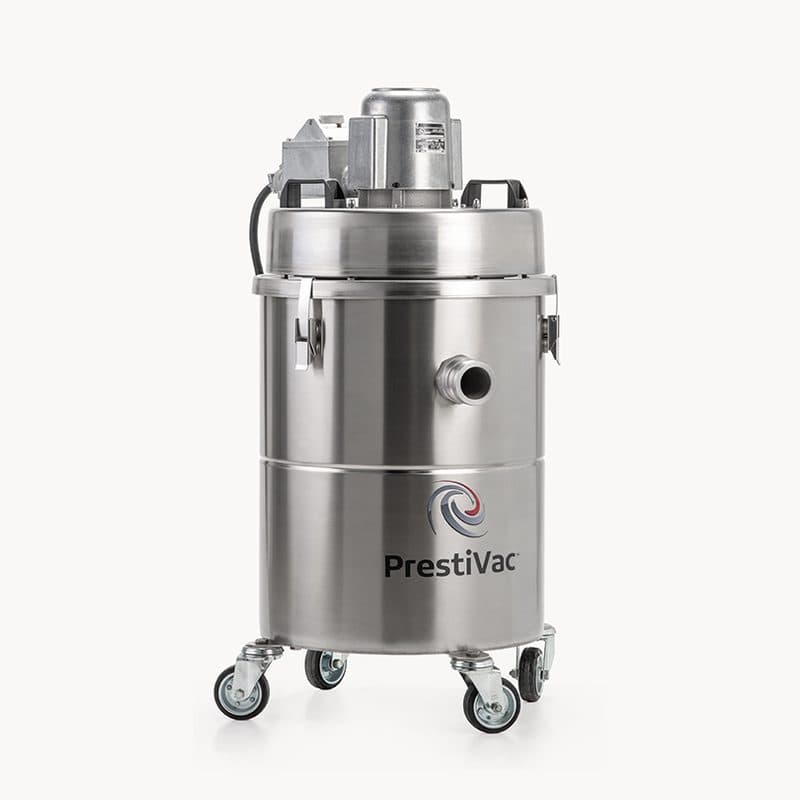
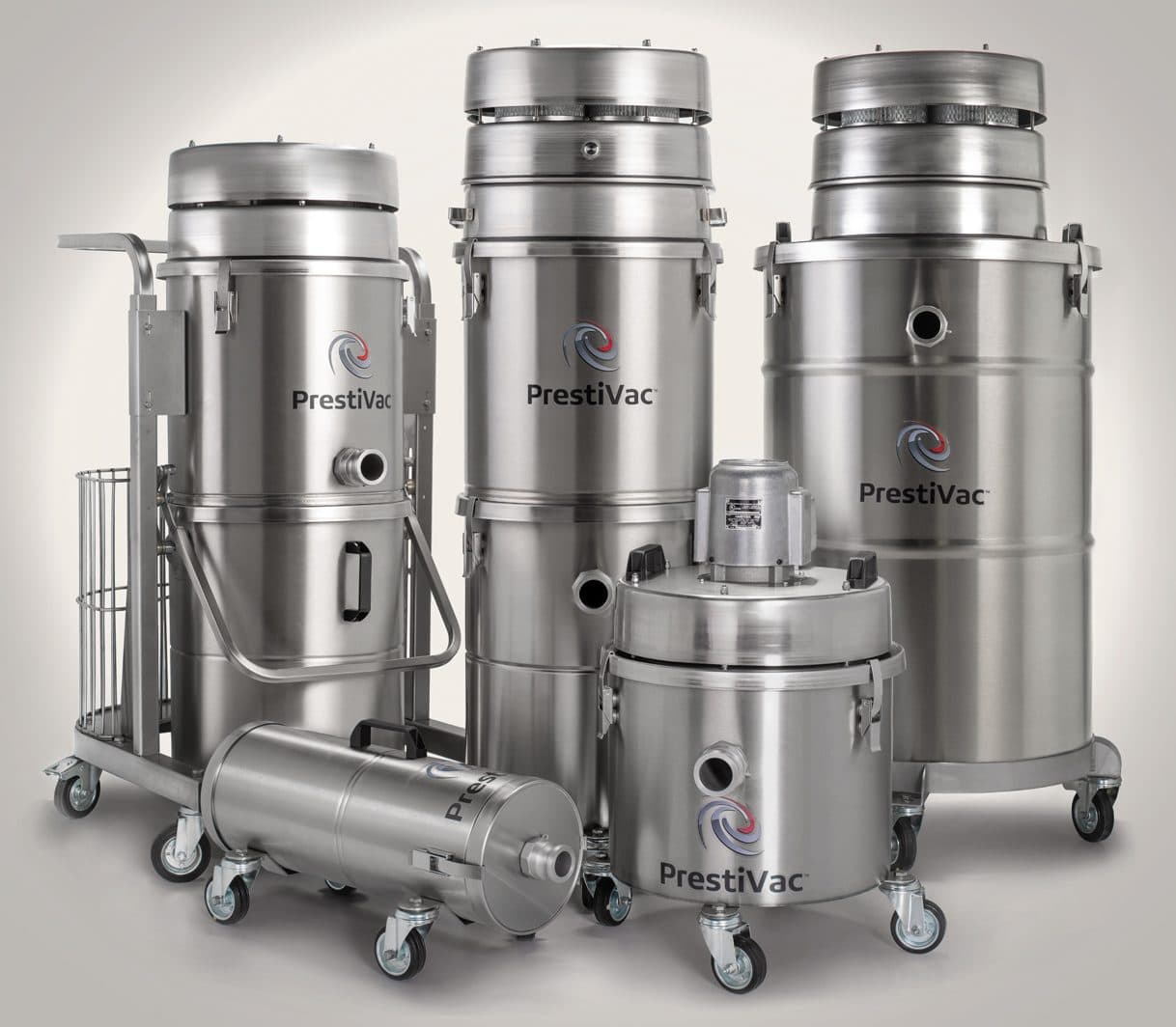
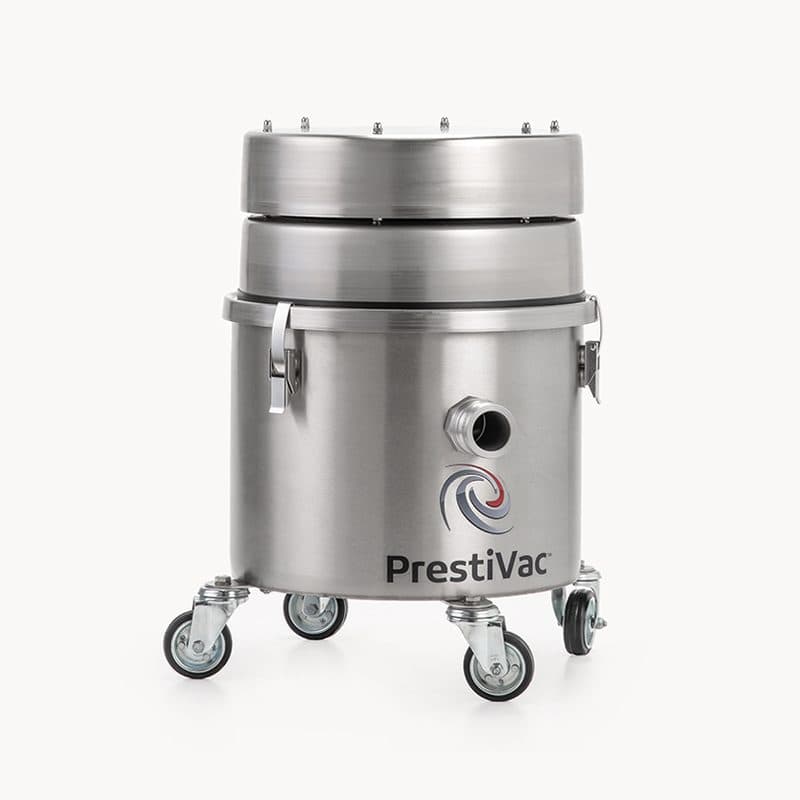
Typical system configuration
- 01
Collection tool
Floor and crevice tools for zirconium machining and grinding fines
- 02
Static-dissipative hose
Bonded, conductive path end to end — critical for so low an ignition energy
- 03
Recovery unit matched to the metal
Rated for a highly ignition-sensitive combustible metal
- 04
Wet-handling where practiced
Fines kept wet to reduce pyrophoric ignition during recovery
- 05
Sealed collection & Class D provisions
Contained; metal-fire measures in place, water away from any fire
Best practices
- Treat zirconium as one of the most ignition-sensitive dusts you will handle
- Minimize dry accumulation above all — that is where the danger concentrates
- Keep fines wet during handling where practice dictates, to reduce ignition
- Bond and ground rigorously — the ignition energy is extremely low
- Distinguish wet handling (prevents ignition) from a fire (Class D, never water)
Zirconium Dust FAQ
Is zirconium flammable?
Zirconium fines and powder are among the more ignition-sensitive metal dusts, and dry zirconium powder is treated with particular caution. It is one of the materials frequently handled and stored wetted specifically to reduce ignition risk — and yet it remains a Class D combustible metal, so water is not an extinguishing answer once material is burning. Prevention and controlled recovery carry the weight.
Why is zirconium considered so dangerous?
Because fine zirconium is among the most pyrophoric metals there is — it can ignite spontaneously in air — and it has one of the lowest minimum ignition energies of any metal dust, so even a small spark or static discharge can ignite a cloud. That combination makes it one of the most cautiously handled reactive metals, with dry accumulation the key thing to avoid.
Should zirconium be kept wet or dry?
Fine zirconium is often kept wet or submerged during handling and storage, because the water reduces its tendency to ignite — a protective practice for un-ignited powder, and the opposite of a metal like lithium where water is the hazard. Note the distinction from firefighting: once zirconium is actually burning, it is a Class D fire and water is dangerous on the fire itself.
Where does zirconium dust come from?
Machining and grinding of corrosion-resistant zirconium alloys used in chemical-process equipment and nuclear applications, aerospace work, and specialty metalworking. Fineness drives the hazard, and because the ignition energy is so low, grounded, bonded recovery and minimized dry accumulation are essential wherever those fines are produced.
How is a zirconium fire handled?
As a Class D metal fire, with the appropriate metal-fire provisions in place — and water kept away from the fire, since it is dangerous on burning zirconium. This is separate from the wet-handling practice for un-ignited powder; the goal of recovery and housekeeping is to prevent ignition in the first place by controlling accumulation and eliminating spark sources.
Talk to the manufacturer
Get the right explosion proof vacuum for your application.
Tell us what you need to vacuum and where. Our technical team will recommend the PrestiVac model best suited to your material, your classification and how hard you will work it — and because we build every unit ourselves, we can modify it to fit.
- Legally certified explosion proof
- Solid stainless steel construction
- Industry-best 3-year warranty
- Designed & manufactured in the USA
- 200+ vacuum versions