
Agricultural Biomass Dust Vacuum Solutions
Built for handling crop residues as fuel and feedstock — straw, husk, bagasse, stover. The dust is combustible, the feedstock composition varies by season and source, and it frequently carries silica and biological contamination that the fire assessment alone would miss.
Explosion-Safe Design
Grounded, bonded, conductive recovery path
Variable Crop Feedstock
Composition changes by season and source
HEPA Filtration
Retains silica and biological fractions
Self-Heating in Storage
Bulk crop residue heats in stockpiles
Overview
Agricultural residues are handled as fuel and feedstock in growing volumes — straw, rice husk, bagasse, corn stover, nut shells. Reception, shredding, milling and conveying all generate dust, and the low bulk density of most of these materials means the fines travel readily through the handling chain.
Two additional hazards travel with the combustible one. Several crop residues carry significant silica content — rice husk notably so — which brings respirable crystalline silica exposure into an operation that may be assessing itself purely as a biomass dust site. And crop material stored before use develops mould, so handling it disperses spores as well as dust, which is a recognised occupational respiratory concern in agricultural handling. Both are reasons the filtration requirement here is about what the unit retains rather than only about what it picks up.
Material type
Combustible organic dust, Class II Group G (non-conductive)
Where it is generated
Reception, shredding, milling, screening, conveying, baling and boiler or digester feed
Distinguishing property
Frequently carries crystalline silica (notably rice husk) and mould spores alongside the combustible fraction
Governing standards
NFPA 660, consolidating the former NFPA 61, with silica and bioaerosol exposure controls
Industries & applications
What makes agricultural biomass dust worth controlling
- Combustible organic dust: crop residue fines suspend readily and carry deflagration conditions in enclosures and silos.
- Crystalline silica content: several residues, rice husk in particular, carry silica with its own exposure limits.
- Mould and bioaerosols: stored crop material develops mould, so handling disperses spores as well as dust.
- Feedstock variability: composition changes by crop, season and supplier, so a single characterisation does not describe the stream.
- Self-heating in storage: bulk crop residue heats in stockpiles and bunkers without external ignition.
- Low bulk density: fines travel readily and settle across the whole handling chain rather than near the source.
Engineered recovery
- Retained filtration specified against silica and bioaerosol content, not only the combustible fraction.
- Recovery at reception, shredding and milling, where residue handling releases most material.
- Storage monitoring for self-heating in stockpiles and bunkers.
- Periodic re-testing as crop, season and supplier change the material.
- Grounded, bonded conductive path across the handling chain.
- Explosion-proof construction where classification requires it in enclosed handling.
Recommended products
View all products →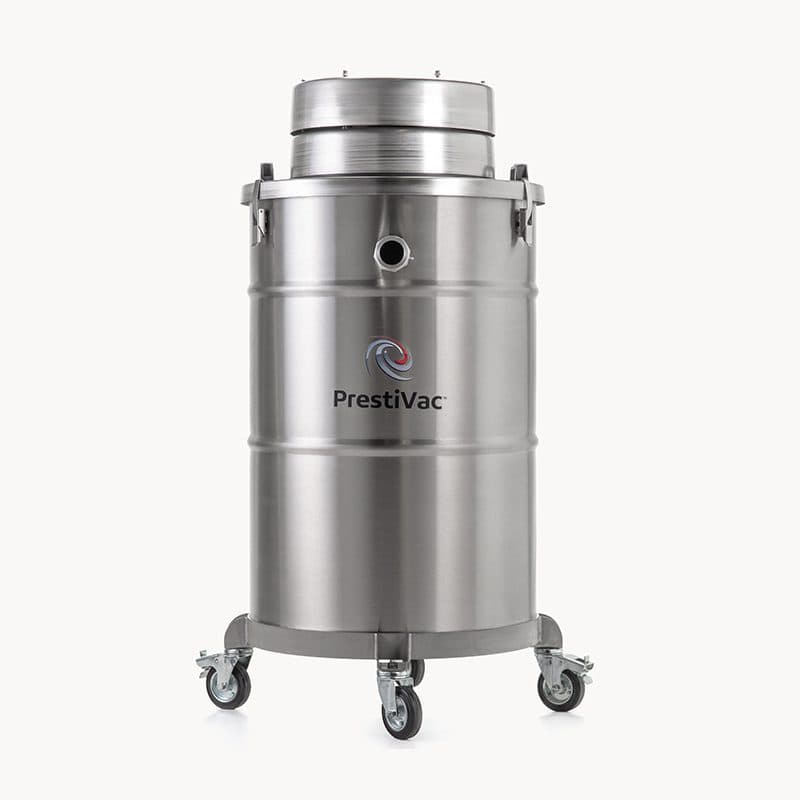
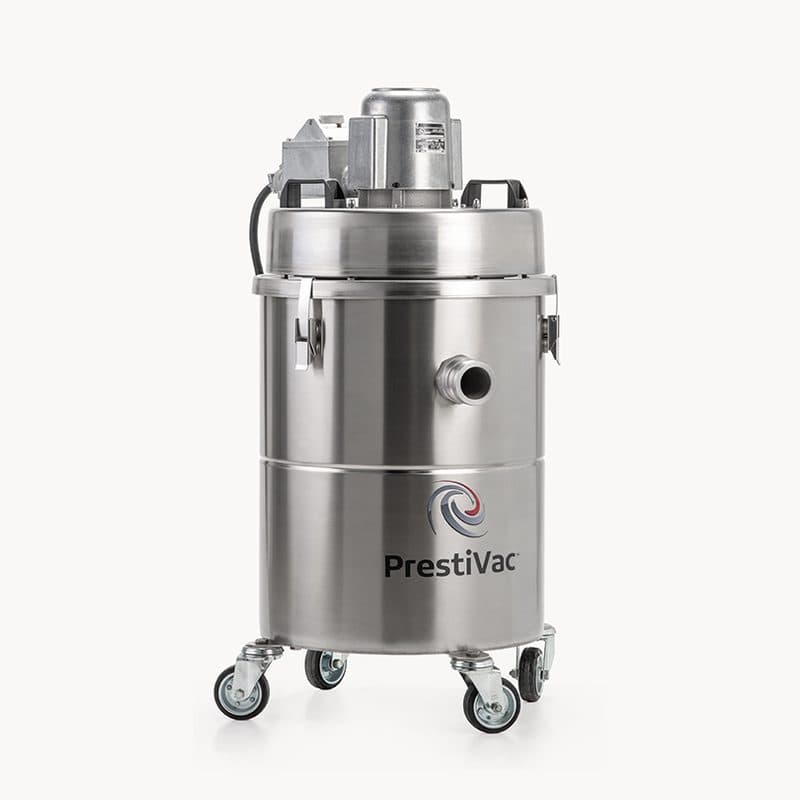
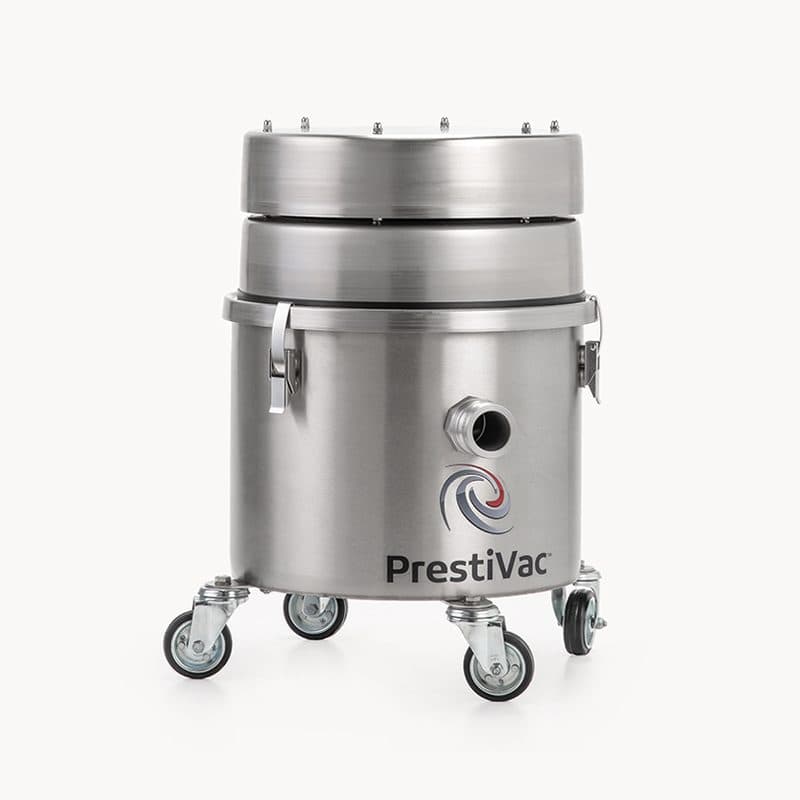
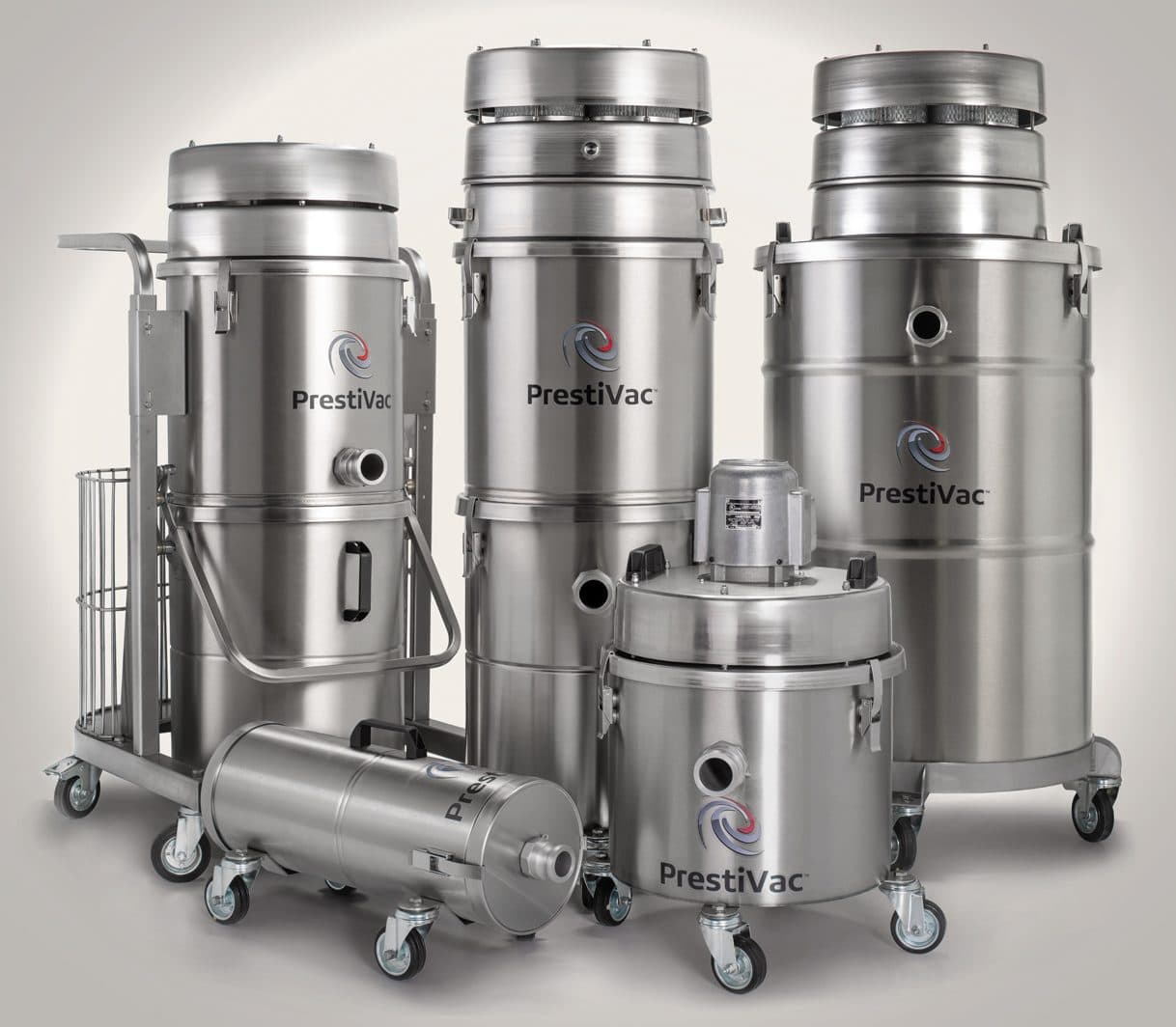
Typical system configuration
- 01
Ask what the residue contains
Several crop residues carry crystalline silica — rice husk notably — which brings its own exposure limits.
- 02
Account for mould
Stored crop material develops mould, so handling disperses spores alongside dust.
- 03
Confirm the classification
Your engineer assigns the classification for shredding and milling areas.
- 04
Re-test by season
Composition changes with crop, season and supplier; one characterisation describes one consignment.
- 05
Monitor stockpiles
Bulk crop residue heats through biological activity with no external ignition source.
Best practices
- Specify filtration against silica and spores, not just combustible fines.
- Re-test as feedstock changes rather than annually by habit.
- Monitor stockpiles and bunkers for self-heating.
- Prioritise reception and shredding, the largest release points.
- Verify grounding across conveying runs.
- Empty into sealed disposal away from stored residue.
Agricultural Biomass Dust FAQ
Is agricultural biomass dust combustible?
Yes. Crop residue fines are a combustible organic dust in Class II Group G. Because feedstock varies by crop, season and supplier, severity varies too — periodic retesting describes the stream better than a single characterisation does.
Why does silica come into it?
Several crop residues carry significant silica content, with rice husk the most notable. That brings respirable crystalline silica exposure into an operation that may be assessing itself purely as a biomass dust site, and silica has its own exposure limits and health consequences.
Is mould a real concern in handling?
Yes. Crop material stored before use develops mould, and handling disperses spores along with the dust. Respiratory effects from bioaerosol exposure in agricultural handling are well recognised, which is another reason retained filtration matters here.
Does stored crop residue self-heat?
Bulk crop residue heats in stockpiles and bunkers through biological activity, with no external ignition source required. Storage monitoring belongs alongside the housekeeping programme.
Talk to the manufacturer
Get the right explosion proof vacuum for your application.
Tell us what you need to vacuum and where. Our technical team will recommend the PrestiVac model best suited to your material, your classification and how hard you will work it — and because we build every unit ourselves, we can modify it to fit.
- Legally certified explosion proof
- Solid stainless steel construction
- Industry-best 3-year warranty
- Designed & manufactured in the USA
- 200+ vacuum versions