
Corn Dust Vacuum Solutions
Built for the crop that spans the whole hazard range — whole-kernel elevators governed by the grain standard on one end, cornstarch so consistent that laboratories use it as a reference dust on the other, with milling floors and ethanol plants in between.
Explosion-Safe Design
Engineered to OSHA 1910.272 / NFPA 660 practice
Codified Frequencies
Grain-standard numbers where they apply
HEPA Filtration
Tested 99.99% at 0.3 µm
Built for Grain & Milling
Elevators, mills and ethanol plants
Overview
Corn covers more of the combustible-dust spectrum than any other crop. At the elevator, it is grain — whole kernels abrading fines at every leg, spout and transfer, governed by OSHA 1910.272 and its 1/8-inch action level in priority areas where the facility qualifies. At the mill, grinding and sifting refine the hazard along with the product. And at the fine end sits cornstarch — a dust so consistent and well-characterized that laboratories use it as a reference material, which is a practical warning wearing a technical label: the finest fraction in your plant behaves like the benchmark.
The program follows the processing chain. Elevators and feed mills carry the grain geography — legs, bin decks, boot pits and the screenings stream that concentrates the most ignitable fraction on site. Milling floors add continuous fine generation at grinders and sifters. Ethanol plants add flammable vapor adjacency, where dust and alcohol can form hybrid atmospheres and equipment selection follows the Dust Hazard Analysis with extra caution. Explosion-proof recovery, codified frequencies where the grain standard applies, and sealed disposal for fines and screenings hold the line across all of it.
Material type
Organic grain dust with a starch fine fraction
Reference status
Cornstarch serves as a standard laboratory reference dust
Regulatory position
Corn handling falls under OSHA 1910.272 where facilities qualify
Governing standards
OSHA 1910.272; NFPA 61 legacy carried into NFPA 660
Industries & applications
Explosion & fire risks
- Whole kernels abrade a fine fraction free at every leg, spout and transfer
- The starch end of the chain carries reference-grade ignitability — the laboratory benchmark, at scale
- Elevator legs, bin decks and boot pits concentrate the classic grain geography
- Milling floors generate fines continuously at grinders, sifters and purifiers
- Ethanol plants pair corn dust with flammable vapor — hybrid atmospheres demand extra caution
Engineered recovery
- Explosion-proof recovery on codified frequencies where 1910.272 applies, DHA-set elsewhere
- Leg surrounds and bin decks on documented rotation
- Reach-first bin interior cleaning from manways — entry becomes the permitted exception
- Milling-floor capture at grinders and sifters on the run schedule
- Hybrid-area equipment selection per the DHA; sealed disposal for fines and screenings
Recommended products
View all products →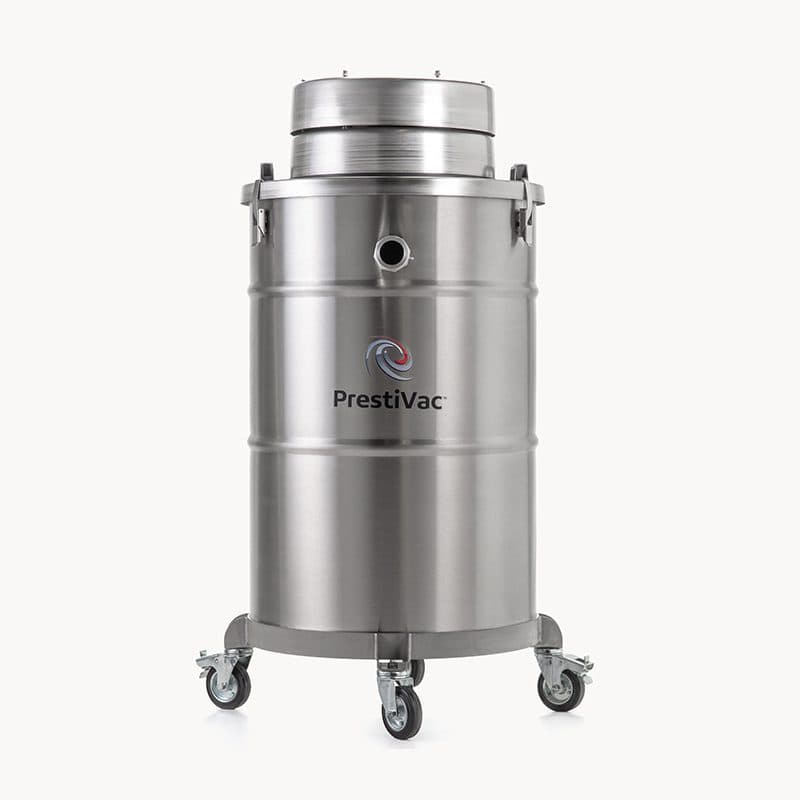
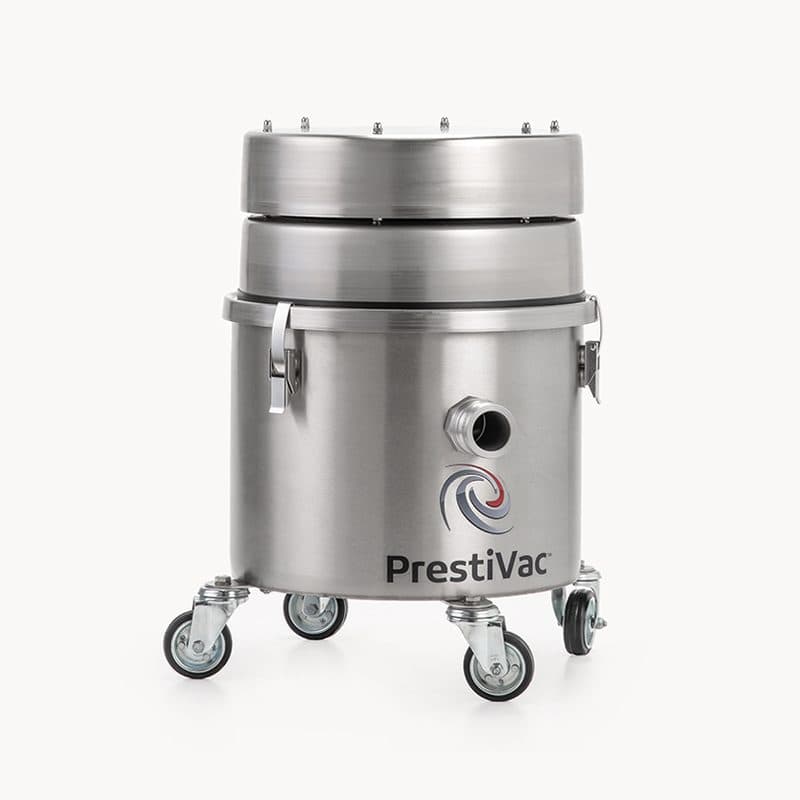
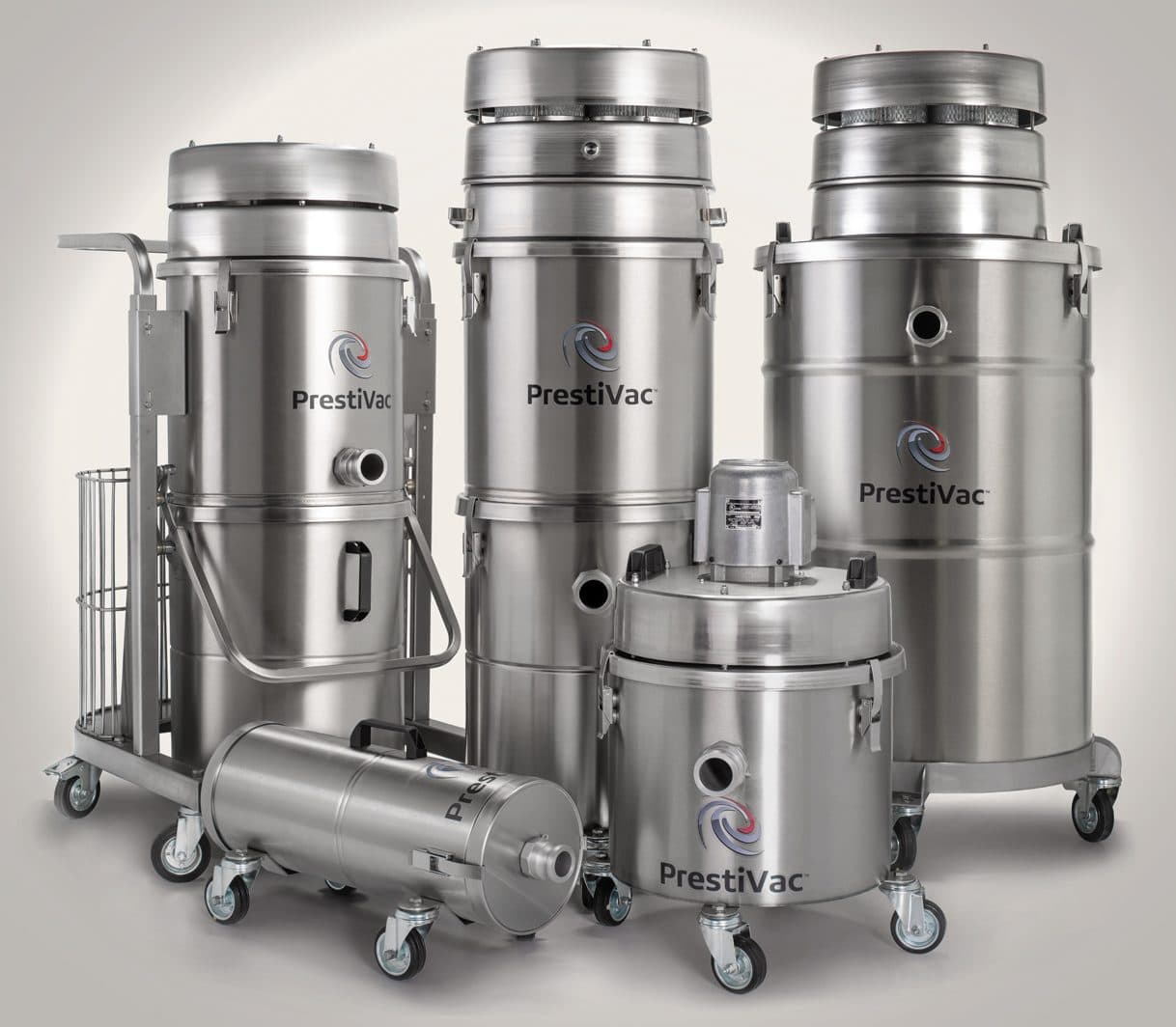
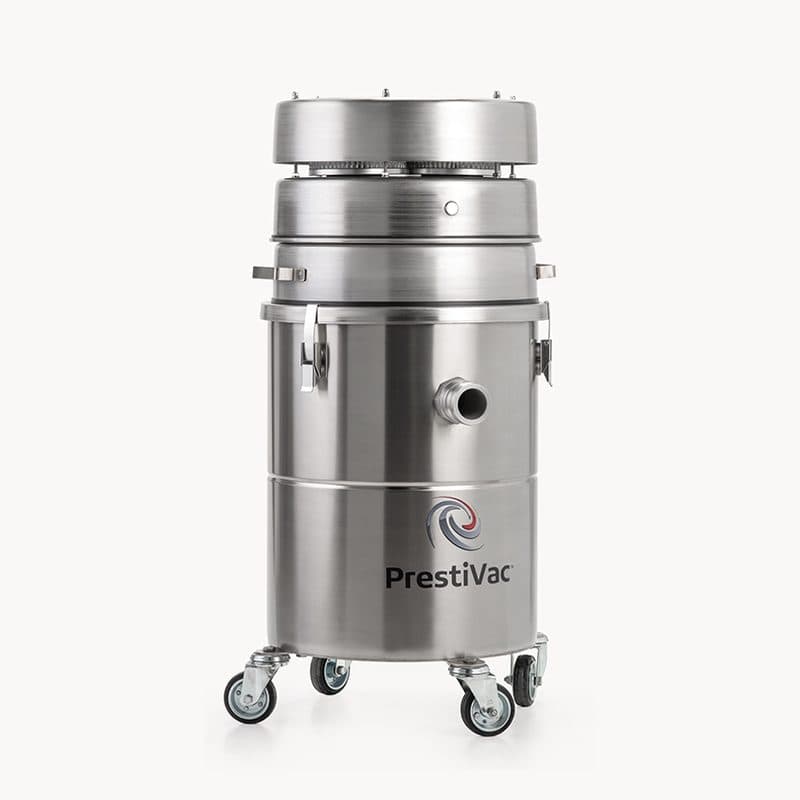
Typical system configuration
- 01
Collection tool
Long-reach wands and floor tools for decks, legs and mill floors
- 02
Static-dissipative hose
Bonded, conductive path over elevator distances
- 03
Explosion-proof unit
Rated or air-operated to match the classification
- 04
Tested HEPA final stage
99.99% at 0.3 µm — the starch fraction stays captured
- 05
Sealed collection & disposal
Screenings and fines contained, dispositioned promptly
Best practices
- Schedule priority areas below the 1/8-inch action level where the grain standard applies
- Treat cornstarch areas to the tightest frequencies — the benchmark dust deserves benchmark discipline
- Clean bins reach-first from manways; reserve entry for genuine exceptions under permits
- In ethanol plants, select equipment for the hybrid atmosphere, not the dust alone
- Never sweep or blow down — vacuum capture is the method that doesn't make the cloud
Representative case study
Managing Grain Dust in a Grain Elevator & Feed
How a representative grain cooperative runs housekeeping in the industry that wrote the rules — priority areas on the 1/8-inch action level, elevator legs treated as the initiation points they historically are, and bins cleaned without climbing in.
Read full case studyCorn Dust FAQ
Does OSHA 1910.272 cover corn facilities?
Yes — the grain-handling standard covers corn elevators, feed mills and the facilities that qualify under it, with the same priority-area housekeeping and 1/8-inch action level that govern wheat. Downstream processing that falls outside the standard runs on the Dust Hazard Analysis instead, under the NFPA 660 framework.
Why is cornstarch used as a laboratory reference dust?
Consistency — its particle size and behavior are uniform and well-characterized enough that testing laboratories use it as a benchmark material. The practical takeaway for a plant is blunt: the finest fraction you generate behaves like the dust the laboratories calibrate against.
What changes at an ethanol plant?
Flammable vapor enters the picture. Corn dust and alcohol vapor can form hybrid atmospheres that ignite more easily than either alone, so equipment selection follows the Dust Hazard Analysis with the vapor accounted for — rated or air-operated units remove the electrical ignition question entirely.
Do whole kernels carry the same hazard as the dust?
The fines govern. Kernels are barely dispersible, but every transfer abrades fines free and the screenings stream concentrates them — so the program is specified for the dust the facility actually generates, from elevator boot to starch room, not the commodity on the scale ticket.
Talk to the manufacturer
Get the right explosion proof vacuum for your application.
Tell us what you need to vacuum and where. Our technical team will recommend the PrestiVac model best suited to your material, your classification and how hard you will work it — and because we build every unit ourselves, we can modify it to fit.
- Legally certified explosion proof
- Solid stainless steel construction
- Industry-best 3-year warranty
- Designed & manufactured in the USA
- 200+ vacuum versions