
Dye Powder Vacuum Solutions
Built for dye weighing and dissolving rooms, where a fine organic powder is handled in small quantities many times a shift. Powdered dyes are combustible, they stain at trace levels, and several classes are recognised respiratory sensitisers — which changes what an airborne release costs.
Explosion-Safe Design
Grounded, bonded, conductive recovery path
Stains at Trace Levels
Cross-contamination is immediately visible
HEPA Filtration
Retains a recognised respiratory sensitiser
Sensitiser Risk
Reactive dyes are documented occupational sensitisers
Overview
Powdered dyes are handled in textile, paper, leather, ink and plastics operations, generally by weighing out relatively small quantities and dissolving or dispersing them. The weighing step is where most of the airborne release happens: fine powder, handled in the open, many times a shift.
Reactive dyes in particular are recognised respiratory sensitisers, and sensitisation is a different kind of risk from acute toxicity. It develops through repeated low-level exposure, and once a worker is sensitised, subsequent exposures at levels that affect nobody else can produce a serious reaction. That makes routine airborne load the thing to control, which in turn makes the cleaning method consequential: a vacuum that exhausts the fine fraction back into the weighing room raises exactly the exposure that sensitisation depends on.
Material type
Combustible organic dust, Class II Group G (non-conductive)
Where it is generated
Weighing, dissolving, blending, tote dumping, milling and packing
Distinguishing property
Several dye classes are recognised respiratory sensitisers — repeated low-level exposure is the concern, not just acute events
Governing standards
NFPA 660, alongside occupational exposure and sensitiser controls
Industries & applications
What makes dye powder worth controlling
- Combustible organic dust: fine dye powder suspends readily and carries deflagration conditions inside enclosures.
- Respiratory sensitisation: several dye classes are recognised sensitisers, where repeated low-level exposure is the mechanism.
- Weighing-room releases: small quantities handled in the open, repeatedly, dominate the airborne load.
- Trace-level staining: cross-contamination is visible at very low levels, so redistribution is a quality failure as well as a health one.
- Overhead accumulation: fine powder settles on high steel and ledges well beyond the weighing area.
- Static in dry handling: dry powder through transfer and dispensing accumulates charge, so a bonded conductive path matters.
Engineered recovery
- Source capture at the weighing station, which dominates airborne load in most dye operations.
- Retained filtration specified against sensitisation, where repeated low-level exposure is the mechanism.
- Explosion-proof construction where classification requires it in weighing and dissolving areas.
- Dedicated units or accessory sets per colour family, since staining is visible at trace levels.
- Grounded, bonded conductive path through dispensing and transfer.
- Overhead recovery on ledges and high steel beyond the weighing room.
Recommended products
View all products →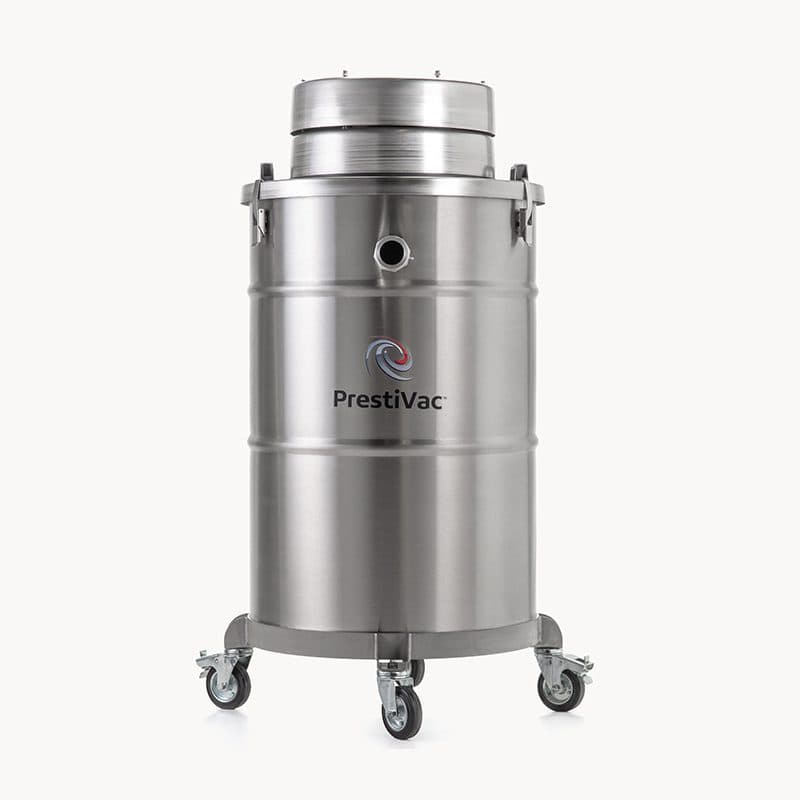
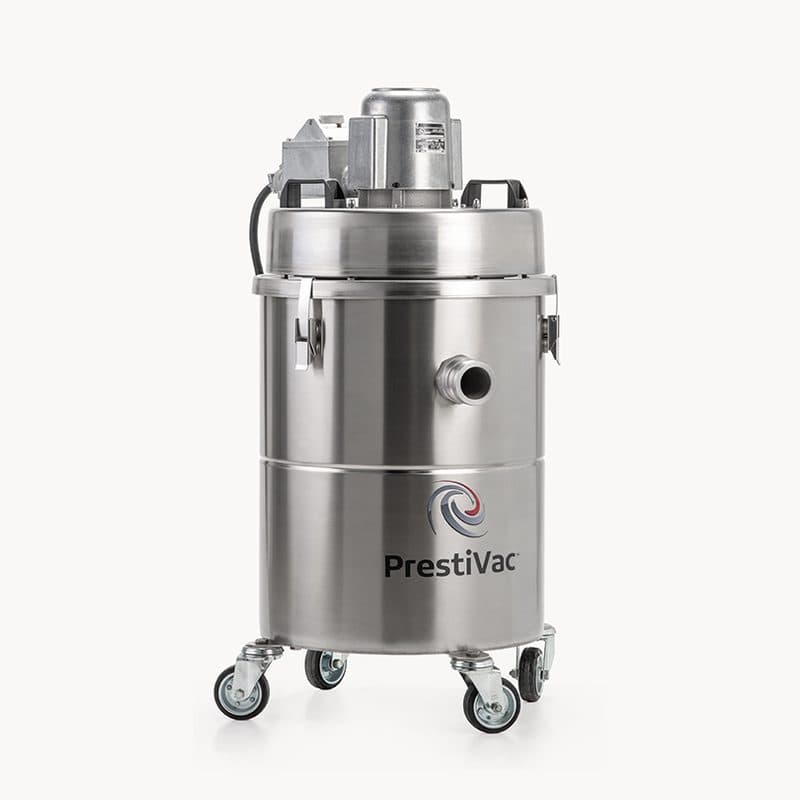
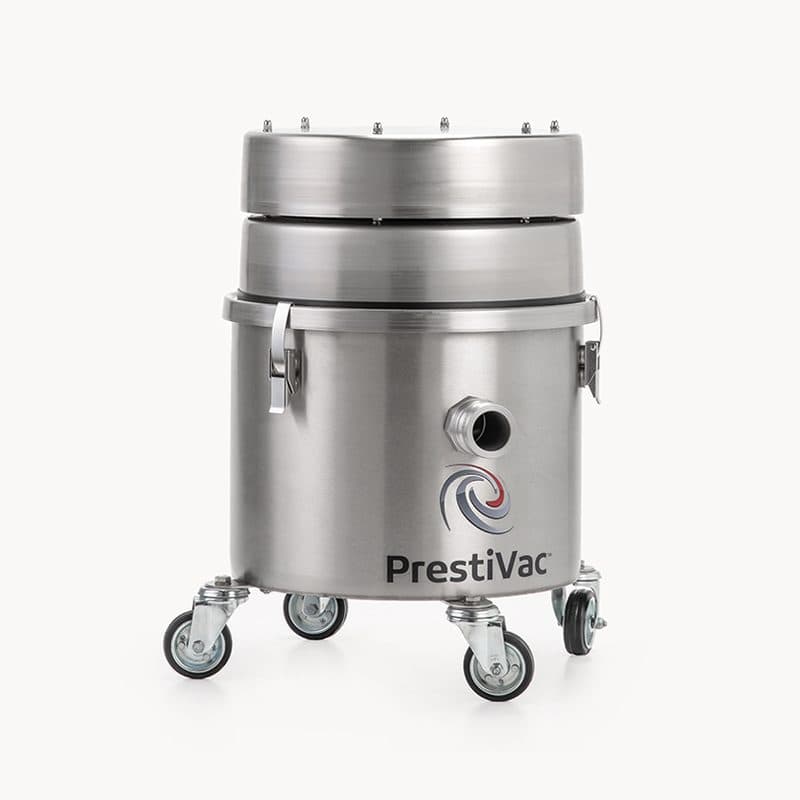
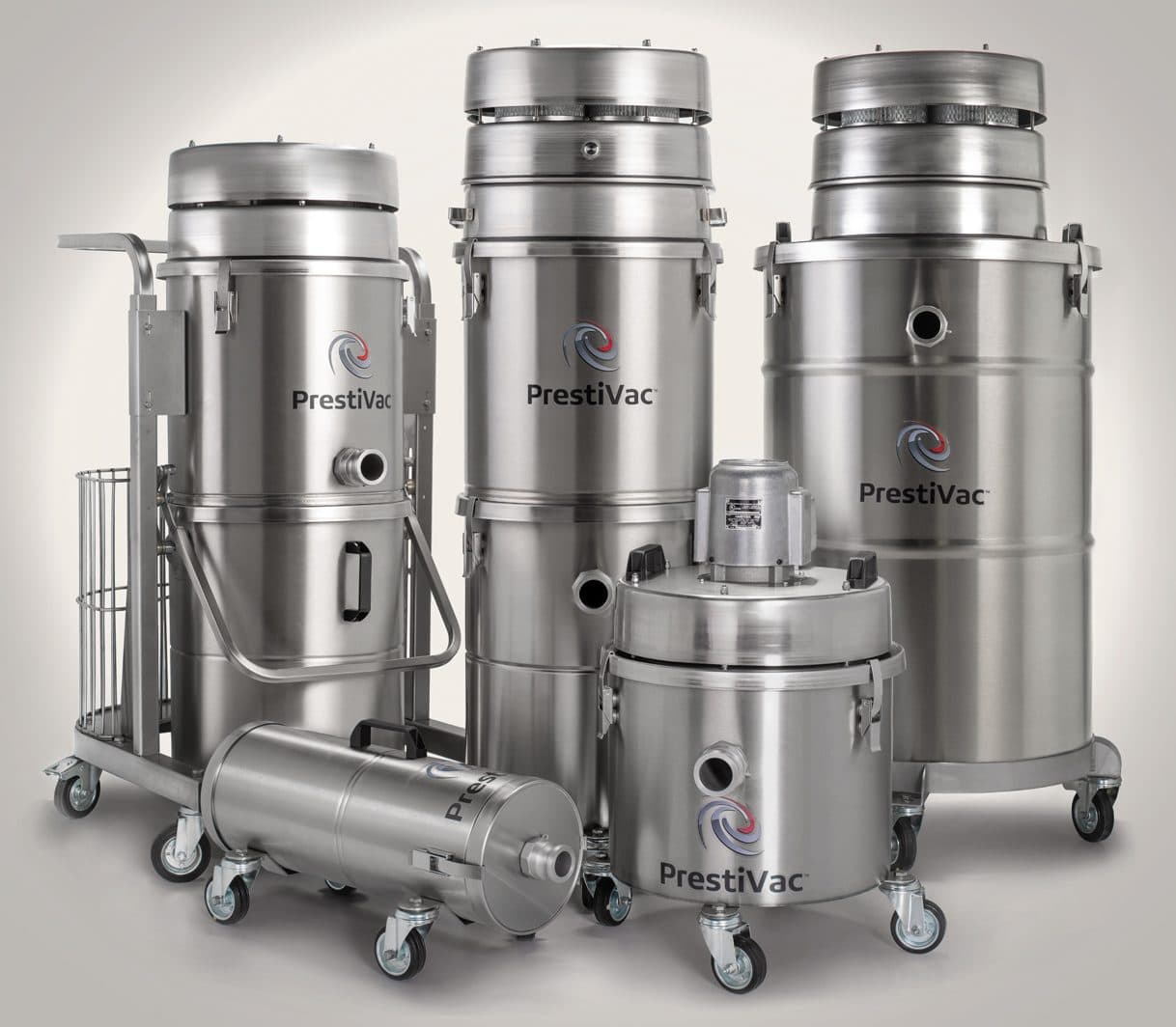
Typical system configuration
- 01
Fix the weighing station first
Small quantities of very fine powder handled in the open, many times a shift, dominate exposure.
- 02
Treat sensitisation as the driver
Once a worker is sensitised, exposures tolerated by everyone else can produce a serious reaction.
- 03
Confirm the classification
Your engineer assigns the classification for weighing and dissolving areas.
- 04
Segregate by colour family
Trace staining makes carryover immediately visible and commercially costly.
- 05
Extend beyond the weighing room
Fine powder settles on ledges and high steel well outside the area it was handled in.
Best practices
- Control routine airborne load in the weighing room above all else.
- Keep dedicated tooling per colour family.
- Never blow down — it disperses a sensitiser and stains adjacent product.
- Include ledges and high steel in the schedule.
- Verify grounding continuity through dispensing.
- Empty into sealed disposal away from open product.
Dye Powder FAQ
Is dye powder combustible?
Yes. Powdered organic dyes are fine combustible dusts sitting in Class II Group G. Severity varies by dye chemistry and particle size and is established by testing the specific material.
What does respiratory sensitisation mean in practice?
It develops through repeated low-level exposure rather than a single acute event, and once a worker is sensitised, later exposures at levels tolerated by everyone else can produce a serious reaction. That makes routine airborne load — not just spills — the thing to control.
Does the vacuum's filtration really matter here?
Yes, more than usual. A unit that passes the fine fraction exhausts sensitising dust back into the room, raising the routine exposure that sensitisation depends on. Retained absolute filtration is the point of using a vacuum at all in this application.
How do we control colour carryover?
Dedicated equipment or accessory sets per colour family and a documented cleaning pass between products. Dye staining is visible at trace levels, so segregation policies here are usually stricter than the safety case alone would set.
Talk to the manufacturer
Get the right explosion proof vacuum for your application.
Tell us what you need to vacuum and where. Our technical team will recommend the PrestiVac model best suited to your material, your classification and how hard you will work it — and because we build every unit ourselves, we can modify it to fit.
- Legally certified explosion proof
- Solid stainless steel construction
- Industry-best 3-year warranty
- Designed & manufactured in the USA
- 200+ vacuum versions