
Pepper Dust Vacuum Solutions
Built for grinding and blending operations where the airborne fraction makes itself known immediately. Ground pepper is a combustible organic dust and a strong respiratory irritant, so any cleaning method that lifts it into the air causes an exposure event the moment it is used.
Explosion-Safe Design
Grounded, bonded, conductive recovery path
Group G Organic Dust
Non-conductive combustible food powder
HEPA Filtration
Retains a potent respiratory irritant
Food-Sector Standards
NFPA 61 legacy carried into NFPA 660
Overview
Peppercorns are milled to powders across a range of grades, and each reduction step produces a finer airborne fraction. Grinding, sifting, blending and filling all liberate dust, and the fines travel readily on general air movement.
Pepper's piperine content makes the airborne fraction a potent irritant to the respiratory tract and mucous membranes. That has a practical consequence for housekeeping that most food dusts do not share: the wrong cleaning method produces an immediate, unmistakable exposure event rather than a slow accumulation of risk. Retained filtration is therefore not a refinement — a unit that exhausts the fine fraction back into the room makes the working environment worse while appearing to clean it.
Material type
Combustible organic dust, Class II Group G (non-conductive)
Where it is generated
Grinding, milling, sifting, blending, filling and packing
Distinguishing property
Potent respiratory and mucous-membrane irritant — airborne dispersal is an immediate exposure event
Governing standards
NFPA 660, consolidating the former NFPA 61
Industries & applications
What makes pepper dust worth controlling
- Combustible organic dust: fine milled powder that suspends readily and carries deflagration conditions inside enclosures.
- Potent respiratory irritant: airborne pepper dust causes immediate irritation of the airways and mucous membranes.
- Cleaning-induced exposure: sweeping and blowdown convert a settled deposit directly into an exposure event.
- Mill concentration: grinding produces the finest fraction alongside mechanical ignition sources.
- Overhead accumulation: light fines settle on beams, duct tops and equipment housings above head height.
- Cross-contact control: strong aromatics carry into adjacent products, so redistribution is a quality failure too.
Engineered recovery
- Retained-filtration recovery, because exhausting this fraction back into the room is an immediate irritation event.
- Explosion-proof construction across milling and sifting where the finest fraction is generated.
- Elimination of sweeping and blowdown, both of which produce an exposure event on contact.
- Overhead recovery on structure and mill housings above head height.
- Grounded, bonded conductive path through milling, blending and filling.
- Dedicated tooling per product family where aroma carryover matters.
Recommended products
View all products →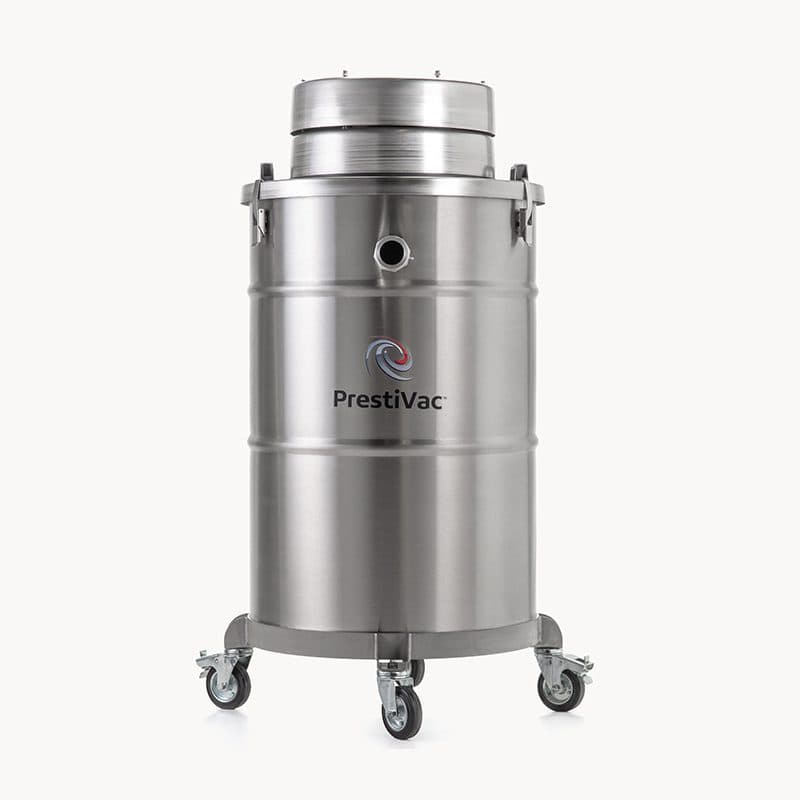
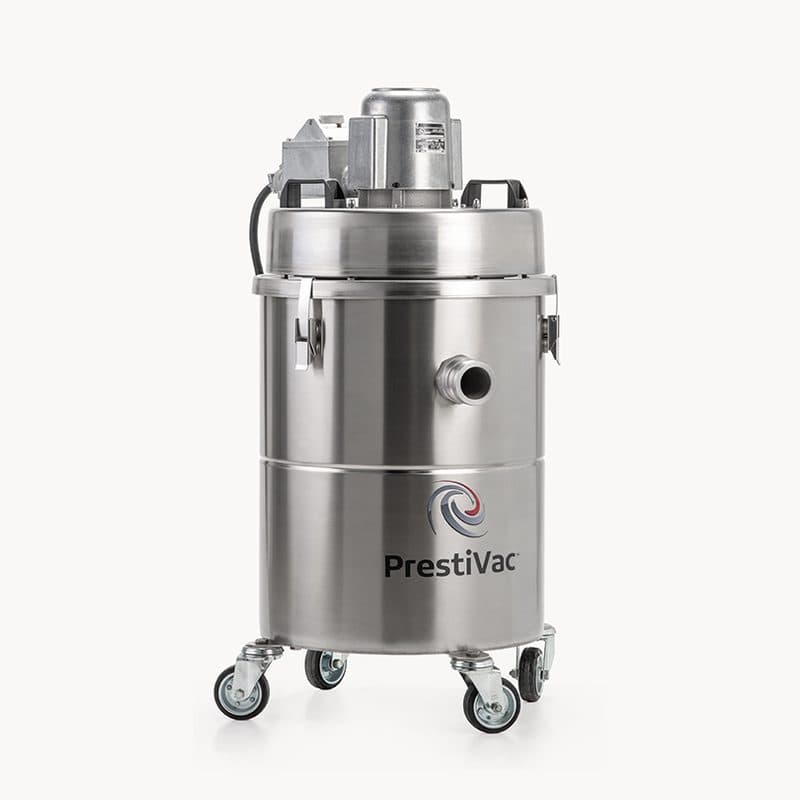
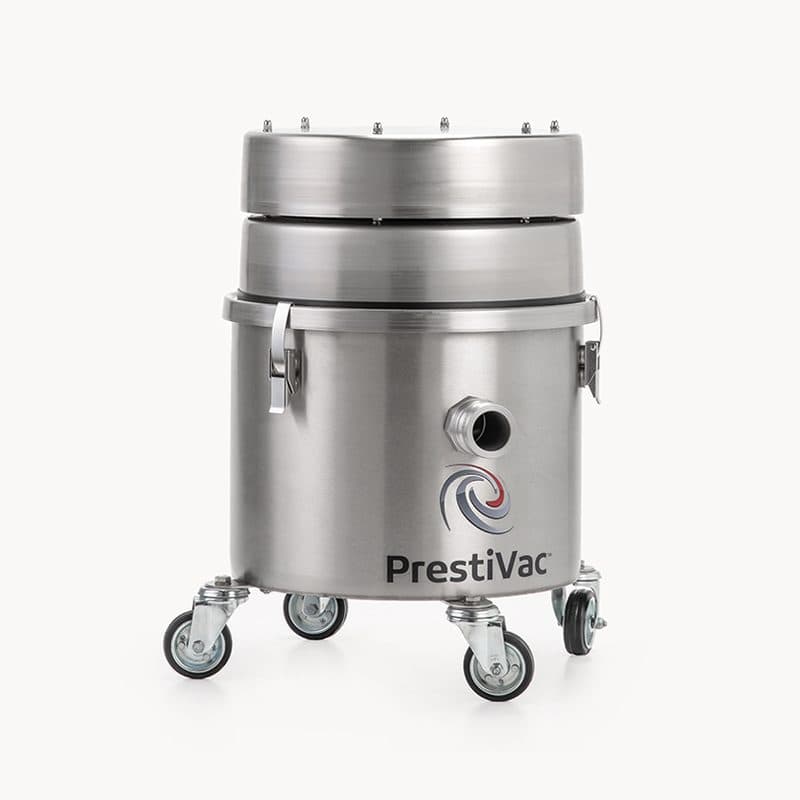
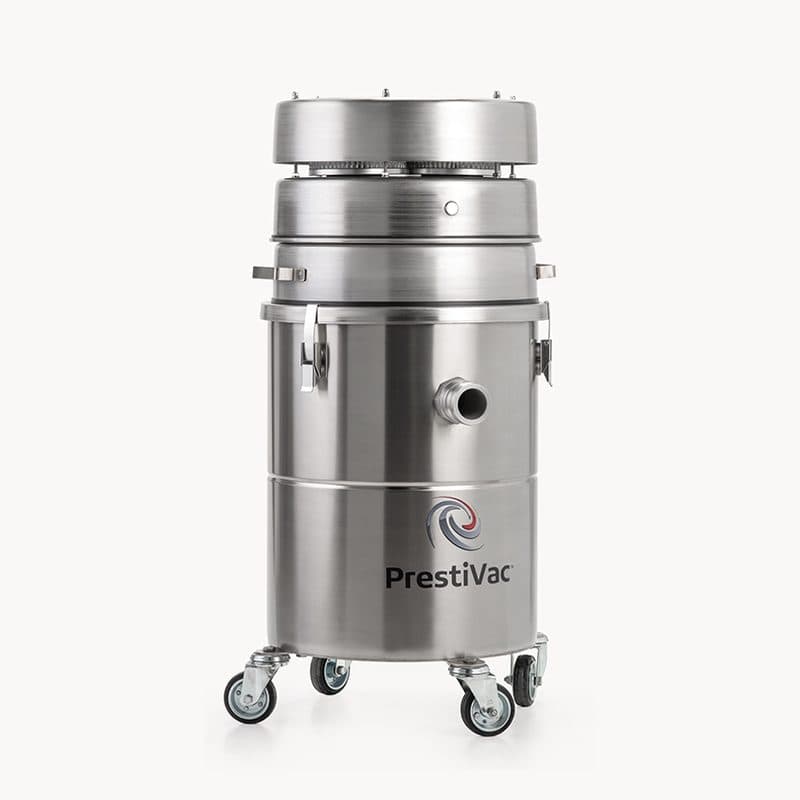
Typical system configuration
- 01
Treat filtration as the primary control
With a potent irritant, what the unit retains matters more than what it collects.
- 02
Start at the mill
Grinding produces the respirable fraction and sits alongside mechanical ignition sources.
- 03
Confirm the classification
Your engineer assigns the classification for grinding and blending areas.
- 04
Remove sweeping from the procedure
Any method that lofts this powder causes airway and mucous-membrane irritation on the spot.
- 05
Schedule above head height
Mill housings and overhead steel hold the accumulation that a primary event would loft.
Best practices
- Never sweep or blow down — the exposure is immediate and unmistakable.
- Specify absolute filtration and verify the seal, not just the grade.
- Prioritise mill and sifter housings and the steel above them.
- Keep dedicated tooling per product family.
- Check the conductive path through the full flow.
- Empty into sealed disposal away from the working area.
Pepper Dust FAQ
Is pepper dust combustible?
Yes. Ground pepper is a fine organic dust and behaves as a combustible dust when dispersed, sitting in Class II Group G. Severity for your grade is established by testing the material as your process produces it.
Why does the filtration grade matter so much here?
Because pepper dust is a potent respiratory irritant. A vacuum that passes the fine fraction and exhausts it back into the room produces an immediate exposure event — it makes the working environment worse while appearing to clean. Retained absolute filtration is what prevents that.
Can we sweep pepper dust?
Sweeping lofts the fines, which with this material causes immediate airway and mucous-membrane irritation as well as dispersing combustible fuel. Vacuum recovery that retains what it collects removes the material rather than putting it into the air people are breathing.
Where does the dust that matters accumulate?
Above head height — beams, duct tops and the outside of mill and sifter housings. That is the inventory a primary event would loft, and it is the part of the building least likely to be on the cleaning schedule.
Talk to the manufacturer
Get the right explosion proof vacuum for your application.
Tell us what you need to vacuum and where. Our technical team will recommend the PrestiVac model best suited to your material, your classification and how hard you will work it — and because we build every unit ourselves, we can modify it to fit.
- Legally certified explosion proof
- Solid stainless steel construction
- Industry-best 3-year warranty
- Designed & manufactured in the USA
- 200+ vacuum versions